Provence is worth it for its villages, Roman towns, markets, food and wine, and summer lavender. The strongest first trip lasts about a week, split between a town base (Avignon or Aix-en-Provence) and a village area in the Luberon or the Alpilles. The car decides the shape. Without one, stay in a single town base and day-trip by train and bus; with one, move to a village base for the second half.
For a first-time visitor from the US, the key adjustment is scale: Provence is a region of market towns, perched villages and open countryside, not a single city with sights to tick off. The planning work is choosing which corner to sleep in and how you will reach the rest.
In This Guide
Is Provence Worth Visiting, and What Is It Best For?
Provence is worth visiting for travelers who want villages, Roman sites, markets, wine and landscape at a slow pace. It is a poor match for nightlife or big-city sightseeing. The reward comes from mornings at a market, afternoons in a hilltop village and long dinners, not from a dense list of monuments.
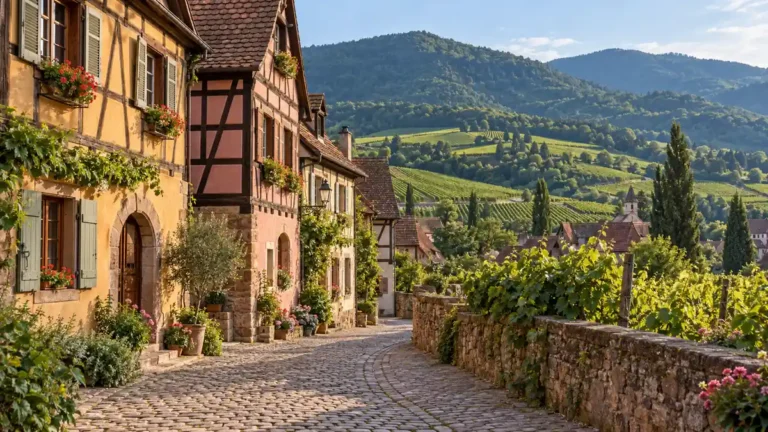
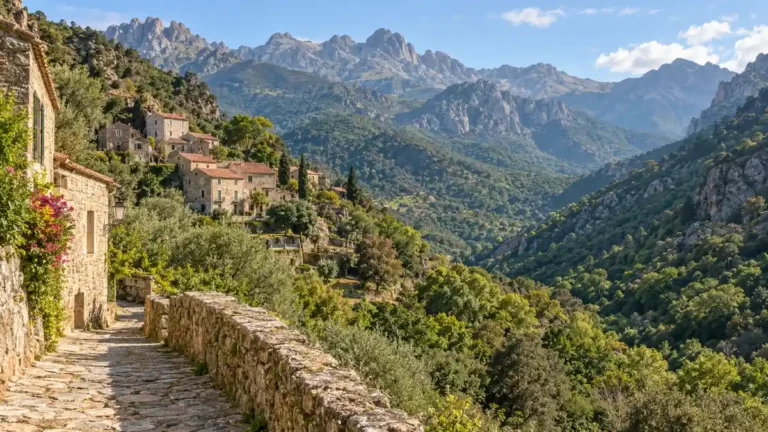
On the ground, Provence is the stretch of towns, villages and countryside between the Rhône and the Alps. Avignon and Arles hold the papal and Roman heritage, Aix-en-Provence is the elegant market town, and the Luberon and Alpilles carry the stone villages most people picture. The headline sights are covered in our guide to things to do in Provence.
The French Riviera is a different trip: it is the coast to the east, from Nice to Saint-Tropez, and this guide stays inland and on the western side.
Food and wine are a large part of the case for coming. Châteauneuf-du-Pape sits just north of Avignon and Côtes de Provence rosé comes from the south, both placed in context in our overview of France’s wine regions. Weekly markets anchor village life, and the French food guide covers what to eat and how markets work.
The cost of that slow pace is summer. July and August bring strong heat and crowded villages, and the most famous places feel it first.
Provence’s Sub-Areas: Which Corner Fits Your Trip
Provence breaks into a handful of distinct corners, and most first trips combine the Avignon side or Aix with one village area. Each corner has a natural base town, one experience it is known for, and its own answer to the car question. The table sets them side by side; the blocks below say which trip each one suits.
| Sub-area | Natural base town | Anchor experience | Car needed? | Suits |
|---|---|---|---|---|
| Avignon & Rhône side | Avignon | Palais des Papes and Pont d’Avignon | No | Car-free first trips |
| Alpilles | Saint-Rémy-de-Provence | Les Baux and Carrières des Lumières | Helpful; Saint-Rémy by bus | Village life with light driving |
| Luberon | Lourmarin | Perched villages and their markets | Yes | Drivers chasing the classic villages |
| Aix, Marseille & coast | Aix-en-Provence | Cassis and the Calanques | No | A city base with the sea in reach |
| Arles & Camargue | Arles | Roman Arles and the wetlands | Arles no; Camargue yes | A detour from Avignon |
| Verdon & Valensole | Moustiers-Sainte-Marie | Verdon Gorge and the plateau | Yes | Longer trips with a car |
Avignon and the Rhône Side
Avignon is the most practical base in Provence for a first trip. The walled town is compact and walkable, and the Palais des Papes and the Pont d’Avignon both sit inside its historic core; you can book a combined entry for the pair. Note that the high-speed TGV station lies outside the walls, separate from the central station.
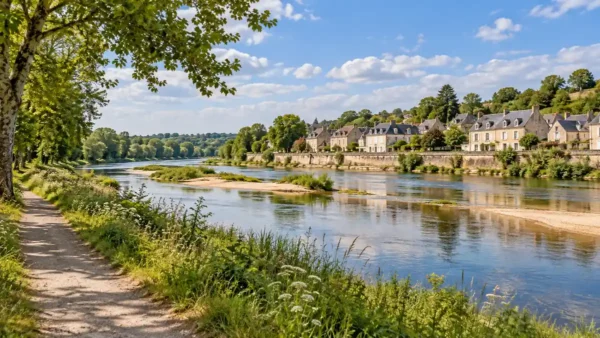
Across the Rhône, the Pont du Gard and Nîmes make easy side trips. Both are in Occitanie, not Provence, which matters only when you read regional maps; from Avignon they are simply a day out. This side of the region fits the planner without a car who wants to step out of the hotel into a living town.
The Alpilles: Saint-Rémy and Les Baux
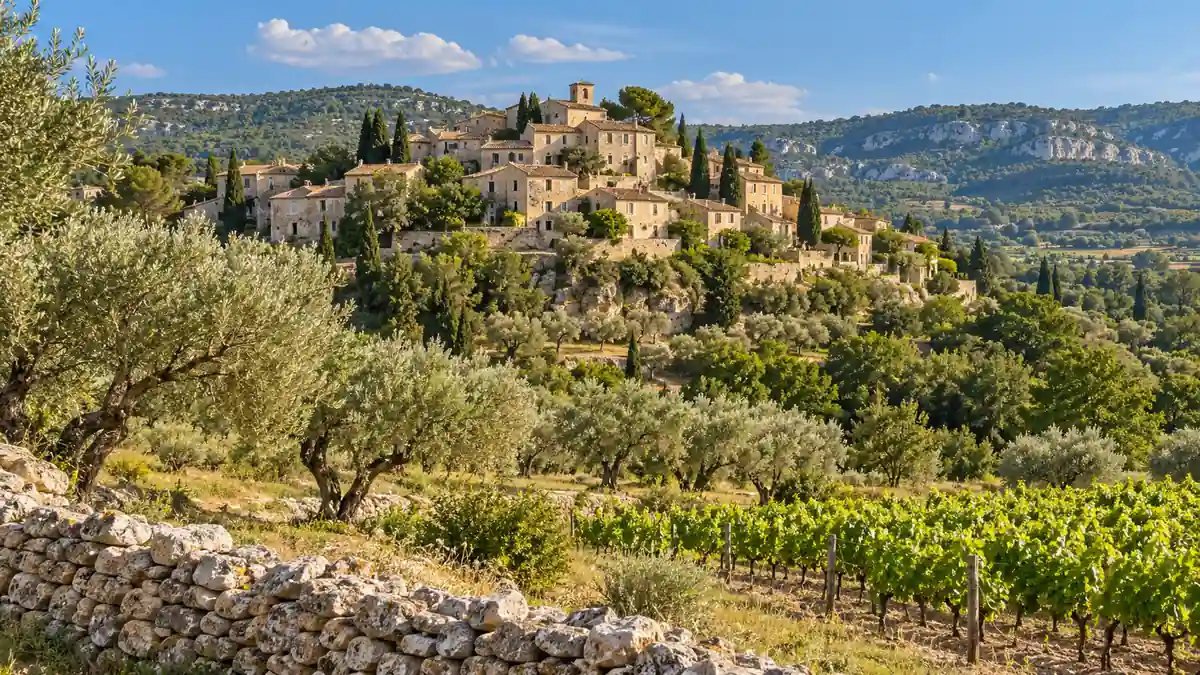
The Alpilles are a compact limestone range of olive groves and stone villages, with Saint-Rémy-de-Provence as the natural base. Saint-Rémy has the markets, the cafés and the plane-tree squares. Les Baux-de-Provence is the anchor: a fortified village on a rocky spur, with the Carrières des Lumières light shows staged inside a former quarry below it, where it pays to book tickets ahead.
Pick the Alpilles for village life without committing to a car every day. Saint-Rémy is within bus range of Avignon; Les Baux is harder, as the car section explains.
The Luberon: Hilltop Villages by Car
The Luberon is where the postcard villages are: Gordes, Roussillon, Lourmarin, Ménerbes and Bonnieux, each perched or terraced above vineyards and farmland. Lourmarin makes the best single base, with restaurants, a market and an easy village centre at the foot of the hills.
Compared with the Alpilles, the Luberon is more spread out and needs a car; the Alpilles are tighter and partly reachable by bus. This is the corner for the driver who wants the classic hilltop villages and will happily spend afternoons on back roads. Villages beyond these five are covered in our guide to hidden gems in Provence.
Aix, Marseille and the Calanques Coast
Aix-en-Provence is the central, easy base: an old town of fountains, cafés and daily markets, with good links towards both Marseille and the Luberon. Marseille is a big port city and the region’s main gateway, and it deserves its own visit; our Marseille guide covers it in depth.
The Calanques are the coastal anchor. These white limestone inlets between Marseille and Cassis form a national park, reached on foot from the trailheads or by boat, and a boat trip from Marseille is the simplest way to see several inlets in one outing. Cassis itself is a small harbour town with beaches nearby; for the wider coastline, see our pick of the best beaches in France. With a city base here, the sea is never more than a day trip away.
Also Worth a Detour: Arles, the Camargue and the Verdon
Arles is a compact town of Roman monuments, and it sits at the edge of the Camargue, the flat wetland delta of the Rhône, which needs a car to explore beyond its edges. Far to the east, the Valensole plateau (lavender country in early summer) leads to Moustiers-Sainte-Marie and the Verdon Gorge, a car-only upland extension that is easier to reach from Nice airport than from Avignon.
Tours and activities
Book skip-the-line tickets, day trips and local tours with free cancellation on most activities.
You can also browse everything on getyourguide.com.
Tripstou may earn a commission if you book through this link, at no extra cost to you.
A Week With Two Bases Is the Strongest First Trip
About a week (5–7 days) is the strongest first trip to Provence, split between a town base and a village area. That length lets you see one town properly, settle into village life, and still leave room for a market morning or a slow lunch. Shorter and longer trips change what fits more than how you travel.
- 3–4 days: one town base, usually Avignon, with two sub-areas by day trip, such as the Alpilles and Arles. It suits a Provence leg inside a wider trip, and the France itinerary guide shows how to slot it in.
- About a week: two bases and three or four sub-areas: Avignon or Aix first, then a few nights in the Luberon or the Alpilles. If the week has to cover Paris too, the 7-day France itinerary shows how to divide it.
- 10 days or more: add the Verdon uplands or a stretch of coast, or pair Provence with another region. The 10-day France itinerary and the two-week France itinerary show how longer trips divide their nights.
Day counts are guidance, not a quota. A slow traveler gets more from five days in two bases than from eight days spent driving between four.
One Base or Two? Start in Avignon or Aix
Without a car, stay in one town base: Avignon for the trains and the Alpilles and Arles side, Aix for the central and coastal side. With a car and a week, add a village base in the Luberon or the Alpilles. Moving bases costs half a day, but it removes the long daily drives that wear out a week.
Avignon is the stronger base for most first trips. It has the TGV, the widest spread of regional rail and bus links, and an easy reach to Arles, Saint-Rémy and the Pont du Gard. Aix trades some of that reach for a gentler town and a better position for Marseille, Cassis and the southern Luberon. There is no direct train between the two, so a car-free trip that tries to use both from one hotel loses its days to connections.
For the second base, choose the Luberon if you have a car for the whole stay and want the hilltop villages; choose the Alpilles if you want shorter drives and the option of a bus back to Avignon. Arles works as a cheaper alternative town base, close to the Camargue and within easy reach of Avignon.
Hotels and places to stay
Compare hotels, apartments and stays for your dates in one search.
Search hotels and stays on hotels.com →
Tripstou may earn a commission if you book through this link, at no extra cost to you.
Spring and September Beat July for Most First Trips
The shoulder months (April to early June, and September to October) give the best balance of warm weather, manageable crowds and open sites. July buys lavender at the price of crowds, strong heat and summer access limits on the coast. For a first trip without a lavender goal, late spring or early autumn is the better call.
Lavender blooms roughly from late June into July, later at altitude. Field timing and where to see it are covered in our guide to the Provence lavender fields.
Summer changes the Calanques. From June to September, the authorities decide each evening whether the massif opens to walkers the next day, and on a closed day the boat trips still run but do not land. Sugiton and Pierres Tombées also need a free reservation, which opens at 09:00 three days ahead.
Winter is quiet. Towns keep going, but some village restaurants and guesthouses close for the season.
Month-by-month weather beyond Provence is in our guide to the best time to visit France, and the France packing list covers what to bring for summer heat.
Getting to Provence: TGV From Paris or a Flight Into Marseille
From Paris, a direct TGV to Avignon or Aix-en-Provence TGV is the simplest way to reach Provence. Long-haul travelers can fly into Marseille Provence, the region’s main international airport. Nice airport suits a trip that starts on the Verdon side.
Two details catch first-time arrivals. Avignon TGV is a separate station outside the walls, distinct from Avignon Centre, so check which one your ticket names. And because there is no direct train between Avignon and Aix, the TGV stop you choose should match your first base.
Marseille airport connects to the rail network through a shuttle to the nearby station, which puts the region’s trains within reach without a taxi. If the trip needs a car, collect it at the airport or at the TGV station, or pick it up later, once the town days are done. To combine Provence with other French cities by rail, see our guide to France by train.
Do You Need a Car in Provence?
For the villages, yes: the Luberon, Valensole and the Verdon are car trips. A car-free trip works well if you base in Avignon or Aix and stay with the towns and the Alpilles. The line between the two is sharper than most planners expect.
- Car-free: Avignon, Arles, Aix-en-Provence, Marseille and Cassis by train and bus; Saint-Rémy-de-Provence by bus from Avignon.
- Car needed: the Luberon hilltop villages, the Valensole plateau, the Verdon Gorge and most of the Camargue.
The ZOU! 707 bus shows where the line falls. It runs from Avignon to Saint-Rémy in about 50 minutes, with about 20 departures on weekdays, but only a couple of runs a day continue to Les Baux. Saint-Rémy is an easy car-free day; Les Baux needs careful timing or a different plan.
The Luberon villages have no practical bus link from Avignon, so they are either a car day or a guided day; from Avignon you can book a Luberon tour that covers the villages without driving.
Driving has its own cost in summer: narrow lanes, full car parks below the hilltop villages and slow traffic on market days. Arrive early and park at the edge. For a driving route that takes in Provence, see our France road trip guide.
What a Provence Trip Costs by Travel Style
Provence runs from moderate to expensive. Town bases such as Avignon and Arles are kinder to a budget, while Luberon villages in summer and a hire car push the total up. What changes most between styles is where you sleep and whether you drive.
On a tight budget, base in Avignon or Arles, travel by train and bus, and build lunches around the markets. The towns carry the trip, and the Alpilles stay within reach by bus.
A comfortable middle trip adds a car for part of the week and a few nights in a village guesthouse. That combination unlocks the Luberon without paying summer village rates for the whole stay.
At the high end, a mas or bastide in the Luberon or the Alpilles in summer, with a car all week, is the classic Provence holiday, and the season prices it accordingly. For figures by budget, see our breakdown of France trip cost.
Who Provence Suits, and What to Pair It With
Provence suits couples, food and wine travelers, slow travelers and confident drivers. It is a weaker fit for travelers who want nightlife or who cannot bend their plans around transport. It works as a standalone week or as the southern leg after Paris.
Couples and food-focused travelers get the most from a village base with markets and long lunches. Slow travelers do well with two bases and few day trips. Drivers get the whole region, including the Luberon and the Verdon; travelers without a car get a fuller trip than they expect, as long as they accept the towns-and-Alpilles shape.
Paris plus Provence by TGV is the classic pairing for a first visit to France. For a second region, the Loire Valley guide offers a contrast of châteaux and river towns. The Riviera to the east is the natural coastal add-on if the trip has room to continue. Solo travelers will find the towns easy to navigate, and our guide to solo female travel in France covers practical precautions.
Provence Planning at a Glance
- Split a first week between a town base (Avignon or Aix-en-Provence) and a village base in the Luberon or the Alpilles.
- Without a car, stay in Avignon or Aix and keep to the towns and the Alpilles, because the Luberon villages, Valensole and the Verdon need a car or a guided day.
- The ZOU! 707 bus makes Saint-Rémy an easy car-free day from Avignon, but only a couple of runs a day continue to Les Baux.
- April to early June and September to October beat July for a first trip, unless lavender is the reason you are going.
- In summer the Calanques massif opens or closes day by day, decided the evening before, and Sugiton and Pierres Tombées need a free reservation.
- Avignon and Aix have no direct train between them, so pick the TGV stop from Paris that matches your first base.
Keep Planning Your France Trip
- Best places to visit in France: compare Provence with the other regions before you commit.
- France travel guide: the national planner for routes, transport and timing.
- Scams in France: the common tourist tricks to watch for in stations and busy squares.
How This Guide Was Checked
This planner helps you shape a first Provence trip (which corner, how long, where to sleep, car or not); it is not a guide to Avignon, Aix or Marseille, a day-by-day route, a hotel list or a Riviera guide.
Alex Perrut, working in tourism since 2015, went over the bases and the bus and Calanques details against the sources below for the Tripstou editorial team. The page was produced with AI assistance, and our editorial process sets out how that works.
Official sources consulted: ZOU! Région Sud, Calanques National Park.
Did this guide save you time or money? Tripstou is independent and reader-funded — if you'd like to give something back, you can support the site with a crypto contribution of any size.