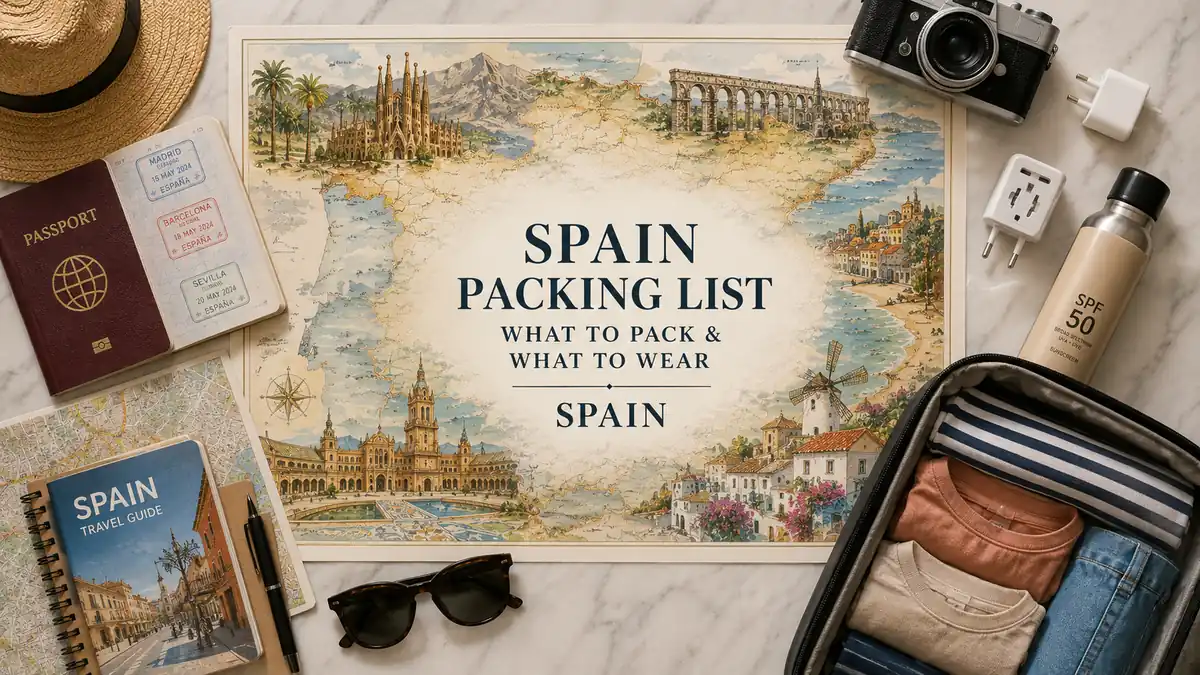
You have chosen Spain, and now the only question that matters is what to actually put in your bag. This guide gives you a complete, organised packing checklist built around the items you will genuinely use — documents, clothing, footwear, electronics, and sun protection — without the filler that pads most packing lists. Spain is not one climate or one kind of trip, so two variables reshape your list more than anything else: the season you travel in and the style of trip you are taking. A July beach week in the south and a November city break in the north need different bags. The checklist below starts with a universal core that works everywhere, then shows exactly how to adapt it by season, region, and trip type so you pack once and pack right.
Quick Answer
Quick Answer: Pack layered breathable clothing, comfortable walking shoes, an EU plug adapter, sun protection, and core documents. Season and region reshape the list most, from summer heat to cool, wet northern and interior conditions. Build one carry-on core list, then adjust it by season and trip type — city, beach, or road trip.
Trust Layer
Tripstou planning guide for travelers resolving one travel decision. Covers the main variable, traveler context, and practical tradeoffs.
Produced with AI assistance and reviewed by Alex Perrut, working in tourism since 2015, for the Tripstou editorial team. See our editorial process for details.
Last factual review: June 16, 2026.
Official sources consulted: travel-europe.europa.eu, european-union.europa.eu.
Key Takeaways
- Build one carry-on core — documents, breathable layers, walking shoes, an EU adapter, and sun protection — then adjust it by season and trip.
- Layering is the governing clothing logic: pack thin, breathable cotton or linen pieces you can add or remove as days swing hot to cool.
- Bring comfortable, broken-in closed shoes for Spain’s uneven cobblestones, plus sandals for heat — two pairs cover almost every trip.
- Spain uses Type C and Type F sockets at 230V, so UK and US travellers must pack an EU plug adapter.
- Region matters as much as season: northern and interior Spain run cooler and wetter than the hot, dry southern coast.
- Adjust by trip type — beach extras, city walking focus, or road-trip layers — and leave bulky just-in-case items at home.
Table of Contents
What should you pack for Spain?
Pack core documents, layered breathable clothing, comfortable walking shoes, an EU plug adapter, and strong sun protection. These five categories form a packing core that works across the whole country. Season and trip type then adjust quantities and a few specifics, but the foundation stays the same everywhere you go.
Think of your list in two parts: a fixed core you bring on every Spanish trip, and a small set of adjustments driven by when and how you travel. Get the core right and the rest is simple addition. The non-negotiable core looks like this:
- Documents and money: passport, payment cards, and copies of both, kept separately.
- Clothing: lightweight, breathable layers plus one warmer layer for evenings and air conditioning.
- Footwear: comfortable, broken-in walking shoes, plus sandals in warm months.
- Electronics: phone, chargers, a power bank, and an EU plug adapter.
- Sun protection: high-SPF sunscreen, sunglasses, and a hat.
Everything beyond this core is optional and situational. The aim is a single carry-on you can comfortably carry up stairs and onto trains, not a checklist of everything you might conceivably need. The sections below expand each category and then show how season, region, and trip type change the details.
Which documents and essentials should you pack first?
Pack your passport, payment cards, and printed and digital copies of both before anything else. Documents are the only truly irreplaceable items in your bag, so they take priority. Add basic medication, a slim anti-theft-aware bag, and travel insurance details to complete your essentials layer.
Start with the items that are hardest or most stressful to replace abroad, then build outward. Your essentials layer should include:
- Passport valid well beyond your travel dates, plus a photo or scan stored in your phone and the cloud.
- Payment cards — ideally two from different networks — plus a small amount of euro cash for arrival.
- Travel insurance confirmation and any emergency contact numbers.
- Basic medication: any prescriptions in original packaging, plus painkillers and a small first-aid kit.
- A secure day bag with zips that close fully.
Entry and visa requirements vary by nationality, so confirm your own rules before you travel rather than assuming — that is a separate question from what to pack. On the bag itself, a zipped cross-body or anti-theft style bag is the single most useful packing choice for busy plazas, metros, and markets; for the wider context on staying alert to pickpocketing, see our Spain safety guide.
What clothes should you pack for Spain?
Pack lightweight, breathable layers you can add or remove as conditions change through the day. Natural fabrics like cotton and linen handle Spanish heat better than synthetics. Include a light jacket or wrap for cool evenings, air conditioning, and modest cover when entering churches and cathedrals.
Layering is the governing logic for clothing in Spain because a single day can swing from hot midday streets to cool, breezy evenings. Instead of bulky single pieces, pack several thin items you can combine. A practical clothing base includes:
- Breathable tops in cotton or linen that dry quickly and stay cool.
- A light jacket, cardigan, or wrap for evenings, fierce air conditioning, and the cooler north.
- Versatile bottoms: light trousers, shorts, or skirts that mix and match.
- One smarter outfit for dinners or nights out, since Spaniards dress neatly in the evening.
- A scarf or shawl that doubles as church cover for shoulders and knees.
Modest cover matters for visiting cathedrals and churches, where bare shoulders and very short hemlines are often discouraged. A light scarf solves this without adding weight. Choose pieces in a coordinated colour palette so a small number of items produces many outfits — the key to fitting everything in a carry-on.
Which shoes are best for walking Spain?
Bring comfortable, broken-in closed walking shoes as your primary footwear for Spain. Historic centres are paved with uneven cobblestones that punish flimsy or new shoes. Add a pair of sandals for hot days and the beach, and you have nearly every situation covered without overpacking.
Spain rewards walking — its old towns, hilltop quarters, and tiled plazas are best explored on foot — and cobblestones are the reason footwear deserves special attention. Thin-soled or brand-new shoes lead to blisters and sore feet within a day. A reliable footwear kit is short:
- Cushioned, broken-in walking shoes or trainers for long days on hard, uneven surfaces.
- Comfortable sandals for hot weather, the beach, and casual evenings.
- One dressier pair only if your plans include smarter dinners or nights out.
Two pairs cover most trips. Break in any new shoes at home before you go, and prioritise support over style for sightseeing days. Sandals with some arch support beat flat flip-flops if you will be on your feet for hours between the beach and the town.
What electronics and plug adapter do you need?
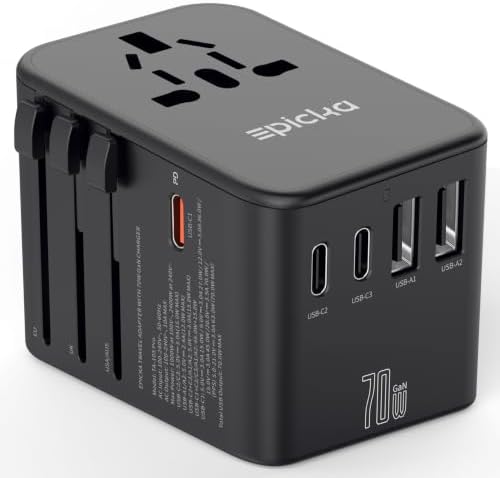
You need an EU plug adapter for Spain, which uses Type C and Type F sockets at 230V and 50Hz. UK and US devices will not fit Spanish outlets without one. Beyond the adapter, pack only the chargers, cables, and a power bank you will genuinely use.
Spain’s electrical standard is the European two-round-pin system, so travellers from the UK, US, and other non-EU countries must bring an adapter. Check whether your devices are dual-voltage — most phone and laptop chargers handle 230V automatically, but some hair tools and small appliances do not and can be damaged without a converter. A sensible electronics kit includes:
- An EU plug adapter (Type C/F); a multi-port version covers several devices at once.
- Phone and camera chargers plus the cables you actually use.
- A power bank for long sightseeing days away from outlets.
- Headphones and, if relevant, an e-reader.
For staying connected, sort a local SIM or eSIM rather than relying on roaming — see our guide to getting a Spain SIM card for the options. Leave behind voltage-sensitive gadgets you can do without, and you keep both weight and adapter count down.

Toiletries and sun protection to bring
Pack high-SPF sunscreen, after-sun lotion, and a refillable water bottle as your Spain toiletry priorities. Spanish sun is strong for much of the year, even outside summer. Keep the rest minimal — most everyday toiletries are cheap and easy to buy once you arrive.
Sun protection is the part of your toiletry bag that genuinely matters in Spain, where clear skies and intense light are common across much of the calendar. Build the kit around that:
- High-SPF sunscreen and a separate lip balm with sun protection.
- After-sun or aloe gel for evenings after long days outdoors.
- A refillable water bottle to stay hydrated and cut plastic waste.
- Travel-size basics: toothbrush, deodorant, and any personal-care items you prefer by brand.
Keep liquids within carry-on limits and resist overpacking toiletries. Pharmacies and supermarkets across Spain stock everything you are likely to run out of, so bring small quantities and top up locally rather than carrying full-size bottles for a short trip.
How does your Spain packing list change by season?
Your Spain packing list shifts mainly between light summer clothing and warmer layers for autumn through spring. The bigger variable is region — northern and interior Spain run cooler and wetter than the southern coast. Pack for your specific season and area, not for a single national climate.
Treat season as a packing adjustment rather than a weather forecast: the question is what you add to or remove from your core. Broadly, summer calls for the lightest possible clothing and maximum sun protection, while the colder half of the year needs warmer layers and rain readiness, especially inland and in the north.
| Season | Clothing focus | Layering need | Add to your bag |
|---|---|---|---|
| Spring | Light layers with a few warmer pieces | Moderate, evenings still cool | Light rain jacket, versatile mid-layer |
| Summer | Lightest breathable fabrics only | Minimal, just for air conditioning | Extra sun protection, swimwear |
| Autumn | Light layers plus a warmer top | Moderate to high, especially north | Waterproof layer, closed shoes |
| Winter | Warm layers and a proper coat | High, particularly inland | Warm coat, scarf, umbrella |
Region matters as much as season. For deciding when your trip falls and what that means, see our guide to the best time to visit Spain. For the cooler, wetter Atlantic conditions, plan with northern Spain and the Basque Country in mind; for hot, dry summers and mild winters, lean on Andalusia; for the hot-summer, cold-winter interior, check the Madrid region; and for year-round mild warmth, the Canary Islands need the lightest packing of all.
How to adjust packing for beach, city, or road trips?
Adjust your packing by adding trip-specific extras to your core list rather than rebuilding it. Beach trips need swimwear and sun gear, city breaks reward light walking-focused packing, and road trips call for flexible layers and snacks. Keep everything to a carry-on and leave bulky just-in-case items home.
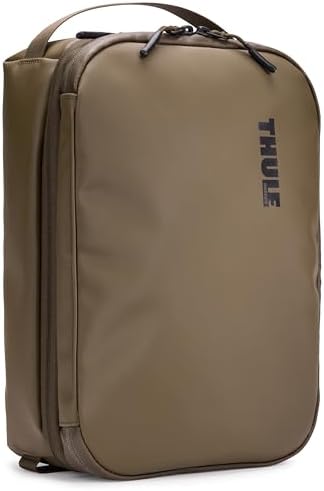
The smartest approach is one carry-on core plus a short add-on list for your trip style. This keeps you mobile across trains, taxis, and old-town stairs while still covering the specifics of each kind of trip.
What to add for a city break?
City breaks reward light, walking-focused packing with a secure day bag and your most comfortable shoes. You will cover long distances on foot across cobbled centres, so weight and footwear matter more than variety. Pack a versatile outfit or two for evenings out and keep valuables in a zipped cross-body bag. This works whether you are exploring Barcelona, Madrid, Seville, Valencia, or Granada, and across the wider Catalonia region. A little research into local Spanish food also helps you pack the right appetite for long, late dinners.
What to add for beach and island trips?
Beach and island trips need swimwear, sun gear, and quick-drying basics on top of your core. Add at least two swimsuits, a beach towel or sarong, water shoes for rocky coves, and extra sunscreen. A dry bag protects electronics by the water. This applies whether you are heading to the best beaches in Spain, the wider Spanish islands, the Balearic Islands, or coastal stretches like the Costa del Sol, the Costa Brava, the Valencia region, or around Málaga.
What to pack for a road trip or rail journey?
Road trips and rail journeys call for flexible layers, snacks, and a soft bag that stows easily. Pack for changing conditions across regions, keep a refillable water bottle and chargers within reach, and choose a bag that fits car boots and overhead racks. For driving routes, plan with our Spain road trip guide; for rail-based travel, see the Spain train itinerary. Across every trip type, the rule is the same: build one carry-on core, add only what the trip demands, and leave bulky “just-in-case” items at home.
Frequently Asked Questions
Can I travel Spain with just a carry-on?
Yes, a carry-on is enough for most Spain trips of up to two weeks. Build one core list, pack a coordinated colour palette so few items make many outfits, and limit yourself to two pairs of shoes. Top up toiletries locally rather than carrying full-size bottles.
How many outfits should you pack for a week in Spain?
Pack three to four versatile outfits for a week in Spain, not seven separate ones. Choose mix-and-match pieces in a coordinated palette, plus one smarter outfit for evenings. Rinsing items midway or using laundry facilities lets you cover longer trips without adding weight or bulk to your bag.
What should you avoid packing for Spain?
Avoid bulky single-use items, full-size toiletries, and more shoes than you can wear. Heavy coats outside winter, voltage-sensitive appliances, and excessive formalwear usually stay unused. Spain’s shops, pharmacies, and supermarkets stock anything you forget, so leave just-in-case extras home and keep your bag light and mobile across stairs and transport.
What should women wear to visit Spanish churches?
Women should cover shoulders and knees when visiting Spanish churches and cathedrals. A light scarf or shawl over a sleeveless top, plus trousers or a longer skirt, meets typical dress expectations without extra packing. The same scarf doubles as evening cover, making it one of the most versatile items to bring.
Do you need a rain jacket for Spain?
Pack a light, packable rain jacket for northern and interior Spain, especially in spring, autumn, and winter. The southern coast rarely needs one in summer. A compact waterproof layer weighs little and doubles as a windbreaker, so it earns its place whenever your route includes the Atlantic north or higher inland areas.
Should you pack toiletries or buy them in Spain?
Pack only travel-size essentials and buy the rest in Spain. Pharmacies and supermarkets are widespread and well stocked, so full-size bottles waste space and risk spills. Bring sunscreen, any preferred brands, and prescription medication from home, then top up shampoo, toothpaste, and similar basics locally to keep your bag light.
Related Guides
Use these guides to plan the decisions around your packing list — where to go, when, how much it costs, and how to route your trip.
- Spain travel guide — the complete planning hub for your trip.
- Spain travel tips — practical advice for first-time visitors.
- Best time to visit Spain — match your season to your plans.
- Spain trip cost — budget your trip from flights to daily spending.
- Best places to visit in Spain — shape your route and shortlist.
- Spain itinerary — sequence your days across regions.
Did this guide save you time or money? Tripstou is independent and reader-funded — if you'd like to give something back, you can support the site with a crypto contribution of any size.