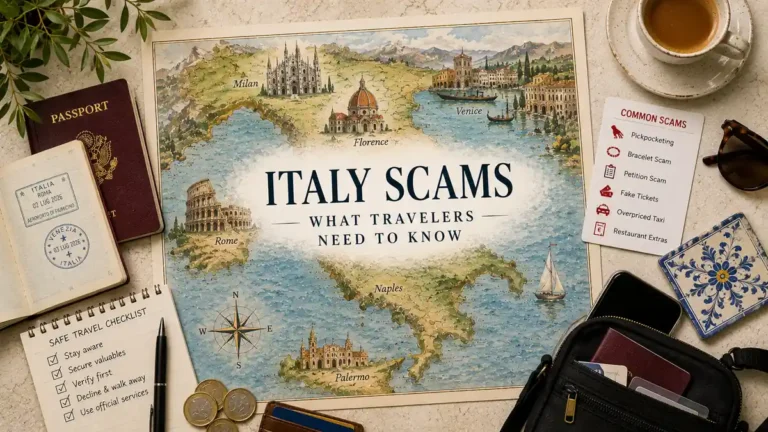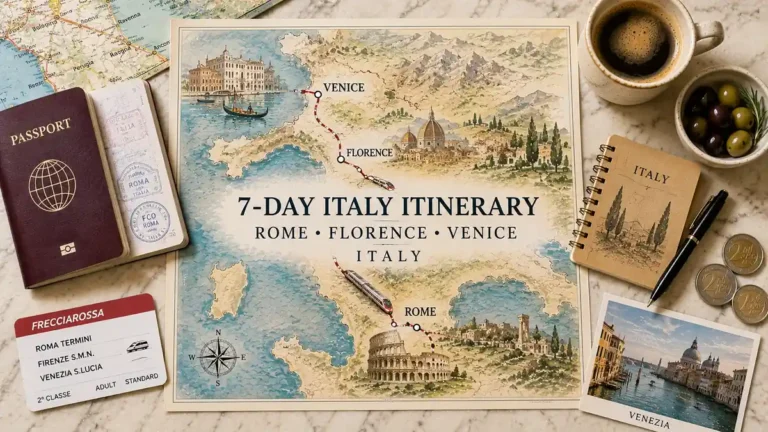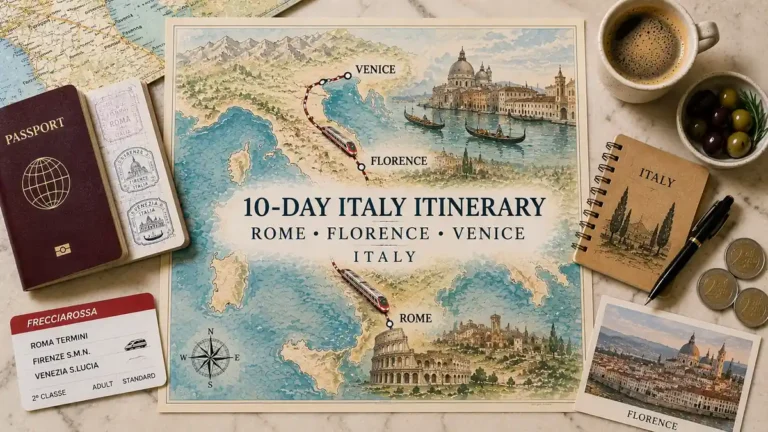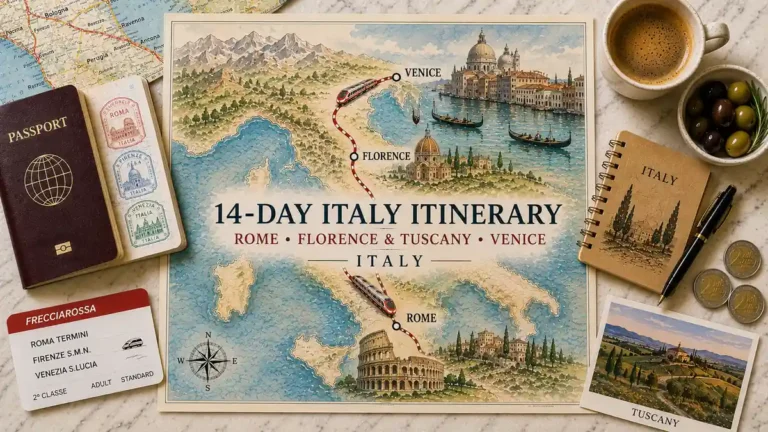
You’ve chosen Italy — now the real work is shaping the trip. This guide is built to orient you fast: it sketches how the country is organized, names the cities a first-timer should focus on, and frames the handful of decisions that actually shape an itinerary. The goal is a clear mental model, not a wall of detail. Italy rewards travelers who pick a focus over those who try to see everything in one visit, and the difference usually comes down to a few early choices made in the right order. By the end you’ll know where to start, roughly how long to give it, and which specialist guide to open next for timing, routes, and budget. Think of this as the entry door to the whole Italy cluster — read it first, then route deeper.
Quick Answer
Start your first Italy trip with the Rome–Florence–Venice core, pairing nearby regions rather than trying to sweep the whole country. Trip length and season are the variables that decide how much fits comfortably. For a first visit, anchor on these three cities, then plan timing, routes, and budget around them.
Trust Layer
Tripstou country guide for travelers planning a trip across a whole country. Covers route direction, trip length, season, budget, bases, and transport tradeoffs.
Produced with AI assistance and reviewed by Alex Perrut, working in tourism since 2015, for the Tripstou editorial team. See our editorial process for details.
Official sources consulted: italia.it, ENIT (Italian National Tourist Board).
Key Takeaways
- Anchor a first Italy trip on the Rome–Florence–Venice core and save the south or islands for a return visit.
- Think of Italy in three zones — North, Central, and South — plus islands, each suiting a different kind of trip.
- Allow at least one week, ideally ten to fourteen days, to cover the core cities without rushing between bases.
- Travel spring or autumn for warm weather and lighter crowds; summer is hottest and busiest, winter quietest and cheapest.
- Use high-speed trains between cities and rent a car only for rural regions like Tuscany or the Dolomites.
- Lock your cities and route first, then settle timing, transport, and budget using the cluster’s specialist guides.
Table of Contents
How to Plan a Trip to Italy
Plan an Italy trip in order: pick where to focus, then length, season, and transport. This sequence stops the most common first-timer mistake — spreading too thin across too many places. Lock your cities before the calendar, and every later decision gets simpler and cheaper to make.
The order matters because each choice constrains the next. Once you know your cities, trip length tells you how many you can realistically link. Season then sets expectations for weather, crowds, and price. Transport falls out naturally from the cities you picked — a city-only trip leans on rail, while a rural loop needs a car. Decide those four things and the rest of the planning is just filling in detail.
Reality check: fewer bases almost always makes for a cheaper, calmer trip. Two or three well-chosen cities beat five rushed ones, because every move costs a half-day and a hotel change.
A few decisions sit slightly outside this core sequence but still belong on your early checklist. Confirm entry rules and any visa or ETIAS requirement for your nationality through our Italy visa requirements guide, sort connectivity with the Italy SIM card guide, and pack to the season using the Italy packing list. For the practical etiquette and money-saving habits that smooth a first visit, our Italy travel tips cover the ground a planning sequence can’t.
Italy’s Regions: North, Central, and South (and the Islands)
Italy splits into three broad zones — North, Central, and South — plus its islands, each suiting a different trip. The North brings the Alps, lakes, and style-driven cities; the Central core holds the classic art cities; the South and islands lean coastal, slower, and warmer.
Reading the country as zones rather than twenty separate regions keeps planning manageable. Use this as a quick orientation:
- North: Milan, Venice, the lakes, and the Dolomites — design cities, mountains, and cooler air. Best for first-timers who want a city plus scenery.
- Central: Rome, Florence, Tuscany, and Umbria — the dense heart of Italy’s art, history, and food. The natural anchor for a first trip.
- South: Naples, the Amalfi Coast, and Puglia — warmer, slower, and more dramatic coastline, better suited to a focused second trip.
- Islands: Sicily and Sardinia run on their own rhythm and reward more time than a first visit usually allows.
For the cities themselves, the Rome travel guide and the Florence travel guide cover the Central anchor, and the Milan travel guide covers the North’s largest city.
The coast and islands deserve their own planning rather than a rushed add-on. If beaches or island time are a priority, build around them deliberately with the Italy islands guide and the rundown of the best beaches in Italy instead of squeezing them into a city-focused first trip.
Where First-Timers Should Go: The Rome–Florence–Venice Core
The strongest first-timer route is the Rome–Florence–Venice core. These three cities deliver Italy’s defining art, history, and atmosphere within easy high-speed rail reach of each other. They give a first trip a clear spine, while regions like the Amalfi Coast or Puglia are better saved for a return visit.
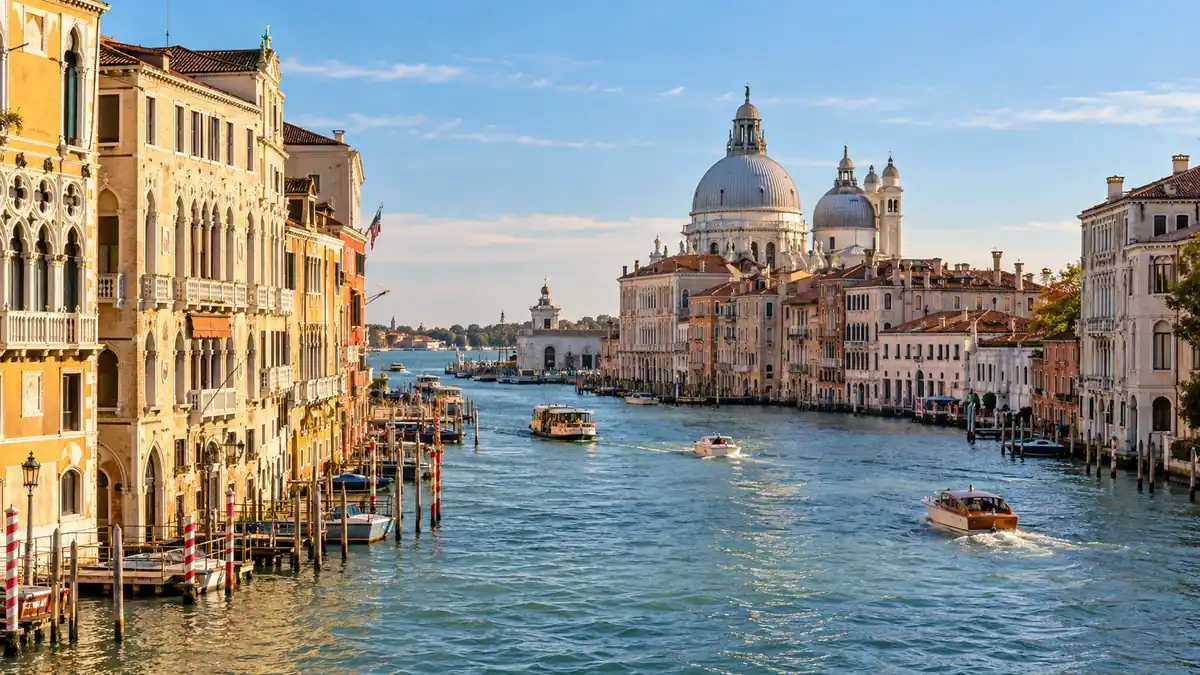
The core works because it concentrates Italy’s headline experiences with minimal transit friction. Rome carries the ancient and baroque layers, Florence the Renaissance and Tuscan gateway, and Venice its singular canal cityscape — and fast trains connect all three in a few hours each. That lets you spend your days in the cities rather than in transit.
Rule: nail the core on your first trip and treat everything else as a return-visit shortlist. Trying to bolt on the south or the islands is what turns a relaxed first trip into a logistics scramble.
If you want to weigh the core against other headline destinations, our ranked rundown of the best places in Italy frames the trade-offs without forcing a single answer. Travelers who already know the classics and want quieter alternatives can pull ideas from our hidden gems in Italy guide.
How Many Days You Need in Italy
Plan at least one week for a first Italy trip, and ideally ten to fourteen days. One week covers two core cities comfortably; ten days adds a third; two weeks lets you pair a region like Tuscany or the Amalfi Coast without rushing between bases.
Match the day count to the trip shape you want, broadly:
- 1 week: two cities done well — typically Rome plus Florence or Venice.
- 10 days: the full Rome–Florence–Venice core with breathing room.
- 14+ days: the core plus one region or a stretch of coast.
These are broad scenarios, not a fixed schedule. For day-by-day structure — what to do on each day and how to sequence the stops — build it out with our Italy itinerary guide.
When to Go to Italy
The best time to visit Italy is spring and autumn, roughly April–June and September–October. These shoulder seasons bring warm, settled weather and lighter crowds than midsummer. Summer is hot and busy, especially in the cities and south; winter is quiet and cheaper but limits coastal and alpine plans.
The broad logic is simple: shoulder season balances comfort, cost, and crowds better than peak summer. Your ideal window still shifts with the trip you’re planning — beach time favors warmer months, while cities are most pleasant in spring and autumn. For the month-by-month detail and how the seasons play out region by region, see our best time to visit Italy guide.
How to Get Around Italy
Travel between Italy’s major cities by high-speed train — it’s the fastest, easiest default. Rail links Rome, Florence, Venice, Milan, and Naples in a few hours city-centre to city-centre, with no parking or traffic. Rent a car only for rural regions like Tuscany, Puglia, or the Dolomites.
The decision is mostly binary: trains for the city core, a car for the countryside. Driving into and parking in major Italian cities is slow and expensive, while many historic centres restrict traffic outright. The reverse is also true — rural regions and coastlines are far easier with your own wheels.
Rule: book intercity trains earlier for better fares and departure times; walk-up tickets cost more and sell out on busy routes. For a city-hopping first trip, plan the rail spine with our Italy train itinerary; if your trip leans rural, our Italy road trip guide covers the driving side.
Train and bus tickets
Compare routes, schedules and prices across rail and bus operators in one search, with mobile tickets on your phone.
New to Omio? Code NEW10 takes 10% off your first booking — or APPNEW10 if you book inside the Omio app. Both apply to bookings up to €80.
Search routes and compare prices on Omio →
Tripstou may earn a commission if you book through this link, at no extra cost to you.
What a Trip to Italy Costs
Italy sits in the mid-to-upper range for Western Europe — pricier than the Balkans, gentler than Scandinavia. Accommodation and intercity transport drive most of the budget, while food and sightseeing stay reasonable. Big-name cities and peak summer push costs up; shoulder season and smaller bases bring them down.
The biggest lever is when and where you stay. The same trip can cost noticeably less in shoulder season and in mid-sized cities than in Rome or Venice at the height of summer. Treat any figures you see as ranges to verify before booking, since fares and room rates move with season and demand. For a full breakdown of what to budget by trip style, see our Italy trip cost guide.
How to Use This Guide to Plan the Rest of Your Trip
Use this guide as your starting point, then move to specialist pages in planning order. Lock your cities and route first, then settle timing, then transport, then budget — each has a dedicated guide that goes deeper than a hub can. Read them in that sequence to avoid backtracking.
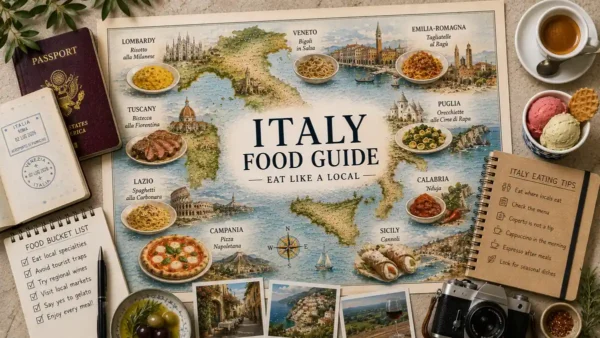
Once the core decisions are set, layer in the trip’s substance and safeguards. Build your day plans around our things to do in Italy guide, fold in regional specialties with the Italy food guide, and review the practical precautions in our Italy safety guide before you go. Work outward from this hub and each specialist page slots into a decision you’ve already framed here.
Frequently Asked Questions
Is Italy good for first-time travelers?
Yes, Italy is one of Europe’s most rewarding first-time destinations. Its core cities sit within easy high-speed rail reach, English is widely understood in tourist areas, and the mix of art, history, food, and coastline suits almost any travel style. Sticking to the Rome–Florence–Venice core keeps a first trip simple.
Is Italy beginner-friendly and easy to travel around?
Italy is very beginner-friendly, especially for a city-focused trip. High-speed trains connect the major cities in a few hours without the stress of driving, signage and menus often include English, and tourist infrastructure is well developed. Rural regions need more planning, but the classic first-timer route stays straightforward throughout.
What language do they speak in Italy, and do they speak English?
Italian is the official language, but English is widely spoken in tourist areas, hotels, and major cities. You’ll rarely struggle in Rome, Florence, or Venice, where staff routinely handle visitors. Learning a few basic Italian phrases is appreciated and helps in smaller towns and rural regions where English is less common.
What currency does Italy use?
Italy uses the euro (EUR), like most of the European Union. Card payments are widely accepted in cities, hotels, restaurants, and shops, though carrying some cash helps for small cafés, markets, and rural areas. ATMs are easy to find, and you’ll get the best rates withdrawing euros locally rather than exchanging beforehand.
Do you need to book everything in advance for Italy?
Not everything, but book the essentials early. Accommodation, intercity trains, and major timed-entry attractions like the Colosseum or Uffizi sell out and cost more last-minute, especially in peak season. Restaurants, day trips, and local transport can usually wait. Booking your route and big-ticket sights ahead saves money and avoids disappointment.
Is it better to see Italy by train or by car?
For most first-timers, the train wins. High-speed rail links Italy’s major cities quickly and drops you in the centre, with no parking or restricted-traffic zones to navigate. A car only pays off for rural regions like Tuscany, Puglia, or the Dolomites, where public transport is sparse and the freedom matters more.
Related Guides
- Best Places to Visit in Italy — weigh the core cities against other headline destinations.
- Rome Travel Guide — plan the city that anchors most first trips.
- Florence Travel Guide — the Renaissance city and gateway to Tuscany.
- Milan Travel Guide — the North’s design city and base for the lakes.
- Italy Itinerary Guide — turn your chosen cities into a day-by-day route.
- Best Time to Visit Italy — month-by-month timing and seasonal trade-offs.
- Italy Train Itinerary — plan the high-speed rail spine between cities.
- Italy Trip Cost Guide — what to budget by trip style and season.
- Things to Do in Italy — fill out your days with the experiences worth prioritizing.
- Italy Food Guide — eat well with a region-by-region primer.
- Italy Visa Requirements — confirm entry and ETIAS rules for your nationality.
- Living in Italy as a Digital Nomad — for a long remote-work stay, not a first visit.
- VAT Refund in Italy: How Tax-Free Shopping Works
Did this guide save you time or money? Tripstou is independent and reader-funded — if you'd like to give something back, you can support the site with a crypto contribution of any size.