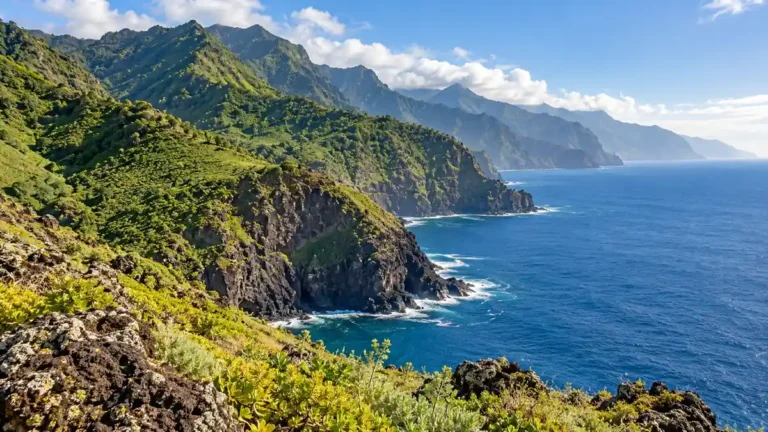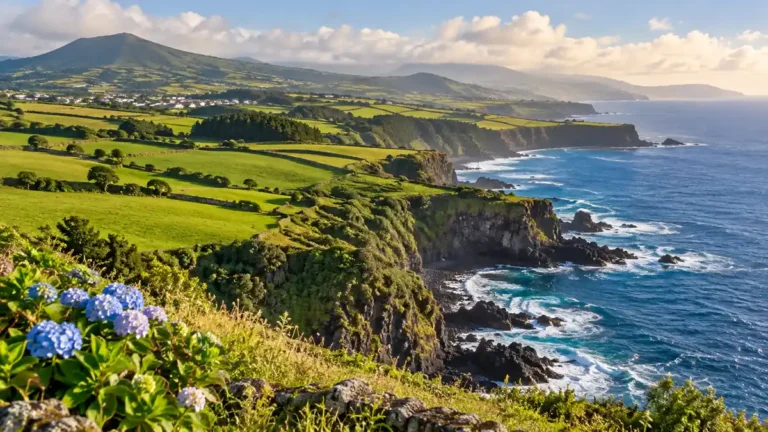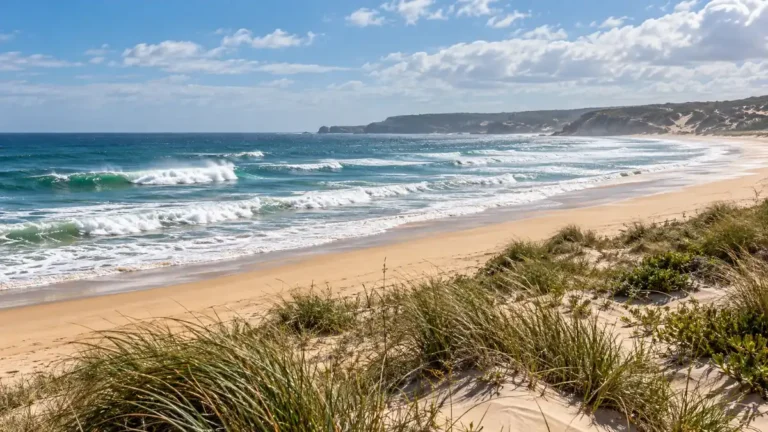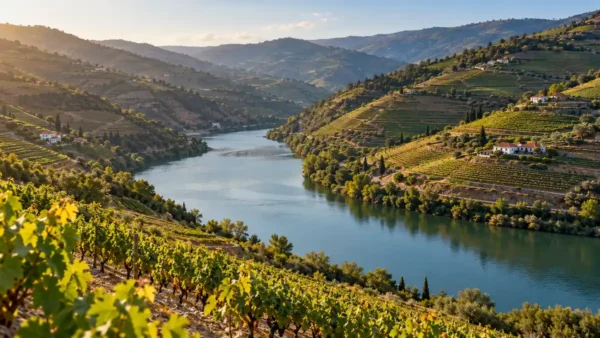
The Algarve is worth it for a first trip built around cliffs, coves and island beaches under reliable sun. The real decision is which stretch you base on: the west around Lagos suits most first-timers, the calmer east around Tavira suits a slower trip, and a week lets you do both. The one variable that reshapes the plan is the car. The coastal rail line makes a car-free trip workable between towns, while a car opens Sagres, Monchique and the small coves.
This guide settles the trip shape (stretch, length, base, season, transport and spend style) and sends you to the detailed Algarve pages for everything below that level.
The Algarve Decisions, Briefly
- Base in the west around Lagos for the most varied coast on a first trip, or in the east around Tavira for a slower pace and island beaches.
- Five to seven days covers a first visit, and a shorter stay of three or four days works best kept to one stretch, ideally the west.
- Past about five days, a second base in Tavira beats commuting from Lagos, because the two halves of the coast feel like different holidays.
- The coastal train makes a car-free trip workable between the towns, but Sagres, Monchique, the Costa Vicentina and the small coves need a car, even if only for a few days.
- May, June and September give warm days and a swimmable sea without the high-summer crush, and September keeps the sea’s summer warmth after the crowds leave.
Is the Algarve worth visiting on its own?
Yes. The Algarve holds up as a standalone trip of several days because its coast changes enough from west to east to fill them. It is best known for the golden cliff coast and sheltered coves of the west, the barrier-island beaches of the Ria Formosa in the east, and a mild, sunny climate across the year. It suits a city-and-museum trip less: the towns are small, and the draw is outdoors.
The region works best for couples, walkers, beach travelers and golfers. Fresh fish and seafood are a draw in their own right. Families do well here too, though their logistics differ (see the FAQ below). Anyone whose ideal trip is galleries, nightlife districts and a new neighbourhood every evening will find the Algarve thin after a few days.
As an add-on, the Algarve pairs most naturally with Lisbon or with the Alentejo, the quieter region directly north; the Alentejo travel guide covers that leg. The other regions answer different trips. The Douro Valley guide is for a wine valley, the Minho guide for the green north, and Portugal’s islands for an island trip of their own. If you are still weighing regions, start with the best places to visit in Portugal.
Pairing the Algarve with Lisbon only works well when the coast gets the longer share of the trip: a short Algarve tail after a long city stay usually ends up as two beach days and a lot of train.
Which Part of the Algarve Fits You: West, Central, East or Inland
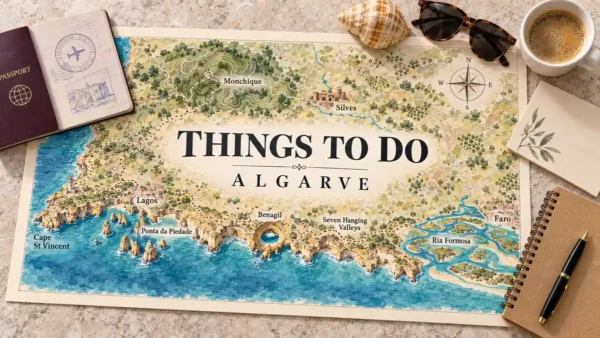
The west (Barlavento) is for cliffs, coves and surf, with Lagos as the base. The central coast is the busiest resort stretch, with easy day trips in both directions. The east (Sotavento) is for calmer towns and the Ria Formosa islands, with Tavira as the base. Inland is day-trip territory in the hills, not a first base. The Barlavento/Sotavento split is the same one the regional rail line runs along, and Faro sits on the eastern side as the airport gateway.
The regional board adds a second map running north from the sea: the coast, the barrocal transition zone of orchards, and the serra uplands, which cover about half the territory.
| Stretch | Character | Anchor experience | Natural base | Suits |
|---|---|---|---|---|
| West (Barlavento) | Golden cliffs, coves, surf | Ponta da Piedade, Sagres and Cape St Vincent | Lagos | First-timers wanting the most varied coast |
| Central coast | Developed resort coast | The Benagil shore seen from the water | Albufeira or Carvoeiro area | Lively evenings and short hops both ways |
| East (Sotavento) | Calmer towns, lagoon and islands | Ria Formosa barrier-island beaches | Tavira | A slower, more local pace |
| Inland | Barrocal orchards and serra hills | Silves, Monchique, walking routes | None (day trips) | Drivers adding variety to a coast stay |
The West: Lagos, Sagres and the Cliff Coast
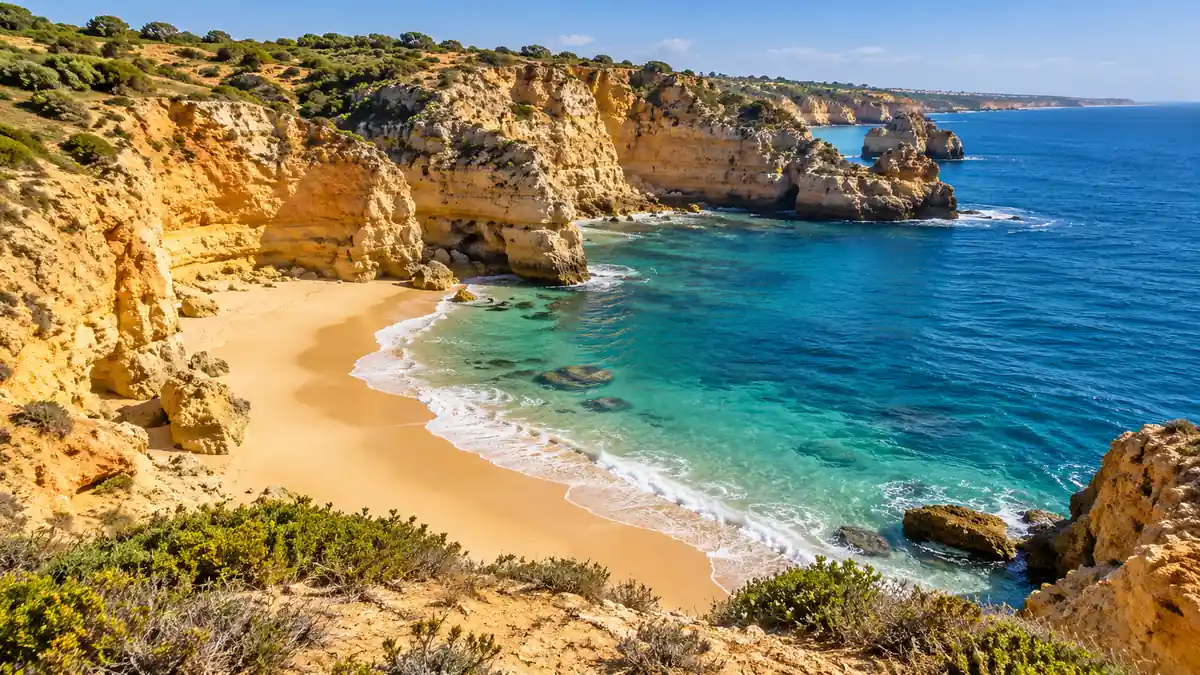
The west is the strongest single stretch for a first trip because it packs the most variety into the shortest distances. Lagos sits at its centre: a historic town tied to Portugal’s age of the Discoveries, with cliff-backed beaches close to town. The Lagos travel guide covers the town itself.
Ponta da Piedade, on the coast by Lagos, is the headland most visitors picture when they think of the Algarve: eroded rock stacks, arches and grottoes below the cliffs. The formations show best from sea level, so it is worth taking to the water; you can book a boat trip from Lagos.
Paddling is the slower way to see the same coastline. Guided kayak trips along the Lagos shore keep you close to the rock, and joining one is the easy way to reserve a paddle without your own gear.
Further west, Sagres is the wilder alternative to Lagos: smaller, more exposed, closer to the surf. Cape St Vincent beyond it closes the south coast. North of the cape the shore turns into the Costa Vicentina, a rugged Atlantic edge walked on the Rota Vicentina trails. This end of the west is car territory; the rail line stops at Lagos.
Choose the west if you want the most varied coast from one base, with town life in the evening and a different cove each day.
The Central Coast: Albufeira, Carvoeiro and the Benagil Shore
The central coast is the Algarve’s most developed stretch. Albufeira and Vilamoura carry the big resort development, and Portimão is a busier working town. The Albufeira guide covers that town in detail.
The Benagil sea cave is this stretch’s signature sight, and it is seen from the water. Boat trips from Portimão are the classic way to reach it along the cliffs, and guided kayak trips are the quieter option. Plan it as a boat outing, not a beach stop.
The central position is the practical argument for basing here: day trips run both ways, west to Lagos and east to Faro, with no long return legs. It suits travelers who want lively nights, plenty of restaurants and short hops in either direction.
The East: Tavira, Olhão and the Ria Formosa
The east is the Algarve at a slower, more local pace. Tavira is its natural base, a town known for its traditional architecture. Faro’s historic centre and Olhão are transport-friendly alternatives, both on the rail line.
The Ria Formosa defines this coast. Barrier islands sit between the lagoon and the open sea, and their beaches are the east’s answer to the western coves. Boat trips through the lagoon also run for wildlife watching. For how these island beaches compare with the rest of the coast, see the best Algarve beaches.
Base in the east if you prefer quiet evenings, a lived-in town and island beaches to dramatic cliffs.
Inland Algarve: Silves, Loulé and the Serra de Monchique
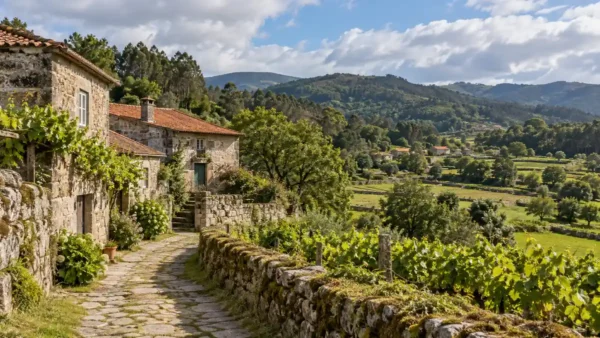
Inland is worth a day or two, not a base, and it needs a car. The barrocal behind the coast grows oranges, figs, carob and almonds, and turns out medronho, honey and cork; the serra beyond rises through the ranges of Espinhaço de Cão, Monchique and Caldeirão. Towns such as Loulé give a coast trip a change of scene, and the hidden gems in the Algarve covers the quieter corners.
- Silves, for the Arab past still legible in the town.
- The Serra de Monchique, the Algarve’s high ground at 902 m, with its thermal baths.
- The Via Algarviana, a walking route of about 300 km from Alcoutim to Cape St Vincent, plus the Algarvensis geopark over Loulé, Silves and Albufeira, an aspiring UNESCO Global Geopark.
Tours and activities
Book skip-the-line tickets, day trips and local tours with free cancellation on most activities.
You can also browse everything on getyourguide.com.
Tripstou may earn a commission if you book through this link, at no extra cost to you.
How many days do you need in the Algarve?
Five to seven days covers a first trip properly. Three days works if you stick to one stretch, ideally the west. Longer stays add the inland hills and the Costa Vicentina without rushing the coast.
- Three or four days: one stretch from one base. Lagos is the strongest pick, with Ponta da Piedade, a boat outing and a trip out to Sagres. Right for a long weekend or the tail of a Lisbon trip.
- About a week: the west plus the east, or the west plus a central boat day to Benagil. Enough to see how different the two halves feel, and the shape most first-timers should aim for.
- Ten days or more: both halves at an easy pace, with inland days in Silves and Monchique and a stretch of the Costa Vicentina. Walkers, drivers and anyone treating the Algarve as the whole holiday get the most from it.
A day here goes further than the map suggests if you keep it to one area: a morning on the water, a beach afternoon and an evening in town. Crossing the whole region in a day mostly buys time in transit. The Algarve itinerary turns these lengths into day-by-day routes.
Start in Lagos, Then Decide Whether the East Earns a Second Base
One base in Lagos is the strongest first-trip shape for up to about five days. For a week or more, split it: Lagos for the west, then Tavira for the east, because the coast is long and the two halves feel like different holidays. Packing up once costs you half a morning; staying at one end and commuting to the other costs hours on the road or the train every day you cross.
A central base around Albufeira or Carvoeiro makes sense instead when you want one bed for the whole trip with day trips in both directions, or when you are car-free and want short hops. The trade is character: the central coast is the most built-up stretch, and evenings there feel like a resort, not a town. Area-by-area choices are in where to stay in the Algarve.
When the Algarve is the last leg after Lisbon, the shape changes. Trains from Lisbon run to Faro, which makes the east the easier first stop and Lagos the finish. The wider routes are in the Portugal itinerary, with fixed-length versions: a 7-day Portugal itinerary, 10 days in Portugal and a two-week Portugal itinerary.
Hotels and places to stay
Compare hotels, apartments and stays for your dates in one search.
Search hotels and stays on hotels.com →
Tripstou may earn a commission if you book through this link, at no extra cost to you.
Late Spring and September Are the Algarve’s Best Windows
May, June and September give warm days and a swimmable sea without the high-summer crush. Summer is the hottest and busiest season. Winter is mild but quieter, with most of the year’s rain falling between November and March.
The regional board’s averages put summer air temperatures at 24–29 °C and winter at 15–18 °C, with the sea at 21–24 °C in summer and 15–19 °C in winter. Its count of over 3,000 hours of sunshine a year explains why the region draws visitors in every season. September is the window that combines both advantages: the sea keeps its summer warmth after the peak crowds have left.
Off-season trips trade beach time for space. Some seasonal businesses close in winter, so the larger towns make better winter bases. Month-level planning for the whole country is in the best time to visit Portugal, and the Portugal packing list covers what to bring for each season.
Do you need a car in the Algarve?
Not if you hop between the coastal towns on the rail line. Yes if you want Sagres, Monchique, the Costa Vicentina or the small coves between the towns.
The Linha do Algarve runs 140 km from Lagos to Vila Real de Santo António, linking the Barlavento to the Sotavento. The line is electrified end to end, and direct trains run its full length with no change at Faro. Albufeira’s station is named Albufeira – Ferreiras. From Lisbon, Intercidades and Alfa Pendular trains run to Faro, which is also the region’s international airport gateway.
| Stretch | Time by train (about) | What it links |
|---|---|---|
| Lagos–Faro | About 1 h 30 on Regional trains; InterRegional a little quicker | The western base to the airport gateway |
| Faro–Tavira | About 35 minutes | The gateway to the eastern base |
| Tavira–Vila Real de Santo António | About 25 minutes | The eastern base to the end of the line |
Vamus Algarve runs the regional buses, including an express between Faro and Lagos (line 57). With a car, the A22 (Via do Infante) and the N125 are the main roads; the A22 uses electronic tolls, which is something to sort with the rental company. The getting around the Algarve guide covers airport transfers, timetables and fares.
The most efficient pattern for many trips is car-free on the coast with a car for only part of the stay: rent in Lagos for Sagres and the Costa Vicentina, return it, and ride the train east. If the Algarve is one stop on a longer loop, the Portugal road trip and Portugal by train show how each choice plays out nationally.
Is the Algarve expensive?
The Algarve can be done on a tight budget or at full resort level. High summer and a rental car are the two biggest levers on the bill, and both are choices you control.
A tight trip here means a self-catering apartment, trains between the coastal towns and beach days that cost nothing. Simple restaurants keep food spending low, and the region is kind to this style because its best sights are cliffs, coves and walking paths.
The comfortable middle buys a guesthouse or apartment in Lagos or Tavira, a few boat trips, and a car for the days that need one. Fresh fish in a simple restaurant is the meal most travelers remember, and it does not require a high-end budget.
The high-end style buys resort or golf stays, a car throughout and private boat tours along the cliffs. Summer is where this style pays most, because demand peaks across the resort coast.
Daily figures by spend style are on the Algarve trip cost page, the national picture is in the cost of a Portugal trip, and the Portuguese food guide explains what to order.
How This Guide Was Checked
This page helps you pick your stretch of the Algarve, how long to stay, where to base and whether to drive; it is not a Lagos or Albufeira city guide, a day-by-day itinerary, or the detailed guide to stay areas and transport.
Alex Perrut, working in tourism since 2015, went over this regional planner for the Tripstou editorial team after it was written with AI assistance. How we work is set out in our editorial process.
Official sources consulted: Visit Algarve, CP (Comboios de Portugal), Visit Portugal.
More Algarve Questions
Is the Algarve good in winter?
Yes, if the trip is built around walking, golf and quiet towns, not swimming. With the sea at 15–19 °C in winter by the regional board’s averages, most visitors stay out of the water, but the mild, sunny days suit the inland Via Algarviana, coastal walks on the Rota Vicentina and the region’s golf courses. Treat a winter stay as a walking and town trip with the beaches as scenery.
How do you see the Benagil cave?
From the water, on a boat trip or a guided kayak trip. Boats run along the cliffs from Portimão, Albufeira and Lagos and cover more of the coast in one outing; a guided kayak trip is slower and keeps you close to the rock, so it suits travelers for whom the paddling is part of the appeal. For the region’s other outings on the water and along the coast, see things to do in the Algarve.
Is the Algarve good for families?
Yes. Sheltered coves, island beaches and water parks such as Slide & Splash in Lagoa and Zoomarine in Guia give children plenty to do between beach days. Bases, beach choice and day outings with children are covered in the Algarve with kids.
Keep Planning Portugal
- Best beaches in Portugal: how the Algarve’s coast compares with the rest of the country’s shoreline.
- Portugal travel guide: the country-level plan the Algarve fits into.
- Portugal packing list: what to bring for beach days, cliff walks and cooler winter evenings.
- Scams to avoid in Portugal: the tourist traps worth knowing before you arrive.
- Solo female travel in Portugal: safety guidance for women travelling alone.
Did this guide save you time or money? Tripstou is independent and reader-funded — if you'd like to give something back, you can support the site with a crypto contribution of any size.