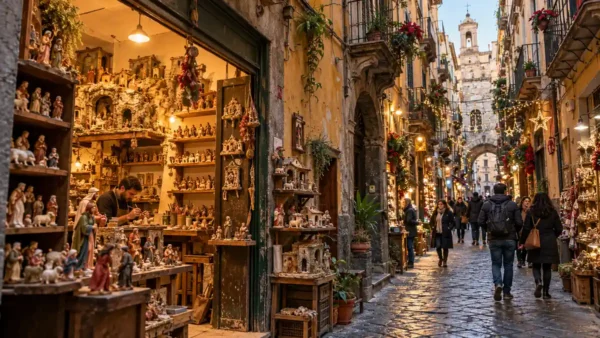
Turin is the big Italian city most first-time planners leave off the route, and for many travelers that is a mistake. The city holds the Museo Egizio, the Mole Antonelliana, long arcaded streets and a café and aperitivo culture with deep local roots. It also draws a fraction of the crowds that fill Florence and Venice.
This guide settles the planning decisions in order: whether Turin is worth it for you, how many days it needs, when to go, which part of the city to base in, how to arrive from the airport or Milan, how to get around, which spend style suits it, what to eat, and which Piedmont day trips work from the city. It is Tripstou’s hub for Turin. The itinerary, the where-to-stay resolution and the full sight list each live on their own page, linked from the sections below.
Quick Answer
Turin is worth visiting for world-class museums, Savoy palaces and café culture, with fewer crowds than Florence or Venice. Two to three days is right: one day cannot fit the Museo Egizio and the centre; a third needs a day trip. Base in the walkable centre. Turin suits travelers who put culture and food above postcard icons.
Trust Layer
Tripstou city guide for travelers planning a city trip. Covers trip length, stay style, season, cost, and mobility tradeoffs.
Produced with AI assistance and reviewed by Alex Perrut, working in tourism since 2015, for the Tripstou editorial team. See our editorial process for details.
Last factual review: September 19, 2026.
Official sources consulted: Italia.it, ENIT — Italian National Tourist Board, Torino Airport, Museo Egizio.
Key Takeaways
- Turin suits travelers who rank museums, Savoy palaces and café culture above postcard icons, and it draws far fewer crowds than Florence or Venice.
- Plan two to three days: the Museo Egizio and the centre fill one, and a third day only pays off with a Piedmont day trip.
- Museo Egizio tickets are sold online only and every visit needs a booked time slot, so fix that entry before planning anything else.
- From Turin Airport, the regional train to Porta Susa takes about 30 minutes and costs €3.70, avoiding road traffic into the city.
- Base in the walkable historic centre for a first visit; choose San Salvario for nightlife or Crocetta for quiet residential streets.
- Late spring and early autumn suit Turin best, while winter costs the city little because its museums and historic cafés carry the days.
Table of Contents
Is Turin Worth Visiting?
Turin is worth visiting for travelers who want museums, royal architecture and food culture without Florence-scale crowds. The city holds the Museo Egizio, the Mole Antonelliana and long arcaded streets. The tradeoff is fewer postcard icons: Turin reads as an elegant northern city, not the Italy of hill towns and canals.
Turin rewards a specific kind of trip. Museum-led travelers get one of the world’s great Egyptian collections, a cinema museum inside the Mole and a royal palace circuit, all in one walkable core. Food-led travelers get historic cafés, a chocolate tradition and an aperitivo culture the city treats as its own. Slow travelers get a city that still runs mostly for the people who live in it.
Skip it on a first week in Italy if you are chasing the famous images. Rome, Florence and Venice deliver those; Turin does not try to. Among Italian cities, Turin belongs with the rewarding second stops that repay travelers who already know the headline names — weigh it against the rest in the best places to visit in Italy.
Turin works best as the second or third Italian trip, or as the northern stop that replaces an extra day in Milan. Travelers who arrive with that expectation rarely leave disappointed.
What Turin Is Known For
Turin is known for the Museo Egizio, the Mole Antonelliana, its Savoy royal palaces and its arcaded café culture. The city was the first capital of unified Italy and the seat of the Savoy dynasty, and that past built the grand piazzas and covered walkways that still shape how visitors move through the centre.
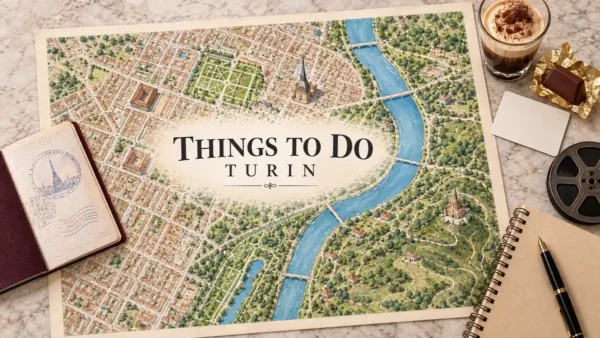
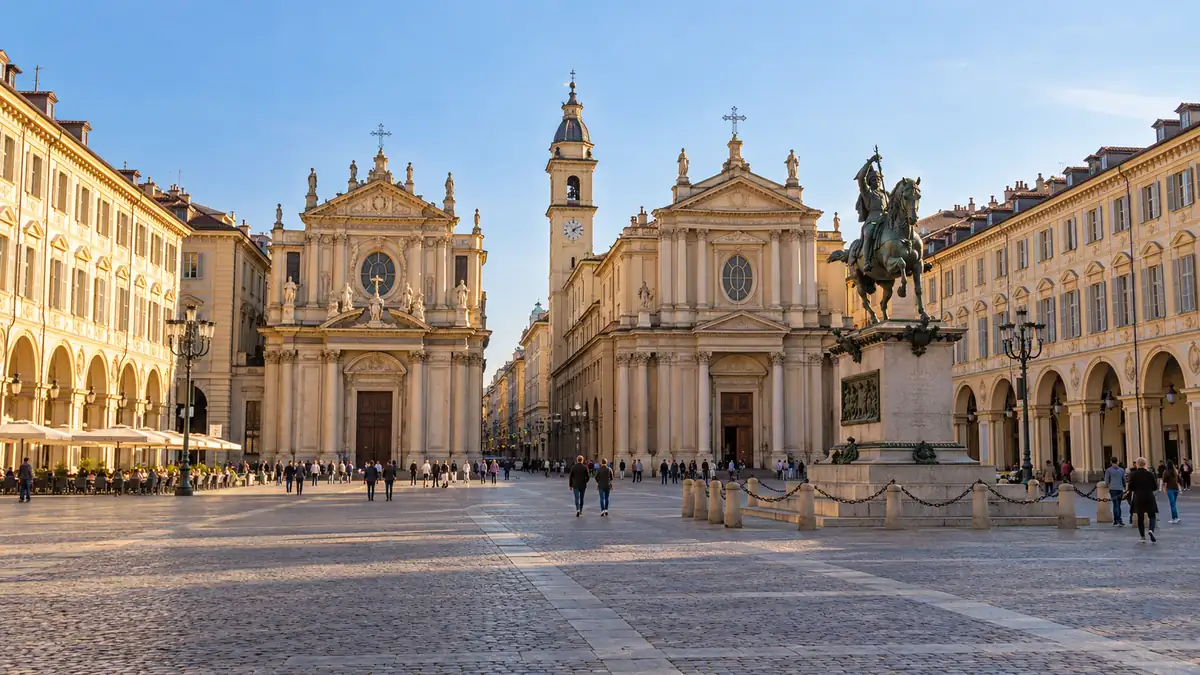
The rest of the city’s identity is quickly named. Palazzo Reale anchors the Royal Museums on Piazza Castello, where Palazzo Madama stands in the middle of the square. The Duomo keeps the Shroud of Turin. It is rarely on display. Piazza San Carlo is the formal drawing room of the centre, the Via Po arcades run down to the river, and Parco del Valentino follows the bank of the Po. The Quadrilatero Romano holds the old Roman grid of lanes, and the Basilica of Superga watches the city from its hill across the river.
Museo Egizio tickets are sold online only, and every visit needs a booked time slot. Holders of the Torino+Piemonte Card still reserve a free card entrance slot online. Which sights earn your hours, and how each is best visited, are resolved in the full guide to things to do in Turin.
Tours and activities
Book skip-the-line tickets, day trips and local tours with free cancellation on most activities.
You can also browse everything on getyourguide.com.
Tripstou may earn a commission if you book through this link, at no extra cost to you.
How Many Days You Need in Turin
Two to three days is right for a first visit to Turin. The Museo Egizio and the historic centre fill one full day, a second day covers the Mole, the royal palaces and the riverside, and a third only pays off when it carries a day trip into Piedmont.
| Traveler type | Recommended length | What that length buys |
|---|---|---|
| Museum-first traveler | Two full days in the city | Museo Egizio, Royal Museums and the cinema museum, unhurried |
| First-timer adding one day trip | Three days, one spent out of town | The full centre plus Superga, Venaria or the Sacra |
| Slow food-and-café traveler | Three or four unhurried days | Long café mornings, aperitivo evenings and one Langhe day |
| Northern-route stopover | Two nights between other cities | The Egizio, the arcaded centre and one aperitivo evening |
One day is too thin. The Museo Egizio alone absorbs a morning or more, and a day built around it leaves the Mole, the palaces and the arcades as a hurried walk-past. Travelers with a single day should choose between the Egizio and the centre instead of attempting both.
More than three days works only with a purpose: day trips into Piedmont, a wine day in the Langhe, or a deliberately slow café pace. Without one of those, a fourth day repeats the third.
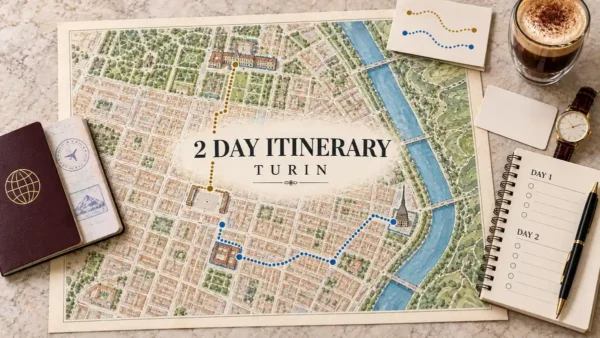
Book the Egizio slot first and build the trip around it. Everything else in the centre flexes around that one fixed entry time, which is why it sets the shape of the whole stay. The day-by-day version of a short visit is laid out in our plan for 2 days in Turin.
When to Visit Turin
Late spring and early autumn are the best times to visit Turin. Walking weather suits a city explored on foot under its arcades, café terraces fill, and clear days bring the Alps into view at the end of the long straight streets. Summer and winter both work, with sharper tradeoffs.
- Spring: the strongest all-round window, with comfortable walking, full terraces and the parks along the Po at their best.
- Summer: long evenings and outdoor aperitivo, but heat makes midday walking hard, and in August many residents leave and some shops and restaurants close.
- Autumn: the second lead window, with mild days and the Piedmont harvest and truffle season in the Langhe.
- Winter: cold and often grey, but the city’s museums and historic cafés carry the days, and hot chocolate season suits it.
August is the month to think twice about. Turin is a working city, and when residents head for the coast and the mountains the centre loses part of what makes it good. Winter hurts Turin far less than it hurts coastal or hill-town Italy, because the city’s best hours are spent indoors anyway. For seasonality across the country, see the best time to visit Italy.
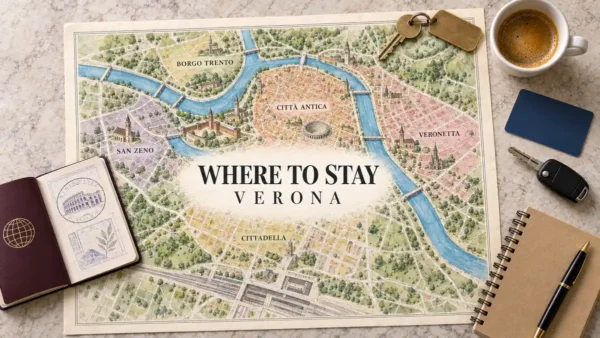
Where to Stay in Turin
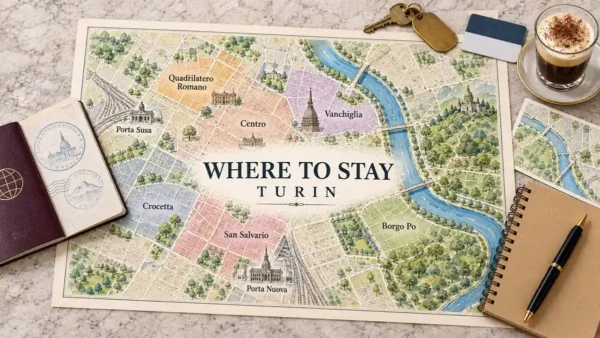
For a first visit, stay in the walkable historic centre around Piazza Castello and the Quadrilatero Romano. Museums, arcades and cafés sit within walking distance, so most days need no transit. Choose San Salvario for livelier evenings, or Crocetta for a quieter residential stay a little further out.
| Area | Who it suits | Tradeoff |
|---|---|---|
| Centro and Quadrilatero Romano | First-time visitors who want everything on foot | Busiest streets, and central rooms book up first |
| San Salvario | Travelers who want bars and a lively evening scene | Late-night noise on the busiest nightlife streets |
| Crocetta | Travelers wanting a quiet, elegant residential base | A longer walk or short ride to the sights |
| Along the Po | Travelers who value river walks and Valentino park | Some stretches sit a longer walk from the museums |
Station choice follows the same logic. Porta Nuova sits at the southern edge of the centre, between the core and San Salvario, and handles many rail arrivals. Porta Susa, on the western side, is where the airport train arrives. Both are walkable to the core.
San Salvario’s appeal and its drawback are the same thing: the bars that make evenings easy are the noise under the windows. Light sleepers who want the nightlife should base in the centre and walk over. Streets, areas and specific stays are resolved in where to stay in Turin, area by area.
Hotels and places to stay
Compare hotels, apartments and stays for your dates in one search.
Search hotels and stays on hotels.com →
Tripstou may earn a commission if you book through this link, at no extra cost to you.
How to Get to Turin
Fly into Turin Airport and take the regional train to Porta Susa, or arrive by high-speed rail from Milan. The airport train runs from a station opposite Arrivals, takes about 30 minutes and costs €3.70. Porta Nuova and Porta Susa are the city’s two main stations, and both sit close to the centre.
- Airport train: the Trenitalia regional service from Torino Aeroporto to Porta Susa, the default for most air arrivals because it avoids road traffic.
- Airport bus: airport buses also run to Porta Nuova and Porta Susa, which suits travelers basing near Porta Nuova.
- Rail from Milan: a short high-speed hop, and the usual onward leg for long-haul travelers who land in Milan.
Many long-haul travelers land at Milan Malpensa instead, because Turin Airport has a smaller international schedule. The usual route then runs into Milan and on to Turin by high-speed train. That makes Turin an easy addition to a northern route — see how to build an Italy itinerary for where it fits.
On a two-day Turin trip, the Milan connection from Malpensa eats a real share of the visit. Check flights into Turin Airport before defaulting to Malpensa. Arriving from outside the EU? Documents, entry and country-level logistics are covered in the Italy travel guide.
How to Get Around Turin
Turin’s flat, arcaded centre is best covered on foot, with the metro and trams for outer sights. The historic core follows a compact grid, and covered walkways keep walking comfortable in rain or sun. Driving is the choice to avoid, because the ZTL restricted-traffic zone limits cars in the centre.
- Walk: the default for the centre, the Quadrilatero, Via Po and the riverside, with the Po bridges the only real distances.
- Metro, trams and buses: for the stations and the outer edges. Contactless bank cards work on the metro and on marked buses and trams. The metro has one line, so trams and buses do most of the outer work.
- Car: a liability inside the city, useful only for the Langhe and rural Piedmont, and best parked outside the ZTL.
Three places push most visitors onto transit. Superga sits on the hill across the Po, the Reggia di Venaria lies just north of the city, and the far end of Parco del Valentino is a long walk from the core. Everything else in a first visit is on foot.
The ZTL is why a car costs more than it saves here. The zone restricts traffic in the historic centre, and cameras at its entry points enforce it. Pick up a rental car on the day you leave for the Langhe, never on arrival.
How Much a Turin Trip Costs
Turin costs noticeably less than Venice, Florence or Rome for the same quality of stay and food. Fewer tourists keep room demand lower, and the café and aperitivo economy serves locals first. Museum-heavy days are the exception, because ticketed collections become the fixed cost of the trip.
- Budget: guesthouses or apartments in San Salvario or near the stations, bakery and market lunches, aperitivo as dinner, everything on foot. Turin is kind to this style, since an aperitivo buffet stretches a small budget further than in the tourist-heavy cities.
- Mid-range: a small hotel in the centre or Crocetta, sit-down Piedmontese dinners, one or two museums a day. This is Turin’s sweet spot, with quality meals at prices Venice and Florence rarely match.
- High-end: a palazzo hotel near Piazza Castello, tasting menus and a private driver into the Langhe for cellar visits. The top tier buys more here than in Venice, and the wine-country day is where it spends most.
The budget lever is the museum count. Walking is free and evenings can run on aperitivo, but each paid collection adds up across a museum-led stay — the point at which checking whether the Torino+Piemonte Card fits your plan starts to matter. For daily figures at country level, see the cost of a trip to Italy.
What to Eat in Turin
Turin’s food identity is chocolate, historic cafés and aperitivo — bicerin, gianduiotto and an evening drink with a buffet. Behind them sits the Piedmont kitchen of vitello tonnato and agnolotti. That identity shapes the day: mornings start in cafés, and evenings are aperitivo-led before dinner, or instead of it.
- Bicerin: layered coffee, chocolate and cream, served in a small glass.
- Gianduiotto: the boat-shaped chocolate made from cocoa and hazelnut.
- Vitello tonnato: thin cold veal under a creamy tuna sauce, a classic Piedmont starter.
- Agnolotti: small stuffed pasta parcels, the region’s signature first course.
- Aperitivo: an early-evening drink served with food, often from a buffet.
Plan meals around the city’s rhythm. A mid-morning café stop, a light lunch and a long aperitivo leave room for one proper Piedmontese dinner a day. Booking a heavy dinner every night fights that rhythm, because in Turin the aperitivo already does half the work.
Day Trips From Turin, Ranked by Access
Superga and the Reggia di Venaria are Turin’s easiest day trips, both on or just beyond the city’s edge. The Sacra di San Michele takes a train plus a shuttle or hike, and the Langhe wine towns around Alba work best by car or tour. Access mode, not distance, decides which trips fit.
- Superga: the basilica on Turin’s hill across the Po, with a wide view over the city towards the Alps. A half-day that barely leaves town.
- Reggia di Venaria: the Savoy hunting palace and gardens just north of the city, reachable by public transport. A full day for palace-and-garden travelers.
- Sacra di San Michele: the abbey on a rocky peak above the Susa Valley. Take the train to Avigliana or Sant’Ambrogio, then a seasonal shuttle or a steep hike up.
- Langhe and Alba: vineyard hills and wine villages south of Turin. Slow by public transport, so go by car or on a tour and treat it as a dedicated wine day.
The Sacra is the trip most visitors underestimate. The train does only part of the work, and the final climb to the abbey decides how the day goes. What to see at each stop is covered in what to do in Turin and around it.
Frequently Asked Questions
Do you need to book Museo Egizio tickets in advance?
Yes. Museo Egizio tickets are sold online only, and every visit needs a booked time slot. Treat it as the first booking of the trip, made as soon as your dates are fixed. That entry time then anchors the day, with the Mole, the palaces and the arcaded centre planned around it.
Is Turin walkable in rain or cold weather?
Yes. Turin’s historic centre is flat and lined with covered arcades, so much of the walking between museums, cafés and piazzas stays sheltered in rain or cold. The Via Po arcades run down to the river. Crossing the Po bridges leaves that cover, and outer sights such as Superga need transit anyway.
What does the ZTL mean for driving in Turin?
The ZTL is a restricted-traffic zone covering Turin’s historic centre, and cameras at its entry points enforce it. For visitors, that makes a car a liability inside the city. If your hotel sits inside the zone, ask it how to reach the door by car before arriving, and keep any rental for the Langhe.
Is the Torino+Piemonte Card worth it?
It is worth it for museum-heavy travelers who plan several paid collections and royal residences in a short stay, and less so for a slow café-led trip. Check the card against your own list before buying. Holders of the Torino+Piemonte Card still reserve a free card entrance slot online for the Museo Egizio.
How do you get to the Sacra di San Michele from Turin?
Take a train to Avigliana or Sant’Ambrogio, then a seasonal shuttle or a steep hike up to the abbey. The train covers only part of the trip, so check whether the shuttle is running on your date before going. Without it, wear proper shoes and allow time for the climb.
Can you visit Turin as a day trip from Milan?
You can, but a single day forces a choice between the Museo Egizio and the historic centre. The high-speed hop from Milan is short, yet one day leaves the royal palaces for another trip. Staying one night adds an aperitivo evening, which is when Turin shows its best side.
Related Guides
- Things to do in Turin, resolved sight by sight
- Where to stay in Turin, area by area
- 2 days in Turin, planned day by day
- The best places to visit in Italy
- How to build an Italy itinerary around northern cities
- The Italy travel guide for country-level planning
Did this guide save you time or money? Tripstou is independent and reader-funded — if you'd like to give something back, you can support the site with a crypto contribution of any size.