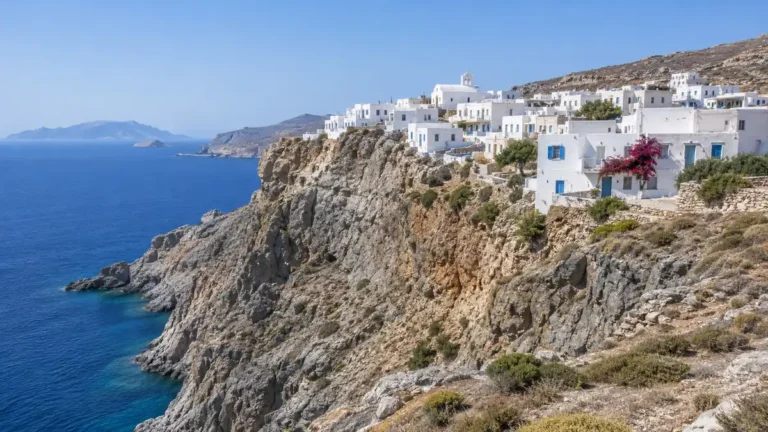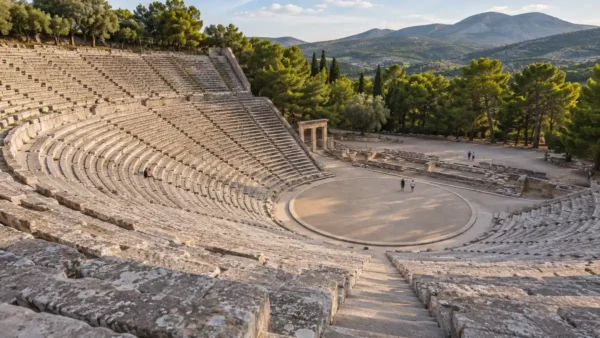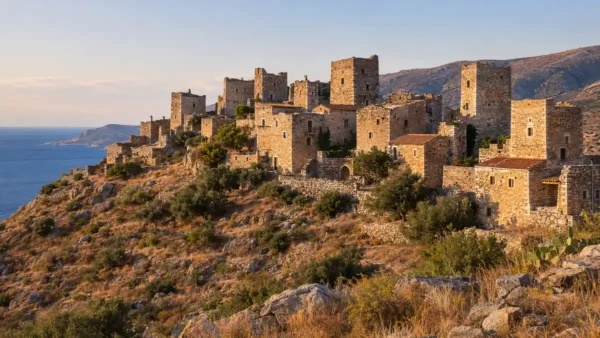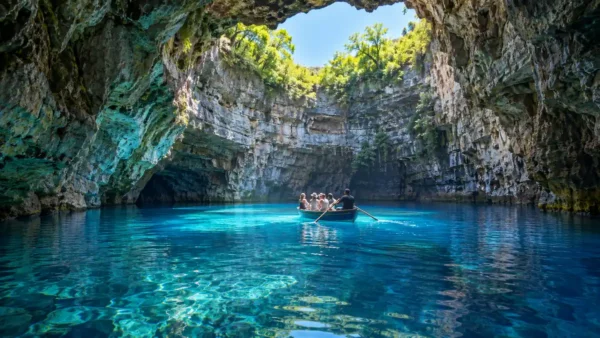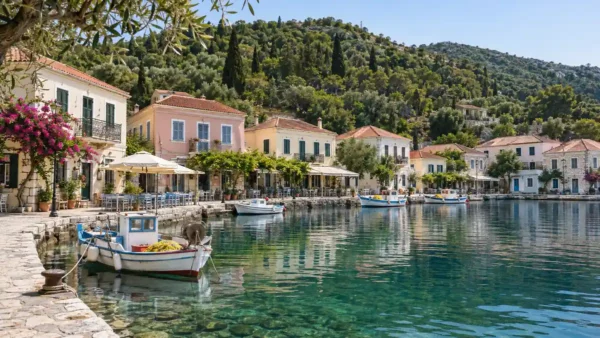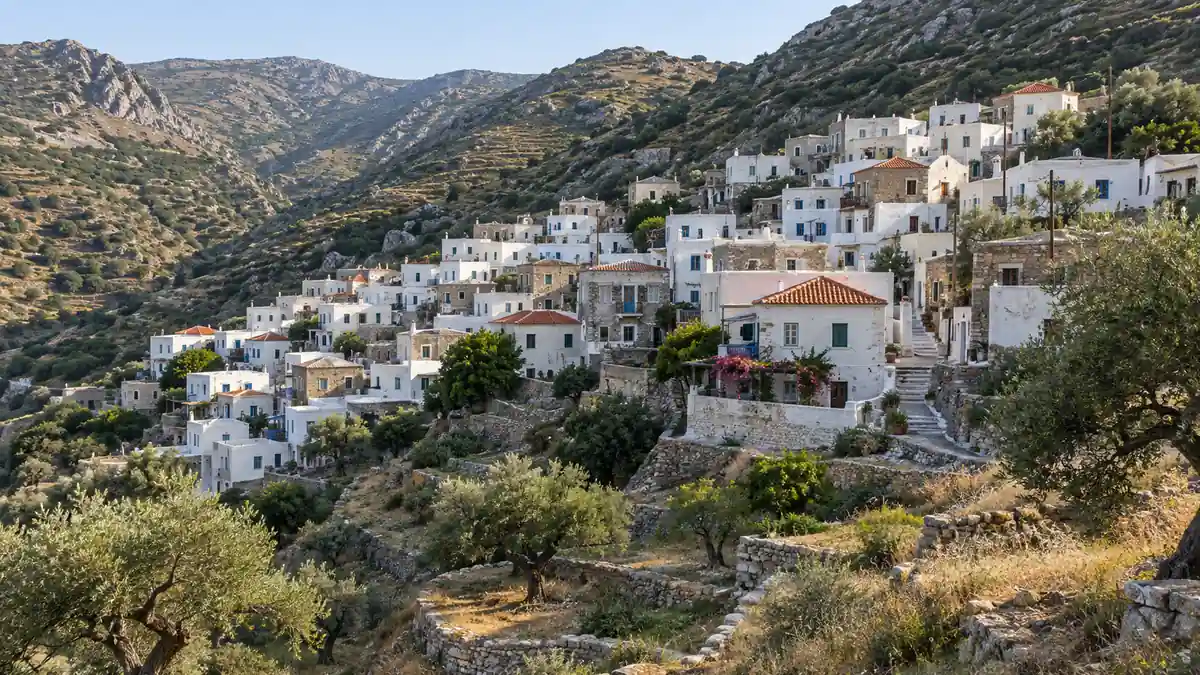
The best of hidden Naxos is the northeast emery villages around Koronos and the quiet east coast below them. These picks suit travelers with a car who are after mountain villages and unorganised beaches, and they are grouped by area: northeast, east coast and deep south. Beach-first travelers on a windy day should head south to Panermos or Kalandos instead.
Most visitors to Naxos spend their days on the west coast, between Chora and the long beaches that run south to Mikri Vigla. The quieter island starts on the far side of the mountains. That is where the emery villages sit above the east coast, where old mining ports turned into swimming coves, and where the road south ends at bays with nothing organised on them.
This guide picks the places in that half of Naxos worth the drive. For each one it covers what the place is, what sets it apart from the other picks, who it suits and the honest trade-off: slow roads, few facilities and, for most of them, a car. You will not find Halki, Apeiranthos or Mount Zas here. They are famous stops, and they belong on the things-to-do page.
The Northeast Emery Villages Are the Strongest Hidden Pick
The emery villages around Koronos are the strongest hidden pick on Naxos. Emery was mined on the slopes of Mt Amomaxis, and that mining landscape exists nowhere else on the island. The villages are lived-in, high and quiet, and they pair naturally with a swim on the east coast below.
The emery villages, known locally as the Smyridochoria, are Apeiranthos, Danakos, Keramoti, Skado, Mesi and, above all, Koronos. The road from Koronos down to Lionas passes mine entrances you can see from the car. Do not enter the galleries unaccompanied. Mine visits happen by arrangement only and are not a walk-in attraction.
Skado is the emery village with a year-round public bus, more frequent in summer. For the other picks, and for any that need a walk, a car makes the day far easier.
The Koronos–Lionas road is the one drive that joins village, mines and sea in a single descent, so the emery picks work best as a loop that ends with a swim.
Koronos
Koronos is the heart of emery country and the most atmospheric village in the northeast. At about 630 m it is the second-highest village on Naxos, with houses stacked up the slopes and stepped lanes running between them.
It stands apart as a working mountain village first, with a daily life that does not revolve around visitors. It also sits at the top of the road down to Lionas, so a morning here and an afternoon on the coast fit one drive. Expect steep steps. This is the stop for the most atmospheric mountain village on the island without a tour-bus crowd in it.
Skado (and the Keramoti–Apollonas road)
Skado is an amphitheatric village built on the slopes of Mt Koronos, on the road between Keramoti and Apollonas. It is the emery village easiest to reach without a car: a public bus serves it year-round, more often in summer.
Its value is position. It breaks the long north loop to Apollonas at a village worth stopping for, and its tiered houses are best seen from the lanes on foot. Mesi and Komiaki lie along the same road; Skado is the one that rewards parking.
Keramoti and the Routsouna Waterfall
Keramoti is a small emery village and the trailhead for the short hike to the Routsouna waterfall. It is the only pick on this page that ends at running water, and the walk shows a green side of the northeast that most visitors never see.
The flow is strongest after winter and spring rain and may run low by late summer, so the walk is most rewarding early in the season. Wear proper shoes and carry water. Nothing at the falls is organised. Come here for a short, green hike that ends somewhere no beach page mentions.
Danakos and the Fotodotis Monastery
Danakos is one of the emery villages, and the fortified Fotodotis monastery stands on the hillside above it. The monastery is reached by an uphill path from the village, so the visit is a walk, not a drive-up.
The reward is the reverse of Keramoti’s: a monastery and a wide view at the top, where the Routsouna walk ends at water. The path climbs all the way, so start early on hot days and carry water. The village itself is small and quiet. Hikers after a monastery view without a full mountain ascent will find it here.
Tours and activities
Book skip-the-line tickets, day trips and local tours with free cancellation on most activities.
You can also browse everything on getyourguide.com.
Tripstou may earn a commission if you book through this link, at no extra cost to you.
The East Coast Beaches Most Visitors Never Reach
Naxos’s quietest beaches sit on the east coast between Lionas and Panermos, below the emery villages. They are reached only by the long, slow road over the mountains, and little or nothing on them is organised. The reward is sand and pebble coves where the crowd from the west coast rarely arrives.
Lionas and Moutsouna were the ports where emery left the island, and both still feel like small working hamlets. Tavernas along this coast are seasonal. The shore faces east, so it catches the wind differently from the west-coast beaches. Plan the day as self-sufficient:
- Water and food, in case the seasonal tavernas are shut.
- Your own shade, since the beaches are unorganised.
- Swim shoes for the pebble coves.
- Fuel before you leave the west coast.
Moutsouna is the hinge of this coast: lunch in the port, then the sand beaches south of it, which turns one mountain crossing into a full beach day.
Moutsouna
Moutsouna is the old emery port at the end of the road from Apeiranthos, now a small harbour hamlet with tavernas. It earns its place as the east coast’s base: the one spot with a harbour and a meal, and the starting point for the sand beaches south of it.
It is distinct because it is a place to sit, not only to swim. The better sand lies south towards Psili Ammos, and the tavernas are seasonal, so outside summer confirm one is open before planning lunch around it. It is the call for a seaside lunch in a working hamlet, not a resort, with a beach afterwards.
Psili Ammos
Psili Ammos is an unorganised sandy beach backed by cedars, on the east coast between Moutsouna and Panermos. The cedars give it natural shade, and the name, which means fine sand in Greek, describes the beach well.
It is the sand pick of the east coast, where Lionas is pebbles and Moutsouna is a harbour. Nothing is organised, so there are no sunbeds or beach bar; bring water, lunch and something to sit on. On a strong north-wind day, the southern bays may be the better swap.
Lionas
Lionas is a pebble beach at the bottom of the road from Koronos, one of the former ports where emery came down to the sea for export. A couple of tavernas sit by the water, which makes it an easy place to spend an afternoon.
Its advantage is the route. The drive down passes mine entrances on the hillside, so village, mining landscape and swim fit one outing. The beach is pebbles, the water tends to be clear, and the tavernas are seasonal. It fits the day that pairs the emery villages with a swim in one drive, for anyone who prefers pebbles and clear water to sand.
Panermos, Kalandos and Agiasos Reward the Longest Drives
Panermos, Kalandos and Agiasos are the remotest beaches on Naxos, and the emptiness is worth the drive. They sit at the ends of the island’s longest, slowest roads. The southern bays also tend to be sheltered when the north wind blows, which makes Panermos and Kalandos the best answer on a meltemi day.
The cost is time. Reaching Panermos or Kalandos from Chora is one of the longest drives on the island, on slow roads through the interior, and nothing at the end is organised. A car is essential.
Agiasos is the exception on distance. It sits at the end of the west-coast road, so it is the remote beach you can reach without crossing the mountains. Check the wind on the morning you go, since shelter in the south is a tendency and the meltemi varies from day to day.
On a meltemi day, the long drive south is the price of a calm swim; on a still day, the east coast gives the same emptiness for less driving.
Panermos
Panermos is a small sandy bay on the remote southeast coast, at the end of a long road. It is the calm-water pick of the south: the bay tends to be sheltered when the north wind blows across the rest of the island.
It differs from Kalandos in scale and mood: a compact cove, where Kalandos feels like the end of the island. Nothing is organised, so pack for the whole day. Leave early. The drive back is as slow as the drive out. A windy day and no objection to a long drive with nothing at the end but the beach make Panermos the right call.
Kalandos
Kalandos is the beach at the south tip of Naxos, reached on a slow road that makes it one of the longest drives on the island. Solitude is the reason to go: few beaches on Naxos feel this far from everything.
It is the most committed pick on this page. The whole day goes on it, and little or nothing is organised. In return it gives the emptiest sand on the list and, like Panermos, a tendency to sit sheltered from the north wind. Give it the day only if you rate solitude above everything and are prepared for the longest drive on the island.
Agiasos
Agiasos is a long, quiet beach at the last stop of the west-coast road, past the resort strip south of Chora. This is the empty beach that needs no mountain crossing, so it fits a west-coast stay without a full day on the road.
Effort is what separates it from Panermos and Kalandos: a shorter drive, on the side of the island you already know. The sand is long and the crowd thin. Facilities are seasonal and limited, so bring water and shade.
Which Hidden Corner of Naxos Should You Choose?
Choose the emery villages for atmosphere, the east coast for beaches, and the south on windy days. Decide first what you want the day to be: a village, a hike, an unorganised beach or a sheltered swim. Then decide how far you will drive, because the remotest picks cost a full day.
Match the pick to the traveler:
- Hikers: Keramoti for the short walk to the Routsouna waterfall, or Danakos for the uphill path to Fotodotis, knowing the waterfall can run low by late summer.
- Village atmosphere and food: Koronos, then lunch down at Lionas or Moutsouna; expect steep lanes and seasonal tavernas.
- Beach-seekers: Psili Ammos for sand and cedar shade, Kalandos for solitude. Nothing is organised, so you bring everything.
- Families: Lionas or Moutsouna, where a taverna sits close to the water, at the cost of a long mountain drive with children in the car.
- Travelers without a car: Skado by public bus, which runs year-round. The bus reaches one village, and the beaches stay out of reach.
- One day only: the Koronos–Lionas loop if you will cross the mountains once, or Agiasos from a west-coast base. Agiasos is the easier day, Koronos the more distinctive one.
| Area | What it is | Car needed | Best for |
|---|---|---|---|
| Northeast emery villages | Mountain villages, mining landscape and short walks | Helpful; a bus serves Skado year-round | Village atmosphere, hikers and food lovers |
| East coast | Former emery ports and unorganised sand or pebble beaches | Yes, over the slow mountain road | Quiet beaches and harbour lunches |
| Deep south | Remote bays at the ends of long roads | Yes, essential for Panermos and Kalandos | Solitude and sheltered swims on windy days |
| Far west | Long quiet beach past the resort strip | Yes, but no mountain crossing needed | West-coast stays that want empty sand |
Families do better on the east coast than in the remote south: a taverna within sight of the water matters more on a day with children than an emptier beach.
The famous mountain villages are a different trip. Halki, Filoti and Apeiranthos, the climb up Mount Zas and the kouroi are among the things to do in Naxos most visitors plan around, and none of them is repeated here. Naxos itself already sits among the best places to visit in Greece; this page covers the half of the island that its fame skips.
These picks stay inside Naxos. For the same kind of quiet on other islands and on the mainland, compare the hidden gems across Greece.
One Area per Day: Fitting Hidden Naxos Around a West-Coast Base
Stay on the west coast and give hidden Naxos one or two full days by car, one area per day, because the far side of the mountains is where the emery villages, the east coast and the deep south sit. The mountain spine that rises behind Chora splits the island in two. The west-coast beach crowd rarely crosses it: the roads are slow and the beaches beyond have nothing organised. That keeps them quiet.
Hidden here means geography. None of these places is unknown to Naxians; they are simply far from where most visitors sleep. Three areas hold the picks:
- Northeast emery villages: stone mountain villages built around the emery mines of Mt Amomaxis, with short walks to a waterfall and a monastery.
- East coast: former emery ports and unorganised sand and pebble beaches below the villages.
- Deep south and far west: the remotest bays on the island, at the ends of the longest roads.
Distance does most of the filtering. Every pick east of the mountains sits at the end of a slow, winding road, and most of the beaches have little or nothing organised, so they suit a day out with your own supplies. Wind matters too. When the north wind blows, some coasts are sheltered and others are exposed, which is why the picks above are grouped by area.
Grouping the picks by area means each day crosses the mountains once, not three times, and a west-coast base keeps evenings, restaurants and the famous beaches close.
A car is the practical key. Skado is the exception: a public bus serves it year-round, more often in summer. The other picks, and every east and south beach, need a car.
Pair the picks like this:
- Northeast day: Koronos and one more emery village, then down the Koronos–Lionas road to swim at Lionas, or on to Moutsouna and Psili Ammos.
- Windy-day swap: when the meltemi blows on the west coast, drive south to Panermos or Kalandos in place of a west-coast beach day.
- Half day: Agiasos from a west-coast base, with no mountain crossing.
Two hidden days beat one rushed loop. The northeast and the south sit on opposite roads, and trying both in one day spends it behind the wheel.
Getting to the island, when to visit and how many days to stay are covered in the Naxos guide, which also sets out how the island fits together.
Checking the Quiet-Side Picks
This page is a curated selection of quieter villages, coves and bays on the far side of Naxos, chosen for how distinct each one is, who it suits and what the drive costs. It is not a guide to the whole island, an itinerary or a round-up of the famous sights and experiences.
This Naxos selection started as a draft produced with AI assistance and was then gone over by Alex Perrut, working in tourism since 2015, for the Tripstou editorial team; the editorial process page has the detail.
Official sources consulted: Visit Greece, Greek Ministry of Tourism, Municipality of Naxos.
Did this guide save you time or money? Tripstou is independent and reader-funded — if you'd like to give something back, you can support the site with a crypto contribution of any size.