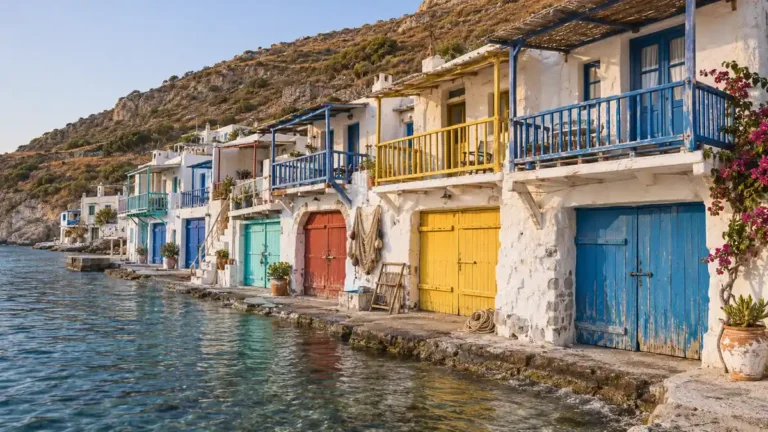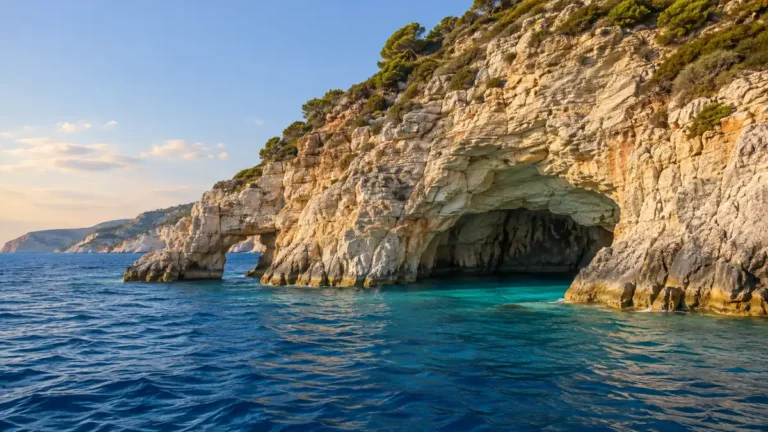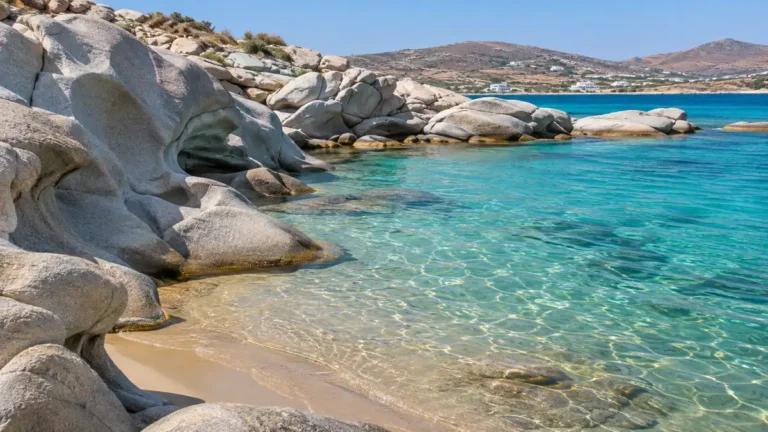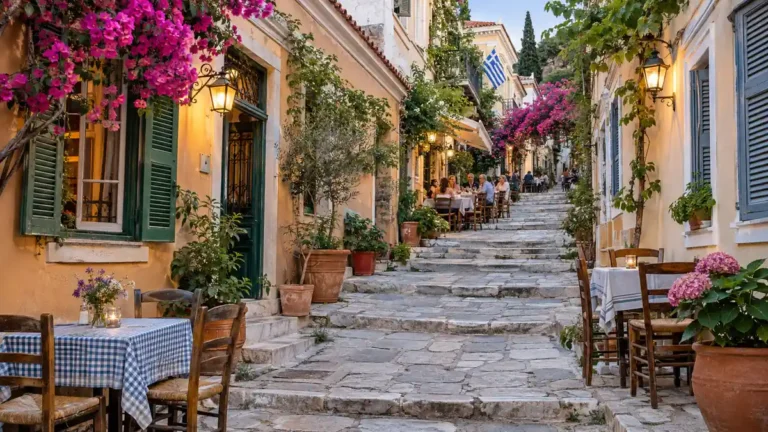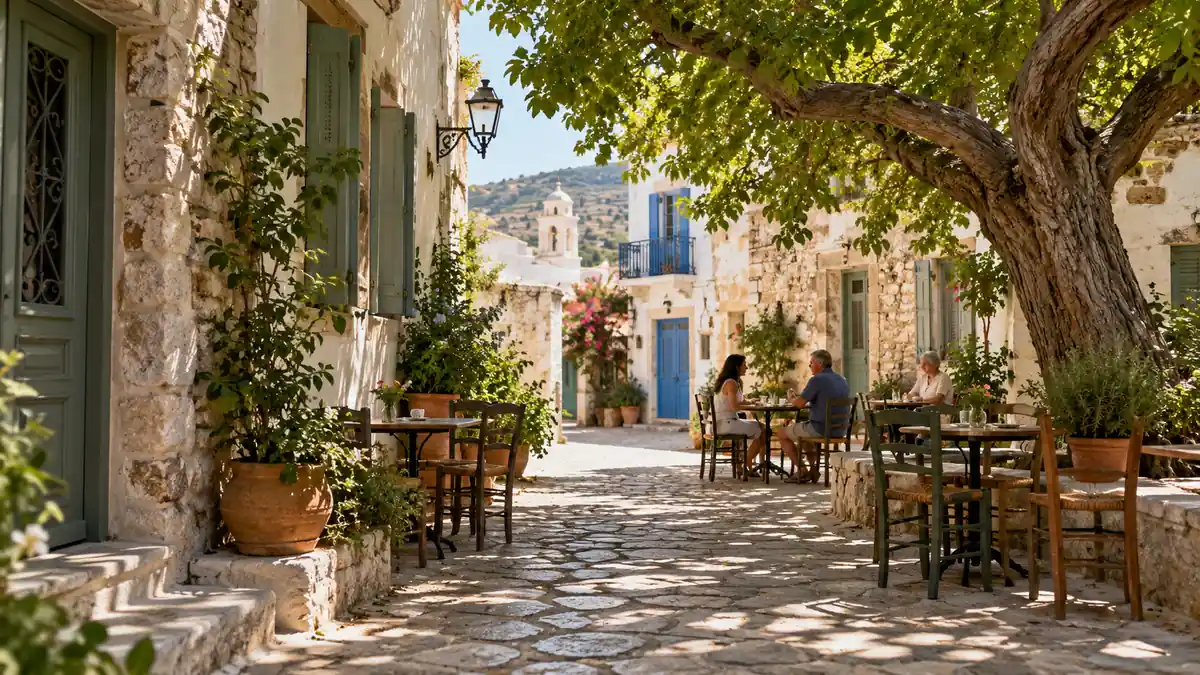
Naxos runs on cash in the villages, shuts for part of the afternoon and lets the wind decide the ferries. What changes the answer is where you spend the day: Chora and the resort beaches take cards widely, while inland villages and hikes need cash, water and an early start. Book peak-summer ferries well ahead, carry cash and water inland, and treat Chora as a morning-and-evening town.
You have chosen Naxos, the ferry or flight is booked or close to it, and some habits from Santorini or Mykonos will not carry over. Naxos is larger and mostly Greek-run, so it keeps its own rhythm once you leave the port. Village tavernas and kafeneia often want cash. Chora’s old town shuts for a stretch of the summer afternoon. The meltemi can cancel a fast boat and make an exposed beach hard work. An inland walk with no shade needs more water than most visitors carry.
This page gathers the small practical things that catch first-timers out, one question per section: money, water, closing hours, ferries and wind, inland days, local manners and what to reserve for peak summer. Every section gives the answer first, then the reasoning, then the guide to open when a decision belongs somewhere else.
What Should You Book Ahead for Naxos in July and August?
In July and August, book ferries, your stay, any sailing trip and a rental car well ahead. They sell out in peak summer, and the best-placed options go first. Everything else (tavernas, beaches, village visits, bus rides) can be decided on the day, which keeps the trip flexible around wind and heat.
Order matters. Each booking below depends on the one above it.
- Ferries: book first, because they fix your arrival and departure; the guide on how to get to Naxos and when to go covers the routes.
- Your stay: well-placed rooms on sheltered stretches go early, so compare the best bases on Naxos once the ferry is set.
- Sailing or boat trip: peak-summer departures fill weeks ahead, and an early slot in your stay leaves room to rebook after wind.
- Rental car: cars get scarce in the peak weeks, so decide whether you need a car on Naxos before you arrive.
Fit the bookings to a plan. A short two-day Naxos stay needs little beyond ferries and a room, while the three-day route with an inland day is where a car earns its place.
Tours and activities
Book skip-the-line tickets, day trips and local tours with free cancellation on most activities.
You can also browse everything on getyourguide.com.
Tripstou may earn a commission if you book through this link, at no extra cost to you.
Should You Book Naxos Ferries in Advance?
Yes, book Naxos ferries well ahead for July and August. Peak-summer sailings fill up, and the convenient departure times go first. When wind is forecast, choose a conventional ferry or a morning sailing, since high-speed boats are the first to be cancelled. Leave a clear day between your last sailing and any onward flight.
The buffer day is the cheapest insurance on an island trip. A cancelled boat means waiting for the next sailing that runs, and a flight out of Athens will not wait with you. Sleep the last night on the mainland. Outside meltemi season, the risk is lower but not zero.
Ferry timing also shapes an island-hop. Put the leg most exposed to wind early in the trip, where a lost day moves your plans without costing a flight.
On a hop to Santorini or Mykonos in August, the slow ferry is often the safer booking. It sails in wind that grounds the fast boat, and the time it costs is counted in hours.
Ticket mechanics such as e-tickets, check-in and port arrival work the same across the country, and the Greece travel habits guide explains them. Fares and ways to spend less on them sit in the Naxos budget breakdown.
How Does the Meltemi Wind Change a Naxos Trip?
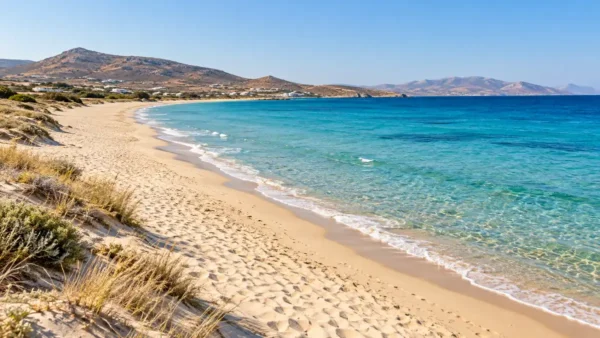
The meltemi decides ferries and beach days on Naxos in July and August. This strong, dry north wind cancels high-speed boats first, while conventional ferries usually keep sailing. It also blows hard across the exposed beaches, so a sheltered stretch of coast and a morning departure are the safer plans.
Read the day before you commit to it. Check the operator’s sailing status the evening before and again in the morning; port agents and your host often know first. Keep a fallback beach in mind. Switch without regret when the wind picks up.
Sailing and boat trips depend on the wind as well. A trip booked for a windy day may be moved or cancelled by the operator.
Book the island’s sailing trip for your first full day on Naxos. A wind cancellation early in the stay can be rebooked; one on the last day simply disappears.
Where you base yourself changes how much the wind bothers you, and the guide to where to stay on Naxos compares the sheltered and exposed stretches of coast.
Do You Need Cash on Naxos?
Yes, carry cash once you leave Chora. Chora and the resort beaches take cards widely, but village tavernas, kafeneia, kiosks, small shops and bus tickets often run on cash. Inland ATMs are few and can run dry in peak season, so draw what you need in Chora before a day in the mountains.
The split follows geography more than the type of business. A taverna on the Chora waterfront and one in a mountain village can serve the same food and still handle payment differently.
| Where you are | Cards | Cash | Best move |
|---|---|---|---|
| Chora and the port | Accepted in most shops, restaurants and hotels | Useful for kiosks and small cafés | Draw cash here before heading inland |
| Resort beaches | Widely taken at hotels and beach bars | Handy for small purchases and stalls | Card is fine; keep small notes spare |
| Mountain villages | Patchy at tavernas, kafeneia and shops | Often the only option at kafeneia | Arrive with enough cash for the day |
| Buses and kiosks | Limited, so do not count on it | Expected for tickets and small buys | Carry coins and small notes |
| Small wineries and farm shops | Taken at some places, not all | Safer for tastings and small purchases | Ask how to pay before you order |
Pay in euros every time. When a card terminal or ATM offers to charge you in your home currency, decline it: that conversion is priced worse than paying in euros and letting your own bank convert. The same applies at hotel desks, car hire counters and the Chora ATMs.
Lunch decides how much cash you need on Naxos. The hotel in Chora bills your card; the village taverna at midday often does not, and the nearest ATM may be back on the coast. Some larger inland villages have one ATM, but many have none.
For what a day on the island adds up to, see the Naxos trip cost breakdown. The national picture of how cash and cards work across Greece sits in the Greece guide.
Can You Drink the Tap Water on Naxos?
On the coast and in Chora, drink bottled water or fill up at the municipal fountains. Most visitors buy bottled for drinking. Carry a refillable bottle, because the fountains in Chora make topping up easy and cut the plastic you buy over a week. In the mountain villages, follow what your host does.
A refillable bottle saves both plastic and errands. Chora’s fountains give you a place to top up, and bottled water sells in every mini-market and kiosk on the coast.
Inland, the question changes. Mountain villages have springs that locals drink from; ask your host or the kafeneio owner which one they use before you fill up.
Carry your water from the start of any inland day. Shops thin out quickly once you leave Chora, and the section on inland days below covers how much to take.
When Does Naxos Shut in the Afternoon?
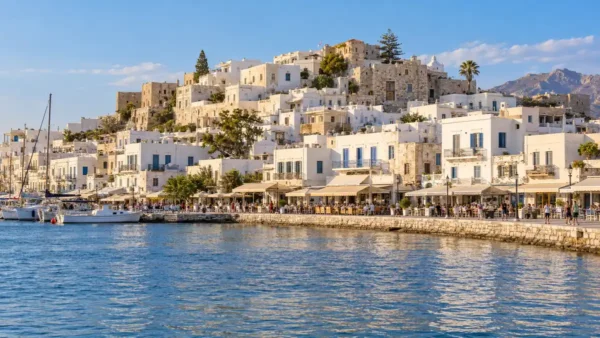
Much of Chora’s old town and the village shops close from early to late afternoon in high summer. Seafront tavernas and beach bars keep going, so the afternoon belongs to the coast. Plan Chora’s lanes, shops and the castle quarter for the morning or the evening, when the town is fully awake.
The rhythm gives the day a natural shape. Mornings suit errands: draw cash, buy supplies and walk the old town before lunch. Mid-afternoon goes to the beach or a long rest. By evening, Chora reopens and the waterfront fills.
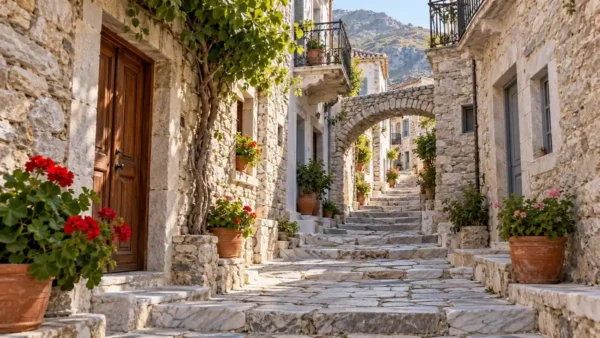
Villages keep the same clock more strictly. A mountain village in mid-afternoon can look closed, with the kafeneio the one open door and even that quiet. Arrive in the morning or late in the day to see it working.
Treat the afternoon closure as your beach block. A first-timer who saves Chora’s boutiques for mid-afternoon finds shutters; one who swims then and comes back at dusk loses nothing.
The pattern shifts outside high summer, and the Naxos guide covers when to visit and what opens off-season. For a day already built around this rhythm, follow the two-day Naxos plan.
How Do You Handle Heat and Water on Inland Days and Hikes?
Start inland days early and carry at least 2 litres of water each for Mount Zas. The interior has little shade on exposed trails, and village shops are few and often shut mid-afternoon. Buy water, snacks and sun cover in Chora before you leave, and finish walking before the midday heat peaks.
Inland Naxos feels like a different island from the beaches. The breeze drops in the valleys, the paths are stony and the villages are spread out. Pack for self-sufficiency.
- Water: at least 2 litres per person for Zas, and more for a long village-to-village walk.
- Sun cover: a hat, high-factor sunscreen and a light layer for the wind near the summit.
- Shoes: closed walking shoes with grip, since the trails are rocky and uneven.
- Cash: the kafeneio at the end of the walk may not take cards.
- Snacks: supplies bought in Chora, because village shops may be shut when you arrive.
- Offline map: downloaded before you set off, as signal can drop in the interior.
On Zas, the descent catches people out. The rocky path down comes when your water is lowest and the sun is highest, so ration for the way back.
Wheels help for inland and north-coast days, and getting around Naxos by car, bus or scooter covers the options. Mobile data matters when you navigate the interior, so check mobile data options for Greece before you land. The three-day Naxos itinerary places a full inland day around the mountain villages.
What Local Etiquette Matters on Naxos?
Dress modestly in village churches and monasteries, keep beachwear at the beach, and match the villages’ unhurried pace. Covered shoulders and knees are expected inside places of worship across the island. In the mountain villages, greet people, sit down at the kafeneio and wait; nobody hurries service, and pushing for it reads as rude.
Habits from Santorini or Mykonos do not transfer well here. Most of Naxos is lived in all year by farmers and families, and the villages set their own hours. Swimwear in Chora’s lanes or a village square stands out.
The kafeneio works as the village’s front room. Sit, order a coffee and let the owner come to you. A greeting on the way in matters more than speed.
Tipping is modest: round up the bill or leave small change for good service. The Greek tipping and etiquette basics cover the national norms in full.
Other Questions First-Timers Ask
Is the Portara better at sunrise or sunset?
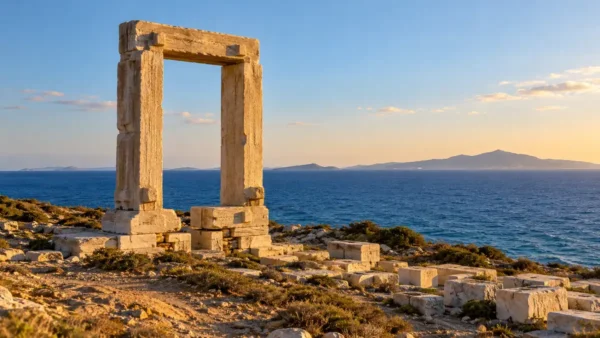
Go at sunrise if you want the Portara quiet. Sunset is the famous view and draws a crowd onto the causeway and the islet well before the sun drops. Sunrise brings softer light, cooler air and far fewer people. If you do go for sunset, arrive early for a spot and expect company.
What should you buy on Naxos to take home?
Kitron, the citron liqueur made on the island, is the Naxos product most worth taking home. Buy it in Halki, the inland village best known for it, or in Chora if you are not heading into the mountains. Carry cash for small village shops, and wrap bottles well for the ferry and flight home.
Naxos Tips: What They Cover and Who Read Them
This page settles one Naxos planning question, how the island works day to day for a first-timer: cash, water, afternoon closures, ferries and the meltemi, inland days and village manners. It is not a broad Naxos guide, an itinerary or a catch-all, so sights, costs, transport choices and safety sit on their own pages.
For the Tripstou editorial team, Alex Perrut, working in tourism since 2015, went through each of these Naxos habits once the text had been produced with AI assistance; our editorial process describes the steps.
Official sources consulted: Visit Greece, Greek Ministry of Tourism.
Did this guide save you time or money? Tripstou is independent and reader-funded — if you'd like to give something back, you can support the site with a crypto contribution of any size.