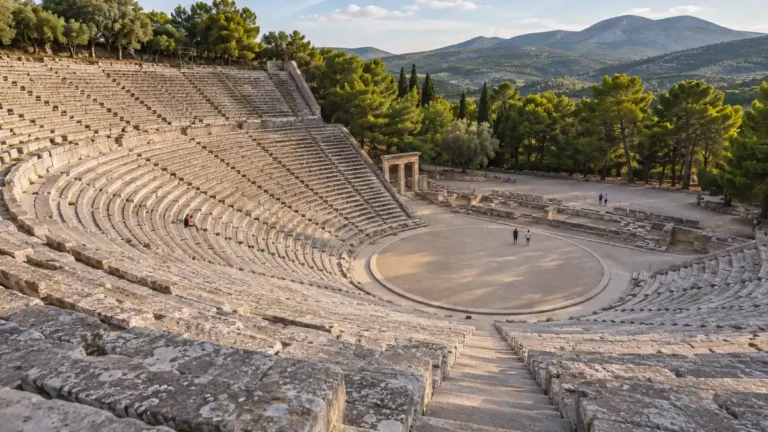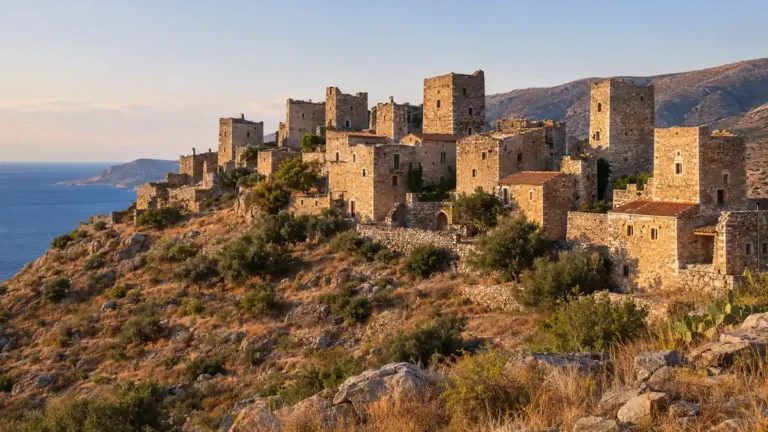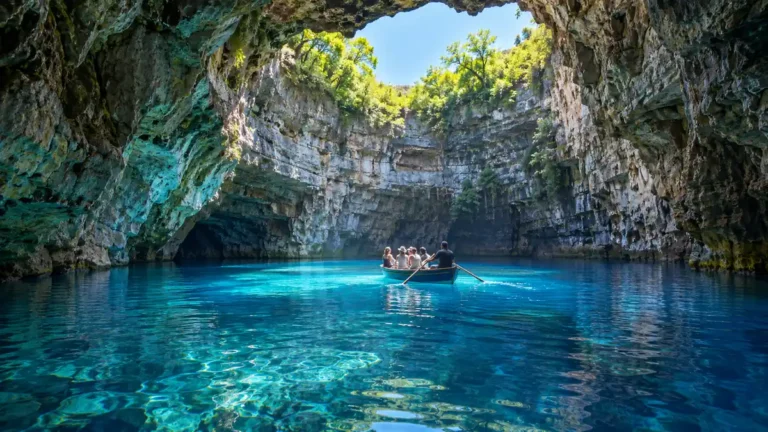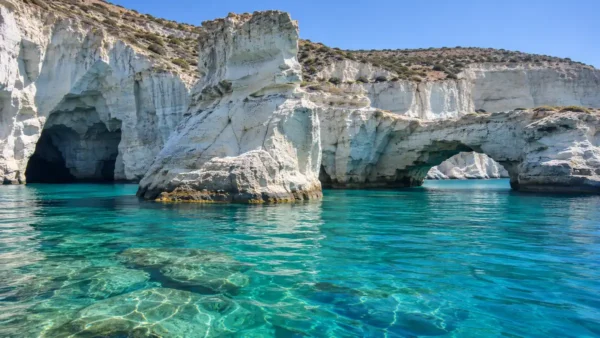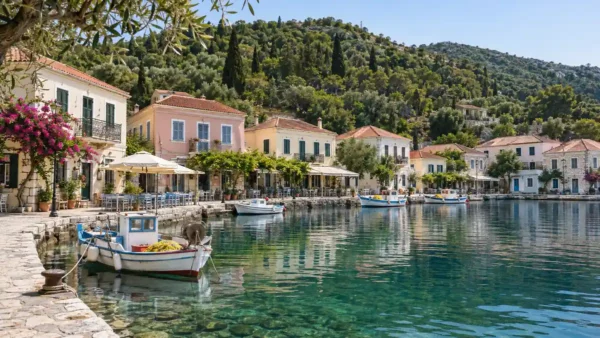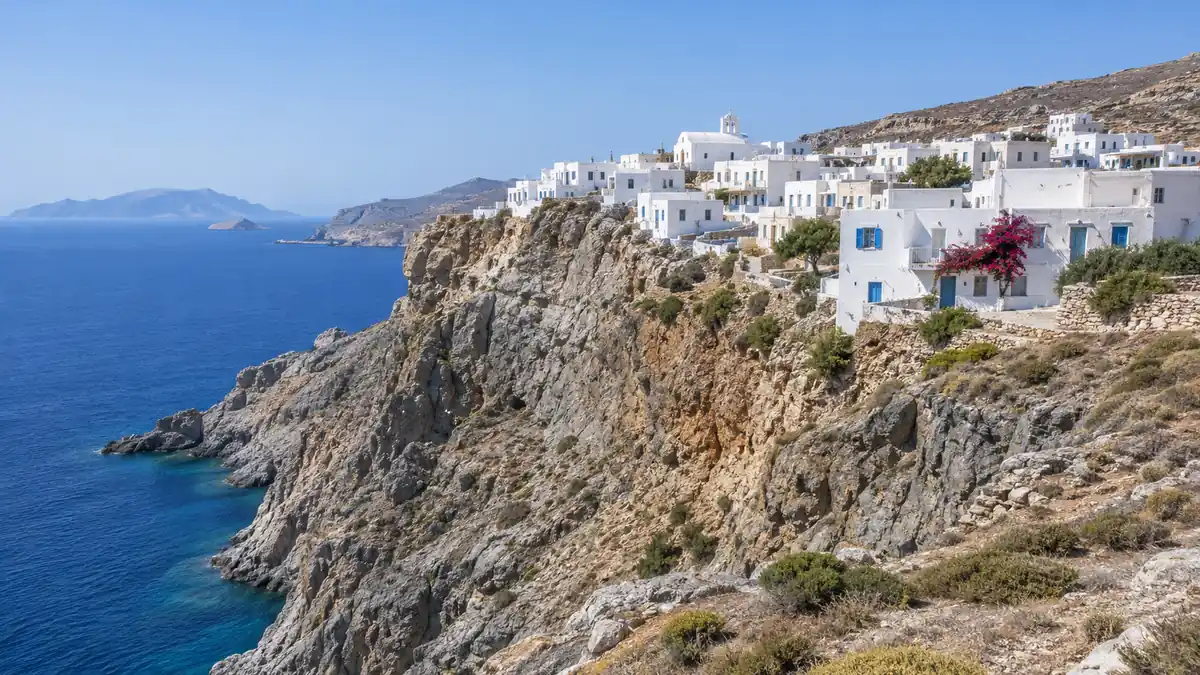
Folegandros, Sifnos and Koufonisia are the accessible quiet Cyclades, and Sifnos or Folegandros suits a first trip. Sikinos, Kimolos and Anafi are genuinely empty; on a second visit, or without a car, look to Sikinos, Iraklia or Donousa. Every pick is ferry-only, so choose the line that pairs with your base: Milos, Naxos, Santorini or Ios, or Rafina.
Most travelers picture the Cyclades as Santorini and Mykonos, and those are the two islands that deliver the crowds. The quieter version of the group still exists, but it sits behind a longer ferry ride. Here the ferry is the filter. Islands with no airport see fewer visitors, and islands that need a second boat see fewer still.
This guide profiles the quiet islands grouped by ferry line, so you can pair each pick with a base you can actually reach. Every island gets one concrete reason to choose it, an honest crowd tier and a plain note on how you get there. Some picks are calmer versions of popular islands; others have a few tavernas and little else. Knowing which is which is most of the decision.
Quiet Cyclades islands at a glance: how quiet, how to reach, who they suit
Folegandros is the most complete quiet island, Sifnos the gentlest start, and Kimolos the lowest-risk way to try a genuinely empty one. Pick by hub and crowd tier first, then read the profiles for your ferry line. The table sets a key pick or two from each ferry line against the three columns that decide the choice: how quiet it really is, which airport or hub you sail from, and whether a car matters once you land.
| Island | How quiet | Airport or hub | Car needed | Suits |
|---|---|---|---|---|
| Sifnos | Popular-but-calmer, busy in August | No airport, Western line from Piraeus | Not essential; a seasonal bus links the villages | First quiet island with good food |
| Kimolos | Genuinely quiet, even beside busy Milos | No airport, via Milos from Pollonia | No, a compact island to walk | Milos visitors wanting an empty twin |
| Folegandros | Quiet-to-moderate, busier in August | No airport, Santorini-side ferry routes | Not essential for a Chora-based stay | First-timers wanting a cliff-edge village |
| Sikinos | Genuinely quiet, with scarce tavernas | No airport, between Ios and Folegandros | No, the road network is tiny | Second visit, almost no tourist support |
| Koufonisia | Popular-but-calmer, busy in August | No airport, Naxos local boat | No, coast paths link the beaches | Beach-first travelers accepting August company |
| Andros | Quiet-to-moderate, spread across green valleys | No airport, Rafina line near Athens | Yes, villages sit far apart | Walkers wanting a short hop from Athens |
Serifos, Anafi, Iraklia, Schinoussa, Donousa and Tinos are profiled with their ferry lines below. For what to do once you land — boat trips, hikes and food — see things to do in the Cyclades.
Train and bus tickets
Compare routes, schedules and prices across rail and bus operators in one search, with mobile tickets on your phone.
New to Omio? Code NEW10 takes 10% off your first booking — or APPNEW10 if you book inside the Omio app. Both apply to bookings up to €80.
Search routes and compare prices on Omio →
Tripstou may earn a commission if you book through this link, at no extra cost to you.
The Western line from Piraeus: Sifnos, Serifos and Kimolos
The Western line gives the easiest quiet islands, with Kimolos as the empty one at the end. It suits a first quiet-island trip because boats leave from Piraeus and the line meets Milos, whose airport is the fly-in shortcut. Sifnos and Serifos are the gentle start; Kimolos is the reward.
Kythnos is the earlier stop on the same line, closer to Piraeus and quiet-to-moderate. It works as a short hop from Athens.
Kimolos is the lowest-risk way to try a genuinely empty island: if it proves too quiet, Milos is one short crossing back.
Sifnos
Sifnos is the quiet island for travelers who still want good tavernas and simple logistics. Its case rests on two things: a network of old footpaths linking the inland villages, and a food reputation that stands out across the Cyclades.
Comfort is what separates it from the other picks here. Villages sit close together, and a seasonal bus links the main villages. The honest tier is popular-but-calmer: busy in August, never Santorini-busy. Expect company at the best tables. For a first quiet island with real tavernas and a summer bus, start here.
Serifos
Serifos is the plainest quiet pick on the Western line: one boat from Piraeus, a hilltop Chora and an empty interior. Chora climbs the hill above Livadi harbour, and the land behind it is bare, rocky and largely untouristed.
Serifos trades Sifnos’ food scene for emptier ground. It feels rawer. The crowd tier is quiet-to-moderate, with a busier harbour in high summer. A car or scooter helps for the inland villages. Choose it when a single direct boat from Piraeus is all the transfer you want.
Kimolos
Kimolos is the quiet twin of Milos, reached by a short crossing from Pollonia to Psathi that usually takes 10–25 minutes. Its centre is Chorio, the inland village, and the island has none of the famous-island crowds of Milos.
Kimolos vs Milos comes down to role. Milos is the famous base with the airport; Kimolos is the day trip or the quiet stay beside it. From Piraeus the direct crossing runs roughly 4.5–7.5 hours, which is why Milos’ airport is the usual fly-in option. It stays genuinely quiet, and rooms are few, so book early.
Already on Milos? Kimolos is the version without the crowds.
Tours and activities
Book skip-the-line tickets, day trips and local tours with free cancellation on most activities.
You can also browse everything on getyourguide.com.
Tripstou may earn a commission if you book through this link, at no extra cost to you.
Quiet alternatives to Santorini: Folegandros, Sikinos and Anafi
Folegandros is the Santorini alternative that works for most travelers; Sikinos and Anafi suit those who want almost no one. All three offer the high Chora and sea views people travel to Santorini for, with no airport and a fraction of the visitors. The trade is time: each is a long boat ride from Athens.
Thirasia, across the caldera, is the quiet side of Santorini’s own view and is reached by boat from Santorini itself.
Folegandros and Sikinos are neighbours on the same line, so the busier island works as a test: if its Chora feels crowded, the emptier one is a single hop away.
Folegandros
Folegandros is the most complete quiet island on this page. Its Chora runs along the edge of a cliff, and a path climbs above the village to the Panagia church. This is Santorini’s cliff-top drama at a fraction of the crowd.
It leads its group on balance: enough tavernas and rooms for an easy stay, and no airport feeding it crowds. From Piraeus the crossing takes roughly 6–8 hours. Crowds run quiet-to-moderate, busier in August. Book rooms early for peak weeks.
Sikinos
Sikinos is the island for travelers who find Folegandros too busy. It sits between Ios and Folegandros, with a tiny road network and scarce tavernas, so tourist support is thin even by small-island standards.
That thinness is the honest trade-off. Some travelers call Sikinos extreme: few places to eat, little to book, and not much to do beyond the Chora and the sea. Sikinos or Folegandros? Folegandros for a first trip; Sikinos once you know the Cyclades and want less. From Piraeus it takes roughly 8–9 hours, with only a few boats a week. Of the islands you can reach from Athens without a second boat, it is the quietest.
Anafi
Anafi is the emptiest island on the Santorini side, lying east of Santorini. Chora sits above the harbour, and a long walk leads to the Zoodochos Pigi monastery at the island’s eastern end.
Anafi pairs with Santorini the way Sikinos pairs with Ios: one extra boat leaves the caldera crowds behind, and from a Santorini base it is the emptiest island on the line. Sailings thin out off-season, and tavernas close outside summer. Come for walking, bare hills and near-silence.
The Small Cyclades from Naxos: Koufonisia, Iraklia, Schinoussa and Donousa
The Small Cyclades are reached by the local ferry from Naxos, and Koufonisia is the busiest of the four. The local boat, Express Skopelitis, links Naxos with Iraklia, Schinoussa, Koufonisia and Donousa. Koufonisia draws the beach crowd; Iraklia, Schinoussa and Donousa stay emptier, with fewer rooms and tavernas.
Amorgos is the last stop on the same boat. It is a larger, better-known island, covered among the hidden gems in Greece.
Koufonisia
Koufonisia leads the Small Cyclades on beaches. A sandy coast path runs from Chora to Pori beach, and people come for the swimming; sights barely figure.
It is the best-equipped of the four, about 2.5 hours from Naxos on the slow local boat. That ease has a price. Koufonisia is popular-but-calmer: noticeably busy in August, with rooms booked well ahead. The shoulder months are far calmer. Choose it for the best beaches of the quiet tier, and accept company in August.
Iraklia
Iraklia is a walking island of a few hundred residents. A trail crosses the island to a cave, and that walk is the reason to stay more than one night.
Iraklia is quieter and plainer than Koufonisia, with fewer beaches and far fewer visitors. There is little to do beyond walking and swimming. That is the appeal. A few tavernas and rooms cover a quiet stay, and no car is needed. Walkers without a car, after the smallest place that still has somewhere to eat, should start here.
Schinoussa
Schinoussa sits between Iraklia and Koufonisia on the local boat route. A handful of villages connect by footpaths to small beaches, so a stay here means walking from one cove to the next.
Schinoussa is the middle option in every sense. It has more beaches within walking reach than Iraklia and far fewer visitors than Koufonisia. Services are basic. Rooms are limited and go early in summer, yet the island itself stays genuinely quiet.
Donousa
Donousa is the furthest and most exposed of the Small Cyclades on the local boat. Its beaches, Kedros and Livadi, are the reason to go, and the distance is what keeps them quiet.
Donousa trades convenience for isolation. It takes the longest to reach of the four, and rough seas can disrupt sailings on its exposed stretch. Services are the thinnest of the group, and fewer tavernas stay open outside summer. Go when beaches plus real isolation matter more than a quick connection.
Andros and Tinos are the quiet islands closest to Athens
Andros and Tinos are the quiet Cyclades you can reach from Rafina in about an hour or a little more. They suit travelers with few days who still want village quiet. Both are large islands whose quiet lives in the inland villages, so both reward a car.
Kea, on the Lavrio line, and Kythnos, on the Western line from Piraeus, are the other short-hop options from the Athens ports.
Andros
Andros is the Cyclades island for walkers. A waymarked footpath network crosses green valleys with running water, unlike the bare islands further south, and Chora is known for its neoclassical streets.
It is the closest pick to Athens, around an hour from Rafina. That short crossing makes it the easiest quiet island for a long weekend. The island is large and its villages sit far apart. Rent a car. Visitors spread out across the valleys, which keeps it quiet-to-moderate.
Tinos
Tinos keeps its quiet in the inland villages. Pyrgos is the marble village, long home to the island’s sculptors, and Volax sits among huge granite boulders.
The port town is a pilgrimage centre and fills on major feast days. The villages stay calm, quiet-to-moderate even when the port is busy. Tinos sits a little further along the Rafina line than Andros, and a rental car is the easiest way to hop between its villages. Dozens of villages and a short crossing make it the pick for anyone who can rent a car.
How do you pair a quiet island with a famous base?
Pair one hub with one quiet island on the same ferry line, and budget half a day per transfer. Fly or sail to the hub, then take one more boat. Chaining two quiet islands on different lines usually means sailing back through a hub, which doubles the transfers and eats the days you came for.
- Naxos to the Small Cyclades: Naxos has an airport and the local boat to Iraklia, Schinoussa, Koufonisia and Donousa. It suits beach-and-walking trips. The trade-off is the slow local boat, about 2.5 hours to Koufonisia, so a day trip from Naxos is harder: plan at least one night on the Small Cyclades.
- Milos to Kimolos: Milos has an airport, and Kimolos is a 10–25 minute crossing from Pollonia. It suits travelers who want a famous base and a quiet escape in the same week, though Kimolos has few rooms.
- Santorini or Ios to Folegandros, Sikinos and Anafi: Santorini has an airport; Ios has none. This pairing gives Santorini’s views plus real quiet, at the cost of a long sailing from Piraeus if you skip the flight.
- Rafina to Andros and Tinos: no flight needed, since Rafina is the port east of Athens. It suits short trips and long weekends, but you will want a car on both islands.
Sikinos, Iraklia, Schinoussa, Donousa and Kimolos work without a car; they are small enough to cover on foot. Andros and Tinos are the exception, and both reward a rental car.
Put the quiet island in the middle of the trip, never on the last night before a flight: a delayed local boat costs a day, and the flights leave from the hub.
For the hubs themselves, see the famous Greek islands. For reaching the Cyclades, how many days to plan and when to go, use our Cyclades travel guide.
No airport is what keeps a Cyclades island quiet
The quiet Cyclades are the islands with no airport and, ideally, a second boat to reach them. Quiet tracks ferry effort, not beauty. Every extra transfer thins the crowd, so the islands at the end of a local line stay calmer than famous neighbours with runways and direct fast boats from Athens.
Crowd levels fall into three honest tiers:
- Genuinely quiet: Sikinos, Anafi, Iraklia, Schinoussa, Donousa and Kimolos. Few rooms, few tavernas, and visitors spread thin even in high summer.
- Quiet-to-moderate: Folegandros, Serifos, Kythnos, Andros and the inland villages of Tinos. Enough infrastructure for an easy stay, with busier weeks at the peak of summer.
- Popular-but-calmer: Sifnos and Koufonisia. Calmer than the famous islands, still far from empty, and properly busy in August.
The quietest of all are Sikinos and Anafi. Both have no airport, long crossings and so little tourist support that the quiet is structural. It will not disappear in a busy week.
Milos and Naxos appear on many “hidden” lists, yet both are famous islands with airports and full summer crowds. They belong with the best places to visit in Greece; on this page they work only as hubs for the quieter islands next to them.
Count the boats, not the beaches. On any Cyclades line, the island one transfer beyond an airport is quieter than the airport island itself, however good the airport island’s beaches are.
The amenity trade-off is real on every genuinely quiet island. Expect few ATMs, few tavernas and shorter hours. Many rooms and tavernas close outside summer, and sailings thin out off-season. Carry cash and book rooms early. Anafi, Sikinos and Donousa run thinnest; off-season, Andros and Tinos are the more practical quiet picks, being larger islands close to Athens.
The shoulder months either side of July and August balance calm islands with open rooms and tavernas, and even Sifnos and Koufonisia quieten down then.
Selection Notes and Sources
This page picks quieter Cyclades islands by how empty they really are, which ferry line reaches them and who each one suits; it is not a guide to the whole Cyclades, an island-hopping itinerary, or a profile of Santorini, Mykonos, Naxos or Milos.
Alex Perrut, working in tourism since 2015, signed off the crowd tiers and island picks on this page for the Tripstou editorial team. The profiles began as text written with AI assistance; our editorial process describes that hand-off.
Official sources consulted: Visit Greece, Greek Ministry of Tourism, Municipality of Kimolos.
Did this guide save you time or money? Tripstou is independent and reader-funded — if you'd like to give something back, you can support the site with a crypto contribution of any size.