The first-visit shortlist for Dublin starts with three sights: Trinity College with the Book of Kells, Kilmainham Gaol and the Guinness Storehouse. They are the three every list leads with and the three that run on timed tickets, so they are the ones to book first. For a traveler who would sooner skip fees and fixed slots, the free national museums and the National Gallery of Ireland give comparable depth with no booking and no ticket.
Around those three, the picks are grouped by theme: history sights, free sights, then pubs, trad music and whiskey. Each one says what it is, why it made the cut, how long it takes where the operator gives a figure, and who it suits.
What to See in Dublin on a First Visit
A first visit to Dublin should hold the three timed-ticket icons, one or two history sights such as St Patrick’s Cathedral or Glasnevin Cemetery, one free national museum and one evening of live trad music. The shortlist is built for a first or second trip to the city itself. It is grouped by theme, not ranked, so a reader who skips the whiskey loses nothing from the history picks.
The three paid icons take most of a day between them and sell their slots in advance, which makes them the fixed points of the trip. The free museums and the gallery work the other way: walk in when it rains, leave after an hour, come back another time. A Kilmainham slot cannot be moved or refunded, while the National Museum on Kildare Street takes you whenever the weather turns, so the free sights make a better rainy-day hedge than a spare ticket.
Pick by what you came for:
- History: Kilmainham Gaol first, then St Patrick’s Cathedral with Marsh’s Library and Glasnevin Cemetery, in the history sights below.
- A rainy afternoon: the National Museum of Ireland or the National Gallery, both free, or EPIC if the family story is Irish.
- A tight budget: the free museums, Phoenix Park and the Trinity College campus, which costs nothing to walk.
- An evening: a trad session in one of the pubs further down, with a whiskey distillery earlier in the day.
The order to see them in, day by day, is mapped in the 3 days in Dublin itinerary.
Three Dublin Sights You Need to Book Ahead
Kilmainham Gaol, the Book of Kells and the Guinness Storehouse all run on timed tickets, so all three are booked before the trip. Kilmainham is the one that sells out hardest: its tickets come only from the official site and are released in a fixed window, with no resale fallback.
| Sight | Adult ticket | Allow | Booking |
|---|---|---|---|
| Kilmainham Gaol | €8 | About 90 minutes | Released 28 days ahead at midnight Irish time, official site only |
| Book of Kells Experience | From €21.50 | 90 minutes | Timed slots, limited availability |
| Book of Kells & Old Library | From €19 | 45 minutes | Timed slots, limited availability |
| Guinness Storehouse | Varies by time slot | At least 90 minutes | Timed 15-minute slots, book in advance |
Kilmainham Gaol
Kilmainham Gaol is the former prison at the heart of Ireland’s fight for independence, and it leads the history picks because no other Dublin sight tells that story in the place where it happened. Access is by guided tour only. The tour lasts about one hour; allow about 90 minutes in total.
Getting a ticket takes planning:
- Buy on the official Kilmainham Gaol site. Tickets bought from third parties or other websites are not valid.
- Tickets are released online 28 days in advance, at midnight Irish time.
- Sold out? Additional and cancellation tickets for the same day are released online between 09:15 and 09:30.
- Tickets are non-transferable and non-refundable, so fix the date before paying.
Adults pay €8, seniors €6, students €4 and a family €20; under-12s go free with a complimentary ticket. If the trip has room for only one history visit, make it this one: a guide explains modern Ireland in the cells themselves.
Trinity College, the Book of Kells and the Long Room
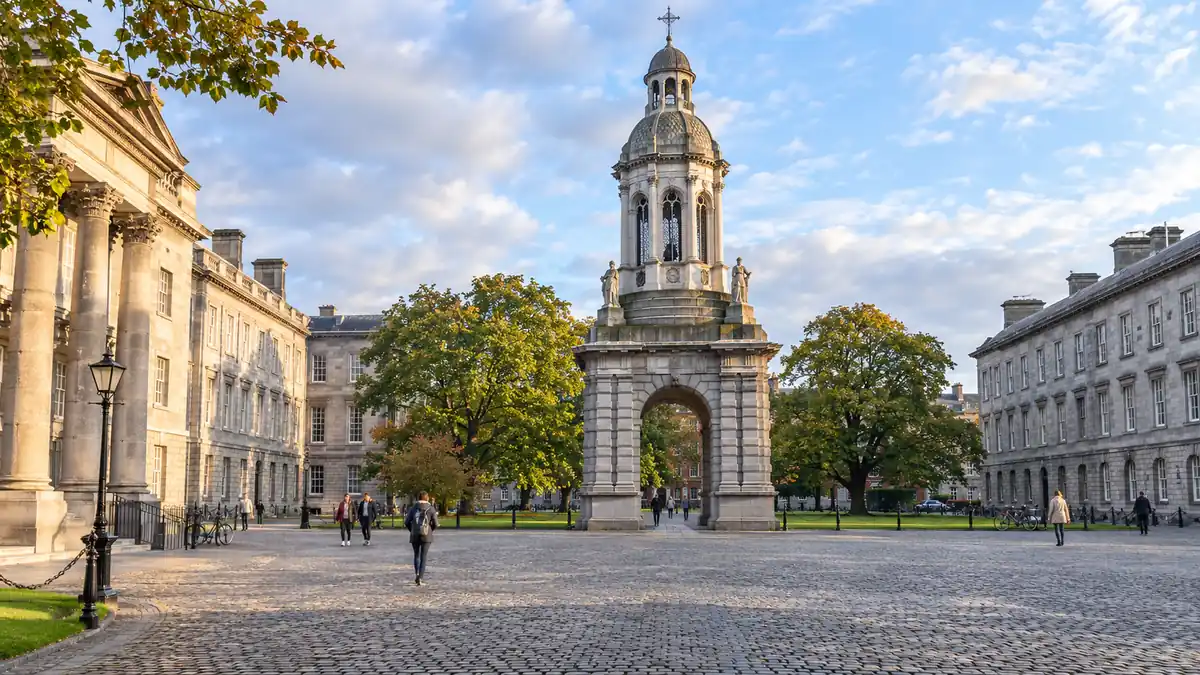
Trinity College, Ireland’s oldest university, is free to walk through; the ticket is for the Book of Kells and the Old Library. The main ticket options differ more than their names suggest:
- Book of Kells Experience (from €21.50, 90 minutes, self-guided): the manuscript, the Old Library and the digital exhibition in the Red Pavilion. The complete visit for a first-timer.
- Book of Kells & Old Library (from €19, 45 minutes): the Book of Kells and the Long Room only. The short version for a packed day.
- Guided Book of Kells Experience (€65, 75 minutes, at most 16 people): the same sights with a guide. Worth it if you want the manuscript explained, not just seen.
- Trinity Trails (€16, 45 minutes): a campus walking tour with no Book of Kells entry. For those curious about the university itself.
200,000 books have been removed from the Long Room for the Old Library redevelopment project, so the chamber does not match the full shelves in older photos. Slots show limited availability, and the safe advice is to book ahead.
Guinness Storehouse
The Guinness Storehouse at St James’s Gate is the brand’s own visitor experience, and it ends at the Gravity Bar, with a 360-degree view over Dublin. Allow at least 90 minutes, plus about 30 minutes for each add-on such as STOUTie or the Guinness Academy.
Entry runs in timed 15-minute slots; arrive five minutes before yours. The ticket includes one drink at the Gravity Bar: a pint of Guinness, another beer, Guinness 0.0 or a soft drink. The Gravity Bar cannot be visited without a tour ticket. Under-18s must be with an adult and get a soft drink.
Prices vary by date, time slot and age, and the operator strongly recommends booking in advance, with the best price on its official site. Come here for Dublin’s best-known pint, poured at the top of the building that tells its story.
Tours and activities
Book skip-the-line tickets, day trips and local tours with free cancellation on most activities.
You can also browse everything on getyourguide.com.
Tripstou may earn a commission if you book through this link, at no extra cost to you.
Is the Guinness Storehouse or the Book of Kells Worth It?
Both are worth it for most first-timers, each with one clear exception: the Guinness Storehouse is a brand experience, not a history sight, and the Long Room stands without its books.
Keep the Storehouse if the pint, the brewing story and the view from the Gravity Bar are part of why you came. Swap it if you do not drink or want history over branding: Kilmainham Gaol gives the city’s past at full weight, and EPIC tells the story of the Irish who left. The non-alcoholic options in the ticket make it welcoming, but the visit still revolves around beer.
The Book of Kells is worth the ticket for the manuscript, not for the room around it. Travelers who came mainly for the famous shelves are better served by Marsh’s Library beside St Patrick’s Cathedral, an old library still lined with its books, or by the free national museums.
Kilmainham Gaol carries no such exception; availability is the only thing that can rule it out.
Dublin’s History Sights: Cathedrals, the Castle and Glasnevin
After Kilmainham Gaol, the strongest history picks are St Patrick’s Cathedral with Marsh’s Library, Dublin Castle with the Chester Beatty, Glasnevin Cemetery and EPIC. One cathedral is enough for most visits.
St Patrick’s or Christ Church Cathedral?
St Patrick’s is the better pick for most visits, because its joint ticket with Marsh’s Library turns one stop into two. Adult entry is €11.50, or €17.00 with Marsh’s Library, which stands beside the cathedral. Christ Church Cathedral makes sense for a traveler already at Dublin Castle, which sits close by, or for a return visitor who has seen St Patrick’s. Seeing both in one trip repeats more than it adds.
Dublin Castle and the Chester Beatty
Dublin Castle pairs a short paid visit with a free museum on the same grounds. The State Apartments cost €8.00 for a self-guided adult visit of about 30 minutes; the guided tour takes about one hour. The Castle grounds and the Dubh Linn Garden are open-access. The Chester Beatty, a library of manuscripts and rare books on the Castle grounds, is free. The pairing fits a traveler with a central half-morning to fill and no appetite for another big ticket.
Glasnevin Cemetery
Glasnevin Cemetery is where much of Irish history lies buried, and visitors come both for the famous graves and to trace family names. It suits the genealogy-minded traveler more than the casual sightseer. The National Botanic Gardens sit next door.
EPIC The Irish Emigration Museum
EPIC tells the story of Irish emigration, of the people who left and what they built abroad, across 20 interactive galleries. Admission is from €22 for an adult online, and a visit takes approximately 90 minutes. This is the museum for the American, Canadian or Australian visitor with an Irish surname who wants to know where it went.
The Little Museum of Dublin and MoLI
The Little Museum of Dublin covers the city’s own modern story at small scale, and MoLI, the Museum of Literature Ireland, does the same for Joyce and the writers who made Dublin a literary city. Both are compact visits, for the reader more than the history buff.
Free Things to Do in Dublin: Museums, Galleries and Parks
The National Museum of Ireland and the National Gallery of Ireland are free with no booking, and so are Phoenix Park and the city’s greens. Other picks on this page charge: EPIC, the Little Museum and the cathedrals all need a ticket.
National Museum of Ireland
Admission is free at all four National Museum sites, and individuals and families need no booking. In Dublin the two to know are Archaeology on Kildare Street and Decorative Arts & History at Collins Barracks. The Natural History building on Merrion Street is closed for refurbishment, and the Dead Zoo Lab at Collins Barracks shows part of its collection. Kildare Street is the first stop for a wet morning in the centre.
National Gallery of Ireland
The National Gallery’s permanent collection is free, with no booking required; some temporary exhibitions need a ticket. It is the quiet stop for an art lover between two paid sights.
Phoenix Park
Phoenix Park is open 24 hours a day, every day, through its main gates; the side gates close at night. A herd of wild fallow deer lives in the park, which also holds Dublin Zoo (paid), Áras an Uachtaráin and the Victorian Flower Gardens. It is the open-air answer for families with children who need space after a morning of museums.
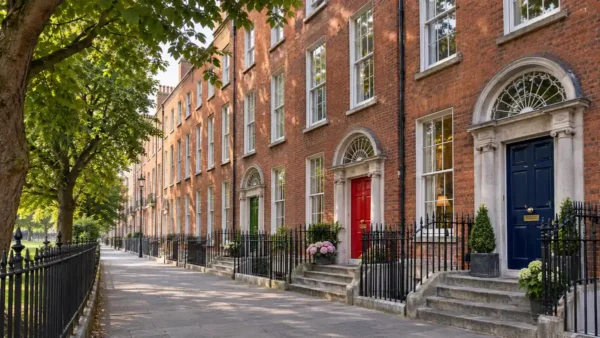
The smaller free sights are best strung together on foot: St Stephen’s Green and Merrion Square for Georgian Dublin at its greenest, Trinity’s grounds, the Ha’penny Bridge over the Liffey, and the buskers on Grafton Street.
Howth and the coast are the open-air half day outside the city, covered with the other day trips from Dublin.
Where to Find Pubs, Live Trad Music and Whiskey in Dublin
For live trad music, the names to know are The Cobblestone and O’Donoghue’s on Merrion Row. Temple Bar is the area visitors know best, and the busiest, priciest place to drink. Whiskey has three distilleries in the city: Jameson Distillery Bow St, Teeling Distillery and Roe & Co.
Pubs for Live Trad Music
The Cobblestone and O’Donoghue’s on Merrion Row are where Dublin’s trad sessions have a reputation with locals as well as visitors. A session is not a concert: musicians sit around a table in the corner and play for each other, and the room listens. Find a spot, keep the chat down during a slow air, and do not ask for requests. It suits the traveler who wants the Ireland of the songs, not a stage show.
A guided pub crawl is the other way in, useful on a first night when you do not know which doors to open: reserve a spot and let someone else choose the pubs.
Temple Bar, Honestly
Temple Bar is worth a walk-through and rarely worth an evening. The cobbled streets, the painted pub fronts and the live music spilling out are why every visitor goes, and why it is crowded and tourist-priced. See it early, then drink elsewhere.
Jameson, Teeling or Roe & Co: Which Whiskey Distillery?
- Jameson Distillery Bow St: the name everyone knows, and the obvious choice for a first whiskey tour.
- Teeling Distillery: the independent pick, for a drinker who wants a smaller brand’s take on Irish whiskey.
- Roe & Co: the newer name, for someone who already knows the classics and wants something different in the glass.
One distillery is enough for most trips, and Jameson is the one first-timers come back talking about: book the Jameson tour for an afternoon, before the evening’s session.
Which Dublin Sights Are Close to Each Other?
Dublin’s sights fall into three clusters: the south side Georgian core, the Liberties and Kilmainham to the west, and the north side with Glasnevin and Collins Barracks. Pairing sights inside one cluster is what saves time.
- South side Georgian core: Trinity College and the Book of Kells, the National Museum on Kildare Street, the National Gallery, Merrion Square, St Stephen’s Green and O’Donoghue’s on Merrion Row.
- The Liberties and Kilmainham: the Guinness Storehouse at St James’s Gate and Kilmainham Gaol, with the cathedrals and Dublin Castle on the way back towards the centre.
- North side: Collins Barracks with the Dead Zoo Lab, Jameson Distillery Bow St and Glasnevin Cemetery, with Phoenix Park opening out to the west.
A guided walking tour on the first morning sorts the south side and the centre into a mental map before the ticketed visits begin: book a walking tour and the rest of the city falls into place.
Moving between the clusters and getting in from the airport are covered in the Dublin travel guide. The cluster you will spend most time in shapes the base, and the choice between the city centre and Temple Bar is laid out in where to stay in Dublin. If Dublin is the first stop of a longer trip, the Ireland travel guide covers the rest of the country.
Dublin Sights: Questions Before You Go
What can you do in Dublin on a rainy day?
Head for the free national museums and the National Gallery of Ireland: no ticket, no booking, and you can leave the moment the rain stops. For a longer indoor stretch, add EPIC, the Little Museum of Dublin or MoLI, or the Book of Kells and the Guinness Storehouse if you already hold slots, then end the day in a pub with a trad session.
What is there to do in Dublin at night?
Dublin at night means pubs and live trad music. The Cobblestone and O’Donoghue’s on Merrion Row are the names for a session, Temple Bar is worth a look early before you drink somewhere quieter, and a guided pub crawl takes the choosing off your hands on a first night.
Is the hop-on hop-off bus worth it in Dublin?
Only on a day that takes you out to the western sights. The south side Georgian core, from Trinity College to St Stephen’s Green and the national museums, works on foot, so the bus adds little there; it earns its ticket when the plan also covers the Guinness Storehouse and Kilmainham Gaol in the Liberties and Kilmainham cluster. Check that the route stops where you plan to go before you buy.
How This Dublin Shortlist Was Chosen
This page is a curated selection of sights inside Dublin city, picked on the time each takes, whether it needs booking and who it suits; it is not a city guide, an itinerary or a list of day trips.
The page was produced with AI assistance; Alex Perrut, working in tourism since 2015, went over its picks and ticket rules for the Tripstou editorial team. The steps behind that review are in our editorial process.
Official sources consulted: Trinity College Dublin, Kilmainham Gaol, Guinness Storehouse, National Museum of Ireland, EPIC The Irish Emigration Museum.
Did this guide save you time or money? Tripstou is independent and reader-funded — if you'd like to give something back, you can support the site with a crypto contribution of any size.