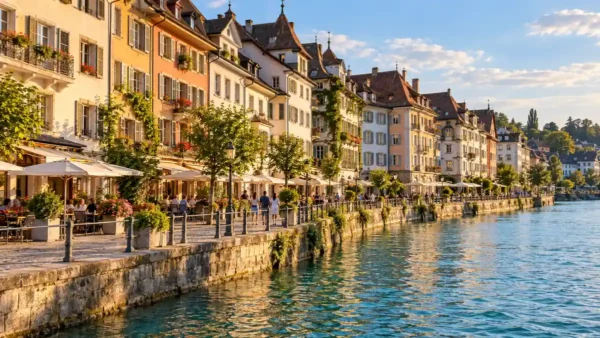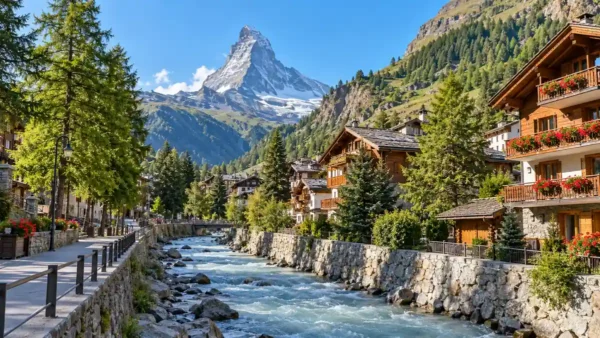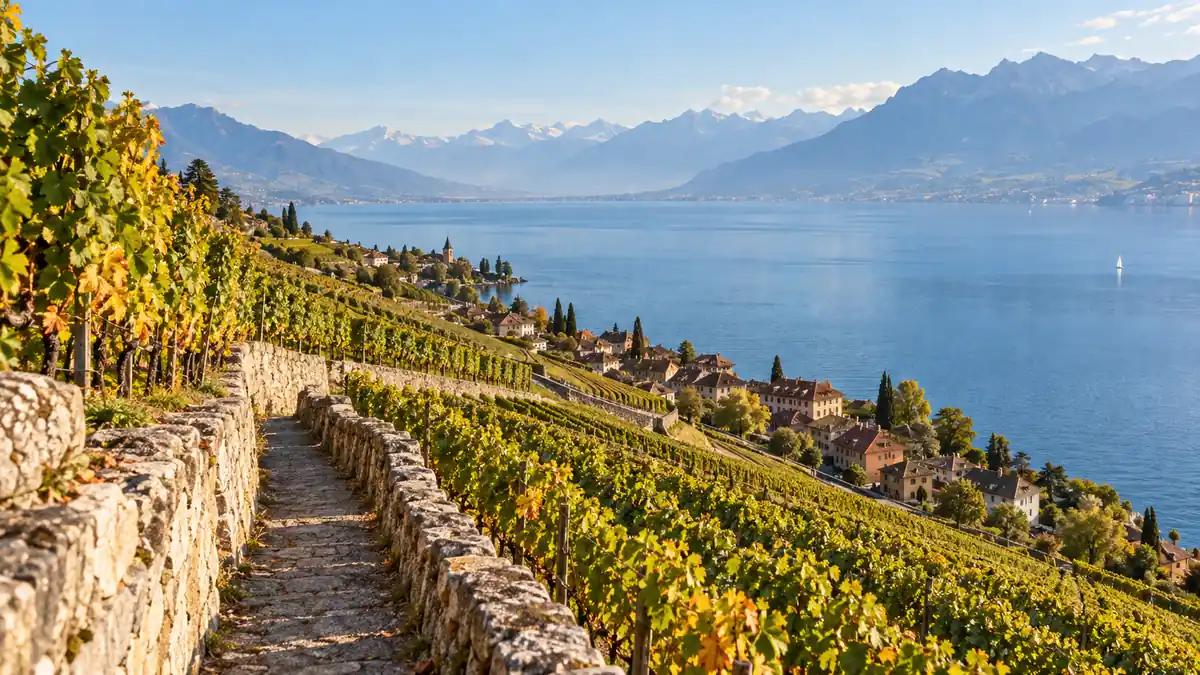
June to September is the best time to visit Switzerland, with September the strongest single month. What you do and how high you go change the answer: skiing runs December to April, and high trails open from late June. First-timers after hiking, lakes and mountain railways should aim for late June to mid-September and avoid November.
Switzerland runs on two calendars at once. Valleys, lakes and cities follow one season; the high Alps above about 2,000 m follow another, often weeks behind. That split is why the best time to visit Switzerland has no single answer until you know what you came to do and how high you plan to go.
Two facts catch first-timers out. June can still be snow season on high trails above about 2,000 m. And November is the dead month, when many mountain lifts stop for maintenance and the ski season has not yet started.
How We Checked the Seasons
This page settles one decision, when to go to Switzerland and what will be shut or crowded then; it is not a guide to the country’s places, a route plan, a trail list or a cost breakdown.
The month calls here were written with AI assistance, and their railway and lift seasons were matched to the official pages below by Alex Perrut, working in tourism since 2015, for the Tripstou editorial team. Our editorial process explains that step.
Official sources consulted: Switzerland Tourism, State Secretariat for Economic Affairs (SECO), Jungfrau Railways, Pilatus Railways.
In This Guide
When is the best time to visit Switzerland?
June to September is the best time to visit Switzerland for most travelers, and September is the single best month. The runner-up is late May to mid-June, before the July–August peak, when valleys are green but high trails still hold snow. November is the worst month: many lifts close for maintenance and ski season has not begun.
September wins because it keeps what makes summer work and drops most of what does not. Summer lift timetables usually still run into the month. High trails are clear of snow. School holidays are over across most of Europe, so crowds thin and prices ease from their July–August high. Settled, clear weather is common.
September’s real edge is timing on two levels: the mountains are still on their summer timetable while the lakeside towns have already gone back to everyday life, so you get peak-season access at shoulder-season crowd levels.
The answer still splits by goal. A skier and a hiker want opposite halves of the year, and a city break works in almost any month. The goal-by-goal section further down pairs each goal with its window. Once the window is fixed, the Switzerland travel guide helps plan the whole trip around it.
| Season | Weather | Crowds and prices | What is open | Best for |
|---|---|---|---|---|
| Summer (June–August) | Warm, Zurich highs in the mid-20s °C (mid-70s °F) | Year’s biggest crowds, peak prices in July–August | Lifts, passes and high trails from late June | Hiking, lakes, mountain railways and long days |
| Autumn (September–October) | Mild September, cool mornings and crisper October days | Thinner crowds, prices easing from the summer peak | Summer lifts until revision closures from late October | High trails, autumn colour and clear mountain views |
| Winter (December–March) | Cold, Zurich around 0–1 °C (low 30s °F) in January | Busy at New Year and February school holidays | Ski lifts, Jungfraujoch, cities and Christmas markets | Skiing, snow trains, Christmas markets and city museums |
| Spring (April–May) | Mild valleys, winter conditions still above 2,000 m | Quiet, with lower-season prices in most places | Cities and lakes; many lifts closed for revision | Lakes, cities, Ticino and low valley walks |
Switzerland weather by month, from the valleys to 2,000 m
Valleys run much warmer than the high Alps, so every month has two forecasts. Ticino, south of the Alps, is the exception: milder and sunnier than the north for most of the year. Check the valley forecast for the town and the summit forecast for the mountain day.
Every month has a use. The verdicts below pair the weather with crowds and what is open.
- January: the coldest month, Zurich around 0–1 °C (low 30s °F); ski season in full swing, quiet outside the holidays. Skiing and cities.
- February: cold and snowy at altitude; school-holiday weeks fill the ski resorts. Good skiing, booked early.
- March: longer days, snow still deep at altitude, valleys starting to thaw. A calmer ski month after the February rush.
- April: valleys turn green; ski season winds down and many lifts close for revision. Cities, lakes and Ticino.
- May: blossom and mild valleys; the Pilatus cogwheel railway reopens and passes begin to open late in the month. Strongest in the last week, before the July–August peak.
- June: summer in the valleys, snow above about 2,000 m early in the month, the longest days. Lakes and lower walks; high trails from late June.
- July: warm, Zurich highs in the mid-20s °C (mid-70s °F), afternoon storms; everything open and crowds building. Peak hiking and lakes at peak prices.
- August: much like July, with the busiest weeks of the year. Start early each day and reserve the big summits.
- September: settled and clear with cooler mornings; summer timetables still running, crowds thinner. The best single month.
- October: autumn colour and crisp days; revision closures begin late in the month. Good until the last week.
- November: grey, damp and between seasons; many lifts closed, Christmas markets opening at the end of the month. The weakest month, for cities and Ticino only.
- December: ski season opens, Christmas markets fill the cities, New Year is busy. Markets early in the month, skiing later.
Whatever the month, keep one flexible mountain day so a clear forecast decides the summit. Pack layers. A warm valley afternoon and a cold summit can sit in the same day.
Best Time to Visit Switzerland by Trip Goal
Hikers want July to September, skiers December to March, and crowd-avoiders the shoulder months. Swimmers and lake lovers should aim for July and August, when the water is warmest. Cities and museums work year-round, and Christmas markets run from late November to Christmas, with Advent weekends the busiest.
Hiking
High trails open roughly from late June or early July and stay good until September or early October, once the snow has cleared from the upper paths. Lower valley and lakeside walks have a far longer season, often from spring well into autumn. July and August are the most reliable months at altitude. September is the calmer one. Afternoon storms are the main summer risk, so start high walks early. The guide to the best hikes in Switzerland covers which trails to walk in that window.
Skiing
The ski season typically runs from mid-November or December to April. Glacier resorts such as Zermatt and Saas-Fee stay open longer, which makes them the safer pick for an early or late trip. Snow at lower resorts is less dependable at either end of the season. The busiest weeks are Christmas to New Year and the February school holidays, when resort prices and lift queues peak. January outside the holidays is the quieter, colder alternative.
Lakes and swimming
July and August are the lake months. Lake beaches and bathing spots are at full stretch, and the long evenings suit a swim after a day in the mountains. Ticino, south of the Alps, is the warmest corner, with Lugano’s July highs around 27 °C (81 °F). North of the Alps, June and September swims are possible but noticeably cooler. Pick a lake base for the hottest weeks and the mountains stay a short train ride away.
Cities, museums and Christmas markets
Swiss cities work in any month, because museums, old towns and lakefront walks do not depend on the snowline. Winter suits them especially well, with indoor culture, thermal baths and Christmas markets from late November to Christmas. Advent weekends are the busiest market days. Weekdays are calmer. Summer adds lake swimming and open-air life, at the cost of the year’s biggest crowds in the best-known lake towns.
Fewer crowds and lower prices
Three windows bring fewer crowds and lower prices: late May to mid-June, September to mid-October, and January outside the holidays. Each has a cost. Late May and June come before the July–August peak but with snow on high trails. Mid-October brings the first lift closures. January is cold and short on daylight. Prices follow crowds, highest in July–August and at New Year.
The cheapest months of all are April and May, November, and January outside the holidays, when demand drops and many hotels move to lower-season prices, while September to mid-October is the best-value window that still keeps most mountains open.
Season also changes the route order on a multi-stop trip, so pick the window first and then build the Switzerland itinerary around it.
Spring in Switzerland: green valleys, snowed-in heights
April and May are quiet, green and cheaper, but many lifts are in revision and high trails stay under snow. Lakes, cities, Ticino and low valley walks work well, with blossom in the lowlands. Spring suits travelers who want calm and lower prices, and who accept that many high-mountain plans wait until June.
The altitude principle is easiest to see in spring. Fruit trees blossom along the lakes while 2,000 m still looks like winter. Same day, two seasons. The Switzerland travel tips cover what to pack for that kind of day.
Revision closures are the catch. Many cable cars and mountain railways stop for maintenance in April and May, and each operator sets its own dates, which shift from year to year. Check the operator’s site before fixing a mountain day.
Late May is the turn. The Pilatus cogwheel railway reopens in May, a reliable signal that the summer mountain season is starting, and alpine passes open from mid or late May into June. Trips in late May and early June arrive before the July–August peak.
Ticino is the spring hedge: south of the Alps it is usually milder and sunnier, so a few days there can carry the trip when the north stays grey and the high lifts are shut.
Summer in Switzerland is peak season for good reason
June to August brings open lifts, clear high trails from late June, warm lakes and the year’s biggest crowds. July and August are peak season, with the highest prices and the busiest mountain trains. Summer is also the wettest season north of the Alps, so afternoon thunderstorms are part of the deal.
June is the subtle month. Valleys and lakes are in full summer, but snow lingers above about 2,000 m into June, and some high trails and passes are not yet clear. June comes before the July–August peak, though it is far from empty, with school groups already on the move.
Temperatures are comfortable. Zurich averages around 19 °C (66 °F) in July, with highs in the mid-20s °C (mid-70s °F). Ticino runs warmer, with Lugano’s July highs around 27 °C (81 °F).
Storms follow a pattern. Mornings tend to be clearer, and cloud builds over the peaks through the afternoon. Go high early. Keep one flexible mountain day in a summer plan, so a forecast that turns overnight costs you a swap of days, not the summit you crossed an ocean to see.
Jungfraujoch is the busiest summit of the season, and a seat reservation is recommended on clear days. Glaciers keep snow and ice on the highest summits all summer, and Jungfraujoch is the easiest place to reach it by train.
- What summer gives: every lift, cable car and funicular running, high trails clear from late June, warm lakes and long evenings.
- What to accept: peak prices in July–August, queues at the famous summits and afternoon storms north of the Alps.
Tours and activities
Book skip-the-line tickets, day trips and local tours with free cancellation on most activities.
You can also browse everything on getyourguide.com.
Tripstou may earn a commission if you book through this link, at no extra cost to you.
September and October are Switzerland’s sweet spot
September keeps summer’s open lifts and clear trails with thinner crowds; October stays good until the lifts close. Prices ease from the summer peak once European school holidays end. The trade-off is weather: the first snow can dust high trails as autumn advances, and days shorten fast in October.
September is the best single month for most trips. Summer lift timetables usually still run, trails sit clear of snow, and the air is often clearer than in hazy midsummer. Mornings are cooler. Afternoons stay pleasant in the valleys, and the lake towns lose their July crowds.
October tapers. Autumn colour comes into the forests and vineyards, and clear days give some of the year’s best views. From late October, many lifts shut for revision, and alpine road passes close around the end of October or early November, depending on snow.
October rewards a valley-and-lake plan with one or two mountain days slotted early in the month: by the last week, the summit you wanted may already be in maintenance.
What is closed between seasons? Lifts, passes and November
Mountain lifts close for maintenance in April–May and late October to early December, which makes November the weakest month. High trails stay snowed in until early summer, and alpine passes are shut outside roughly June to October. Jungfraujoch runs year-round; the Pilatus cogwheel railway runs May to November.
Revision is the Swiss term for the annual maintenance shutdown of cable cars, cogwheel railways and funiculars. It falls between the winter and summer seasons, and its timing varies by operator and by year, so one mountain may reopen weeks before its neighbour. Never assume. Check the operator’s site before fixing a mountain day.
- Runs year-round: Jungfraujoch, the main rail network, cities, museums and thermal baths.
- Runs seasonally: the Pilatus cogwheel railway (May to November), most summer cable cars, high trails and alpine road passes.
Alpine road passes usually open from mid or late May into June and close around the end of October or early November, depending on snow.
November is only a bad month for a trip built around peaks. The same week works for a city-and-culture trip: museums, thermal baths, Ticino, a Jungfraujoch day and the first Christmas markets at the end of the month. Jungfraujoch runs 365 days a year, but weather decides the visit: cloud can hide the view entirely, so go on a clear-forecast day.
Winter in Switzerland: ski season and Christmas markets
December to March is ski season, with the busiest weeks at New Year and in the February school holidays. Christmas markets open from late November. Winter also works without skis: snow trains, mountain railways that run year-round and city museums carry a non-skier trip. January, outside the holidays, is quieter and lower-priced.
The season usually starts between mid-November and December and runs to April, with glacier resorts open longest. Exact opening and closing dates belong to each resort and shift with snowfall.
Valley and altitude feel like different countries in winter. Zurich sits around 0–1 °C (low 30s °F) in January, and the lowlands north of the Alps can lie under grey fog for days while the peaks above sit in sunshine. When the valley is grey, go up. A clear-sky summit day above a fogbound city is the winter view most first-timers never expect.
Crowd peaks are predictable: Christmas to New Year, and the February school-holiday weeks in the ski resorts. Book those weeks early or avoid them. Christmas markets run from late November to Christmas, and Advent weekends draw the largest crowds.
Did this guide save you time or money? Tripstou is independent and reader-funded — if you'd like to give something back, you can support the site with a crypto contribution of any size.