The best time to visit Amsterdam is late April to May, or September into early October. Both windows give mild weather, long enough days and crowds and prices below the summer peak. Spring adds the tulips; September trades the flowers for calmer streets.
What you want most can move that answer. Tulips pull you to April and May, the priciest weeks of spring. Budget and quiet pull you to January and February. Long evenings and festivals pull you to summer, when the crowds are at their thickest. Below, the four seasons are compared side by side, followed by the cheapest window and the best timing for tulips, museums, festivals and cycling.
On This Page
Late April to May and September Are the Best Time to Visit Amsterdam
Late April to May and September are the best time to visit Amsterdam for a first trip built around the city itself, not one event. The weather is mild, the evenings are long and both crowds and room rates sit below the summer peak. The two windows differ in one way that matters: spring is busier and pricier because of the tulips and King’s Day, while September is calmer and has no flowers.
Summer has the best weather and still loses the verdict. June to August brings the warmest days and the longest light, but it also brings the year’s highest prices and the longest queues at the canal-side museums. Unless the August festival calendar is the reason for the trip, the same city costs less and feels roomier a few weeks either side.
Winter wins only for two kinds of traveler. Museum-first visitors and budget-first visitors get the quietest galleries and the lowest rates in January and February. Everyone else pays for that in cold, wind and afternoons that go dark early.
An event changes the whole calculation. If King’s Day, Pride or Amsterdam Dance Event is the point of the trip, book its week and accept the peak prices that come with it. If none of them is, pick dates that avoid them. A week’s shift away from an event weekend often buys you a calmer city. Once the dates are fixed, a two-day Amsterdam itinerary shows how to spend a short stay.
Amsterdam Weather by Season: Temperatures, Rain and Daylight
Amsterdam is mild, damp and windy in every season, and the real swing across the year is daylight and crowds more than temperature. January and February are the coldest months, with means around 3–4 °C (high 30s °F). July and August are the warmest, with means around 17–18 °C (low-to-mid 60s °F) and daytime highs typically in the low 20s °C (low 70s °F). Rain is possible in any month.
| Season | Typical temperatures | Rain and daylight | Crowds and relative price | Headline events |
|---|---|---|---|---|
| Spring (Mar–May) | Cool in March, mild by May | April the driest month (around 40 mm); days lengthen fast | Busy; mid-to-high, highest in April | Tulip Festival, King’s Day in late April |
| Summer (Jun–Aug) | Means around 17–18 °C (low-to-mid 60s °F), highs in the low 20s °C (low 70s °F) | Rain still possible; around 7 hours of sunshine a day in May–Jul | Busiest; highest | Pride and the Canal Parade in early August, Grachtenfestival in August |
| Autumn (Sep–Nov) | Mild in September, cool by November | Oct–Nov the wettest (around 85–90 mm a month) | Quieter; moderate, spiking in ADE week | ADE mid-to-late October, Museumnacht in November |
| Winter (Dec–Feb) | Means around 3–4 °C (high 30s °F) in Jan–Feb | Around 1.5–2 hours of sunshine a day in Dec–Jan | Quietest and lowest in Jan–Feb; busy and pricey at Christmas–New Year | Sinterklaas season, Amsterdam Light Festival |
The figures point to one packing answer for every season: layers and a waterproof. A light rain jacket earns its space in July as much as in November. Wind is the part visitors underestimate. On a bike along open canals or across the IJ, a mild-looking forecast feels several degrees colder.
Daylight shapes a trip more than the thermometer. A dry April afternoon that stays light into the evening and a December day that darkens by late afternoon feel like different cities. A winter day leaves you only a few hours for walking the canals, so plan museums for the dark end of it.
Amsterdam in Spring: Tulip Season, King’s Day and the Priciest Shoulder
Spring (March to May) is Amsterdam’s most-wanted season and therefore its busiest and most expensive shoulder. Tulips fill the city during the Tulip Festival, King’s Day lands in late April, and April is the driest month of the year. May is the warmer, calmer end of the season.
March is the cool, quiet start. Bulbs are only beginning, the wind still bites, and rates have not yet climbed to their spring level.
April is the peak. The Tulip Festival plants tulips at around 100 locations across the city, and King’s Day, the King’s birthday, turns Amsterdam orange with street markets and boat parties on the canals in late April. Rooms around King’s Day sell out early and cost the most of any spring week.
May is the sweet spot of spring. It is warmer than April, the King’s Day crowds have gone, and the long evenings are close to summer length. For a first-timer who wants spring without the April premium, May is the month to book.
Spring suits flower-led trips and first visits that can book early. The price of that is simple: you plan further ahead and pay more than in September for a similar mild week.
When is tulip season in Amsterdam?
Tulip season in Amsterdam runs through spring, from roughly late March into May, with bloom usually at its fullest around mid-to-late April. The bulb fields and gardens outside the city are the main draw in those weeks, and Keukenhof is the classic garden day trip for them; its opening window, tickets and transport are covered in the Keukenhof guide.
Tours and activities
Book skip-the-line tickets, day trips and local tours with free cancellation on most activities.
You can also browse everything on getyourguide.com.
Tripstou may earn a commission if you book through this link, at no extra cost to you.
Is Summer in Amsterdam Too Crowded?
Summer in Amsterdam is too crowded for anyone who dislikes queues and peak prices, and worth it for anyone who wants the longest evenings, canal terraces and the festival calendar. June to August is the warmest and busiest season. Pride, with its Canal Parade of decorated boats, falls in early August, and the Grachtenfestival, a classical music festival played on and beside the canals, runs in August.
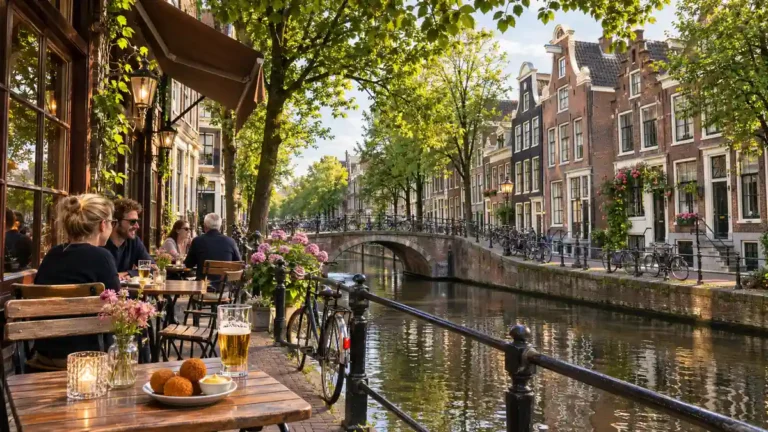
What summer buys is light and outdoor life. Evenings stay bright late, terraces spill onto the quays and the parks fill. What it costs is the highest relative prices of the year and timed museum tickets that sell out faster than in any other season.
- Go in summer if the August events are the reason for the trip, if long evenings outdoors matter more than short queues, or if school holidays fix your dates.
- Skip summer if your days centre on the big museums, if the budget is tight, or if crowded canal-side lanes would spoil the walk.
June is usually the gentler half of summer, before the August events and the peak of the holiday season. Pack for rain anyway: summer has the warmth of the year, not a dry guarantee.
September and October Are the Quieter Sweet Spot
September and October are Amsterdam’s quieter sweet spot: September keeps near-summer warmth with thinner crowds and softer prices, and October brings autumn colour and Amsterdam Dance Event while the rain picks up. November is the wettest, darkest stretch, with Museumnacht as its indoor highlight.
September is the verdict’s second window. The summer crowds thin once the school holidays end, rates ease, and the days are still long enough for a full canal walk. It gives up the tulips and gains almost everything else.
Amsterdam Dance Event (ADE), an electronic music festival and conference spread across the city’s clubs and venues for one week in mid-to-late October, is the exception to autumn’s calm. For that week, hotel demand and prices jump to peak-season levels. Anyone not coming for ADE gets more for the money by booking a week either side of it.
October and November are the wettest period of the year, at around 85–90 mm of rain a month. November is the transition into winter: Museumnacht, one night when museums across the city stay open late with music and events, gives the month its draw, and the Sinterklaas season begins in mid-November.
Autumn suits travelers willing to trade flowers for space. Its costs are shorter days, more rain as the weeks go on, and nothing in bloom.
Amsterdam in Winter: Cheapest, Darkest and Most Festive
January and February are Amsterdam’s cheapest and quietest months: cold, with means around 3–4 °C (high 30s °F), very short days and a trip that centres on museums. December is the festive exception, busy and pricey around Christmas and New Year.
The Sinterklaas season gives early winter its Dutch character. It opens in mid-November when Sinterklaas, the Dutch Saint Nicholas, arrives by boat, and it closes with gift-giving in early December. The Amsterdam Light Festival then lights the canals with art installations through the darkest weeks, roughly late November to mid-January, and Christmas markets add to the December pull.
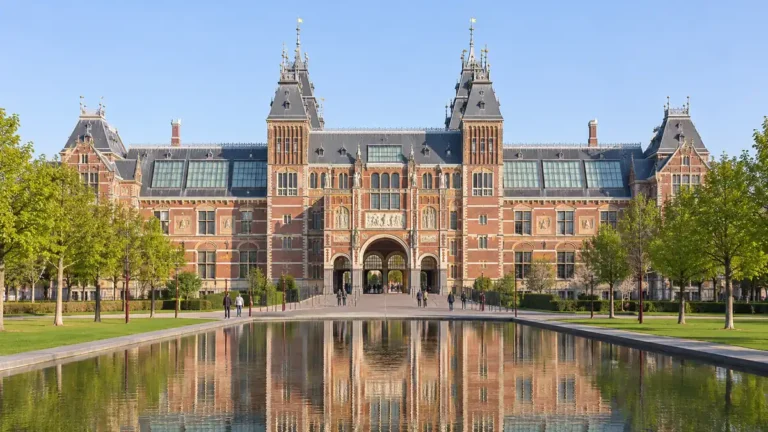
Winter is the season for museums. The Anne Frank House, the Rijksmuseum and the Van Gogh Museum still run on timed tickets, and those slots are far easier to get in January and February than in summer. Book ahead in any season, earlier in peak season; the steps are in our Amsterdam travel tips.
The tradeoff is light and wind. Sunshine averages only around 1.5–2 hours a day in December and January, and a cold wind off the water makes cycling hard work. Winter suits museum-first and budget-first trips, and visitors who want the city at its most local.
When Is the Cheapest and Quietest Time to Visit Amsterdam?
The cheapest and quietest time to visit Amsterdam is January to early March, outside the Christmas–New Year stretch. The most expensive and crowded times are high summer and the event peaks (King’s Day, Pride, ADE and New Year), with April close behind because of the tulips.
Prices follow a clear ladder through the year:
- Lowest: January to early March, outside the holiday weeks. The fewest visitors and the easiest museum slots.
- Moderate: November and most of September and October, outside ADE week. Good value with more rain as autumn deepens.
- High: March to May, rising through April, and December outside the holidays.
- Peak: June to August, King’s Day, Pride, ADE week and Christmas–New Year.
Flights follow the same pattern in relative terms: lowest in the late-winter lull, highest in summer and around the holidays.
Sidestepping the peaks takes small moves. Shifting a trip by a week either side of an event usually avoids its premium, and choosing September over May saves money when flowers matter less than cost. Amsterdam is cheapest in exactly the weeks when its museums are emptiest, so a museum-led trip has no reason to come in spring.
Best Time to Visit Amsterdam for Tulips, Museums, Festivals or a Budget
The best time to visit Amsterdam changes with the goal of the trip. For tulips, go in April or May; for the lowest prices, go in January or February. Each other goal points back to one of the seasons above:
- Tulips: April to May, with Keukenhof as the garden day trip (see spring).
- Museums without queues: January and February, on weekday mornings (see winter).
- Budget: January to early March, outside Christmas–New Year (see the cheapest window).
- Good weather: June to September, warmest in July and August.
- Festivals and nightlife: late April for King’s Day, August for Pride and the Grachtenfestival, October for ADE.
- Avoiding crowds: September to October, or January and February.
- Cycling: May to September, when wind and rain ease most.
- A first visit: late April to May or September, with the Amsterdam city guide for how the city fits together.
The Short Version
- Late April to May and September give Amsterdam’s best balance for a first trip: mild weather, long days, and crowds and prices below the summer peak.
- Spring brings the tulips and King’s Day, which makes April the busiest and priciest shoulder month, while May is warmer and calmer.
- Summer buys the warmest weather and the longest evenings at the year’s highest prices and the longest museum queues.
- January and February are the cheapest and quietest months and suit museum-first trips, at the cost of cold, wind and very short days.
- King’s Day, Pride, Amsterdam Dance Event and Christmas–New Year push prices and crowds to their peak, so moving a trip a week either side of them usually saves money.
- Rain falls in every month, so layers and a waterproof belong in the bag whatever the season.
Amsterdam Timing Questions
What is the worst time to visit Amsterdam?
There is no single worst time; it depends on what you most want to avoid. For crowds and cost, high summer and the event weeks (King’s Day, Pride and ADE) are the worst. For weather, late October and November bring the most rain and the fastest-shrinking days. Christmas–New Year is the worst value of winter: peak prices without the museum calm of January.
What is the rainiest month in Amsterdam?
October and November are the rainiest months in Amsterdam, with around 85–90 mm of rain each. April is the driest at around 40 mm, but rain is possible in every month, so a waterproof is worth packing all year.
What is the coldest month in Amsterdam?
January is the coldest month in Amsterdam, with February close behind; both average around 3–4 °C (high 30s °F). Short days and wind off the water make a canal walk or a bike ride feel colder than that figure suggests.
When is the best time to visit Amsterdam’s museums without crowds?
January and February, on weekday mornings outside school holidays, are the quietest times for Amsterdam’s big museums. The Anne Frank House, Rijksmuseum and Van Gogh Museum still use timed tickets then, so book ahead in any season and earlier in peak season; our Amsterdam tips page covers how.
How This Guide Was Checked
This page settles one question, which season to book for Amsterdam by weighing weather, crowds, relative cost and events; it is not a city guide, a Keukenhof or tulip visiting guide, an itinerary or a practical tips page.
Written with AI assistance, these seasonal comparisons were then gone over by Alex Perrut, working in tourism since 2015, for the Tripstou editorial team. How that works is set out in our editorial process.
Official sources consulted: KNMI (Royal Netherlands Meteorological Institute), I amsterdam (Amsterdam&Partners).
Plan the Rest of the Trip
- Amsterdam city guide: neighbourhoods, what to see and how the city fits together.
- Two-day Amsterdam itinerary: how to spend a short trip once the dates are set.
- Amsterdam travel tips: booking timed museum tickets, bikes, the city card and the practical rules.
- Keukenhof guide: the tulip garden’s season, tickets and how to get there.
Did this guide save you time or money? Tripstou is independent and reader-funded — if you'd like to give something back, you can support the site with a crypto contribution of any size.