On a first visit to Amsterdam, plan around three museums: the Rijksmuseum, the Van Gogh Museum and the Anne Frank House. Book the Anne Frank House before anything else, because its tickets are sold online only and run out first. Choose everything else by interest: Dutch Masters, WWII and Jewish history, the small canal-house museums, modern art and photography, or science, film and ships.
Time decides how far down the list you go. With one or two days, the big three plus one interest group is a realistic load. With three or more, the groups below fill the extra days, and the skip list tells you which well-known names you can leave out.
The Short Version
- If you see only one museum, make it the Rijksmuseum, which holds The Night Watch and The Milkmaid alongside 800 years of Dutch art.
- Choose the Rijksmuseum for breadth and the Van Gogh Museum for depth; anyone who came for Van Gogh himself should pick his museum, since the Rijksmuseum shows only a few of his works.
- The Anne Frank House sells tickets only online, through annefrank.org, for a set time slot, so book it the day your dates are fixed.
- Book in this order: the Anne Frank House, then the Van Gogh Museum, then the Rijksmuseum; the smaller museums can usually wait until you are in the city.
- The I amsterdam City Card makes the Rijksmuseum and the Rembrandt House free, but card holders still book a time slot where a museum requires one.
- On a short first trip, Moco and the Museum of the Canals are the two real museums you can drop, and the novelty “museums” are entertainment, not museums.
Rijksmuseum or Van Gogh Museum: which one if you only have time for one?
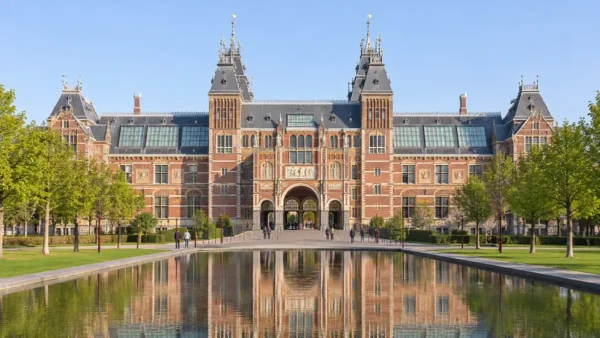
Pick the Rijksmuseum for breadth and the Van Gogh Museum for depth. The Rijksmuseum covers 800 years of Dutch art and holds The Night Watch and The Milkmaid; the Van Gogh Museum tells one painter’s life in order, in a shorter visit. A first-timer who wants “Dutch art” should choose the Rijksmuseum. Anyone who came to Amsterdam for Van Gogh should choose the Van Gogh Museum, because the Rijksmuseum shows only a few of his works.
| Question | Rijksmuseum | Van Gogh Museum |
|---|---|---|
| What it holds | The national collection: 800 years of Dutch art and history, The Night Watch, The Milkmaid | One artist’s work, hung in the order of his life |
| Visit length | Highlights in about an hour; most of a morning for a fuller visit | A shorter, more focused visit |
| Booking rule | Start time required for every visit; door tickets only if slots remain | Timed tickets booked online in advance, for a fixed date and time |
| Who it suits | First-timers who want the whole story of Dutch art | Visitors who came for Van Gogh himself |
Both museums face each other across Museumplein, with the Stedelijk beside them, so doing both in one day is easy on the feet. It is hard on the eyes. Two major collections back to back suit committed art lovers; most visitors get more from one of the pair plus the Stedelijk, or one of the pair plus the Anne Frank House. The ticket detail for each sits in the museum entries below.
The deciding question is whether you want to see Dutch painting or one Dutch painter: answer that and the Museumplein choice makes itself.
Tours and activities
Book skip-the-line tickets, day trips and local tours with free cancellation on most activities.
You can also browse everything on getyourguide.com.
Tripstou may earn a commission if you book through this link, at no extra cost to you.
Dutch Masters and the Golden Age: Rijksmuseum, Van Gogh Museum and Rembrandt’s House
Every first-timer should take at least one museum from this group. The three differ mainly in scale: the Rijksmuseum is the national collection, the Van Gogh Museum is one artist’s life, and the Rembrandt House is the home and studio where Rembrandt lived and worked.
Rijksmuseum
The Rijksmuseum is the museum to choose if you only see one, because it holds The Night Watch and The Milkmaid under the same roof as the rest of Dutch art history. Its highlights take about an hour; a fuller visit fills most of a morning.
Every visit needs a start time, Museumkaart holders included. Tickets are sold at the entrance only while slots remain, so booking online is the safer move, and you can reserve an entry slot once your day is fixed. The museum opens every day, public holidays included. It is the one museum for a reader who wants the whole story of Dutch art in a single building.
Van Gogh Museum
The Van Gogh Museum is the pick for anyone who wants to follow one painter’s life and work, told chronologically. The visit is shorter than the Rijksmuseum’s.
Entry works by timed tickets, booked online in advance and valid only for the selected date and time. Museumkaart holders book a slot too. Choose your date and time slot as soon as your Amsterdam days are set, and plan the rest of that day around it, because the ticket will not move with you. This museum is for the reader who came for one artist, not for a survey.
Rembrandt House Museum (Rembrandthuis)
The Rembrandt House is the artist’s own house and studio in the Jewish quarter, and it is free with the I amsterdam City Card. It sits a few streets from the WWII and Jewish history museums, so it pairs naturally with that half day. It works as the small, intimate counterweight to the Rijksmuseum: one man’s rooms after a nation’s collection.
Is the Anne Frank House worth it, and how do you get tickets?
Yes, the Anne Frank House is worth it for almost every first-time visitor, and the only way in is a ticket bought online from the museum’s own site for a specific time slot. There are no tickets at the door.
The hiding place itself is the reason to go. The visit is short and quiet, and the rooms carry more than any exhibit could. Visitors who find tight, crowded spaces difficult, or who are travelling with young children, may find it heavy going.
Two ticket types are sold:
- Museum visit: the standard timed entry to the house.
- Museum visit with an introductory programme: the same visit preceded by a 30-minute introduction, which helps visitors who know little of the history.
Tickets are released online in weekly batches several weeks ahead; book the day your dates are fixed. Tickets are sold only through annefrank.org. Products sold elsewhere under the “Anne Frank” name are walking tours of the neighbourhood and the Jewish quarter, and they do not include entry to the house.
The house stands on the canal ring, close to the small canal-house museums, so it combines easily with one of those. Missing the booking window is the usual way travelers lose this visit: no other Amsterdam museum punishes a late decision as hard.
Beyond Anne Frank: the WWII and Jewish history museums worth a half day
The Jewish quarter and the Plantage district hold the museums that tell the rest of the story, and together they fill a half day: the Jewish Museum, the Portuguese Synagogue, the National Holocaust Museum and the Dutch Resistance Museum (Verzetsmuseum). The Rembrandt House is a few streets away.
- Jewish Museum: centuries of Jewish life in the Netherlands, before and beyond the war; the pick if you want the community’s history, not only its destruction.
- Portuguese Synagogue: a monumental synagogue built by the city’s Sephardic community; worth the stop for anyone drawn to architecture and religious history.
- National Holocaust Museum: the persecution and deportation of Dutch Jews; suits visitors who left the Anne Frank House wanting the wider picture.
- Dutch Resistance Museum (Verzetsmuseum): daily life, collaboration and resistance under German occupation; the strongest pick for a reader who wants the occupation story beyond one family.
All four sit in one compact cluster east of the centre, so the half day needs no transport between them. If the Anne Frank House is sold out for your dates, this cluster is the substitute that teaches more history, though it cannot replace the hiding place itself.
Modern, photography and street art: Stedelijk, Foam, Moco and STRAAT
The Stedelijk is the serious pick for modern and contemporary art, and it sits on Museumplein beside the Rijksmuseum. Foam, Moco and STRAAT serve narrower tastes: photography, pop and street art, and large-scale street art across the IJ.
Stedelijk Museum
The Stedelijk is Amsterdam’s museum of modern art and design, and the third museum on Museumplein. It is the natural add-on for a reader who finds one dose of the Rijksmuseum enough history for a day and wants modern art next door.
Foam is the city’s photography museum, in a canal house on the canal ring; it is worth the detour if you follow photography and like changing exhibitions. Moco is short and popular, built around pop and street-art names; street-art fans enjoy it, but a first-timer with two days gets more from the Stedelijk or the Rijksmuseum. STRAAT shows large-scale street art in a former industrial hall at NDSM, across the IJ, and pairs well with Eye on the same side of the water. H’ART Museum (the former Hermitage Amsterdam) is exhibition-led, so check what is on before you plan around it.
Moco and the Stedelijk answer different questions: Moco shows what is famous, the Stedelijk shows why modern art changed. Choose by which question you came with.
The small canal-house museums most visitors walk past
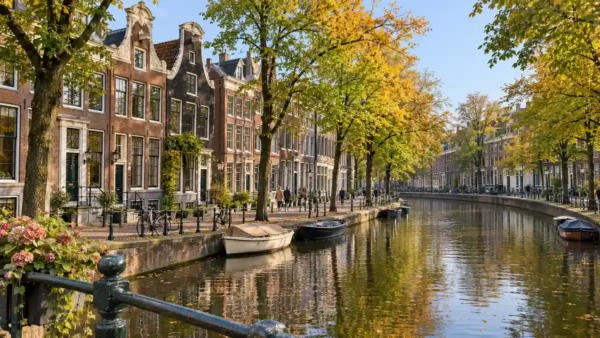
The canal ring hides Amsterdam’s most atmospheric small museums, and Our Lord in the Attic is the one to make time for. Museum van Loon and Huis Willet-Holthuysen show how wealthy canal-house families lived, and the Museum of the Canals explains how the ring itself was built.
Our Lord in the Attic (Museum Ons’ Lieve Heer op Solder)
Our Lord in the Attic is a complete church hidden inside the upper floors of a canal house. Climbing from ordinary living rooms into a full chapel under the roof is the most surprising moment any Amsterdam museum offers. It is the one to choose if you want a single unexpected museum on your trip.
Museum van Loon is a canal house still furnished as a family home; go there to see how the canal-ring elite actually lived.
Huis Willet-Holthuysen covers the same world through the eyes of collectors, with period rooms and their art and objects; it makes a good second stop for anyone who liked Van Loon or prefers interiors to paintings.
The Museum of the Canals (Het Grachtenhuis) is niche: it explains how the canal ring was planned and engineered. It suits a reader curious about how the city was built, and few others.
These museums cluster on the canal ring with the Anne Frank House. Small museums like these rarely need booking far ahead, which makes them the easiest gap-fillers around a fixed Anne Frank slot.
Science, film and ships: NEMO, Eye and the National Maritime Museum
These three are the answer for families, rainy days and anyone tired of paintings. NEMO and the National Maritime Museum sit together at the east docks; Eye faces the centre from across the IJ.
NEMO Science Museum is hands-on throughout, built for experiments over glass cases. It is the strongest choice in the city for families with children who have had enough of quiet galleries.
The National Maritime Museum (Het Scheepvaartmuseum) tells the story of Dutch seafaring, and its replica ship is the part most visitors remember. History readers who skipped the Rijksmuseum’s maritime rooms, or who want the trade behind the Golden Age, get the most from it.
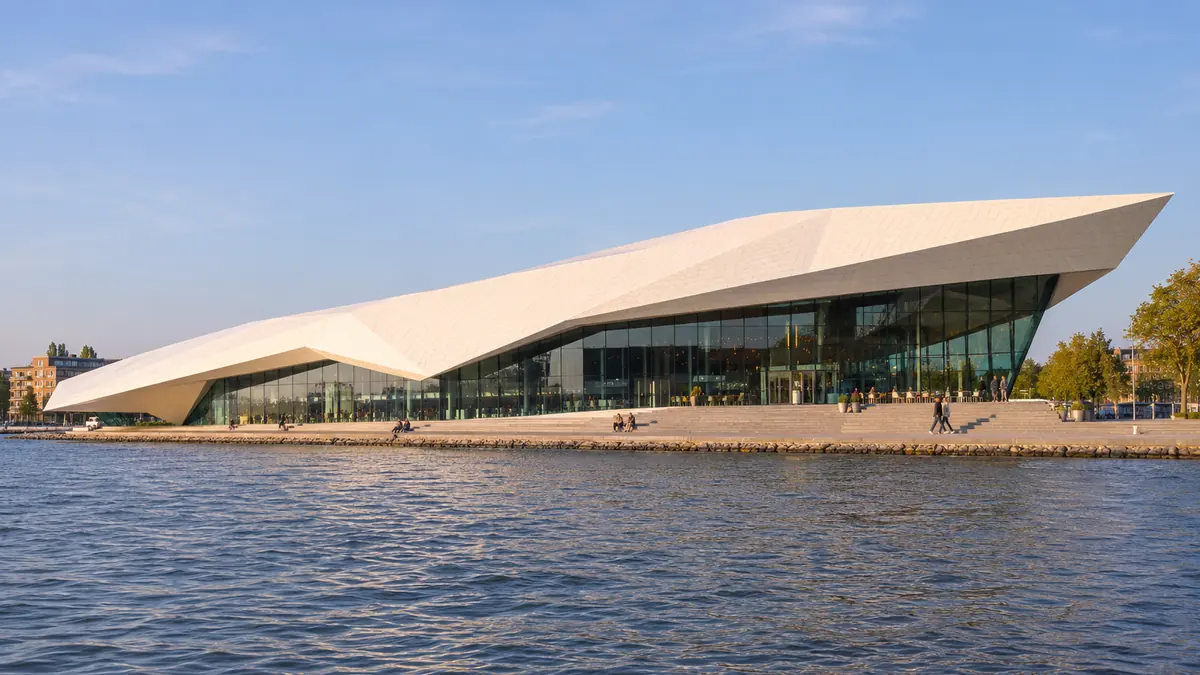
Eye Filmmuseum is about film, and the building itself is half the reason to go. Cinema lovers get exhibitions and screenings; everyone else gets the view back across the water, and STRAAT is close by for a combined afternoon on the north bank.
Which Amsterdam museums can you skip?
Skip the novelty attractions sold as “museums” (the Heineken Experience, the Upside Down Museum, the Amsterdam Dungeon and Madame Tussauds), because they are entertainment, not museums. Among the real museums, Moco and the Museum of the Canals are the two a first-timer with two days can drop without regret.
- Moco: keep it if street art and pop art are your thing; skip it on a first, short trip, where the Stedelijk covers modern art in more depth.
- Museum of the Canals: keep it if urban history and engineering interest you; skip it if you would sooner see a canal house lived in, which Van Loon does better.
The novelty attractions have their place on a different kind of list. If you want something else from the city, our guide to things to do in Amsterdam beyond the museums covers them alongside the canals and markets.
Which museums to book first, and how far ahead
Book the Anne Frank House the day your dates are fixed, then the Van Gogh Museum, then the Rijksmuseum. The smaller museums rarely need advance booking, so they can wait until you are in the city.
- Anne Frank House: online only, for a specific time slot; tickets are released online in weekly batches several weeks ahead, so book the day your dates are fixed.
- Van Gogh Museum: timed tickets booked online in advance, valid only for the selected date and time; book as soon as you know which day you will be on Museumplein.
- Rijksmuseum: a start time for every visitor, with door sales only while slots remain; book once the bigger two are placed.
Book in that order and the two fixed slots shape your days, not the other way round. Fitting the museums into a short stay is a pacing question, and our two-day Amsterdam itinerary shows how they sit across the days. Arrival, neighbourhoods and budget are in the Amsterdam travel guide.
Does the I amsterdam City Card or Museumkaart help with museums?
The I amsterdam City Card is worth considering if both the Rijksmuseum and the Rembrandt House are on your list, because both are free with the card. It does not cover every big museum, and card holders still book a time slot where a museum requires one. The Museumkaart is an annual Dutch museum pass; holders still book a time slot.
- What the City Card covers: the Rijksmuseum and the Rembrandt House are free with the card, among more than 70 attractions and museums.
- What it does not settle: it does not cover every big museum; check before you buy.
- What both cards still need: a booked slot. The Rijksmuseum requires a start time for everyone, Museumkaart holders included, and Museumkaart holders at the Van Gogh Museum bring the card plus an e-ticket for their slot.
A card removes the payment at the door, never the booking. Plan the slots first, then decide whether a card saves you anything on the museums you actually chose.
How We Checked This
This page is a selection of Amsterdam’s museums grouped by interest, with a verdict on which to skip and the ticket rules for the Rijksmuseum, the Van Gogh Museum and the Anne Frank House; it is not a visit guide to any one museum, an itinerary or a price list.
Alex Perrut, working in tourism since 2015, went over the museum picks and booking rules for the Tripstou editorial team; the page was written with AI assistance, following our editorial process.
Official sources consulted: Anne Frank House, Rijksmuseum, Van Gogh Museum ticket shop, I amsterdam.
Plan the Rest of Amsterdam
- Amsterdam travel guide: arrival, neighbourhoods and budget for the whole trip.
- Amsterdam in two days: how the museums fit into a short visit.
- Things to do in Amsterdam: canals, markets and the attractions left off this page.
Did this guide save you time or money? Tripstou is independent and reader-funded — if you'd like to give something back, you can support the site with a crypto contribution of any size.