Palermo arrives loud. Sicily’s capital carries a reputation for noise, grime and crime, and that reputation is the reason most people hesitate before booking. This guide settles the three questions that decide the trip: whether travel to Palermo, Italy is worth a slot in a Sicily plan, how many days the city actually earns, and how a first-timer handles it on the ground. It also frames the decisions that follow — which area to sleep in, what to see first, how fast to move, which day trips are real — and points to the pages that resolve each one in full. Palermo is also the natural base for the western half of the island, while how the island as a whole links together belongs to the Sicily guide. The verdict comes first, the reasoning after.
Quick Answer
Palermo is worth two to three days for travelers who want markets, Arab-Norman architecture and street food over polish. Two days covers the centre and one excursion; a third day makes Monreale or Cefalù comfortable instead of rushed. It suits people who tolerate noise and rough edges. Resort calm is elsewhere in Sicily.
Trust Layer
Tripstou city guide for travelers planning a city trip. Covers trip length, stay style, season, cost, and mobility tradeoffs.
Produced with AI assistance and reviewed by Alex Perrut, working in tourism since 2015, for the Tripstou editorial team. See our editorial process for details.
Last factual review: September 19, 2026.
Official sources consulted: Italia.it, ENIT — Italian National Tourist Board, Fondazione Federico II, Prestia e Comandè.
Key Takeaways
- Palermo earns two to three days from travelers who want markets, street food and layered architecture more than polish.
- Plan Palazzo dei Normanni for Thursday to Monday — the Royal Apartments close Tuesday and Wednesday, shrinking what your ticket opens.
- The third day is the one that changes the trip, buying Monreale or Cefalù instead of another lap of the centre.
- Travel in spring or autumn if the dates are open: high summer heat moves sightseeing to early morning and late evening.
- Skip the rental car until the day you leave Palermo; restricted-traffic zones and scarce parking make it a liability inside the city.
- The real safety risks are pickpockets in the markets and on buses, plus scooters that treat crossings as advisory.
Table of Contents
Is Palermo Worth Visiting, and Who Should Skip It?
Palermo is worth visiting for travelers who want markets, street food and layered architecture over comfort and polish. The sights sit close together in a walkable centre, and the Cappella Palatina alone justifies the stop. The trade-off is constant: noise, traffic and grime that no amount of planning removes.
The case for Palermo is density. Norman, Arab, Byzantine and Baroque work stacks inside the same few streets, often inside the same building, and you reach most of it on foot in a morning. The case against it is texture. Scaffolding, litter and shouting traffic are part of the daily picture, and the city does not tidy itself up for visitors the way Taormina or Cefalù do. Palermo is not a soft landing.
- Visit if: you want markets, street food and architecture that layers Arab, Norman and Baroque inside one building.
- Skip if: you want an ordered, quiet base with polished restaurants and short transfers — other corners of Sicily do that better.
The travelers who regret Palermo are almost always the ones who gave it half a day between flights; the city reads as pure chaos until you have walked it twice. If you are still weighing Palermo against other Italian destinations, the best places to visit in Italy comparison sets it against the rest of the country, and the Sicily travel guide handles how the island fits together and which base suits which route.
What Palermo Is Known For
Palermo is known for the Cappella Palatina, its Arab-Norman churches, three street-food markets and a chaotic layered centre. Quattro Canti is the pivot everything else hangs off: Fontana Pretoria beside it, Palermo Cathedral and Palazzo dei Normanni to the west, Teatro Massimo to the north, the Capuchin Catacombs further out.
Which day you go to Palazzo dei Normanni changes what your ticket opens. The Royal Apartments are open Thursday to Monday and closed Tuesday and Wednesday; on those two days the ticket covers the Palatine Chapel, the Royal Gardens, temporary exhibitions and the archaeological area only. Last admission is 16:30 Monday to Saturday and 12:30 on Sundays and public holidays — the early Sunday cut-off is the one that catches people planning a slow start.
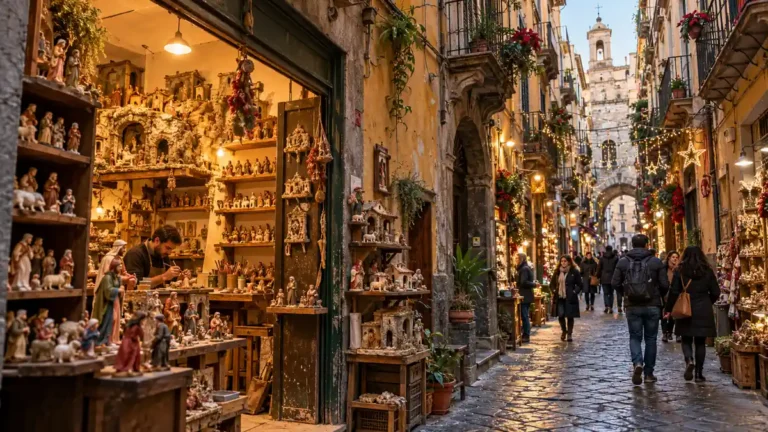
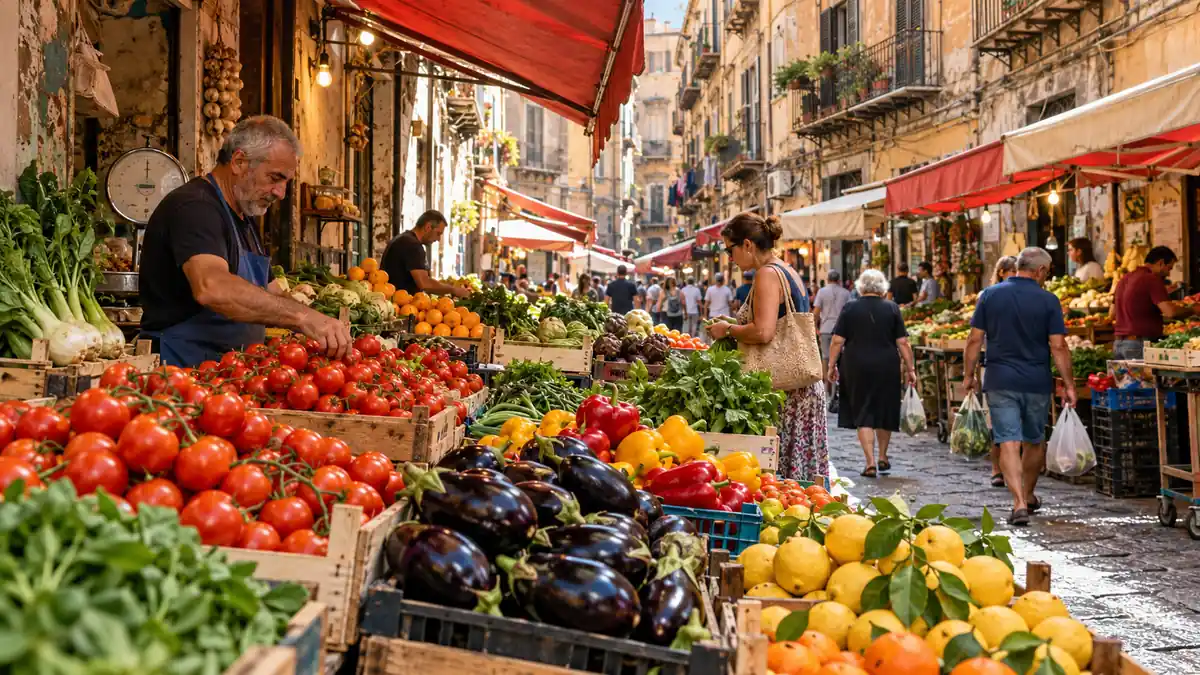
Ballarò, Vucciria and Capo are the three markets, and they are where the city’s food actually lives — fried snacks eaten standing up, seafood, and produce sold loudly and early. Ballarò trades hardest in the morning. Vucciria flips from market to drinking quarter after dark, which is why it turns up again in the stay and safety sections below.
This page names the sights and stops there by design. Per-sight detail, ticket types, opening hours and what is worth queueing for belong to the things to do in Palermo guide.
Tours and activities
Book skip-the-line tickets, day trips and local tours with free cancellation on most activities.
You can also browse everything on getyourguide.com.
Tripstou may earn a commission if you book through this link, at no extra cost to you.
How Many Days You Need in Palermo
Two to three days is the right length for Palermo, with three the comfortable choice if a day trip matters. The historic centre is compact and walkable, so the markets, Quattro Canti and the Cappella Palatina fill roughly a day and a half. The third day buys Monreale or Cefalù.
- One day: Quattro Canti, the Cathedral, one market and the Cappella Palatina if the day of the week cooperates. Fits a stopover between flights or ferries, and nothing more.
- Two days: the full historic centre at walking pace, both morning markets, and an evening that is not a route march. The standard first visit.
- Three to four days: the centre plus Monreale or Cefalù, with room for the Catacombs, a Mondello afternoon and a repeat meal you liked. Fits travelers using Palermo as their western Sicily base.
Three days is the sweet spot. The third day is the only one that changes the trip’s shape, because days one and two are both spent inside the same square kilometre — the first real change of scene is a day you have to budget for deliberately. For the day-by-day sequencing this section deliberately avoids, the 2-day Palermo itinerary lays out the route in order.
When to Visit Palermo
Spring and autumn are the best times to visit Palermo; high summer is hot enough to change how you sightsee. Heat pushes the markets and the walking into the early morning and empties the middle of the day. Crowds and prices also ease outside the summer peak. Winter is mild but quieter, with shorter opening patterns.
| Season | Heat and comfort | Crowds | Price signal |
|---|---|---|---|
| Spring (March to May) | Warm, comfortable for walking all day | Building, still easy inside the markets | Below the summer peak on most stays |
| Summer (June to August) | Hot enough to reshape the sightseeing day | Heaviest, concentrated around Mondello | Highest of the year across the board |
| Autumn (September to October) | Still warm, and the sea stays swimmable | Thinning quickly once the schools return | Eases as the beach season closes down |
| Winter (November to February) | Mild days with occasional heavy rain | Lowest, and the centre feels local again | Cheapest window of the year for stays |
The heat is a scheduling problem before it is a comfort problem. In the summer peak the useful hours run early and late, the markets are done by lunch, and the middle of the day goes to an interior, a long meal or a bus to the beach. August compounds both pressures at once: the Mondello beach day that relieves the city is the day every other visitor has also planned, so the escape route fills up exactly when you need it. Shoulder-season travelers get the same city with a usable afternoon.
Palermo runs warmer and longer than the north of the country, so national advice shifts by several weeks here. For the country-wide picture, see the best time to visit Italy guide.
Where to Stay in Palermo, Broadly
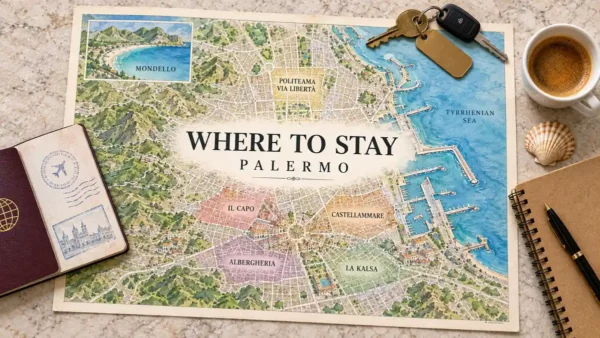
First-timers should stay inside or just beside the historic centre — Kalsa for atmosphere, Politeama and Libertà for calm. Central streets put the markets, Quattro Canti and the Cappella Palatina within a walk. The limit is noise: the centre stays loud late, and a few streets feel rough after dark.
- Kalsa — Best for: travelers who want restored palazzi and evening life inside the old city walls.
- Politeama / Libertà — Best for: travelers who want ordered streets, a calmer night and easy coach connections.
- Vucciria — Best for: night-out travelers who want the drinking quarter downstairs and accept the noise that comes with it.
- Centro storico around Quattro Canti — Best for: short first visits that want every main sight reachable on foot.
The street matters more than the district. Two addresses 200 metres apart in the centro storico can feel like different cities after midnight, which is why booking by neighbourhood name alone under-resolves the decision in Palermo more than it would in Florence or Bologna. Read the reviews for the words “noise” and “stairs” before the words “location”. Full neighbourhood resolution, with the trade-offs street by street, sits in the where to stay in Palermo guide.
Hotels and places to stay
Compare hotels, apartments and stays for your dates in one search.
Search hotels and stays on hotels.com →
Tripstou may earn a commission if you book through this link, at no extra cost to you.
How to Arrive and Get Around Palermo
Fly into Falcone Borsellino, take the train or the airport coach into the centre, then walk. Palermo’s historic core is a walking city, and its main sights sit inside a compact grid of old streets. A car is a liability in the centre and useful only for leaving it.
From Falcone Borsellino airport to the centre
Two public options connect Falcone Borsellino with the city: a train to Palermo Centrale, and the airport coach to Politeama and the centre. Both take under an hour. The coach operator, Prestia e Comandè, runs departures every 30 minutes, all year and on public holidays, and recommends reserving a seat; its own timetable page puts the journey at about 50 minutes. The fare is quoted in the operator’s booking flow, so confirm it there before you travel.
Getting around the historic centre
Walking is the default inside the historic centre, where the markets, Quattro Canti, the Cathedral and Teatro Massimo all sit within one walkable core. City buses cover what walking does not: Mondello for the beach, Monreale for the cathedral above the city. There is no metro to plan around. Expect uneven pavement, and pack shoes that survive it.
Whether you need a car in Palermo
You do not need a car in Palermo, and inside the city it works against you. Restricted-traffic zones cover much of the historic centre, secure parking is scarce and expensive, and Palermo traffic is an event, not a commute. Pick the car up on the morning you leave, not the day you arrive — it starts earning its cost the moment the rest of the island begins. Driving the rest of Sicily is a separate decision that only opens once the city is behind you.
How Much a Palermo Trip Costs
Palermo is one of the cheaper Italian cities to visit, and food is where the gap shows most. Market stalls and fried street snacks keep daily eating cheap, and central stays undercut mainland equivalents. What adds up is movement: day trips, transfers and a rental car once you leave the city.
- Budget: a hostel or simple guesthouse in or beside the centro storico, market food most days, buses for everything. Palermo is unusually kind to this style, because the cheapest food here is also the food worth coming for.
- Mid-range: a restored-palazzo B&B or small hotel, trattorias mixed with street food, the occasional taxi at night. This tier stretches further in Palermo than in most Italian cities.
- High-end: a design hotel, private drivers, Mondello and long restaurant meals. The city’s ceiling is lower than Florence’s or Milan’s, so the spend buys comfort and distance more than access.
Food is where Palermo undercuts everywhere. The high-end style is the one the city rewards least, because its defining experience — eating standing up in a market at nine in the morning — costs almost nothing and cannot be upgraded. Day-trip transport and a rental car are the two lines that actually move a Palermo budget. Country-level daily bands, broken down by spend style, live in the Italy trip cost guide.
Day Trips from Palermo, Ranked by Travel Time
Mondello, Monreale and Cefalù are Palermo’s genuine day trips, in that order of travel time. Each is reachable by city bus or regional train in around an hour or less, so none of them costs you a whole day. Taormina, Etna and Agrigento are not Palermo day trips.
| Destination | How you get there | Rough travel time | Why it earns the trip |
|---|---|---|---|
| Mondello | City bus from the centre, no train | About 30 to 45 minutes each way | The city’s own beach and summer escape |
| Monreale | City bus climbing out of the city | About 30 to 45 minutes each way | The Norman cathedral’s gold mosaic interior |
| Cefalù | Regional train from Palermo Centrale | About 45 to 60 minutes each way | A walkable seaside town beneath its rock |
Mondello and Monreale are half-days. Pairing one of them with a market morning is what actually fits a Palermo day, and it is the reason a third day here stretches further than the map suggests. Cefalù is the one that wants the whole day, because the town rewards an afternoon and an evening meal.
Taormina, Etna and Agrigento get called Palermo day trips constantly, and the distances say otherwise: they sit too far east or south to work from here and belong to a Sicily route instead, which the Sicily travel guide sequences properly. If Palermo is one stop in a longer national trip, the Italy itinerary guide handles where it goes next.
Is Palermo Safe for Tourists?
Palermo is safe for tourists in the way large southern European cities are: pickpocketing and traffic are the real risks. Organised crime is not a tourist-facing problem here, and the central streets are busy and policed well into the night. Scooters are the underrated hazard.
The city’s reputation and the visitor’s actual risk profile are two different things, and conflating them is what makes people skip a trip they would have enjoyed. The practical risks are ordinary, and they are concentrated in predictable places.
- Markets and buses: Ballarò, Capo and the airport and Mondello buses are where bags get opened. Keep bags in front on buses.
- After dark: the back lanes behind Ballarò and the edges of Vucciria empty out and feel rough late, while Vucciria’s bar core itself stays crowded and fine. The blocks immediately around Palermo Centrale are best crossed briskly rather than lingered in.
- Traffic: scooters treat pedestrian crossings as advisory. Cross decisively and predictably, and watch both directions on one-way streets.
- Traveler fit: solo travelers and families both do fine in the centre; first-timers who find noise stressful should weight their stay choice towards Politeama over the deep centro storico.
Where you sleep does more for your experience of Palermo at night than any precaution does, which is why the stay decision and the safety decision are really one decision here. The full breakdown of choosing a Palermo neighbourhood covers it street by street.
Frequently Asked Questions
Is Palermo Walkable?
Yes, Palermo’s historic centre is comfortably walkable. The Cathedral, Quattro Canti, the markets and Teatro Massimo sit inside one dense core, so you rarely need transport for sightseeing. Buses only matter for Mondello and Monreale. Pavements are uneven and scooters are quick, so sturdy shoes and alert crossings matter.
Is 2 Days Enough for Palermo?
Two days is enough for the city itself, not for the city plus an excursion. It covers the historic centre at walking pace, both morning markets and the Cappella Palatina, with an evening left over. Monreale, Cefalù or Mondello need a third day to avoid a rushed morning.
How Do You Get from Palermo to Cefalù?
Take a regional train from Palermo Centrale; the ride runs roughly 45 to 60 minutes depending on the service. Cefalù’s old town and beach sit within an easy walk of the station, so no onward transport is needed. Driving the coast road adds parking problems, not speed.
Which Days Are the Royal Apartments at Palazzo dei Normanni Open?
The Royal Apartments open Thursday to Monday and close on Tuesday and Wednesday. On those two closed days the ticket still covers the Palatine Chapel, the Royal Gardens, temporary exhibitions and the archaeological area, so the visit is worth keeping. Last admission falls earlier on Sundays and public holidays.
Can You Go to the Beach from Palermo?
Yes, Mondello is Palermo’s own beach and a city bus reaches it in roughly 30 to 45 minutes. The water is shallow and the bay is family-friendly, and the trip works as a half day, not a full one. Expect it to be busiest in the summer peak, especially at weekends.
Do People Speak English in Palermo?
Yes, enough for a visit. English is routine in hotels, at the main sights and in central restaurants, and menus in the centre are usually translated. Market stalls, city buses and neighbourhood trattorias are a different story, and that is where a few Italian words earn their keep.
Related Guides
- 2-day Palermo itinerary — the day-by-day route through the historic centre.
- Where to stay in Palermo — neighbourhood resolution and stay-style trade-offs.
- Things to do in Palermo — sight detail, tickets and opening logistics.
- Sicily travel guide — island routing, regional pairing and how long Sicily needs.
- Italy trip cost — daily spend bands by travel style.
- Best time to visit Italy — national seasonality, region by region.
- Italy travel guide — the country-level planner above this page.
Did this guide save you time or money? Tripstou is independent and reader-funded — if you'd like to give something back, you can support the site with a crypto contribution of any size.