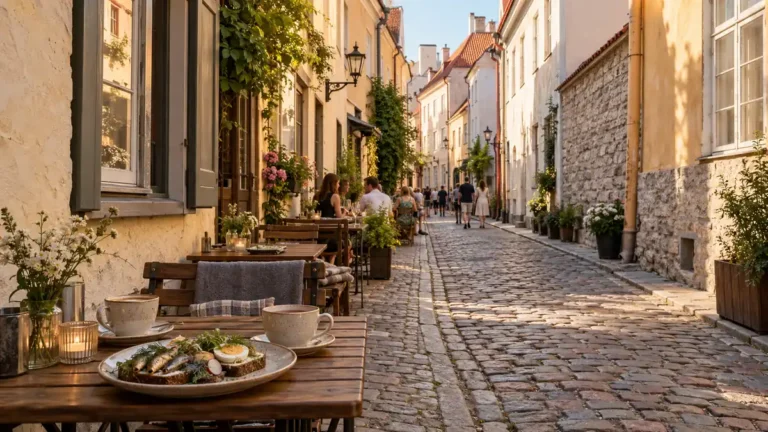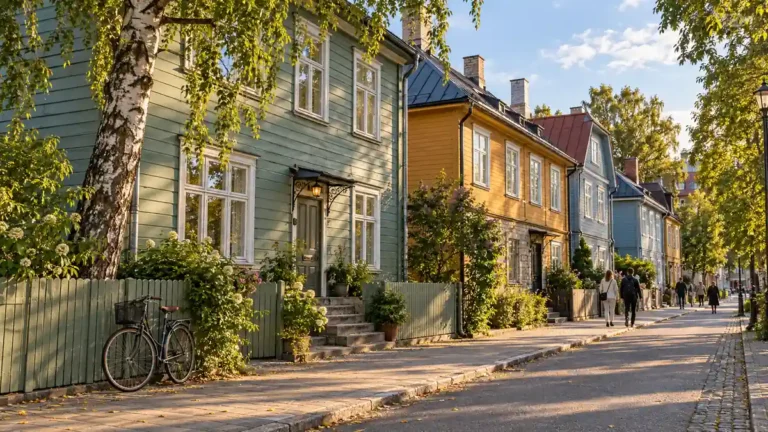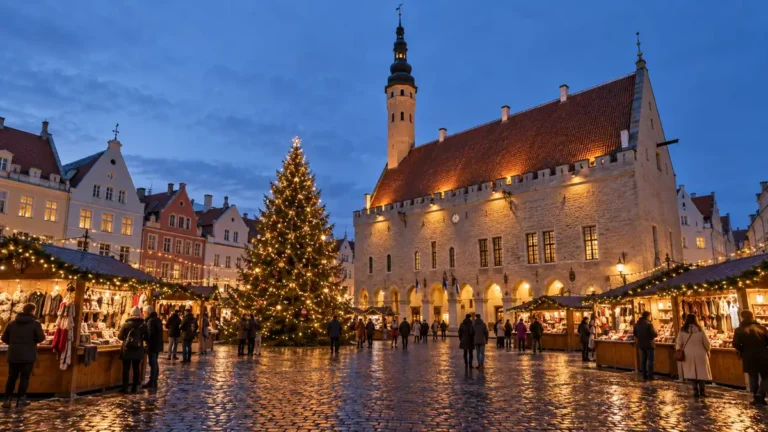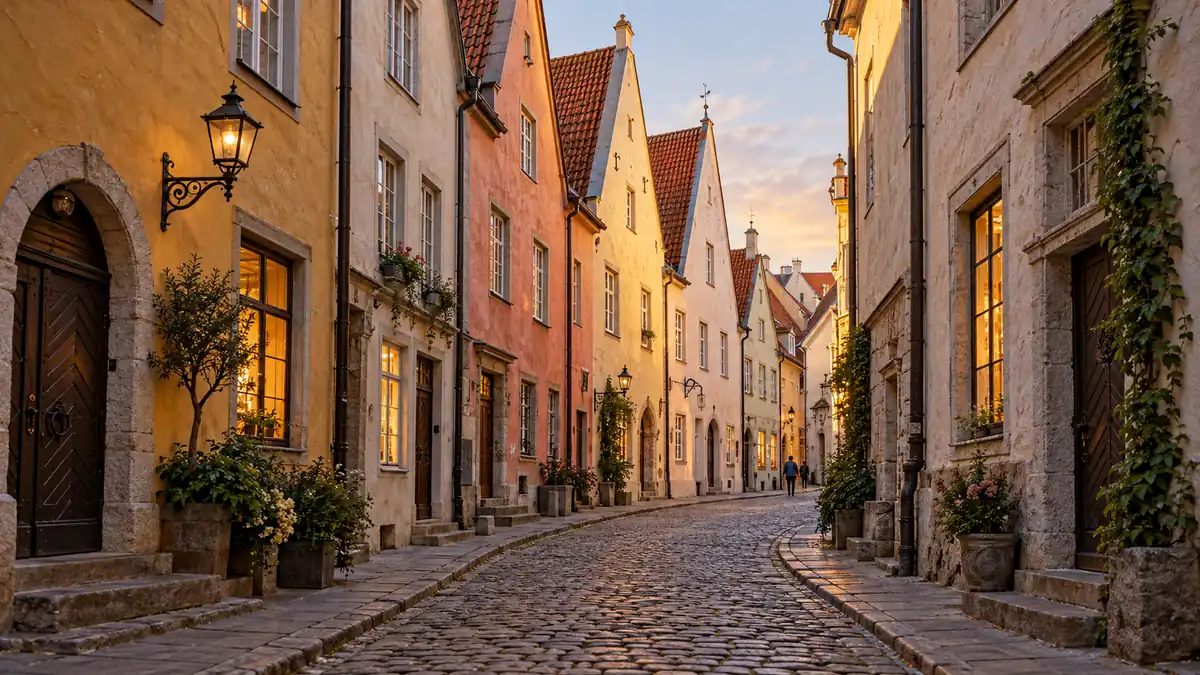
The best area to stay in Tallinn for a first or short visit is the Old Town, because everything is walkable, though it comes with a price premium, evening noise and cobblestones with luggage. Kalamaja is the strongest alternative for a local, better-value stay a short walk from the walls, and the Port area suits ferry stopovers.
Choosing where to stay in Tallinn comes down to one question: sleep inside the medieval walls, or a short walk or tram ride outside them. The city is compact, so no sensible base leaves you far from the Old Town. Each area still changes how your evenings feel, what you pay and how easily you arrive.
This guide compares five areas: the Old Town, the City Centre and Rotermann Quarter, Kalamaja, Kadriorg and the Port area. Each is weighed on atmosphere, convenience, price position and the traveler it suits.
Three tie-breakers settle most decisions. Trip length decides whether the Old Town’s premium pays off. Budget pushes you toward the neighbourhoods just outside the walls. Your arrival point (ferry, train or plane) can make one base far easier than the rest.
Who Reviewed This Tallinn Guide, and Against What
This is an area-selection guide to Tallinn: it weighs the Old Town, the City Centre and Rotermann, Kalamaja, Kadriorg and the Port area as places to sleep. It is not a city guide, a hotel roundup, an itinerary or a nightlife guide.
Produced with AI assistance, these Tallinn area calls and arrival distances were read against the sources below by Alex Perrut, working in tourism since 2015, for the Tripstou editorial team. The editorial process page describes each step.
Official sources consulted: Visit Estonia, Estonian Ministry of Economic Affairs and Communications, Visit Tallinn.
On This Page
The Old Town is the best overall base for first-timers
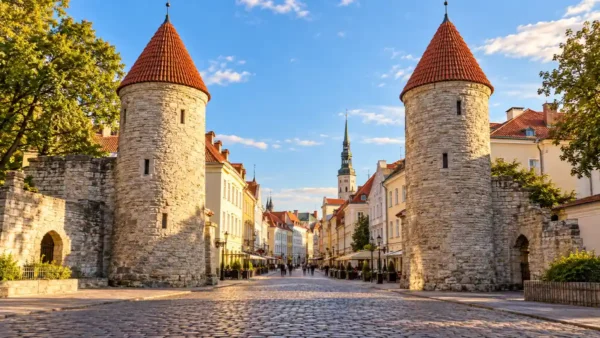
The Old Town is the best base for a first visit or a stay of up to three nights. The main sights, most of the best restaurants, the railway station and the ferry port are all on foot, so you never need a tram or taxi to see the heart of the city.
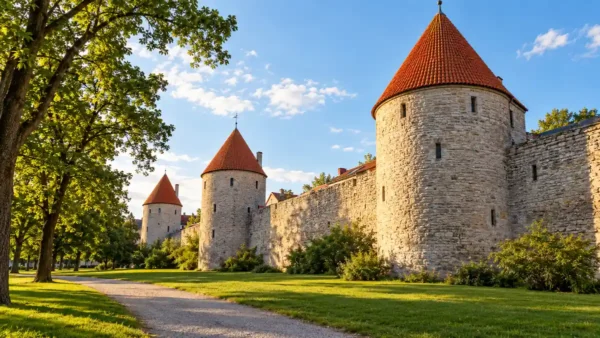
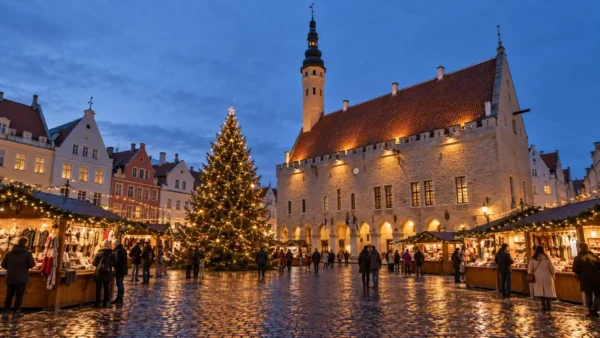
The Old Town splits into two moods. Lower Town is the busy medieval core of lanes, merchant houses and Town Hall Square, lively from morning until late evening. Toompea, the hilltop above it, empties after dark and trades bars for viewing platforms over the rooftops.
Convenience is the area’s real selling point. You can reach the main sights inside the walls without planning a single transfer. Both the station and the ferry terminals are within walking distance. Kadriorg, Pirita and the airport are better reached by tram or bus. The catch is luggage: many lanes are cobbled and closed to most cars.
Price is where the Old Town costs you. It carries Tallinn’s accommodation premium, and mid-range and high-end stays dominate the supply. Budget rooms and hostels exist, but they fill first in summer and December.
Toompea gives the same walkability as Lower Town with far calmer nights, which makes it the better Old Town pick for light sleepers who still want the medieval setting.
Hotels and places to stay
Compare hotels, apartments and stays for your dates in one search.
Search hotels and stays on hotels.com →
Tripstou may earn a commission if you book through this link, at no extra cost to you.
Is the Old Town worth the premium?
The Old Town is worth the premium on a first visit of up to three nights, not on longer stays. Budget-led, luggage-heavy or repeat trips are better served by Kalamaja or the City Centre, which sit a short walk from the walls and remove most of the Old Town’s costs.
Sleeping inside the walls has three costs:
- Price: the walls carry Tallinn’s highest room rates, and the gap widens in summer, in December and on cruise-ship days.
- Noise: the busiest Lower Town streets stay loud late into the night in summer and at weekends; Toompea, the hilltop half, is the quieter choice.
- Cobblestones: many lanes are cobbled and closed to most vehicles, so wheeled luggage often means a bumpy roll from the drop-off point to the door.
Each cost shrinks on a short trip. Waking up beside the medieval lanes earns its price over a weekend. Over a week, the premium compounds while the novelty fades.
Ask how close a car can get before you book an Old Town room. The stretch of cobbles between drop-off and door decides how much the walls cost you on arrival day.
Kalamaja is the strongest alternative for local feel and value
Kalamaja is the strongest alternative to the Old Town for local feel and better value. Its painted wooden houses and the Telliskivi creative quarter give the most food-and-design-led stay in Tallinn, a short walk from the walls through the streets behind the railway station.
Kalamaja reads as a lived-in neighbourhood. Streets of wooden houses lead to Telliskivi, a former factory complex now filled with restaurants, studios and independent shops. Noblessner, the seaside edge of the district, adds a newer harbour-front strip of restaurants. Locals outnumber tour groups here.
The Old Town is walkable via the railway station, and trams run along the district’s edge for longer hops. Evenings are noticeably calmer than inside the walls. Some streets are a longer walk from the centre than others.
Budget and mid-range stays are strong — guesthouses, apartments and smaller hotels — and usually better value than the walls. High-end choice is limited.
The value sits on the station side of Kalamaja: a room close to the railway station keeps most of the Old Town’s walkability at a lower price, while the far streets toward the sea trade that edge away. Telliskivi sits on that station side, beside the railway station, so a room near it is a Kalamaja stay with restaurants, bars and studios on the doorstep.
Old Town or Kalamaja: which should you choose?
Choose the Old Town for a short first visit and Kalamaja if you have been before or are staying longer. Kalamaja also wins for travelers who care more about cafés, food and value than medieval streets, while the Old Town wins on pure sightseeing convenience.
- Old Town: suits first-timers on a short stay who want to step straight into the sights. The trade-off is higher prices and busier, noisier evenings.
- Kalamaja: suits repeat visitors, longer stays and food-minded travelers, at the cost of a walk to the walls each time you go sightseeing.
The choice is low-stakes. The two areas border each other across the railway station, so you can walk between them easily and spend evenings in whichever one you did not book.
Book Kalamaja and eat in the Old Town, never the reverse: the walls are worth visiting for an evening, while Kalamaja’s quieter streets are the better place to sleep.
City Centre and Rotermann suit travelers who want modern comfort minutes from the walls
The City Centre and Rotermann Quarter are the base for a modern room within walking distance of the Old Town. Kesklinn and the converted industrial Rotermann blocks sit just east of the walls, trading medieval atmosphere for newer hotels, shopping and often better value for a comparable room.
Rotermann is Tallinn’s showcase of new architecture. Old warehouses and mills have been reworked into glass-and-stone blocks with shops, cafés and offices. The wider centre around it is a working modern city of malls, office towers and international hotel brands. It feels contemporary, and character is thinner than inside the walls.
Getting anywhere is easy from here. The Viru gate into the Old Town is a short walk away. The area doubles as the city’s main tram and bus hub, and the ferry port lies close by to the north.
Mid-range stays are the area’s strength, usually a step below the Old Town for a comparable room. The choice of high-end hotels is solid too, and budget options are thinner here than in Kalamaja.
Rotermann removes the luggage problem altogether: smooth pavements and car access run to the hotel door, and the medieval lanes start a few minutes’ walk away, empty-handed.
Kadriorg is the quiet pick for couples and families
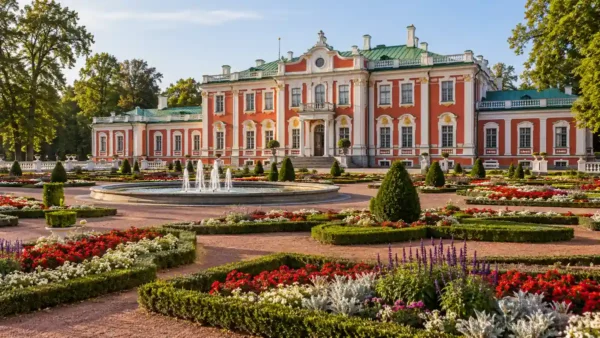
Kadriorg is the quiet pick for couples and families who value green space over being central. The district trades walk-to-everything convenience for parks, sea air and calm nights east of the centre, with the Old Town a short tram ride away.
Kadriorg is built around its palace park. Kadriorg Palace, formal gardens and wooded paths lead down toward the seafront promenade. The surrounding streets are residential, lined with wooden villas and older apartment blocks. Evening noise is close to nil.
Kadriorg is not a walking base for the Old Town. Most visitors take the tram into the centre each day, which is easy but adds a step to every outing. A late dinner in the Old Town means a ride home.
Prices lean mid-range and high-end. Supply is limited, so the best rooms book early, and budget options are scarce compared with Kalamaja or the City Centre.
Kadriorg works when the Old Town is a place you visit, not a place you return to between sights; families who break the day with park time and the promenade gain the most from it.
The Port area works for ferry arrivals and short stopovers
The Port area works for travelers arriving or leaving by Helsinki ferry, and for one-night stopovers. Staying in Sadama puts the passenger terminals and the Old Town both on foot, at the cost of atmosphere: the district is functional, with newer hotels and little evening life.
Sadama is a working harbour district. Newer hotels, office blocks and terminal buildings line the streets, and the area quietens once the day’s ferries have left. It is practical, not charming.
Location is the whole reason to book here. The terminals and the Old Town are both a walk away, so an early sailing or a late arrival needs no transfer at all. For a two-day stay, base here or in the Old Town and follow the two-day Tallinn itinerary, which starts and ends on foot from either.
Rooms are mostly mid-range and often good value outside summer. Cruise-ship days and peak ferry traffic fill the area fastest, and high-end choice is thin.
Book the port for the night before an early Helsinki sailing. For any longer stay, the Old Town is nearly as close to the terminals and far livelier after dark.
The best area to stay in Tallinn for each kind of trip
For most first-time visitors the Old Town is the right base; the four alternatives each solve one specific need. Kalamaja gives local feel and better value, the City Centre and Rotermann Quarter give modern comfort, Kadriorg gives quiet nights, and the Port area serves Helsinki ferry stopovers.
The table sets the five areas side by side. Read the trade-off column first. It usually decides the booking.
| Area | Best for | Main trade-off | Distance logic |
|---|---|---|---|
| Old Town | First-time visitors on a short stay | Highest prices, evening noise, cobblestones with luggage | Inside the walls, everything on foot |
| City Centre and Rotermann | Modern rooms and shopping near the walls | Less historic atmosphere than the medieval lanes | Short walk east through the Viru gate |
| Kalamaja | Local feel, cafés and better value | Fewer classic sights right outside the door | Short walk north-west, behind the railway station |
| Kadriorg | Quiet nights, parks and sea air | Not a walking base for the Old Town | Short tram ride east of the centre |
| Port area | Helsinki ferry arrivals and one-night stopovers | Functional streets with little evening life | Short walk north of the Old Town |
A few traveler types fall outside the table:
- Longer stays: Kalamaja or the City Centre, for everyday shops, cafés and quieter nights at better value.
- Food and evenings out: Kalamaja, where the Telliskivi restaurants and bars sit a few minutes from your door.
- Families with young children: Kadriorg for park space and calm streets, or the City Centre for newer, larger rooms.
- Tight budgets: just outside the walls in Kalamaja or the City Centre, never in an outer residential district.
What is the best area to stay in Tallinn for nightlife?
For late, busy nights, Lower Town in the Old Town is the liveliest base, especially in summer and at weekends. Kalamaja suits a slower evening of restaurants and bars around Telliskivi. If nights out matter more than sleep, book Lower Town; if you want both, sleep in Kalamaja and walk in.
How to Choose Your Base by Arrival Point
Ferry arrivals suit the Port area or Old Town; train arrivals suit the Old Town or Kalamaja. Air arrivals can base anywhere along the airport tram lines, which run into the city centre and toward the harbour. Matching base to arrival point saves a transfer on the first and last day.
- Ferry port: passenger terminals A and D are a 15–20 minute walk from the Old Town, depending on terminal. The Port area or the Old Town means no transfer; Rotermann is also within easy reach.
- Railway station (Balti jaam): about 300 m from the Old Town, with Kalamaja directly behind it. Either area works on foot from the platform.
- Airport: about 4 km from the city centre and served by trams T2 and T4. T2 runs via the Old City Harbour toward Kopli, and T4 runs through the city centre, so a base near either line keeps the transfer simple.
Full arrival details and costs are in the Tallinn travel guide. Check fares there before you land.
Arrival weighs most on the shortest trips: on a one-night ferry stopover the walk from the terminal outweighs every other factor, while on a week-long stay it barely registers.
Where to Stay in Tallinn on a Budget
The best-value bases in Tallinn are Kalamaja and the City Centre, just outside the medieval walls. Both keep the Old Town on foot while pricing below it, and timing matters as much as area: avoiding summer and December lowers costs everywhere in the city.
- Budget: hostels, guesthouses and simple apartments cluster in Kalamaja and the City Centre. The Old Town has budget beds too, but they sell out first in peak periods.
- Mid-range: the widest choice of any style, with modern hotels in the City Centre and Rotermann, guesthouses and apartments in Kalamaja, and good-value rooms in the Port area outside summer.
- High-end: concentrated in the Old Town, where historic buildings house boutique hotels, and in the City Centre’s newer tower hotels. Kadriorg adds a few quieter upscale options.
Prices spike in summer, through December and on days when several cruise ships are in port. Book early for those windows. Booking in an outer residential district to save money rarely pays, because the daily ride to the centre costs time the cheaper room does not repay.
Timing beats neighbourhood in Tallinn: moving a trip out of summer or December usually saves more than moving one district away from the walls.
Pirita, Nõmme and the outer districts fit only specific trips
The five main areas cover nearly every traveler, so the rest of Tallinn suits specific needs only. Pirita, Nõmme and Noblessner each fit a particular kind of trip, and the outer residential districts are simply too far from the sights to be worth the saving on a first visit.
- Pirita: a beach district east along the coast beyond Kadriorg, a fit only for a summer stay built around the sea.
- Nõmme: a green, suburban district of villas and pine woods south-west of the centre, practical only with a car or patience for a long commute.
- Noblessner: the seaside new-build edge of Kalamaja, with harbour-front restaurants; treat it as part of a Kalamaja stay.
Large residential districts such as Lasnamäe, east of the centre, sit far from the main sights. The issue is distance and convenience, nothing to do with safety. Every sightseeing day would start with a long ride.
Did this guide save you time or money? Tripstou is independent and reader-funded — if you'd like to give something back, you can support the site with a crypto contribution of any size.