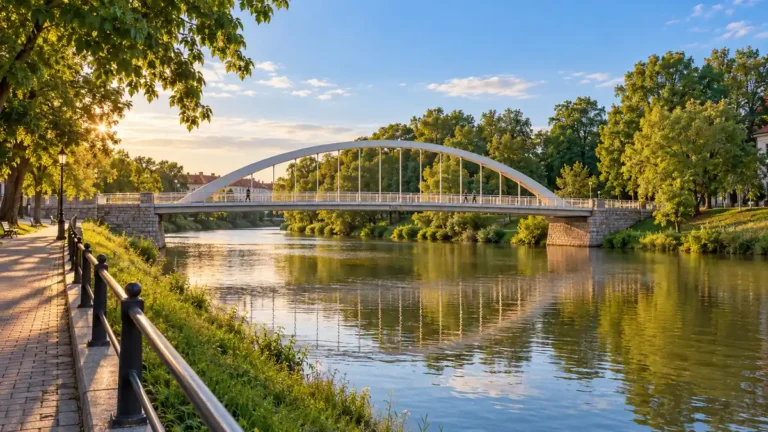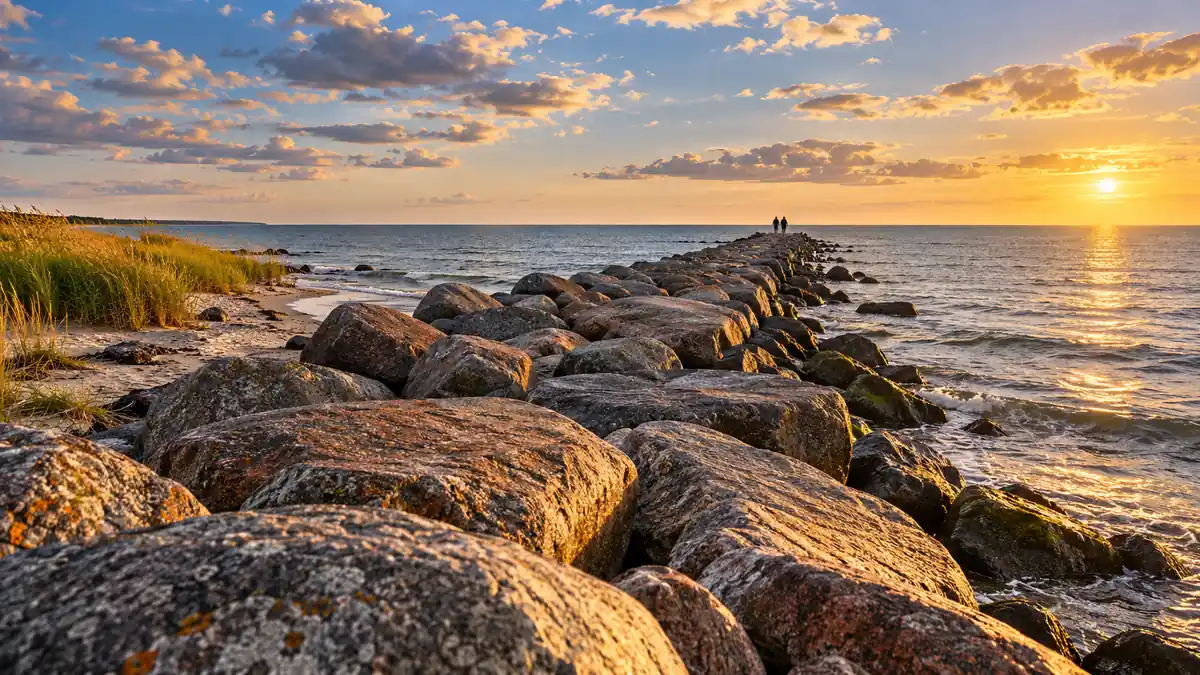
Pärnu Beach with its promenade and the stone Mole is the best thing to do in Pärnu in summer: the wide sandy beach, the Rannapark promenade and the long stone jetty sit side by side, so one unhurried walk covers the reason most people come. Outside summer, or for travelers who skip the beach, the mud-bath spa and the Soomaa or Kihnu nature trips carry the stop. Every other pick sits under a trip style of its own: the Old Town and its history, spa heritage, or nature beyond town.
Pärnu is Estonia’s summer capital, a resort town on the coast about 130 km south of Tallinn. The question for most travelers is not whether it is pleasant. It is whether Pärnu deserves a slot in an Estonia trip, and what to spend the time on once there.
This page is for travelers who already have Estonia on the table and want to know what Pärnu adds. If you are still shaping the wider trip, start with the Estonia travel guide and come back once Pärnu is on the route.
Pärnu Beach, Rannapark and the Mole Make One Seaside Half-Day
The beach, Rannapark and its promenade, and the stone Mole form Pärnu’s seaside core and the reason most visitors come. All three sit within walking distance of the Old Town, so they combine into one easy half-day on foot. In summer this is where the resort atmosphere lives.
The two picks below split cleanly by season. One is a warm-weather pick. The other works all year.
Pärnu Beach and the promenade
Pärnu Beach is a long, sandy shore with shallow water, which is why it suits families better than any other part of town. Behind the sand lies Rannapark, a green beach park, with a promenade running alongside the shore. Unlike every other pick here, it is purely seasonal. In summer the sand, the cafés and the evening crowds give Pärnu its summer-capital feel. Outside the warm months it turns into a quiet, windswept stroll. Plan it for a warm afternoon and stay into the evening. Beach-first families get the most from it, and so does any summer traveler after a full day by the water.
Walk the Mole
The Mole is a long stone jetty reaching out from the shore, built in 1869 and with a light at its far end. Walking it out and back is the simplest sea view in town. It is at its best at sunset, when the light drops over the water. Unlike the beach, the Mole keeps its character in any season, and in calm weather it is walkable year-round. Pick a dry, still day. The stones offer no shelter from the wind, and spray makes them slippery.
The Mole is the only seaside pick in Pärnu that survives the end of summer: when the beach empties, the jetty walk is unchanged.
Pärnu Old Town and the Wooden Villa District: Sights Versus Streets
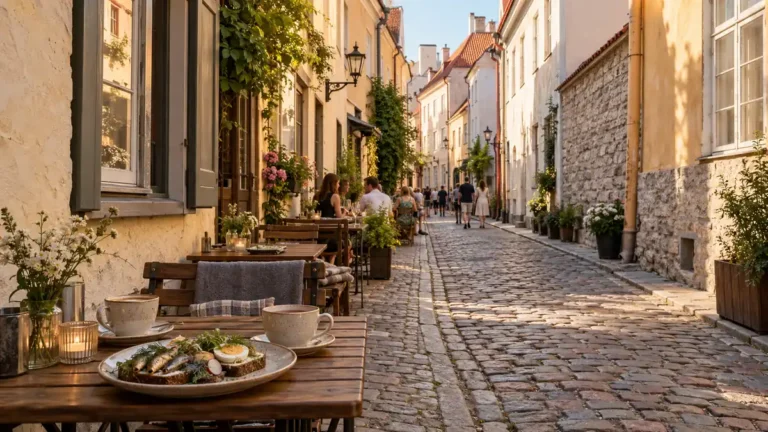
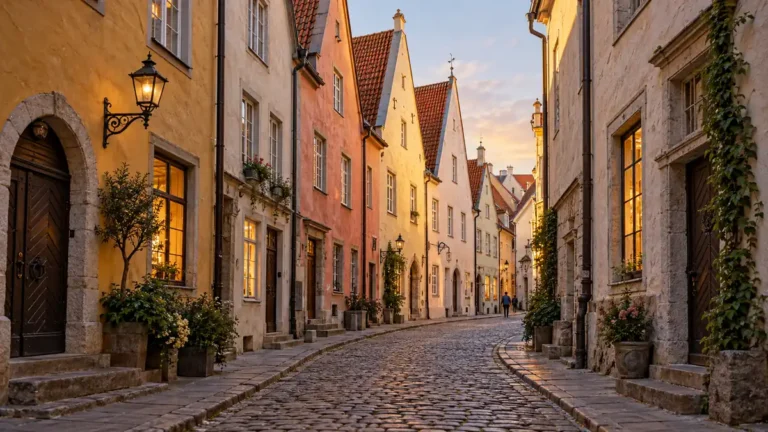
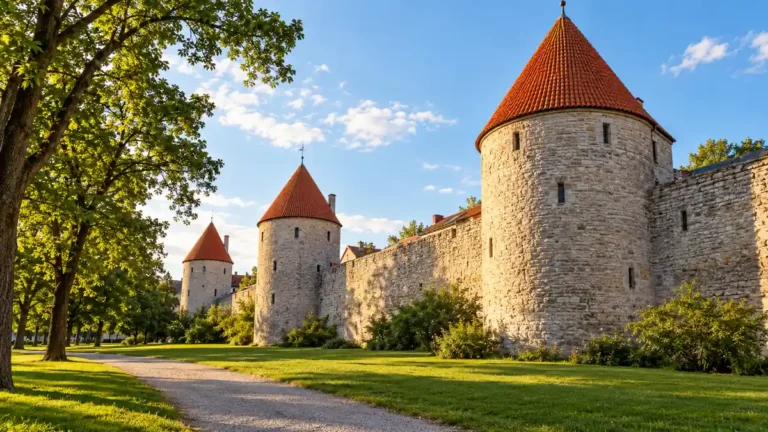
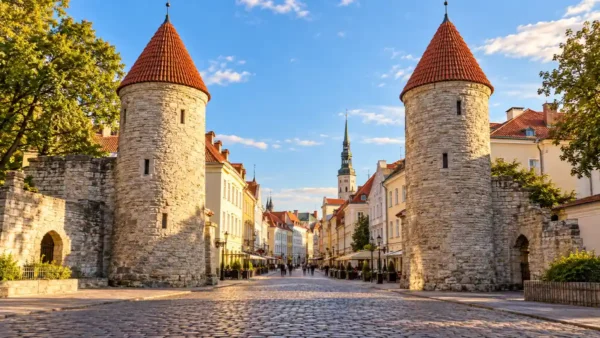
Pärnu’s Old Town is a compact, walkable core of 18th-century churches, the Tallinn Gate and the Red Tower. Its main sights fit into a couple of hours on foot, and they work in any season. That makes it the year-round complement to the beach and the natural rainy-day fallback.
The town side of Pärnu divides into sights and streets. The Old Town gives you named landmarks. The villa district gives you atmosphere.
Old Town sights: Tallinn Gate, Red Tower and the two churches
The Tallinn Gate and the Red Tower are the Old Town’s best-known landmarks, and the two 18th-century churches give it its skyline. Elisabeth’s Church is Lutheran; St Catherine’s Church is Orthodox, and seeing both shows the town’s mixed past in one short walk. The town hall sits within the same few streets. Pärnu Museum is the place to add if you want the background behind what you have just seen. Its strength is density. You get more history per step than anywhere else in Pärnu, all of it reachable on foot. Culture-and-history travelers should start here, and so should anyone whose forecast has ruled out the beach.
The wooden villa district
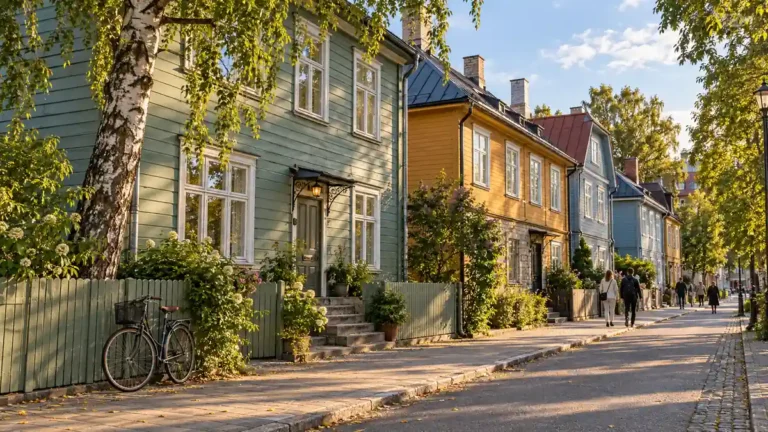
The wooden villa district is the stretch of resort-era houses between the Old Town and the beach, built when Pärnu grew as a spa town. There are no tickets and no checklist here. The appeal is the streets themselves: carved porches, gardens and tree-lined avenues that show what the resort looked like in its heyday. It differs from the Old Town in pace. You come for the walk, not for named sights, and it rewards an unhurried hour more than a quick pass. Morning and early evening light suit it best.
Slow-travel walkers who prefer streets and gardens to ticking off sights will like it best.
The villa district is the route between the Old Town and the beach, so walking through it on the way to the sand turns a transfer into a sight of its own.
Mud Baths and Spa Days, Pärnu’s Year-Round Pick
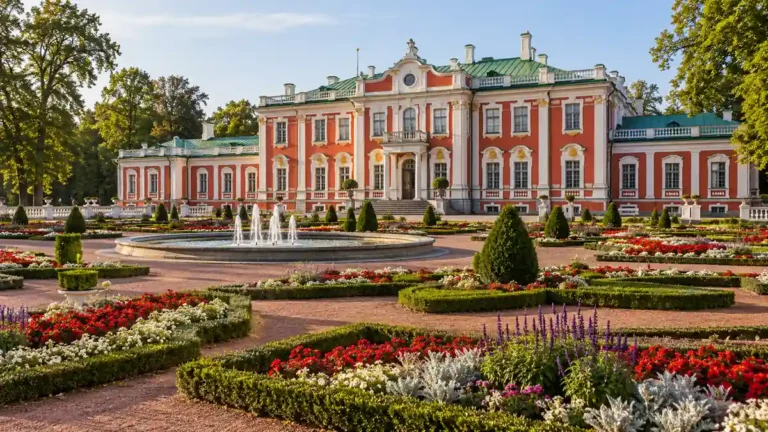
Pärnu’s resort identity began with mud baths, and a spa day remains the pick that works in any month. The town has run as a mud-bath resort since 1838, and its historic treatment building still operates as a spa. For travelers arriving outside beach season, wellness is the reason Pärnu stays worth the trip.
The 1920s mud-bath building, now the Hedon spa
The 1920s mud-bath building, now the Hedon spa, is where Pärnu’s spa heritage is easiest to see and feel. The resort story behind it goes back to 1838, when mud treatments first drew visitors to the town. Here the setting is the point. You are not visiting a modern leisure complex but bathing inside the building that defined Pärnu as a spa town. Book ahead, especially for a weekend visit. It works equally well on a grey winter afternoon and after a summer beach morning, which makes it the most reliable pick on the page. It is the spa for wellness travelers, and for couples after the historic experience.
Water park and family spa day
Tervise Paradiis is Pärnu’s water park and spa, and it is the town’s answer to a cold or wet day with children. Slides and pools keep younger travelers busy for hours, while adults can retreat to the spa side. Where the Hedon spa is about heritage, this is a family leisure day, built for noise and energy, with little of the heritage atmosphere. Day passes are available, so it fits into a single afternoon. It also rescues a beach day when summer weather turns.
Save it for travelling with children when the weather is cool or wet.
Couples should choose the historic mud-bath building; families with children get more from the water park. Squeezing both into one day leaves you rushing the experience each one is built around.
Nature Beyond Town: Coastal Meadow, Soomaa and Kihnu
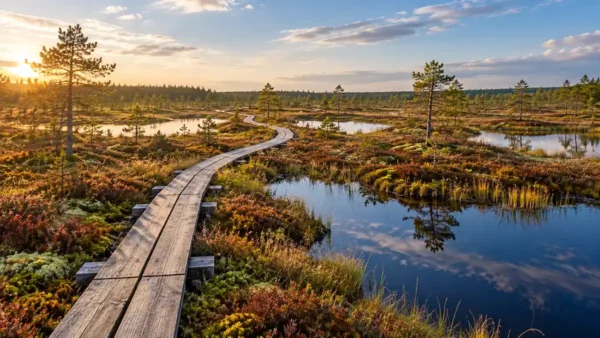
The Coastal Meadow trail fits inside a town day; Soomaa and Kihnu each need their own day. The meadow is a short boardwalk close to the beach, built for birdwatching. Soomaa National Park offers flooded forests and bogs, and Kihnu island offers a living island culture, so pick the one that matches your trip style.
Which nature pick earns the extra day:
- Coastal Meadow: suits anyone already at the beach; the tradeoff is scale, since it is a short walk, not a day out.
- Soomaa National Park: suits active travelers, though access takes planning: you need a car or a booked tour.
- Kihnu island: suits travelers curious about island life, but the boat runs to a seasonal timetable.
For families, Kihnu and Soomaa demand more planning, so save them for older children.
Coastal Meadow trail and birdwatching tower
The Coastal Meadow trail is a short boardwalk across grazing meadows on the edge of town, with a birdwatching tower over the shoreline. It is the only nature pick here that needs no transport and no planning. Walk to it from the beach. The habitat is what you come for: open coastal grassland kept low by grazing, which draws wading and migrating birds that you will not see in the town or on the sand. Bring binoculars if you have them. An hour is enough, and spring and autumn migration bring the most birdlife. Birders will make time for it; for everyone else it fills a spare hour at the end of a beach day.
Soomaa National Park
Soomaa National Park is a short drive from Pärnu and the wildest landscape within easy reach. Its flooded forests and bogs are crossed by boardwalks and explored by canoe, so the day is spent outdoors from start to finish. This is the one genuine wilderness day among the picks. There is no town to fall back on, and the park rewards time on foot or on the water. Go with a car or a booked tour. If canoeing is the plan, book it before you set out. It is the day for active travelers with a car or a booked tour and one wild day in mind.
Kihnu island
Kihnu island is a UNESCO-listed cultural space, and the reason to go is the community, not the scenery alone. Islanders keep up traditions in dress, music and crafts that have faded elsewhere in Estonia. The boat leaves from Munalaiu harbour and runs to a seasonal timetable, so check it before going. On Kihnu the experience is people and daily life, not a sight. Treat it as a slow day, and leave room to wander the island at its own pace. Go without a fixed plan and the island makes sense.
Kihnu repays travelers who care how people live there; anyone after landscape alone will get more from the same day in Soomaa.
Tours and activities
Book skip-the-line tickets, day trips and local tours with free cancellation on most activities.
You can also browse everything on getyourguide.com.
Tripstou may earn a commission if you book through this link, at no extra cost to you.
Which Pärnu pick fits your trip style?
For a first visit in summer, Pärnu Beach and the Mole make the best single experience; every other trip style has one clear pick of its own, and the Old Town, spa heritage and nature trips build out from there.
Quick picks by trip style:
- Beach and resort: Pärnu Beach and the promenade, finished with a walk along the Mole.
- Town and history: the Old Town loop past the Tallinn Gate, the Red Tower and the two churches.
- Wellness: a spa day in the 1920s mud-bath building, now the Hedon spa.
- Nature beyond town: a full day in Soomaa National Park, or the boat to Kihnu island.
The “summer capital” label is earned. Pärnu combines a long resort heritage, the country’s best-known beach and a season of summer concerts and festivals. That also sets the limit. The town is at its liveliest when the sand is warm, and quieter for the rest of the year.
Which Pärnu picks hold up outside summer?
Outside summer, drop the beach and keep the spa, the Old Town and the nature trips. The beach and promenade are summer-led and lose their pull once the season ends. The spa, Old Town streets, villa district, Mole walk and Soomaa hold up year-round, while Kihnu depends on a seasonal boat timetable.
Off-season Pärnu is a quiet resort. Many seasonal cafés close, the beach is near-empty and the summer concerts and festivals are over. That suits some travelers well. The Old Town and villa streets are calmer, and a spa day feels like the point of the trip, not a backup plan.
The spa heritage carries the off-season stop. A winter or shoulder-season visit built around a spa day, an Old Town walk and a breezy turn along the Mole is a complete short break. Soomaa changes character through the year and stays worth the drive. Kihnu needs more planning once the summer timetable ends.
For the month-by-month picture, including when the beach season really starts, see the best time to visit Estonia.
Is one day enough in Pärnu, or should you stay longer?
One day covers the Old Town, beach and Mole; stay longer only for Soomaa or Kihnu. Pärnu is worth visiting for beach, spa and slow-travel trips, less so for travelers counting major sights. Two or three nights add a spa day and one wild day beyond town, which is where the stop earns its keep.
How long to give Pärnu:
- A long day: the Old Town, the beach and the Mole at sunset. It fits travelers based in Tallinn, since the bus takes about 2 hours and Pärnu works as one of the longer day trips from Tallinn.
- Two nights: adds a spa day and the Coastal Meadow trail at an easy pace, the right length for couples and families on a summer or spa break.
- Three nights: adds a full day in Soomaa or on Kihnu. Nature lovers and slow travelers who want Pärnu as a base need the third night.
Pärnu usually sits as the coastal stop on a wider Estonia route. The Estonia itinerary shows how it fits alongside other stops and how many nights each one deserves.
Base near the beach for a summer resort trip, and near the Old Town off-season. Either way, everything on this page except Soomaa and Kihnu is within walking distance.
Train and bus tickets
Compare routes, schedules and prices across rail and bus operators in one search, with mobile tickets on your phone.
New to Omio? Code NEW10 takes 10% off your first booking — or APPNEW10 if you book inside the Omio app. Both apply to bookings up to €80.
Search routes and compare prices on Omio →
Tripstou may earn a commission if you book through this link, at no extra cost to you.
How These Pärnu Picks Were Checked
This is a curated pick of things to do in and around Pärnu, grouped by trip style and judged on traveler fit and season. It is not a Pärnu city guide or an Estonia itinerary, and it leaves out hotels, restaurants, prices and opening hours.
This Pärnu selection began as a draft produced with AI assistance, and Alex Perrut, working in tourism since 2015, reviewed every pick in it for the Tripstou editorial team; the steps are laid out in our editorial process.
Official sources consulted: Visit Estonia, Estonian Ministry of Economic Affairs and Communications, Visit Pärnu.
Did this guide save you time or money? Tripstou is independent and reader-funded — if you'd like to give something back, you can support the site with a crypto contribution of any size.