The free Old Town core (Marienplatz with its Glockenspiel, the Frauenkirche and St. Peter’s churches, and the Viktualienmarkt food market) plus the Englischer Garten is the set every first visit to Munich should cover. Of the paid headline sights, the Residenz, the former royal palace in the city centre, is the one to pay for if you pick only one. Nymphenburg Palace is the alternative for palace-and-garden readers, the Deutsches Museum for hands-on science fans. Weather changes the order: the museums and the Residenz on a wet day; beer gardens, the Eisbach surfers and the Isar river on a hot one.
Each paid sight eats half a day. The free core fits into one walked morning, and it is what makes Munich feel like Munich. German names get an English gloss the first time they appear: Altstadt is the Old Town, a Biergarten is a beer garden.
How This Selection Was Checked
Munich’s sights grouped by interest, with who each suits; arrival, costs, hotels, day plans and day trips live elsewhere.
Alex Perrut, working in tourism since 2015, checked the timings for the Tripstou editorial team; written with AI assistance under our editorial process.
Official sources consulted: City of Munich, Deutsches Museum, Bavarian State Painting Collections, Bavarian Palace Administration.
On This Page
The Munich Shortlist: A Free Core and Two Paid Picks
Munich’s shortlist is a free Old Town walk (Marienplatz, the Frauenkirche, St. Peter’s, the Viktualienmarkt) and the Englischer Garten, plus one paid sight: the Residenz, with Nymphenburg or the Deutsches Museum as the alternatives. The first decision is free versus paid, not which district, because the free core is compact enough to cover in a morning and the paid sights each need a half day of their own.
The free core carries a first visit on its own. The squares, the churches and the market sit inside one walkable loop, the Glockenspiel performs on a published schedule, and the Englischer Garten starts a short walk north of the Residenz. A paid ticket adds something the street cannot: the Residenz rooms and its Treasury, Nymphenburg’s park and portrait gallery, the Deutsches Museum’s halls of aircraft, ships and machines.
Time is the real price. Two paid sights in one day leave no room for the walk and the park, which is why most two-day visits do one.
| Pick | Free or paid | Who it suits | Timing hook |
|---|---|---|---|
| Marienplatz and Glockenspiel | Free | Every first-timer | 11:00 and 12:00 daily; 17:00 March–October |
| Frauenkirche and St. Peter’s | Free interiors; St. Peter’s tower paid | Church interiors, the Old Town view | Early morning beats midday |
| Viktualienmarkt | Free to browse | Food lovers, a light lunch | Closed on Sundays |
| Englischer Garten | Free | Walkers, sunny days, Eisbach spectators | Early morning for the quiet paths |
| Residenz | Paid | Palace interiors, royal treasure | Seasonal hours; separate Treasury ticket |
| Nymphenburg | Paid palace; park to walk | Families, garden lovers | A half day outside the centre |
| Deutsches Museum | Paid | Science fans, families | Book a timed slot online at busy times |
| Pinakotheken | Paid | Art lovers | €1 on Sundays at the Alte Pinakothek and Pinakothek der Moderne |
| Olympiapark grounds | Free | Architecture, a long walk | Tower and stadium closed for renovation |
| BMW Welt | Free; BMW Museum paid | Car fans | Pairs with Olympiapark |
What to See in Munich’s Old Town on Foot
Munich’s Old Town is a compact loop you walk in a morning, from Marienplatz past the churches and the market to Odeonsplatz, and everything on it is free except the climb up St. Peter’s tower. It is a loop with an order, not a schedule, and the one fixed point is the Glockenspiel.
A natural walking order:
- Marienplatz for the Glockenspiel
- St. Peter’s and the Viktualienmarkt just south of the square
- the Asamkirche, a short detour west towards Sendlinger Tor
- the Frauenkirche on the way back north
- Odeonsplatz, at the door of the Residenz
Marienplatz and the Glockenspiel
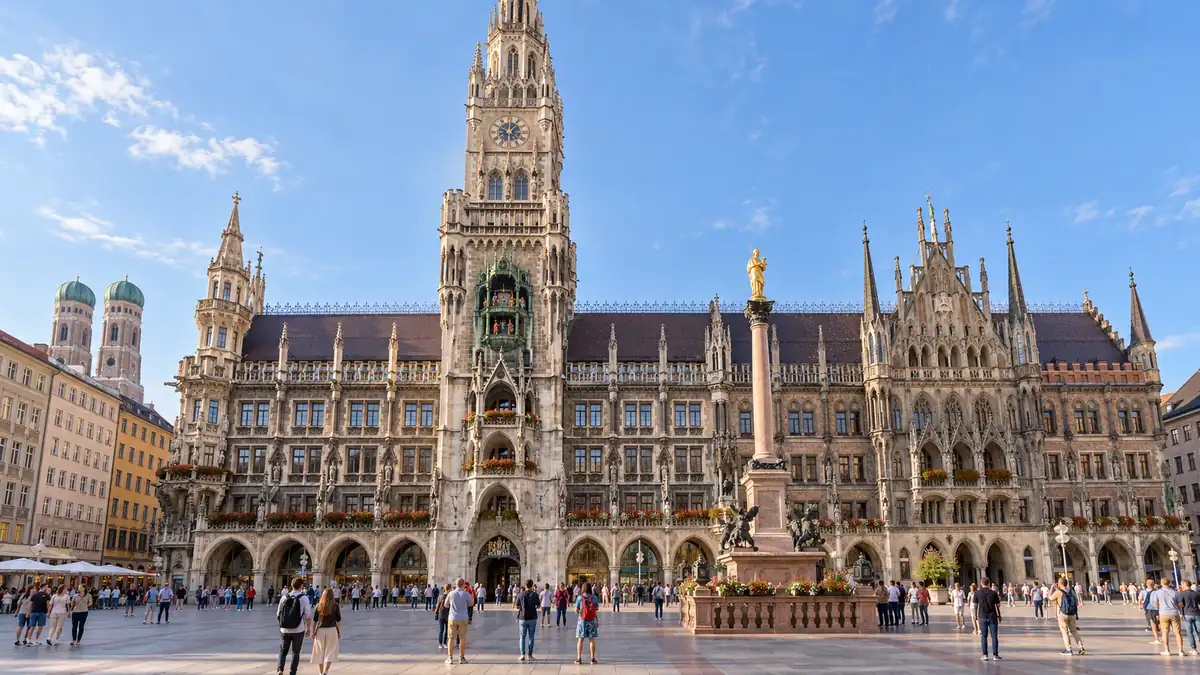
Marienplatz is Munich’s main square and the start of any first visit. The neo-Gothic Neues Rathaus (New Town Hall) fills its north side, the Altes Rathaus (Old Town Hall) closes its eastern end, and the Mariensäule, a column topped by a golden Virgin, stands in the middle.
The Glockenspiel in the Neues Rathaus tower plays daily at 11:00 and 12:00, with an extra show at 17:00 from March to October. Watching is free. It stays silent on Good Friday, and a 21:00 performance brings out the night figures: the night watchman, the angel and the Münchner Kindl, the hooded child on the city’s coat of arms.
This is the one timed sight on the page, so build the morning around it. The square is at its most crowded at exactly those times; the 11:00 show is the easiest to catch before the walk continues.
Frauenkirche and St. Peter’s
The Frauenkirche, the cathedral with the twin onion-domed towers that define Munich’s skyline, is free to enter and worth ten minutes for its tall, plain brick nave. It suits anyone who wants to see the city’s emblem from the inside.
St. Peter’s, known locally as Alter Peter (Old Peter), is the oldest parish church in the Old Town and the one with the climb. Its tower gives the best view over Marienplatz and the Frauenkirche towers: about 300 steps, no lift, and a small fee. Climb it if you have the legs and a clear day; skip it with small children or a bad knee. The FAQ below covers the climb.
Asamkirche and Sendlinger Tor
The Asamkirche is a tiny baroque church whose interior outdoes buildings ten times its size: gilding, marble and stucco packed into a narrow nave squeezed between townhouses. It costs nothing and takes ten minutes. Sendlinger Tor, one of the surviving medieval city gates, sits at the end of the same street.
Viktualienmarkt
The Viktualienmarkt is Munich’s open-air food market, a few steps south of Marienplatz, with stalls of produce, cheese and sausages and its own beer garden under the trees. It is the easiest lunch on the loop: a Brezn (soft pretzel) or a Weisswurst (the white veal sausage) and a seat in the garden. The market is closed on Sundays, so a Sunday visit drops this stop.
Odeonsplatz, Feldherrnhalle and the Theatinerkirche
Odeonsplatz is the loop’s northern end and the doorstep of the Residenz. The yellow baroque Theatinerkirche faces the Feldherrnhalle, an open loggia modelled on Florence’s Loggia dei Lanzi. The Feldherrnhalle is also where Hitler’s failed putsch ended in gunfire, which is why it features on the city’s Third Reich walks. On the way there, the Nationaltheater, home of the Bavarian State Opera, and the Alter Hof, the first residence of the Bavarian dukes in the city, are worth a glance without a stop.
Is the Residenz or Nymphenburg Worth Your Time?
Yes, one of them is, and rarely both on a short trip. The Residenz is the pick if you want palace rooms and royal treasure in the city centre; Nymphenburg is the pick if you want a palace with a large park and are happy to spend a half day outside the centre.
Residenz and the Hofgarten
The Residenz, the city palace of the Bavarian rulers, is the paid sight to choose if you choose only one. Its rooms run from Renaissance halls to rococo apartments, and the Antiquarium, a long vaulted hall of painted ceilings and classical busts, is the stop most visitors remember.
Three parts are ticketed separately: the Residenz Museum (the rooms), the Schatzkammer (the Treasury of crowns and jewels) and the Cuvilliés Theatre, a small rococo court theatre. Opening hours change with the season. The museum alone suits a first visit; add the Treasury if royal regalia interest you.
The Hofgarten, the formal court garden on the palace’s north side, is free and leads straight towards the Englischer Garten. The catch is size: the Residenz is a palace you can lose two hours in, and with the Treasury it fills a morning.
The Residenz is also a concert venue: halls inside the complex, among them the Herkulessaal, the Max-Joseph-Saal and the Allerheiligen-Hofkirche (the former court church), host concerts. A concert ticket is a way to see part of the palace without another round of rooms.
Nymphenburg Palace and Park
Nymphenburg is the Wittelsbach summer palace in the west of the city, and its park is the real reason to go. The palace holds the Gallery of Beauties, a room of portraits commissioned by King Ludwig I. The park behind it, with canals, lawns and small pavilions, is where the visit opens up.
It suits families who need space to run and readers who prefer gardens to gilded rooms. The cost is distance: it sits well outside the Old Town, so the visit takes a half day including the trip out. Repeat visitors who have done both palaces can add Schleissheim, a baroque palace complex north of the city.
The Residenz is the wrong pick on a sunny day with young children. Room after room of furniture loses them inside an hour, while Nymphenburg’s park gives them the outdoors and you the palace. Repeat visitors who saw the Residenz on a first trip should switch to Nymphenburg too.
Tours and activities
Book skip-the-line tickets, day trips and local tours with free cancellation on most activities.
You can also browse everything on getyourguide.com.
Tripstou may earn a commission if you book through this link, at no extra cost to you.
Englischer Garten, the Eisbach Surfers and the Isar
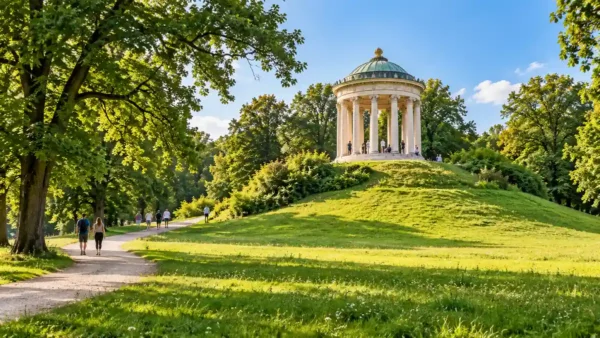
The Englischer Garten (English Garden) is the free pick that competes with the paid ones: a huge city park with meadows, a lake, a hilltop temple and a beer garden, starting a short walk from the Residenz. At its southern tip, the Eisbach bridge by the Haus der Kunst is where you watch the river surfers. The Isar riverbanks are the local alternative on a hot afternoon.
Where to watch the Eisbach surfers
The place to watch is the bridge over the Eisbach next to the Haus der Kunst art museum, at the southern edge of the Englischer Garten. Surfers ride a standing wave in the fast stream below, one at a time, and spectators line the railings. It is a sight to watch from the bridge, and a few minutes is usually enough before walking on into the park.
Inside the Englischer Garten
The Monopteros, a small Greek-style temple on a man-made hill, gives the park’s classic view of the Old Town towers. North of it, the Chinese Tower, a wooden pagoda, stands in the middle of one of the city’s big beer gardens (the drinking choice is covered below). Further on, the Kleinhesseloher See is a lake with rowing boats, and the Japanese Tea House sits near the southern end by a stream.
An early start pays here. The meadows are quiet in the first hours, the light on the Monopteros is soft, and the walk from the Hofgarten takes you through the park before the beer garden crowds arrive.
The Isar riverbanks
The banks of the Isar, the river on the Old Town’s eastern side, are where Munich spends a hot afternoon: gravel beaches, people paddling and grilling, and walking paths in both directions. The Müllersches Volksbad, an Art Nouveau swimming hall on the river’s edge, is the indoor counterpart, a working public pool that looks like a bathhouse palace. For a summer day, the Isar beats a second museum.
Hofbräuhaus or a Beer Garden? Where to Drink in Munich
Go to the Hofbräuhaus once for the hall itself, then drink the rest of your beers in a beer garden. The Chinese Tower in the Englischer Garten wins on setting, the Viktualienmarkt on location, and the Hofbräukeller or the Augustiner-Keller on a local crowd.
- Hofbräuhaus: the vaulted beer hall in the Old Town with brass bands and long shared tables. Worth it once, for the spectacle; most of the room is visitors, so it is a place to see more than a place to linger.
- Chinese Tower: the beer garden around the wooden pagoda in the Englischer Garten. Unbeatable for the setting after a park walk; at its busiest on a warm weekend afternoon.
- Viktualienmarkt beer garden: the central option, under trees in the middle of the market. Suits a lunch stop on the Old Town loop, and shuts with the market on Sundays.
- Hofbräukeller: a beer garden in Haidhausen, across the Isar. Draws more locals than tourists, with the same brewery as the famous hall in a calmer frame.
- Augustiner-Keller: a big shaded garden pouring Augustiner, the brewery many locals call the city’s best. The choice for a beer garden on Munich’s own terms.
Beer gardens depend on the weather and the season: on a cold or wet day, the halls take over. Oktoberfest is Munich’s beer season in its biggest form, a festival that fills the city and its hotels; it is a trip of its own more than a box to tick on a sightseeing visit.
Deutsches Museum, the Pinakotheken and the Rest of Munich’s Museums
The Deutsches Museum is the museum to book for science fans and families; the Pinakotheken in Maxvorstadt are the art pick. For budget readers, Sunday is the day to see the paintings, because the Alte Pinakothek and the Pinakothek der Moderne charge €1 that day.
Deutsches Museum
The Deutsches Museum is one of the world’s largest museums of science and technology, on the Museumsinsel, an island in the Isar. Its halls hold aircraft, ships, mining tunnels and hands-on experiments, which makes it the strongest rain-day pick for children. It opens daily apart from a handful of closure days a year. At busy times, book a timed ticket online before you go.
The downside is scale. Nobody sees it all; pick two or three sections and treat it as a half day.
Alte Pinakothek and Pinakothek der Moderne
The Alte Pinakothek holds old masters (Dürer, Rubens, Rembrandt) and suits classic-painting readers. The Pinakothek der Moderne, across the lawn, covers modern art, design and architecture. Both sit in Maxvorstadt, the museum quarter north of the Old Town, and both charge a symbolic €1 on Sundays (more in the FAQ).
Two companions round out the art picks. The Lenbachhaus, near Königsplatz, holds the main collection of the Blue Rider group, Kandinsky and Franz Marc among them. The Haus der Kunst, at the Eisbach bridge, shows contemporary exhibitions in a building whose own history is part of the visit.
Königsplatz and Munich’s Third Reich sites
Königsplatz, a square of neoclassical temples in Maxvorstadt, is the history stop: King Ludwig I built it as a vision of ancient Athens, and the Nazi party later used it as a parade ground. Together with the Feldherrnhalle on Odeonsplatz, it gives the city’s Third Reich history a physical setting. Readers who want the full story can reserve a guided walk that links these sites.
For a last layer of local texture, MUCA, Munich’s museum of urban and contemporary art, shows street art in a small space in the Old Town. It is a short stop for repeat visitors and street-art fans, away from the big-collection crowds.
Olympiapark, BMW Welt and the Allianz Arena: Munich Beyond the Centre
The north of the city makes one half-day excursion: the Olympiapark grounds and BMW Welt are free, and the BMW Museum and the Allianz Arena need a ticket. It is worth it for car, football and architecture readers, and skippable on a two-day first visit, when the Old Town, a palace and the Englischer Garten already fill the time.
Olympiapark
The Olympiapark is the landscaped site of Munich’s Summer Olympics, with a lake, a grassy hill and the tent-like roofs that made its architecture famous. The grounds are free to roam. The Olympiaturm, the TV tower, is closed for renovation, and so is the Olympiastadion. The former Olympic Village, with its rows of painted bungalows, is the local-texture detour.
BMW Welt and BMW Museum
BMW Welt, the carmaker’s glass-and-steel showroom across the road from the Olympiapark, is free to walk through. The BMW Museum next door, in a bowl-shaped building, needs a ticket and covers the company’s cars and motorbikes. Car fans pair both with the Olympiapark; everyone else can take the free showroom and keep walking.
Allianz Arena and the FC Bayern Museum
The Allianz Arena, FC Bayern’s stadium on the city’s northern edge, is the football pick. Its inflated outer shell lights up at night, and the FC Bayern Museum inside covers the club’s history. Football fans can book the arena visit ahead. On a match day the stadium is about the game, not touring, so plan a non-match day for the museum.
Skip the north on a short trip if neither cars, football nor Olympic-era architecture pulls you. With the tower and stadium closed, the Olympiapark’s main draw for a general visitor is a park walk, and the Englischer Garten is a better one in the centre.
Rainy Day or Summer Sun: Which Munich Picks Fit Your Trip
Rain sends you to the Residenz, the Deutsches Museum and the Pinakotheken; sun sends you to the Englischer Garten, the Eisbach bridge, the Isar and a beer garden. First-timers walk the Old Town loop first, and repeat visitors trade it for the neighbourhoods.
Things to do in Munich when it rains
The Residenz is the rain-day pick: hours of rooms under one roof, in the centre. The Deutsches Museum takes the families and the Pinakotheken the art readers. The free indoor option is the Asamkirche, with the Frauenkirche and St. Peter’s interiors close by, and the Hofbräuhaus covers the evening.
Things to do in Munich in summer
Summer in Munich is spent outdoors:
- the Englischer Garten from the Monopteros to the Chinese Tower
- the Eisbach bridge to watch the surfers
- the Isar banks for a hot afternoon
- a beer garden for the evening, the Hofbräukeller or the Augustiner-Keller for a local one
Nymphenburg’s park also comes into its own in summer, which makes it the better palace on a sunny day.
First visit or repeat visit
A first visit needs the Old Town loop, the Englischer Garten and one paid sight. A second visit belongs to the neighbourhoods.
Glockenbachviertel, south of the Old Town, is the bar-and-café quarter by the Isar. Schwabing, north of the centre, is the old artists’ district along the Englischer Garten. Haidhausen, across the river, has quiet squares and the Hofbräukeller. Maxvorstadt is the university and museum quarter, where the Pinakotheken and Königsplatz sit.
What rewards an early start
Mornings pay off in three places. Marienplatz is calm before the late-morning Glockenspiel crowd, the Viktualienmarkt is at its quietest early, and the Englischer Garten belongs to joggers and dog walkers in the first hours. If you only have one day, or want the sights put in order over a long weekend, the 3-day Munich itinerary sequences them.
Day Trips and Markets: What This Page Routes Elsewhere
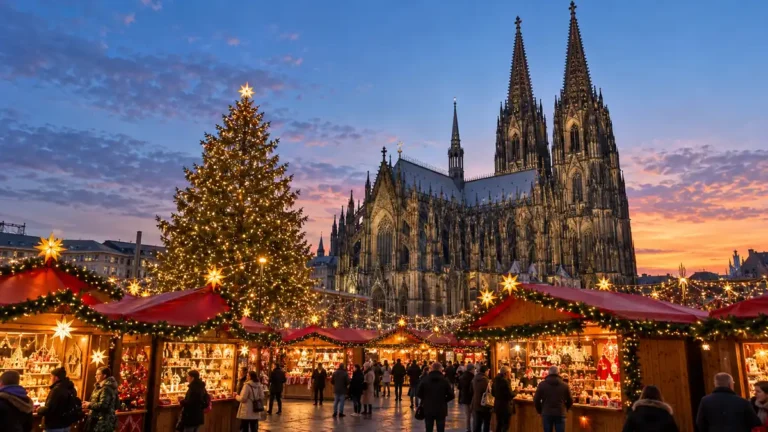
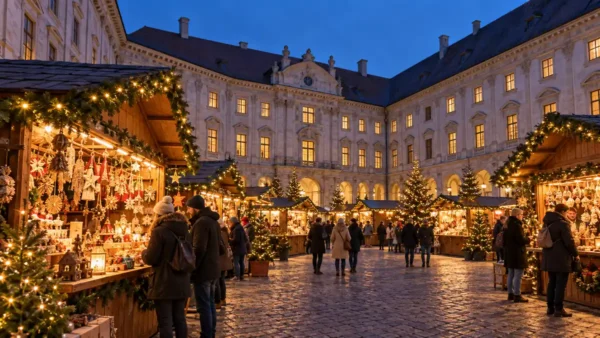
Many sights listed as “things to do in Munich” are not in Munich. Neuschwanstein, Linderhof, the Dachau concentration camp memorial, Salzburg, Berchtesgaden and Lake Starnberg are day trips, and the winter markets led by the Christkindlmarkt on Marienplatz are a season of their own.
Each of those trips takes a full day, so they sit in the guide to day trips from Munich, which compares the castles, the memorial and the trips over the border. The Christkindlmarkt and the city’s other winter markets are covered in the guide to Munich Christmas markets.
For the rest of the trip (getting around Germany, what it costs and the entry rules), the Germany travel guide is the place to start.
If You Only Read This
- The free Old Town loop of Marienplatz, the Frauenkirche, St. Peter’s and the Viktualienmarkt, plus the Englischer Garten, carries a first visit to Munich without a single ticket.
- If you pay for one sight, make it the Residenz; switch to Nymphenburg on a sunny day with young children, or to the Deutsches Museum when science is the draw.
- Rain moves the day indoors to the Residenz, the Deutsches Museum and the Pinakotheken, while sun sends you to the Eisbach bridge, the Isar banks and a beer garden.
- See the Hofbräuhaus once for the hall, then drink in a beer garden, with the Chinese Tower for the setting and the Hofbräukeller or the Augustiner-Keller for a local crowd.
- Neuschwanstein, Dachau, Salzburg and the Christmas markets are separate outings with their own guides, and the day-by-day order belongs to the 3-day itinerary.
Munich Questions That Don’t Fit a Section
Are Munich’s museums really €1 on Sundays?
Yes at the Alte Pinakothek and the Pinakothek der Moderne, which both charge a symbolic €1 on Sundays. That makes Sunday the budget day for the paintings. Expect fuller galleries than on a weekday, and plan the Old Town walk for another day, since the Viktualienmarkt is closed on Sundays.
Can you climb St. Peter’s church tower in Munich?
Yes. The tower of St. Peter’s (Alter Peter) has a viewing platform at 56 m, reached by about 300 steps with no lift, and a small entry fee. It gives the best view over Marienplatz and the Frauenkirche’s twin towers. The narrow stairs make it a poor fit for small children or anyone who struggles with steps.
Is Munich worth visiting for first-timers, and how many days do you need?
Yes, because its best sights are compact and largely free: the Old Town loop and the Englischer Garten fit into a day on foot, leaving room for one paid sight and a beer garden. Two to three days covers the picks on this page, and the 3-day Munich itinerary puts them in order.
Did this guide save you time or money? Tripstou is independent and reader-funded — if you'd like to give something back, you can support the site with a crypto contribution of any size.