The best things to do in Iceland on a first trip are the Golden Circle, a loop of three landmark sights east of Reykjavik, and the South Coast as far as the village of Vík. Both work from a Reykjavik base. Trip length is what changes the answer: a week or more opens the Ring Road, the highway that circles the whole island, and with it the glacier lagoon at Jökulsárlón and the north. Season decides the rest, with winter for the northern lights and summer for the remote regions.
The places below are sorted by reach. First come the ones you can see from Reykjavik and be back for dinner, then the ones that need nights on the Ring Road, then the Westfjords and the Highlands, which only open up properly in summer.
The experiences are sorted by season: ice caves and the aurora in the dark months, whales and puffins in the light ones, and lagoons whenever you land.
On This Page
Where to Go in Iceland for the First Time
The first-trip core is the Golden Circle plus the South Coast as far as Vík. Between them they show the country’s signature landscapes (a continental rift, an erupting hot spring, big waterfalls, a glacier tongue and black sand) within reach of Reykjavik. Reach is why they lead, and crowds are the price: these are the most crowded stops in Iceland. The further places on the list are emptier and often more rewarding, but each one costs nights away from the capital.
The big named sights (Þingvellir, Seljalandsfoss, Skógafoss, Reynisfjara and Jökulsárlón) charge no entry fee, parking aside.
| Place | What it is for | Day trip from Reykjavik? | Time to allow | Best season |
|---|---|---|---|---|
| The Golden Circle | A rift valley, Strokkur and Gullfoss in one loop | Yes | One day, about 250 km round trip | Year-round |
| The South Coast to Vík | Waterfalls, a glacier tongue and black sand beaches | Yes | One long day (tours from 12 hours) | Year-round; paths icy in winter |
| The Snæfellsnes Peninsula | Variety in one peninsula, with fewer coaches | Yes, a long one | One day; two to three is more relaxed | Year-round |
| Jökulsárlón and Skaftafell | Icebergs, Diamond Beach and glacier trails | No | An overnight stop; about five to six hours each way | Year-round |
| North Iceland (Mývatn, Akureyri, Húsavík) | Volcanic ground, big waterfalls and whales | No | Part of a Ring Road loop of at least 7 days | Summer for the full loop |
| The Westfjords and the Highlands | Empty fjords and coloured mountains | No | A summer detour of its own | Summer only |
Read the table from the top down. The first three rows fit a stay based in Reykjavik; everything from Jökulsárlón down means sleeping somewhere else. A short trip that tries to reach the bottom rows spends its days in the car.
Can You See Iceland’s Best Places From Reykjavik?
Yes, for the core. The Golden Circle, the South Coast to Vík, the Snæfellsnes Peninsula and the Reykjanes Peninsula all work from a Reykjavik base, on a tour or by car. Jökulsárlón, the north and the Westfjords do not: they sit too far out to see and return in a day.
The Golden Circle
The Golden Circle is the first outing for anyone, and the one to keep if only one day leaves the city. The loop runs approximately 250 km (155 miles) from and back to Reykjavik and links three stops: Þingvellir (Thingvellir), Geysir and Gullfoss.
Þingvellir is where the Mid-Atlantic ridge breaks the surface. The North American and Eurasian plates drift apart here, and the path through the Almannagjá gorge runs between the two walls of the rift, with Öxarárfoss falling into it nearby. The Alþingi, Iceland’s assembly, was established at Þingvellir around 930, and the park is a UNESCO World Heritage site. There is no entry fee; parking costs 1,000 ISK. Silfra, a flooded fissure inside the park, is where snorkellers and divers swim between the plates.
Geysir is the stop people wait at. Strokkur erupts every 8–10 minutes, up to about 30 m, while the Great Geysir that gave every geyser its name rarely erupts at all.
Gullfoss drops 31 m into a canyon and is open year-round. In winter the lower-platform trails sometimes close in icy conditions, so the upper viewpoint may be the whole visit. Kerið crater and the old church site at Skálholt are the usual add-ons for a longer day; travelers without a car can book a day tour from Reykjavik.
The South Coast as Far as Vík
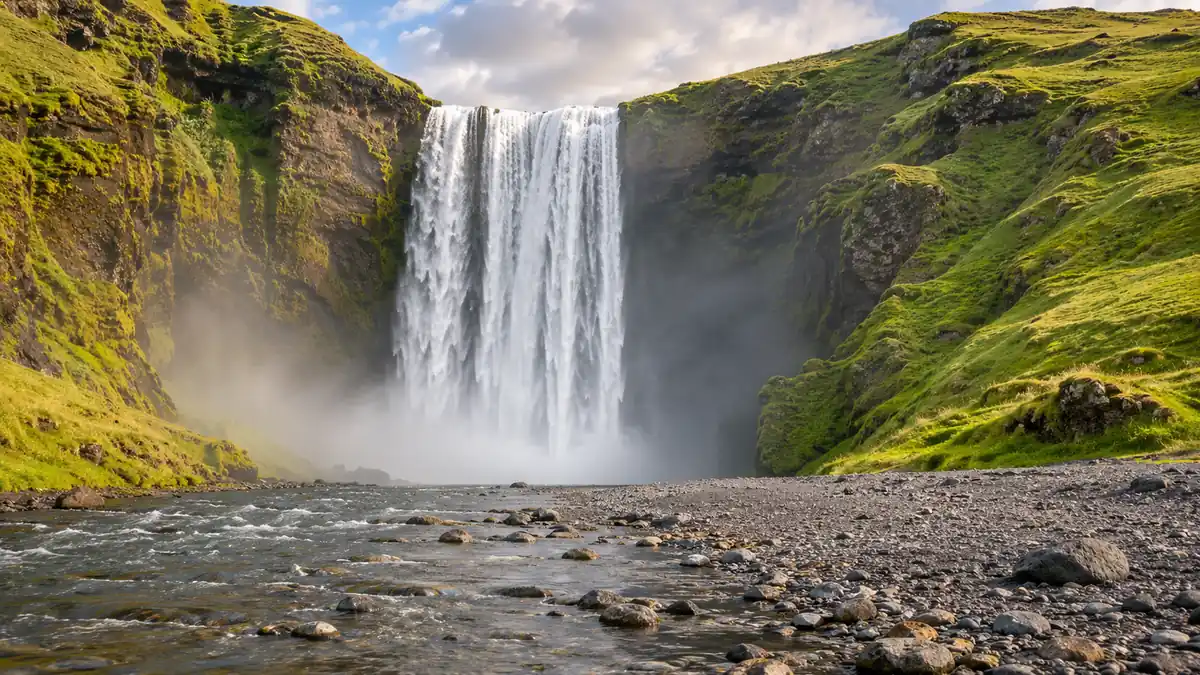
The South Coast puts waterfalls, a glacier tongue and black sand on one line of road, and it is the day that makes most first trips. Seljalandsfoss and the hidden Gljúfrabúi come first, then Skógafoss, the Sólheimajökull glacier, the Dyrhólaey headland, Reynisfjara beach and the village of Vík. Seljalandsfoss, Skógafoss and Reynisfjara charge no entry fee.
Tours from Reykjavik range from 12-hour trips to 3-day excursions. The long day reaches Vík and back; a night on the coast buys time at each stop. To skip the driving, reserve a seat on one of the full-day runs. The waterfalls along this road are covered one by one in our guide to the best waterfalls in Iceland, and their paths can be icy in winter.
Reynisfjara is the one stop that demands a rule. Sneaker waves arrive with zero warning, so stay well back from the water, never turn your back on the sea, and obey the warning lights at the beach entrance.
The Snæfellsnes Peninsula
Snæfellsnes is the second outing, for travelers who want variety with fewer coaches than the south. Known as “Iceland in Miniature”, it sits a two-hour drive north of Reykjavik and fits a glacier, sea cliffs, black beaches and a fishing town into one peninsula. Kirkjufell, the cone-shaped mountain, is the famous view. Arnarstapi and Hellnar are linked by a coastal path, Djúpalónssandur is a black pebble beach, the black church at Búðir stands alone in a lava field, and Stykkishólmur is the harbour town on the north shore. Snæfellsjökull National Park covers the western tip.
One day works, as a long one. Two to three days is more relaxed and lets you stay out on the peninsula.
The Reykjanes Peninsula
Reykjanes is the volcanic peninsula around the airport at Keflavík, and it fits an arrival or departure day. The Bridge Between Continents spans a fissure between the plates, Gunnuhver is a field of boiling mud pools and steam vents, and Reykjanesviti is the lighthouse above the coast. The Blue Lagoon sits here too.
The area can close at short notice because of volcanic activity. Check the operator, almannavarnir.is (Iceland’s civil protection) and safetravel.is before you plan around it.
Reykjavik Itself
Reykjavik is the base, and it earns a half to a full day of its own between outings. It is also where the whale-watching boats leave from, at the Old Harbour.
For what to see and where to eat in the capital, the Reykjavik travel guide covers the city on its own terms.
Tours and activities
Book skip-the-line tickets, day trips and local tours with free cancellation on most activities.
You can also browse everything on getyourguide.com.
Tripstou may earn a commission if you book through this link, at no extra cost to you.
Jökulsárlón and the North Reward a Ring Road Trip
The glacier lagoon at Jökulsárlón and the north around Mývatn are the best places a Reykjavik base cannot reach comfortably. They belong to a loop of the Ring Road (Route 1), which runs 1,322 km (820 miles) around the island and needs at least 7 days.
The Ring Road is the paved main highway that links the South Coast, the east, the north and the west back to Reykjavik. Driving it means sleeping in a different place most nights; the order of stops and the nights at each are planned in our Iceland Ring Road itinerary.
Jökulsárlón decides the shape of the trip. At about five to six hours each way from Reykjavik, it is the point where a city base stops working and a route with overnight stops begins.
Jökulsárlón and Skaftafell
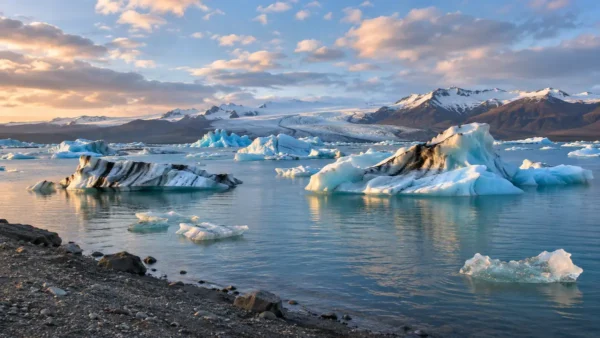
Jökulsárlón is the reason to add nights beyond Vík. Icebergs calve off the glacier into the lagoon and drift out to sea, and the pieces that wash up on the black sand across the road give Diamond Beach its name. Fjallsárlón, a smaller lagoon nearby, lets you see glacier ice with fewer people around. Skaftafell, the hiking area with the Svartifoss waterfall framed by basalt columns, lies on the same stretch. Both sit inside Vatnajökull National Park, the largest national park in Iceland and a UNESCO World Heritage site.
This is not a day trip from Reykjavik: plan it as an overnight stop. There is no entry fee at Jökulsárlón; parking costs 1,110 ISK at Skaftafell and at Jökulsárlón.
The East Fjords
The East Fjords are the quiet stretch of the loop between the southeast and the north, with fishing villages at the heads of long inlets. Seyðisfjörður, the arty harbour village, and Egilsstaðir, the service town, are the names to know. You pass through on the Ring Road, and they are a stretch to enjoy on the way, not a region to build a first trip around.
North Iceland: Mývatn, Akureyri and Húsavík
North Iceland is the pick for travelers with a week or more, and for repeat visitors who have already seen the south. Around Lake Mývatn the ground is still working: the lava formations at Dimmuborgir, the boiling mud and fumaroles of Hverir at Námaskarð, and the Mývatn Nature Baths. Goðafoss and Dettifoss are the region’s big waterfalls, and the horseshoe canyon of Ásbyrgi sits further north. Together these make up the Diamond Circle.
Akureyri is the base town of the north, with the shops and services. Húsavík, on the coast, is the north’s whale-watching harbour (see the summer section below). None of this is a day trip from Reykjavik.
Are the Westfjords and the Highlands Worth Visiting?
Yes, but in summer, and not on a short first trip. Both regions are remote enough to be summer-only in practice, and each takes days away from the core around Reykjavik.
The swap makes sense for two kinds of traveler: repeat visitors who have done the Golden Circle and the south, and summer trips with spare days after the core is covered.
The Westfjords
The Westfjords are worth it for their emptiness. Dynjandi, a broad waterfall that fans down a mountainside in tiers, is the headline sight; Ísafjörður is the region’s town; Látrabjarg is the line of sea cliffs at the far western edge of Iceland. Few coaches come this far, which is the whole point.
The Highlands
The Highlands are Iceland’s uninhabited interior: the coloured rhyolite mountains of Landmannalaugar, the valley of Þórsmörk and the geothermal ridges of Kerlingarfjöll. They are reached on F-roads, the mountain tracks that are usually closed much of the year and are not suitable for every 4×4. No insurance covers damage from river crossings. Check umferdin.is for roads and safetravel.is for conditions before setting out.
Things to Do in Iceland in Winter: Northern Lights and Ice Caves
Winter trades the remote regions for two things summer cannot offer: the northern lights and ice caves. The Golden Circle and the South Coast stay visitable through the dark months, so a winter trip loses the Highlands and the Westfjords but keeps its core.
Winter brings limited daylight, wind and snow, and those set the pace more than any list of sights. Check en.vedur.is for the weather and umferdin.is for road conditions each morning before you drive.
Where to see the northern lights
The northern lights appear anywhere dark with clear skies between September and April. They are better away from Reykjavik’s light pollution and usually strongest around midnight. Leaving the city lights behind, by car or on an evening tour from Reykjavik, is what raises the odds; the aurora forecast at the Icelandic Met Office (en.vedur.is) shows the cloud cover and activity for the night ahead. No spot and no night comes with a guarantee.
Ice caves and glacier walks
Ice caves are a cold-season experience, visited only on a guided tour. Glacier walks also need a guide, as safetravel.is advises; Sólheimajökull on the South Coast and the outlet glaciers of Vatnajökull are where many of them start. Which glacier and which tour suit you is covered in our guide to glacier hiking in Iceland.
Summer Adds Whales, Puffins and the Midnight Sun
Summer is when the whole map is in play. The Westfjords and the Highlands become reachable, whale watching is at its best and the light barely fades around midsummer.
The midnight sun changes how a day works: around midsummer you can reach Jökulsárlón or Snæfellsnes late in the evening and still walk in daylight.
Whale watching: Reykjavik or Húsavík?
Reykjavik is the easy choice and Húsavík the better fit for a northern route. Reykjavik’s Old Harbour runs daily tours and needs no detour, so you can book a whale cruise for a morning between outings. Húsavík, in the north, is the pioneer of whale watching in Iceland and fits a Ring Road trip passing Mývatn.
Nobody should drive north for whales alone: Húsavík pays off as a stop on a loop already heading for Mývatn and Akureyri. The season is best from April to September; winter tours run less often.
Where to see puffins
The Westman Islands, off the South Coast, are the place for puffins, with Heimaey the inhabited island. Puffins are a summer pick, so save the islands for a trip in the light months.
Blue Lagoon or Sky Lagoon: Which Lagoon to Pick
Pick the lagoon by where your trip already goes. The Blue Lagoon sits on Reykjanes near the airport, Sky Lagoon is near Reykjavik, and the Mývatn Nature Baths belong to a trip through the north.
- Blue Lagoon: the famous one, easiest on an arrival or departure day near Keflavík. The area can close at short notice because of volcanic activity, so confirm with the operator close to your date. Whether it is worth the visit for you is the subject of our guide to visiting the Blue Lagoon.
- Sky Lagoon: near Reykjavik, so it fits an evening in the city with no airport run. Its draw is the seven-step Skjól ritual more than the landscape around it.
- Mývatn Nature Baths: only for travelers on a northern route, where it slots in beside Hverir and Dimmuborgir. It is a soak on the way past, never a reason to cross the country.
- A city pool: 1,500 ISK, and what locals actually use. Hot pots and a swim, with no lagoon setting and no booking ritual.
South or North, Short Trip or Ring Road: How to Choose
On a first trip the south wins, because its sights are closer together and nearer Reykjavik. The north earns its place once the trip is long enough to drive the loop.
The south-first verdict fails for three groups. Winter visitors chasing the aurora and ice caves should build the trip around dark nights and a guided glacier day. Travelers with 7 or more days should drive the Ring Road and take the north with it. Repeat visitors who have done the Golden Circle should look at the Westfjords and the north first. When to go month by month and the wider planning are in our Iceland travel guide.
How many days do you need to see the best places in Iceland?
- A short stay based in Reykjavik: the core. The Golden Circle and the South Coast, plus Snæfellsnes or a lagoon, all without changing hotels.
- At least 7 days: the full Ring Road, adding Jökulsárlón, the East Fjords and the north around Mývatn.
- A longer summer trip: the Ring Road plus the Westfjords or the Highlands, the two regions that reward spare days most.
How We Picked These Places
These are the places and experiences we would put in front of a first-time visitor to Iceland, chosen on how far each sits from Reykjavik, how much time it needs and which season suits it; this is not a full Iceland planning guide, a day-by-day route, a guide to day-trip logistics or a roundup of tours.
This shortlist was put together with AI assistance and checked for the Tripstou editorial team by Alex Perrut, working in tourism since 2015. How that review works is set out in our editorial process.
Official sources consulted: Visit Iceland, Þingvellir National Park, Safetravel, Vatnajökull National Park, Icelandic Civil Protection.
Iceland Sights: Common Questions
Can you snorkel between two continents in Iceland?
Yes, at Silfra, the flooded fissure inside Þingvellir National Park that runs through the rift between the North American and Eurasian plates. Snorkellers wear a drysuit or a suitably thick wetsuit, divers wear a drysuit, and nobody goes in alone. The permit is booked through the park or through an operator before you get in the water.
Is Reynisfjara beach dangerous?
Yes, close to the water. Sneaker waves come with zero warning, which is why a yellow, orange and red light system at the beach entrance sets how near you may go. On orange, stay at least 25 m from the sea; on red, the beach is closed and only the viewing area can be used. Officers can close the beach at short notice, and the emergency number in Iceland is 112.
Do you need a car to see Iceland’s top sights?
Not for the core. Tours from Reykjavik cover the Golden Circle, the South Coast, Snæfellsnes and Reykjanes, so a stay based in the capital works without driving. A car comes into its own on a Ring Road loop and in the remote regions, where the trip moves to a different bed most nights.
Did this guide save you time or money? Tripstou is independent and reader-funded — if you'd like to give something back, you can support the site with a crypto contribution of any size.