Iceland is expensive: in Eurostat’s latest comparison, its prices sit about 73% above the EU average, second only to Switzerland. A typical first-time visitor sharing a room should plan on the mid-range band, 25,000 to 40,000 ISK per person per day in Reykjavik, with a floor of about 15,000 ISK on a tight budget and 55,000 ISK and up at the high end. International flights and car hire come on top. The car matters most: a self-drive trip adds the rental, fuel and parking to the daily figure, while a Reykjavik base with buses and day tours stays inside it.
Iceland’s currency is the Icelandic króna (plural krónur, ISK), and every price on this page is in krónur, read from the operators and the city where they publish one. Hotel and menu figures are market samples and carry an “about”.
On This Page
Is Iceland Expensive?
Yes. Iceland is among the most expensive countries in Europe: household prices run about 73% above the EU average in Eurostat’s latest comparison, and only Switzerland ranks higher. Iceland is not in the EU; the EU average is simply the benchmark Eurostat measures it against.
The gap is widest where travelers spend. Alcohol and tobacco cost about 119% above the EU average, the highest of all the countries compared. Restaurants and hotels run about 67% above, again second after Switzerland. Food and non-alcoholic drinks sit about 44% above.
In practice, eating out, drinking and sleeping hurt most. The sights themselves cost nothing to enter: waterfalls, geysers and mountains charge no entry fee. The lines that drive an Iceland budget, from heaviest to lightest:
- car hire and insurance, on a self-drive trip
- fuel
- summer accommodation
- guided tours
- lagoon entry
- restaurant meals and alcohol
How Much Does a Trip to Iceland Cost per Day and per Week?
A trip to Iceland costs 15,000 to 22,000 ISK per person per day on a budget, 25,000 to 40,000 ISK mid-range and 55,000 ISK and up at the high end. These bands are measured in Reykjavik, for one person sharing a double room, excluding international flights and car hire. Mid-range is the right default for a first-time visitor sharing a room.
| Spend style | Per day | Seven days at the daily band | What it buys |
|---|---|---|---|
| Budget | 15,000 to 22,000 ISK | 105,000 to 154,000 ISK | Hostel bed or half a cheaper hotel room, supermarket meals plus one cheap meal, buses or walking, free sights and a city pool |
| Mid-range | 25,000 to 40,000 ISK | 175,000 to 280,000 ISK | Half a central mid-range hotel room, lunch plus a sit-down dinner and a coffee, a City Card day or a pool plus buses |
| High-end | 55,000 ISK and up | 385,000 ISK and up | Half a four-star room, restaurant dinners with drinks, a lagoon visit or a guided tour |
The bands are built from the operators’ and the city’s own prices (Flybus, Strætó, City Card, city pools) and from the room and menu ranges of ranking travel guides, all read on the same day. The seven-day column is the daily band multiplied by seven, with the same exclusions.
The budget band works only with a hostel bed or a campsite, Strætó singles at 690 ISK and self-catering from supermarkets. Mid-range pays for half a central hotel room and one proper restaurant meal a day, with a main at about 4,000 to 6,000 ISK. The high-end band buys a four-star room, dinners with drinks and one paid experience a day. Dinner is where a mid-range traveler feels Iceland’s prices most: a main and a draft beer come to about 5,700 to 7,700 ISK, roughly a quarter to a third of the mid-range floor on its own.
Driving changes the sum. A self-drive trip adds the road-trip lines (car, fuel, parking) on top of whichever band you pick; the car section below prices them.
What the daily figures leave out
- International flights, which vary too much by origin to price here.
- Car hire and fuel, covered in their own section below.
- Lagoon entry and guided tours, beyond the single paid item in the high-end band.
- Parking at the big sights: 1,000 ISK at Þingvellir, 1,110 ISK at Skaftafell and Jökulsárlón.
- Towel and swimwear rental at city pools: 860 ISK and 1,270 ISK.
- Lodging tax of 800 ISK per unit at hotels and guesthouses (detail in the accommodation section).
- Shopping: visitors can reclaim part of the VAT on goods they take home; see tax-free shopping in Iceland for how it works.
Spending money abroad
A Wise account converts your money at the mid-market exchange rate and shows every fee upfront, with a card you can spend in the local currency.
Check Wise’s rates and fees for your currency →
Tripstou may earn a commission if you sign up through this link, at no extra cost to you.
How Expensive Is Reykjavik, and What Is Free?
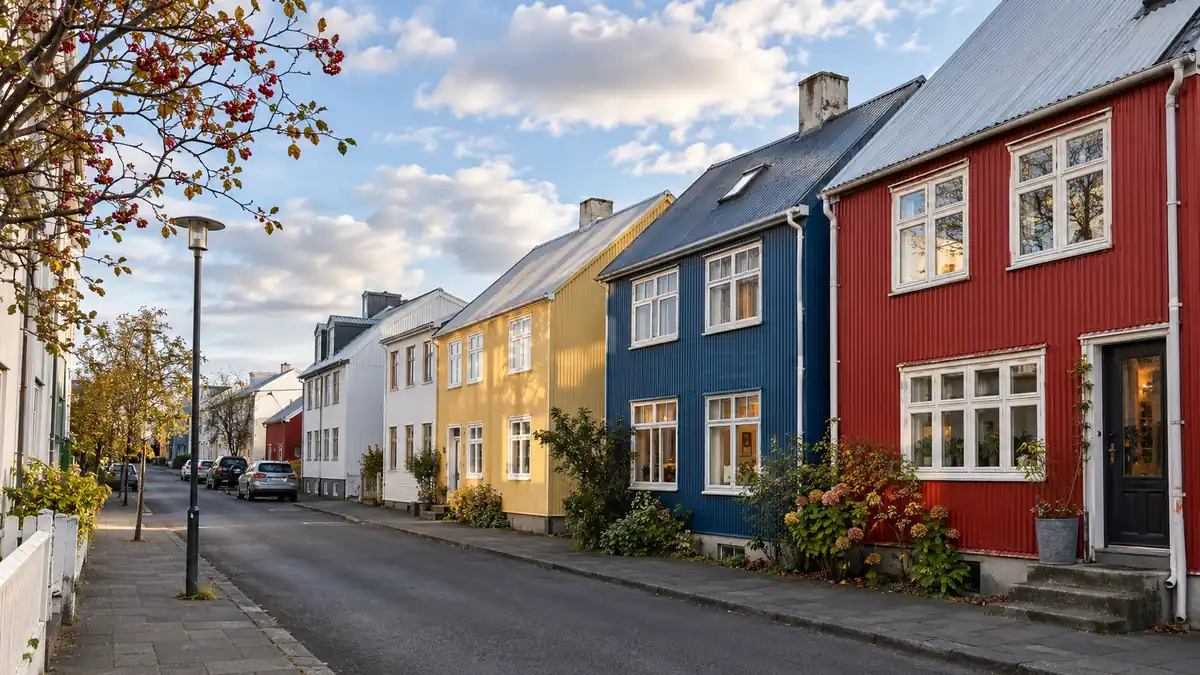
Reykjavik is expensive, and it is where this page’s daily bands are measured: 25,000 to 40,000 ISK per person per day mid-range. Its fixed prices are known before you land: a bus ride costs 690 ISK, a city pool 1,500 ISK and the airport coach 3,999 ISK. Most of what is worth seeing outdoors, in the city and beyond, costs nothing.
| Item | Price | What it covers |
|---|---|---|
| Flybus, airport to Reykjavik (BSÍ) | 3,999 ISK | Adult one way, about 45 minutes, leaves after every flight arrival |
| Strætó single fare | 690 ISK | Adult, one ride; capped at 3 rides a day or 9 a week with Klapp |
| Reykjavik City Card, 24 h | 6,100 ISK | 17 museums, 8 geothermal pools, unlimited Strætó in the capital area (not bus 55 to Keflavík), the Viðey ferry |
| Reykjavik City Card, 48 h | 8,500 ISK | Same inclusions as the 24-hour card |
| Reykjavik City Card, 72 h | 10,500 ISK | Same inclusions as the 24-hour card |
| City pool, adult | 1,500 ISK | Single entry; 10-visit card 7,000 ISK |
These are the prices that stay put: the bus, the pools and the card do not rise in summer the way rooms do. The city itself, its neighbourhoods and what to see there, is the job of our Reykjavik travel guide.
When the City Card pays for itself
The City Card pays only when pools, museums and buses fall on the same days. On a 24-hour card at 6,100 ISK, two pool visits (3,000 ISK) and three bus rides (2,070 ISK) already cover 5,070 ISK of it, and one museum on the same day brings the card to about break-even. A day spent mostly walking, or a day out of town, never earns it back. Buy the card for the days you stay in the capital, not for the length of the trip.
What is free, in the city and beyond
- Tap water, which is safe to drink all around the country.
- Waterfalls, geysers and mountains: no entry fees, although a few places charge for parking.
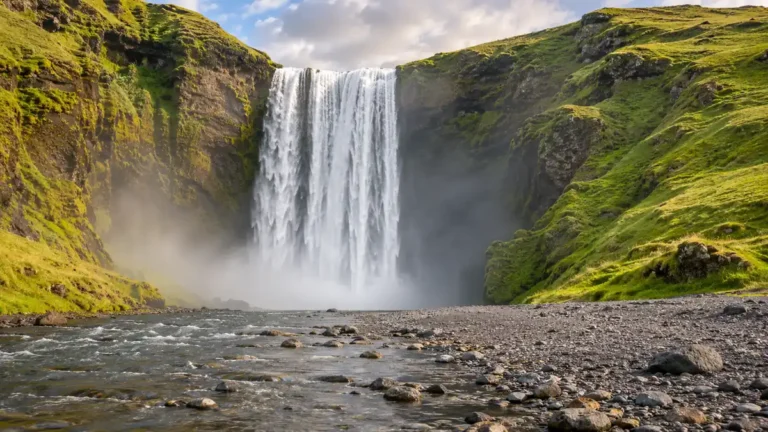
- The big named sights of the Golden Circle and the south coast: Þingvellir (Thingvellir), Seljalandsfoss, Skógafoss, the black-sand beach at Reynisfjara and the Jökulsárlón glacier lagoon, all with no entry fee, parking aside.
- National-park trails.
- The northern lights, when they show.
A Rental Car Is the Line That Changes the Budget Most
Car or no car is the choice that splits Iceland into two budgets. A Reykjavik base with buses and day tours stays inside the daily bands; a self-drive trip adds the car, fuel and parking on top. On a road trip the car is the heaviest line, and unlike a tour seat it divides by the number of people in it.
Car hire and insurance
Car hire is the biggest line in summer, and it climbs for a 4×4 and for full insurance. Insurance is a cost driver in its own right: cover for gravel, sand and ash damage raises the daily price. Which car and which cover suit your route is a separate decision, set out in our guide to renting a car in Iceland.
Split between two or more people, a car competes with paid day tours and replaces the bus-tour kind. A couple driving the Golden Circle pays once for the car and fuel; the same couple on a bus tour pays for two seats.
Fuel
- Petrol 95: about 250 to 290 ISK a litre, with most stations near 280 ISK.
- Diesel: about 300 to 340 ISK a litre.
Parking at the big sights, and one toll
- Þingvellir: 1,000 ISK per passenger car (up to 5 seats), valid for the day in all the park’s car parks.
- Skaftafell and Jökulsárlón: 1,110 ISK per passenger car, valid until midnight of the day you pay.
- The Vaðlaheiði tunnel near Akureyri: a toll road, paid online at veggjald.is.
The sights behind those car parks have no entry fee. For the bed, campsites are the road-tripper’s lever: Skaftafell charges 2,800 ISK per person per night for ages 17–66, a fraction of a room.
Solo and budget travelers do better without a car, on buses and self-catering. Couples and groups who drive pay more in total but less per head, and they skip the paid day tours that a Reykjavik base relies on.
What a Bed Costs in Iceland, from Campsite to Four-Star
A double in a cheaper central Reykjavik hotel runs about 17,000 to 30,000 ISK a night, and four-star rooms start at about 30,000 ISK. Summer is the expensive season: rooms can cost about twice the early-winter rate.
- Campsite: the floor, at 2,800 ISK per person per night at Skaftafell. It suits road-trippers carrying their own gear.
- Hostel bed: the solo traveler’s answer in the capital, with HI hostels such as Loft and Dalur in Reykjavik. A shared dorm trades privacy for the lowest city price.
- Cheaper hotel double: about 17,000 to 30,000 ISK a night centrally. Split by two, it fits the budget and mid-range bands.
- Four-star and up: from about 30,000 ISK a night, and far more in summer. This is the high-end band’s room.
Sharing a room halves the line, which is why every band on this page assumes it. Where to base yourself for the route you have in mind is a separate question, answered in where to stay in Iceland.
Iceland also charges a lodging tax: 800 ISK per unit sold at licensed hotels and guesthouses, and 400 ISK per unit at campsites and motorhome pitches. A unit is accommodation sold for up to one day, so a three-night stay counts three units.
Food and Drink Prices in Iceland, from Supermarket to Bar
A main course at a mid-range restaurant costs about 4,000 to 6,000 ISK, and an espresso-based coffee about 700 to 900 ISK. How you eat (self-catering or restaurants) moves the daily figure more than any single meal does.
Restaurants and hotels sit about 67% above the EU average in Eurostat’s comparison, while food bought to cook sits about 44% above. That gap is why supermarkets win. Bónus and Krónan usually have the lowest prices, with Nettó close behind; 10-11 is the pricier convenience option. Bæjarins Beztu Pylsur is the classic cheap bite in Reykjavik.
Small habits add up too. Filter coffee often comes with refills, and tap water is safe everywhere, so bottled water is money spent for nothing.
Alcohol: buy it at Vínbúðin, not at the bar
Alcohol is where Iceland is priciest: about 119% above the EU average, the highest in Eurostat’s comparison. A 500 ml draft beer at a bar costs about 1,700 ISK, less at happy hour. Buying at Vínbúðin, the state alcohol shop, or at duty free on arrival costs a fraction of the bar price.
Lagoons and Guided Tours Are the Priciest Optional Spend
The landscapes are free to enter; what costs is what you book. The geothermal lagoons are the largest ticket for many visitors, and guided glacier, ice-cave and whale tours are the priciest optional spend. A city pool gives the hot-water experience for 1,500 ISK.
Lagoons versus city pools
The Blue Lagoon and Sky Lagoon are the famous names, and both are worth booking ahead. The area around the Blue Lagoon on the Reykjanes peninsula can close at short notice, so check the operator, almannavarnir.is and safetravel.is before you go.
Reykjavik’s city pools are the low-cost alternative and the locals’ version of the same ritual. Laugardalslaug, Vesturbæjarlaug and Sundhöll Reykjavíkur all charge 1,500 ISK for a single entry, or 7,000 ISK for a 10-visit card. Renting a towel adds 860 ISK and swimwear 1,270 ISK, so on a single visit, packing both saves more than the entry costs.
Guided tours
Glacier hikes, ice caves, whale watching and northern-lights trips cost the most of any activity. A car replaces the bus tours, the Golden Circle being the obvious example, but not the guided ones on ice: walking a glacier or entering an ice cave needs a guide whether you drove there or not. Budget for these as separate lines on top of the daily band.
When Is the Cheapest Time to Visit Iceland?
The cheapest time to visit Iceland is outside summer. Beds and car hire peak in summer, when rooms can cost about twice the early-winter rate; the rest of the year is cheaper, with the festive weeks as the winter exception.
The cheaper seasons trade light and access for price. Winter brings short daylight and roads that depend on the weather, and the highlands open only in summer. In return, the dark months add the northern lights and the ice-cave season.
The fixed prices carry no summer premium: buses, pools and parking cost the same all year, and fuel follows the market, not the season. The saving sits in the bed and the car, so a Reykjavik base without a car gains less from off-season travel than a road trip does. How the season fits the rest of the plan is covered in the Iceland travel guide.
How to Save Money in Iceland
The savings that change an Iceland total are few and structural: travel outside summer, share the car and the room, and self-cater. Everything else is small change.
- Share the car and the room: both lines halve with a second person, and a shared car replaces paid day tours.
- Self-cater from Bónus or Krónan: food bought to cook sits far below restaurant prices.
- Swap the lagoon for a city pool: 1,500 ISK buys the same hot water, and your own towel saves another 860 ISK.
- Buy alcohol at Vínbúðin or duty free on arrival: a fraction of the bar price.
- Use the City Card only on stacked days: pools, museums and buses on the same day, or not at all.
- Sleep at campsites on a road trip: per-person pitches undercut any room.
- Let Strætó fare capping work: with Klapp, rides stop costing after 3 a day or 9 a week.
- Build the itinerary on free sights: waterfalls, beaches and trails charge nothing beyond parking.
Everything that is not about money, from packing to etiquette, sits in our Iceland travel tips.
Where These Prices Come From
This page prices an Iceland trip in krónur, by spend style and by cost line, to settle one decision: the budget. Routes, areas to stay, car choice and what to see are left to other guides.
These krónur figures were checked by Alex Perrut, working in tourism since 2015, for the Tripstou editorial team, after a first draft written with AI assistance. Our editorial process sets out each step.
Official sources consulted: City of Reykjavik, Visit Reykjavik, Klapp (Strætó), Vatnajökull National Park, Visit Iceland.
Did this guide save you time or money? Tripstou is independent and reader-funded — if you'd like to give something back, you can support the site with a crypto contribution of any size.