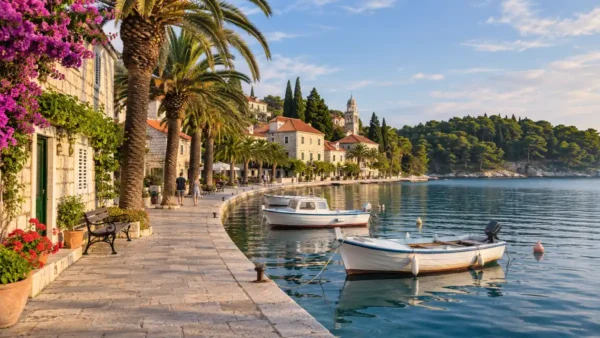
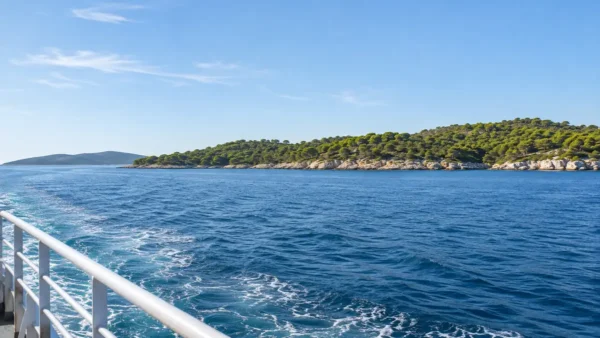
Dubrovnik is a compact walled city, and a first trip there turns on three choices: how many days to give it, which weeks and hours to be inside the walls, and which base to sleep in. Only one reservation really shapes the visit: the City Walls ticket. The Old Town, the walls circuit and Lokrum island across the water anchor everything below; the sights in depth, the day-by-day order and the area-by-area stay choice each have their own Dubrovnik page, linked where you need them.
Quick Answer
Yes, Dubrovnik is worth it: it is Croatia’s walled-city showpiece and the natural finale of a Croatia trip. Plan two to three days, enough for the City Walls and Old Town, Lokrum or the Elaphiti islands, and a beach. It suits first-timers who accept a compact, pricier, crowd-managed city for sea, stone and views in one base.
How This Guide Was Checked
This page plans a first Dubrovnik trip (days, season and crowds, base, arrival, day trips, Split or Dubrovnik); the sights, the 3-day plan and the area-by-area stay guide have their own pages.
Alex Perrut, working in tourism since 2015, went over this planner for the Tripstou editorial team after it was written with AI assistance; our editorial process explains the steps.
Official sources consulted: Platanus, Society of Friends of Dubrovnik Antiquities, Lokrum Reserve, Europa Line Dubrovnik, Croatian National Tourist Board.
On This Page
Is Dubrovnik worth visiting, and who is it for?
Dubrovnik is worth visiting for a first trip that wants one walled city done properly. It rewards travelers who want sea, fortifications and high viewpoints in a base they can walk, and who will pay higher prices and share the streets with crowds to get them.
It suits less well if you want a city where locals still fill the old centre, or a cheap base for a long stay. Split does both of those better, and the comparison at the end of this page sets the two side by side.
Three things set Dubrovnik apart from other Croatian stops. The Old Town is small enough to cross on foot in minutes. Its busiest hours are set by cruise ships, so timing matters more here than almost anywhere else on the coast. And no train serves the city, which shapes how you arrive and how many nights you book. Pick Dubrovnik if the walls themselves are the reason you are going to Croatia.
What Dubrovnik is known for: the walls, the Stradun and King’s Landing
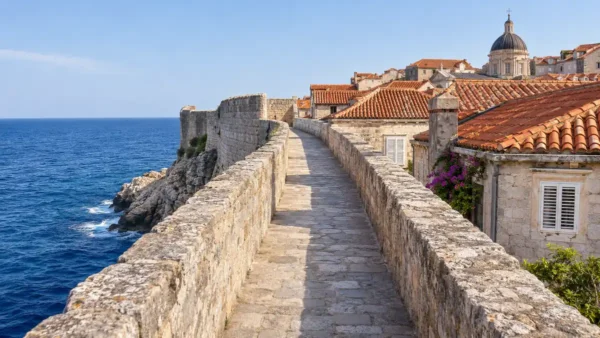
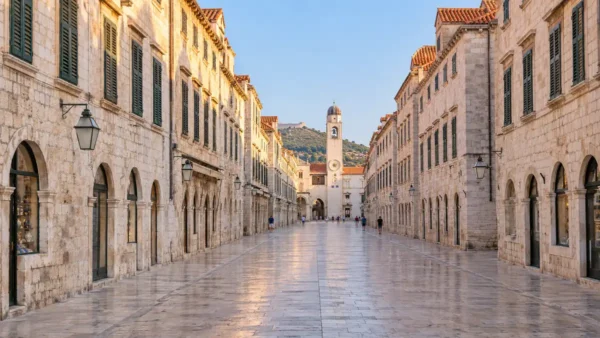
Dubrovnik is known first for the City Walls circuit that rings the Old Town, the polished limestone Stradun running between the Pile and Ploče gates, and the views down onto the red roofs from Mount Srđ and Fort Lovrijenac. Lokrum, the wooded island just offshore, is the fourth name every visitor meets.
Inside the walls, the names to orient by are the Rector’s Palace, the Sponza Palace, the Franciscan Monastery near Pile Gate, the Church of St Blaise, Onofrio’s Fountain, the round Minčeta Tower and Fort St John guarding the Old Port. Learning them on foot is the easiest first morning, and you can book a guided walk of the Old Town if you want the history attached. Which ones are worth your time, and how to fit them into a day, is covered in the guide to things to do in Dubrovnik.
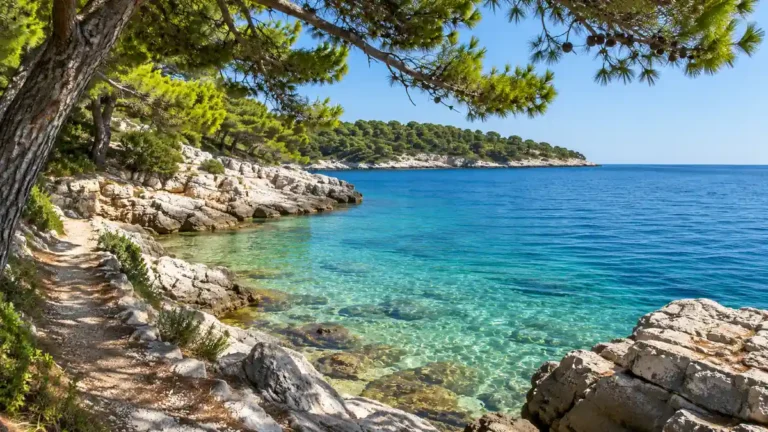
The swimming is part of the identity too. Banje beach sits just east of Ploče Gate with the walls in view, Sveti Jakov is a quieter cove further along, Lapad beach is the easy option on the peninsula, and Lokrum’s Mrtvo More is a small saltwater lake inside the island. Kayaking under the sea walls is the other popular way onto the water.
Game of Thrones gave the city its second fame. The Old Town and Fort Lovrijenac stood in for King’s Landing, and Lokrum keeps a replica of the Iron Throne, which is why many fans pair a filming-locations walk in the Old Town with the boat to the island on the same day. The street-by-street list of Game of Thrones locations in Dubrovnik lives on the sights page.
Tours and activities
Book skip-the-line tickets, day trips and local tours with free cancellation on most activities.
You can also browse everything on getyourguide.com.
Tripstou may earn a commission if you book through this link, at no extra cost to you.
How many days in Dubrovnik is enough?
Two to three days is enough for Dubrovnik. One day covers the walls and the Old Town, a second goes to Lokrum or the Elaphiti islands, and a third leaves room for a beach or a longer day trip. A single day is cruise-passenger pace and feels tight; add a night whenever your arrival or departure eats most of a day.
| Stay | What it buys | Who it suits |
|---|---|---|
| 1 day | Walls circuit, the Stradun and one viewpoint | Stopovers and travelers passing through on a Croatia route |
| 2 days | Walls and Old Town, plus Lokrum or a beach afternoon | First-timers on a tight multi-city trip |
| 3–4 days | Old Town, an island day and one longer trip out of the city | First-timers using Dubrovnik as the finale or a sea base |
Stretch to four days when the Elaphiti islands and a long day to Mostar or the Bay of Kotor both make your list, because each takes a whole day out of the city. The order that keeps the walls, the island and the day trip out of each other’s way is laid out in the 3-day Dubrovnik itinerary.
The third day is the one that pays for itself here. It lets you put the walls in an early slot without racing to the Lokrum boat the same afternoon.
Late spring and September beat summer, and mornings beat cruise hours
May–June and September to mid-October are the best weeks for Dubrovnik: the sea is warm, the boats run and the crowds thin out. July and August are the busiest and dearest months. On any date, the Old Town is calmest early in the morning and in the evening, because cruise passengers arrive in the morning and leave by evening.
The seasons trade off cleanly. Late spring brings long days and lower prices before the peak. High summer gives the hottest sea and the open-air stages of the Summer Festival, along with the fullest streets and the highest room rates. Late September and early October keep the warm water but lose some boat departures towards the end of the window.
Winter is the quiet variant. The streets belong to residents, most island boats are off, and the beaches are for looking at.
Cruise traffic decides how a day inside the walls feels more than the month does. The Port of Dubrovnik publishes its cruise calendar, so check your dates against it and put the Stradun and the walls before the first passengers arrive or after they have gone back aboard.
Where to base yourself: Old Town, Ploče, Lapad or Gruž
Stay inside the walls for atmosphere, at the cost of stairs, noise and price; choose Ploče or Pile to be at the walls without the stairs; pick Lapad or Babin Kuk for beaches and resort hotels with a bus into town; and base in Gruž for the port, the bus station and the lowest prices.
- Old Town: you step out onto the Stradun at dawn before anyone else, but most rooms sit up steep stepped lanes and evenings stay loud in summer.
- Ploče and Pile: the gates are a short walk away and the sea views are the city’s best; Hotel Excelsior near Ploče and the Hilton Imperial by Pile Gate are the known names.
- Lapad and Babin Kuk: beaches, promenades and larger hotels such as Hotel Lapad, with the Old Town a bus ride away.
- Gruž: the ferry port and main bus station sit here, which makes it the practical pick for an early boat or a late arrival, and rooms cost less.
The choice matters more on a short stay. On a two-night visit, Ploče or Pile buys back the early-morning and late-evening walls hours that a Lapad base spends on the bus. The full area comparison, with who each area suits, is in the guide to where to stay in Dubrovnik.
Hotels and places to stay
Compare hotels, apartments and stays for your dates in one search.
Search hotels and stays on hotels.com →
Tripstou may earn a commission if you book through this link, at no extra cost to you.
How do you get from Dubrovnik Airport to the Old Town?
The Platanus airport shuttle is the one official option: it reaches the Old Town at Ploče Gate in about 30 minutes, then continues to the Gruž bus station. It leaves about half an hour after each flight lands, charges a fixed fare, and does not sell tickets on board, so buy online, at the airport counter, the bus station or the cable car stop.
Ploče Gate is the first stop, not Pile, which many guides still name. Get off there if you are staying in the Old Town, Ploče or Pile; stay on to Gruž for Lapad, Babin Kuk or the port.
Dubrovnik Airport (DBV) is at Čilipi, south of the city. No train serves Dubrovnik, and Split is the nearest rail station. Arriving by bus or ferry puts you at Gruž, while drivers should plan around a car-free Old Town; the routes in from Split and the rest of the country are in the Croatia transport guide.
Getting around: walk the Old Town, bus to Lapad, boat from the Old Port
The Old Town is walked: it is car-free and small. Libertas city buses link it with Lapad, Babin Kuk and Gruž and run on to Cavtat, with single-ride tickets sold on the bus. Boats to Lokrum leave from the Old Port beside the walls and boats to the Elaphiti islands from Gruž, while the cable car climbs to Mount Srđ from just above the Old Town.
Stairs and heat are the real obstacles. The Stradun is flat, but the lanes either side climb steeply, and on a July afternoon those steps decide how much you see. Plan the uphill parts and the walls for the cooler ends of the day.
The buses do the heavy lifting for anyone based outside the walls, and the same network reaches Cavtat for a day by the water. If you plan to ride often and see museums too, the Dubrovnik Pass bundles bus travel with the walls; it is covered in the questions at the end of this page, next to parking.
Should you book the Dubrovnik City Walls ahead?
Yes, although no reservation is required. Buy the City Walls ticket on the official webshop of the Society of Friends of Dubrovnik Antiquities before the day, so you are not buying it at the box office in cruise hours. The same ticket lets you visit Fort Lovrijenac, and it is valid for one circuit with no re-entry.
This is the booking that shapes your days in Dubrovnik. The walls have little shade and fill when cruise passengers arrive, so a ticket in hand lets you start as the circuit opens or go in late in the afternoon, matching the timing rule above.
No re-entry means you plan the stop before you climb: water, a hat and enough time to finish the loop. Buy from the Society’s official webshop or its box office, and note that the walls keep shorter opening hours in winter. How to walk the circuit and where to start are on the Dubrovnik sights page.
Is Dubrovnik expensive?
Yes, Dubrovnik is the most expensive city in Croatia, and the cost is concentrated inside the walls, in Old Town rooms and sit-down meals on and around the Stradun. Prices drop quickly once you base in Lapad or Gruž, picnic from supermarkets and the market, and ride the bus.
Croatia uses the euro, so travelers already in the eurozone have no currency to change. How far that money goes depends on how you spend it.
On a tight budget, Dubrovnik works if you sleep in Gruž or a private room in Lapad, eat one main meal a day away from the Stradun, and treat the walls as your one paid sight. The city punishes this style in July and August, when even modest rooms climb, and rewards it in the shoulder weeks.
A comfortable middle budget buys a sea-view room in Lapad or a guesthouse near Ploče, a boat day to the Elaphiti and dinners at konobas off the main street. High-end travelers get the Ploče and Pile cliff hotels with walls views and private boats, and pay the steepest premium of any Croatian city for them.
Where to eat without paying Stradun prices
The morning market on Gundulić Square near the Sponza Palace, Buffet Škola, Konoba Pjatanca and the Buža cliff bars on the rocks below the walls are the names worth knowing. Order the local plates wherever you sit: black risotto, octopus salad, peka slow-cooked under an iron bell, Ston oysters, and Pošip white or Dingač red wine.
Which day trips from Dubrovnik are real day trips
Lokrum, Cavtat and the Elaphiti islands are easy half or full days by boat or bus. Ston and the Pelješac peninsula, Trsteno and Mljet each need a full day. Mostar and the Bay of Kotor are long cross-border days, usually done as tours, and you need a passport for them.
| Place | How you get there | What kind of day | Crosses a border |
|---|---|---|---|
| Lokrum | Boat from the Old Port, a short crossing | Half day | No |
| Cavtat | Libertas bus or boat from the Old Port, a short ride south | Half day | No |
| Elaphiti (Koločep, Lopud, Šipan) | Boat from Gruž, about an hour to Lopud | Full day | No |
| Ston and Pelješac | By road | Full day | No |
| Trsteno Arboretum | By road, or a boat trip combining Trsteno and Lokrum | Half to full day | No |
| Mljet | Boat | Full day | No |
| Mostar | Usually a tour | Long full day | Yes |
| Kotor and Perast | Usually a tour | Long full day | Yes |
The Elaphiti are the best first day out: three car-light islands reached on the regular boat from Gruž, with Lopud the usual stop if you only pick one. To see all three in a day, reserve an island cruise. Ferry routes, Mljet logistics and the wider network are covered in the guide to island hopping in Croatia.
Mostar in Bosnia and Herzegovina and Kotor and Perast in Montenegro are the two long days. For both, carry your passport: the day leaves the EU’s border-free area and you cross a border both ways. Most people go with a driver so the border leg is someone else’s job, and you can book this day trip to the Bay of Kotor and Perast that way.
On a three-day stay, choose one border day at most. Two would hand most of your time in Dubrovnik to the road.
Split or Dubrovnik: which one for a first trip to Croatia?
Choose Dubrovnik for the walled-city showpiece in a compact, pricier, crowd-managed base; choose Split for a lived-in city built into a Roman palace, with the ferry and bus hub for the islands on its doorstep. Most first routes through Croatia do both, ending in Dubrovnik.
Dubrovnik wins on the thing you came to look at: the complete circuit of walls, the sea views from Lovrijenac and Srđ, and a car-free Old Town that is a monument end to end. It costs more, and its streets are busiest on cruise days.
Split wins on island access and on everyday life, with residents still living inside Diocletian’s Palace and the island ferries leaving from the harbour below it. It is the better base if your budget is tighter or the islands are the point. What it offers beyond the palace is set out in the guide to things to do in Split, and the islands between the two cities in the Croatia island-hopping guide.
Dubrovnik usually takes the last two or three nights of a Croatia route, after Split and the islands. The Croatia itinerary shows how the stops line up, and the Croatia travel guide covers the country around them.
Decide These First
- Give Dubrovnik two to three days, so the walls and Old Town, an island day and a beach each get their own slot instead of a race to the Lokrum boat.
- Aim for May–June or September to mid-October, and on any date walk the Stradun and the walls early in the morning or in the evening, outside cruise hours.
- Sleep inside the walls, at Ploče or at Pile to be at the walls early and late, or in Lapad or Gruž for lower prices at the cost of a bus ride in.
- The Platanus airport shuttle stops first at Ploče Gate, not Pile, and sells no tickets on board, so buy yours before you queue.
- Buy the City Walls ticket on the official webshop before the day: it also covers Fort Lovrijenac and allows one circuit with no re-entry.
Questions First-Timers Ask
How do you get to Lokrum Island?
Take the official boat from the Old Port: tickets are sold at the Luža office in the Old City Port, and the one fee covers both the return boat and entrance to the Lokrum reserve. The crossing is short and the service is seasonal, so check that boats are running if you go outside summer. Arriving on a private boat does not lower the fee.
Can you wear swimwear in Dubrovnik’s Old Town?
No. Walking around the Old Town in swimwear or without a shirt is fined, so cover up between the beach and the walls. With Banje beach just outside Ploče Gate, a shirt or cover-up in the beach bag is the easy habit.
Is there parking in Dubrovnik’s Old Town?
No. The Old Town is car-free, and parking near it is scarce and expensive. If you are driving the coast, base outside the walls, leave the car parked on the city days and save it for trips out, using your feet and the Libertas buses in town.
Is the Dubrovnik Pass worth it?
Only if you will use more than the walls. The pass bundles the City Walls and Fort Lovrijenac with museums and Libertas bus travel, so it suits a visitor who plans museum time and rides the buses. If the walls are your one paid sight, buy the walls ticket on the official webshop instead.
Plan the Rest of Dubrovnik
- Things to do in Dubrovnik: the sights, the walls walk and the Game of Thrones locations.
- 3-day Dubrovnik itinerary: the day-by-day order behind the two-to-three-day answer.
- Where to stay in Dubrovnik: the area-by-area choice between the Old Town, Ploče, Lapad and Gruž.
- Croatia travel guide: the country planner this city sits inside.
Did this guide save you time or money? Tripstou is independent and reader-funded — if you'd like to give something back, you can support the site with a crypto contribution of any size.