The things to do in Stockholm that a first visit should not miss are Gamla Stan’s old town, the museum island of Djurgården with the Vasa Museum at its heart, a viewpoint on Södermalm, and time on the water in the archipelago when the boats are running. The number of days decides that last pick: with two days the museums win, and with three or more the archipelago earns its place.
Stockholm is built on islands, and its sights cluster by island. That is why the picks below are grouped by place: Gamla Stan in the middle, Djurgården to the east, Södermalm to the south, the City Hall and gallery quarter around the central waterfront. A first-timer can shortlist from that layout without opening a map.
What should a first-time visitor not miss in Stockholm?
A first-time visitor should not miss Gamla Stan, the Vasa Museum, Skansen, one Södermalm viewpoint, City Hall and the archipelago in boat season. Each sits on a different island or stretch of waterfront, so the shortlist doubles as a map: pick the islands, and the sights come with them.
| Pick | Where it sits | Who it suits | Weather and season |
|---|---|---|---|
| Gamla Stan walk | Old town island | Every visitor, photographers early | All year |
| Vasa Museum | Djurgården | Almost everyone, history lovers most | All-weather |
| Skansen | Djurgården | Families and outdoor visitors | Best in dry weather; seasonal events |
| Södermalm viewpoint | Södermalm heights | Walkers, budget travelers | Clear days, all year |
| City Hall | Kungsholmen waterfront | Architecture and Nobel fans | Halls all year, by guided tour |
| Archipelago | Islands east into the Baltic | Trips of three days or more | Boat season; thin in winter |
The shortlist is built for long-haul first-timers with a few days, who need the sights that only Stockholm has. It covers history (the palace and the Vasa), outdoor Sweden (Skansen and the islands) and the city’s best views, without doubling up on any of them.
Two famous names are left off on purpose. ABBA The Museum and Fotografiska depend on taste: a fan or a photography lover will rank them near the top, everyone else can drop them without regret. Drottningholm is left off because it needs a half day out of town. All three appear in their own sections below. Arrival, getting around and what a trip costs are covered in the Stockholm guide for planning basics.
Gamla Stan: the Royal Palace, Stortorget and the lanes in between
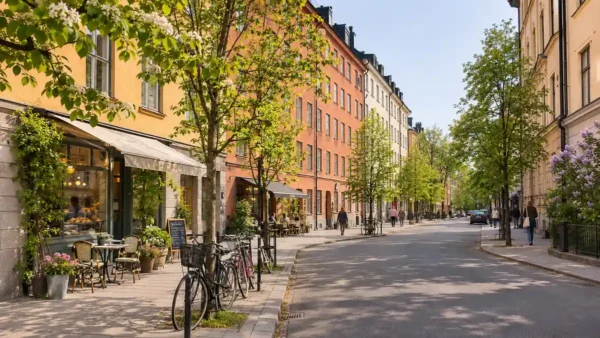
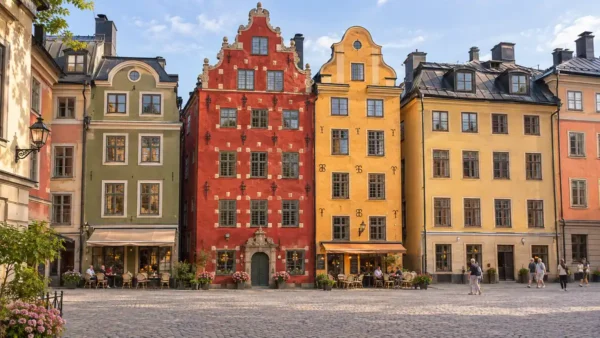
Gamla Stan is the one area every visitor walks, and it is at its best early in the morning or late in the day, outside the hours when cruise groups fill the main lanes. The island is small enough to cross on foot quickly, so the plan is less about route and more about timing.
The Royal Palace and the changing of the guard
The Royal Palace is one of Europe’s largest palaces. Guided tours take visitors through the state rooms, and the Treasury sits in the cellar vaults. It suits readers who want one proper interior in the old town, and it pairs with the changing of the guard in the outer courtyard, which is free to watch and seasonal (the schedule is covered in the questions at the end of this page).
Stortorget, Storkyrkan and Mårten Trotzigs gränd
Stortorget is the old town’s main square. Storkyrkan, Stockholm’s cathedral, stands a few steps away. Mårten Trotzigs gränd, the city’s narrowest alley, is a short detour from the square and the stop most walkers go looking for.
This walk is for everyone. Photographers who come before the crowds get the square and the alley empty, which is almost impossible by midday in summer.
Nobel Prize Museum and Riddarholmen
The Nobel Prize Museum, on Stortorget itself, is the indoor stop for readers who want a museum without leaving the old town. Riddarholmen, the small island next door, is where to go for quiet: its waterside quay stays calm while Gamla Stan’s lanes are busy.
Djurgården packs Stockholm’s best museums into one island day
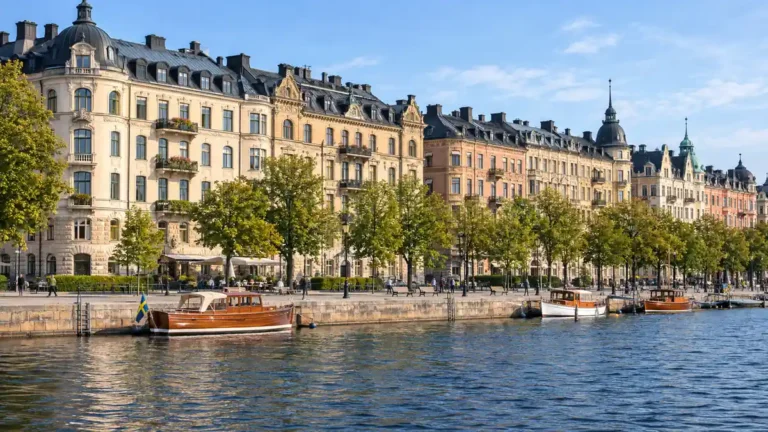
Djurgården’s museums sit within walking distance of each other, so they belong in one day: start at the Vasa Museum, and move to Skansen while the weather holds. The approach on foot runs along Strandvägen, the waterfront boulevard of Östermalm, and over the bridge onto the island.
Djurgården rewards a narrow choice. Two museums done well beat four done at a jog, and the Vasa plus either Skansen or one second museum is the pairing most visitors remember.
Tickets, combined passes and whether the Stockholm Pass pays off for a museum day are worked out on the Sweden trip-cost page, which shows what Stockholm’s museums and the pass cost; this page prints no figures.
Vasa Museum: is it worth it?
The Vasa Museum is worth it for almost every visitor. It holds a 17th-century warship that sank on its maiden voyage and was raised after more than three centuries on the seabed, almost complete. Nothing else in Stockholm shows a ship of that age at full size.
It is all-weather, which makes it the safest first booking on the page. Readers drawn to ship history can add Vrak – Museum of Wrecks nearby and book both museums together. What booking does and does not change at the door is answered in the questions below.
Skansen
Skansen is the world’s oldest open-air museum, founded by Artur Hazelius, and it brings Sweden’s history and wildlife onto one hilltop. Historic buildings from across the country stand next to enclosures of Nordic wild animals such as moose, bears and seals.
It is the family pick, and it depends on the weather: most of the visit is outdoors. Its seasonal events give it a second life, with Midsummer celebrations in summer and a Christmas market in winter. Families planning a full afternoon can buy a Skansen ticket before the day.
ABBA The Museum: worth it or not?
ABBA The Museum is worth it for fans and for groups who want something playful, and easy to skip for everyone else. The interactive rooms (singing, dancing, costumes) are the point. In high season it is sensible to reserve a time slot online before you go.
Nordiska museet and Gröna Lund
Nordiska museet, the large museum of Swedish everyday life and traditions, is the second indoor stop when rain cuts Skansen short. Gröna Lund, the amusement park on the island’s waterfront, is for families with children during its summer season.
Tours and activities
Book skip-the-line tickets, day trips and local tours with free cancellation on most activities.
You can also browse everything on getyourguide.com.
Tripstou may earn a commission if you book through this link, at no extra cost to you.
Södermalm: Fotografiska, the viewpoints and a fika stop
Södermalm is the island for views and contemporary culture: no palaces, but the best panoramas of the city and its photography museum. Slussen, the transport hub between Gamla Stan and Söder, is the place to start.
Fotografiska
Fotografiska sits at Stadsgårdshamnen on Södermalm’s waterfront and calls itself The Contemporary Museum of Photography, Art & Culture. Its exhibitions rotate, and a bar and restaurant occupy the top of the building. It is the evening pick, and the one to choose over a second Djurgården museum when new work appeals more than old ships and costumes.
Monteliusvägen, Fjällgatan and Skinnarviksberget
Södermalm’s three viewpoints differ mostly in the effort they ask:
- Monteliusvägen: a flat footpath along the heights; the easy one, and the pick when the walk itself should stay gentle.
- Fjällgatan: a cobbled street on Söder’s edge, the one to pair with a café stop.
- Skinnarviksberget: bare rock at Söder’s highest point, a short climb for steady shoes and readers who want to earn the view.
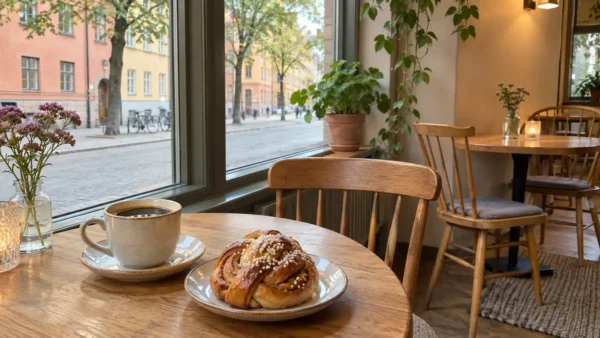
Fika, the Swedish coffee-and-cake break, fits naturally here. Herman’s on Fjällgatan turns the viewpoint walk into a sit-down stop.
Söder is also one of the bases compared on the page about where to stay in Stockholm.
City Hall and the central waterfront: Kungsholmen, Norrmalm and Skeppsholmen
The centre’s two picks are City Hall on Kungsholmen, for the Blue Hall and the Golden Hall, and Skeppsholmen for Moderna Museet. The rest of Norrmalm and Östermalm is for walking and eating, not for queues.
Stadshuset, Stockholm City Hall
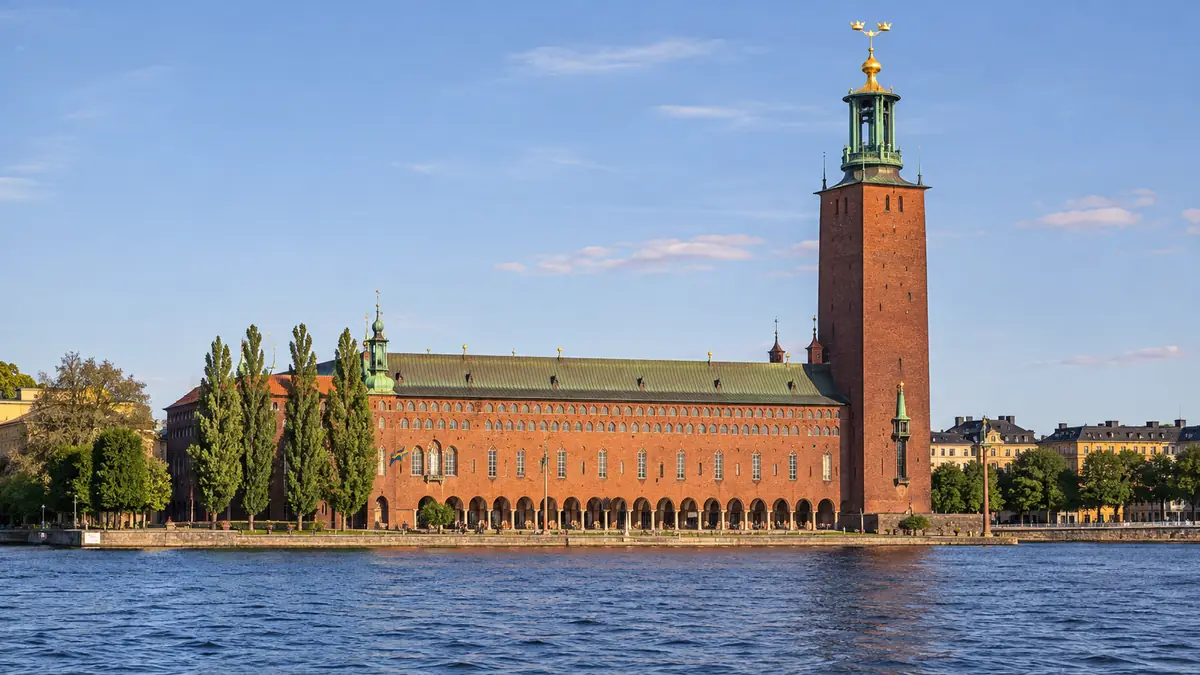
City Hall’s Blue Hall, where the annual Nobel Banquet is held, and the Golden Hall above it, lined with gold mosaics of Swedish history, are seen on a guided tour. The City Hall Tower is closed to visitors for renovation, so the guided tour of the halls is the way to see the building.
Moderna Museet and ArkDes on Skeppsholmen
Moderna Museet is the modern-art pick, on the small island of Skeppsholmen a short walk from the centre, with ArkDes, the national centre for architecture and design, on the same island. Both suit art lovers and fill a rainy afternoon well.
Nationalmuseum, Kungsträdgården and Östermalms saluhall
Nationalmuseum, Sweden’s museum of art and design, covers the older collections that Moderna Museet does not. Kungsträdgården is the central park, an easy pause between sights. Östermalms saluhall, the historic food hall, is the answer to a lunch that is not a restaurant.
Free things to do in Stockholm: metro art, walks and the guard change
Stockholm’s best free experiences are the metro art, the Gamla Stan and Södermalm walks, and the changing of the guard. Several state museums add free entry or free windows on top of that; the terms differ, so check each museum before you go.
Metro art stations worth riding to
Most of the roughly 100 metro stations carry art, and it is seen on a normal SL ticket. The four usual picks are T-Centralen, Kungsträdgården, Stadion and Rådhuset; T-Centralen is the one most visitors pass through anyway, so it is the easy start.
A metro-art hour fills a wet gap in the day and adds nothing to the ticket you already carry.
The other free picks are covered in their own sections:
- Södermalm viewpoints: Monteliusvägen, Fjällgatan and Skinnarviksberget, in the Södermalm section above.
- Gamla Stan lanes and Riddarholmen: the old-town walk and its quiet quay, in the Gamla Stan section.
- The changing of the guard: at the Royal Palace, with its seasonal schedule in the questions at the end.
- Strandvägen: the waterfront walk to Djurgården, free and the best way onto the museum island.
Is the Stockholm archipelago worth a day of a short trip?
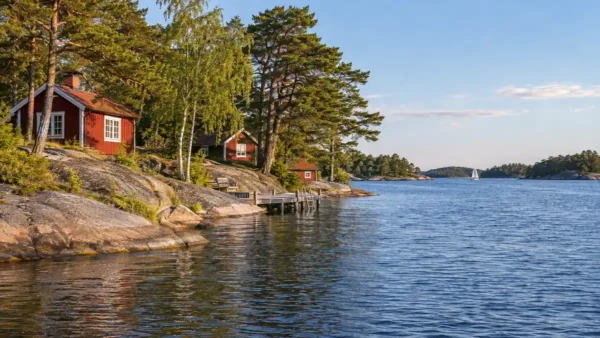
The archipelago is worth a day if you have three days or more and travel in boat season; with only two days, the Djurgården museums give more per hour. That is the main tradeoff on this page: the museums are Stockholm’s best indoor day, the islands its only-in-Stockholm one.
The archipelago counts about 30,000 islands and islets, reaching some 80 km east into the Baltic. Boats run on a seasonal pattern, busiest in summer, and winter thins the options to a few routes. Five names cover most first trips:
- Fjäderholmarna: the closest islands to the city, which makes them the half-day taste of archipelago life; the right choice when time is short but the water still calls.
- Vaxholm: a small archipelago town, the easy full-day classic.
- Grinda: forest, rocks and swimming, for a nature day.
- Sandhamn: the sailing village of the outer archipelago.
- Utö: far to the south, for readers with a full day and an overnight in mind.
The archipelago suits anyone who wants the experience no other capital offers, and summer visitors most. It does not suit winter visitors, who will find fewer boats and shorter light. Where the museum day and the island day fall in a short stay is set out in the 3-day Stockholm itinerary.
Drottningholm, Sigtuna and Uppsala: the day-trip ring
Drottningholm is the one day trip worth a half day for most visitors; Sigtuna, Uppsala and Birka are for a second visit or a longer stay. Drottningholm Palace, a UNESCO World Heritage site on Lake Mälaren, suits readers who liked the Royal Palace and want its lakeside counterpart.
Sigtuna is a small old town, for a slow afternoon. Uppsala, the university city, suits readers who want a second Swedish city in a day. Birka, the Viking-age site, is the history option in the summer season. Beyond this ring, the rest of the country is on the page of things to do in Sweden.
Rainy days and winter change the shortlist
In rain, the Vasa Museum, Fotografiska and Moderna Museet replace Skansen; in winter, the archipelago drops away, and Skansen’s winter season, the metro art and Gamla Stan lead. Families lean on Skansen and, in its summer season, Gröna Lund.
On a rainy day, stack the indoor picks by island: the Vasa and Nordiska museet on Djurgården, Moderna Museet and ArkDes on Skeppsholmen, Fotografiska for the evening. The metro art stations turn a wet hour into a free gallery. The Paradox Museum is another indoor option for groups with children.
In winter, Gamla Stan is at its most atmospheric, Skansen holds its Christmas market, and the museums carry the days. Leave the islands for a summer trip; boats are scarce in winter.
With children, Skansen’s animals are the safest bet in any season, Gröna Lund is the summer reward, and the ABBA museum’s interactive rooms work for older children who know the songs. The Vasa holds the attention of most ages longer than parents expect.
About This Selection
This page picks Stockholm’s sights island by island and says who each one suits; it is not a city guide, a day-by-day itinerary, a ticket-price list or a guide to where to stay.
Written with AI assistance, this selection was then gone through by Alex Perrut, working in tourism since 2015, for the Tripstou editorial team. How those checks run is set out in our editorial process.
Official sources consulted: Visit Stockholm, Vasa Museum, The Royal Palaces, Skansen, Fotografiska Stockholm.
Two Questions Readers Ask Before They Go
Is the changing of the guard in Stockholm free?
Yes, the changing of the guard is free to watch, in the outer courtyard of the Royal Palace in Gamla Stan. It runs more often in summer than in winter, and the time of day shifts with the season, so check the palace’s schedule for the day you plan to go and arrive early for a spot near the front.
Do you need to book the Vasa Museum in advance?
Booking ahead will not get you in faster: the Vasa Museum states that pre-purchased tickets do not give priority in the queue. Large bags and wheeled cases are not allowed inside, so drop luggage before the visit rather than on the way to the airport.
Plan the Rest of Stockholm
- Stockholm guide: planning basics, arrival and cost bands for the city.
- 3-day Stockholm itinerary: these picks put in day order.
- Where to stay in Stockholm: which island to base yourself on.
- Sweden trip cost: museum tickets, the Stockholm Pass and a daily budget.
- Things to do in Sweden: the rest of the country beyond Stockholm.
Did this guide save you time or money? Tripstou is independent and reader-funded — if you'd like to give something back, you can support the site with a crypto contribution of any size.