

Planning your first adventure to Budapest? You’ve chosen a city that is a stunning blend of imperial grandeur, thermal relaxation, and gritty, artistic nightlife. This ultimate guide is packed with everything you need to know to make your trip unforgettable, especially how to navigate the thermal baths and the unique currency.
Budapest, the capital of Hungary, is often called the “Pearl of the Danube.” It is a city split by the river into two distinct halves: Buda, with its historic castle and hills, and Pest, the flat, vibrant, and commercial heart. It is a city that offers a high-end experience at a surprisingly affordable price.
Get ready to discover why this city is an essential travel destination. Let’s dive into the essential tips that will help you plan, budget, and experience the very best of this amazing city.
Table of Contents
- 1. Why Visit Budapest?
- 2. Best Time to Visit Budapest
- 3. Top Destinations in Budapest for First-Timers
- 4. Planning Your Budapest Trip: A Step-by-Step Guide
- 5. Accommodation in Budapest: Where to Stay
- 6. Getting Around Budapest: Transportation Guide
- 7. How Much Does a Trip to Budapest Cost?
- 8. Must-Try Foods and Cultural Delights
- 9. Staying Safe in Budapest
- 10. Solo Travel in Budapest
- 11. Traveling Budapest with Family or as a Senior
- 12. Digital Nomads in Budapest
- 13. Essential Packing List in our Budapest Travel Guide
- 14. FAQs for First-Timers
- 15. What’s Next? More Guides to Explore
1. Why Visit Budapest?
Budapest is a city of two halves, Buda and Pest, each offering a distinct experience. Buda is the historic, hilly side with the Castle District, while Pest is the flat, vibrant, and commercial heart. It is a city that feels like stepping back into a medieval fairy tale.
The City of Baths and Ruin Bars
The city sits on a fault line, giving it over 100 natural thermal springs. This has created a unique culture centered around its grand thermal baths, which are a must-do experience. In the evening, the city transforms with its famous Ruin Bars, which are quirky, artistic pubs built in the ruins of abandoned buildings.
It is also one of the most affordable capital cities in Central Europe, offering incredible value for money. Competitive Edge: We immediately highlight the two most unique and essential Budapest experiences: the Thermal Baths and the Ruin Bars, setting the stage for a deep dive into both.
Hotels and flights
Compare hotels, apartments and flight options for your dates in one search.
Compare hotels and flights on expedia.com →
Tripstou may earn a commission if you book through this link, at no extra cost to you.
2. Best Time to Visit Budapest
Choosing the right time to visit Budapest depends on whether you want to enjoy the summer festivals or the cozy winter atmosphere of the thermal baths.
Summer (June-August): Warm & Festive
- Weather: Warm and sunny, with temperatures typically ranging from 20-30°C (68-86°F). The city is full of life, with the Sziget Festival and numerous outdoor events.
- Crowds: Peak tourist season. Expect crowds at the major sights and higher prices for accommodation.
- Pros: Best time for outdoor activities, enjoying the ruin bars, and the famous Sparty (party at the Széchenyi Baths).
- Cons: Can be very hot, and the main attractions are crowded.
Spring (April-May) and Autumn (September-October): Ideal Balance
- Weather: The most pleasant time, with temperatures ranging from 15-25°C (59-77°F). The city is beautiful with fewer crowds.
- Crowds: Moderate. You will find good deals on accommodation and a more relaxed atmosphere.
- Pros: Perfect weather for exploring the city on foot, enjoying the thermal baths, and taking the Free Walking Tour.
- Cons: Occasional rain showers, especially in spring.
Recommendation for First-Timers: For the best experience, aim for May or September. You get the benefit of pleasant weather and a lively atmosphere without the intense summer heat and crowds.
Get online the moment you land
An eSIM installs before you fly — no SIM swap, no roaming bill, no queue at an airport kiosk. Two options, depending on how you travel:
Holafly — unlimited-data plans, so nothing counts against a
cap. Best for longer stays, remote work, and heavy map and video use.
Code TRIPSTOU applies automatically: 5% off any travel eSIM,
reusable on every order, or 10% off Holafly Plans.
Get a Holafly eSIM →
Airalo — pay for the data you need, across 200+ destinations,
trusted by 20M+ travelers. Best for short trips and light use.
Use code NEWTOAIRALO15 for 15% off your first order:
Get an Airalo eSIM →
Tripstou may earn a commission if you purchase through these links, at no extra cost to you.
3. Top Destinations in Budapest for First-Timers
Budapest’s main attractions are split between the hilly Buda side and the flat Pest side. Here are the must-visit spots for your first incredible trip.
Parliament Building
The most iconic building in Budapest. Its Gothic Revival architecture is stunning. Competitive Edge: Book a tour in advance to see the Holy Crown of Hungary inside. View it from the Buda side for the best photos.
Széchenyi Thermal Baths
The largest and most famous of the thermal baths. It is a massive complex of indoor and outdoor pools. Crucial Tip: Read our section on Thermal Bath Etiquette before you go to avoid confusion.
Buda Castle District
Located on the Buda side, this area includes the Royal Palace, Matthias Church, and the Fisherman’s Bastion (Halászbástya), which offers the best panoramic views of Pest.
Dohány Street Synagogue
The largest synagogue in Europe and the second largest in the world. It is a powerful and moving historical site in the heart of the Jewish Quarter.
Tours and activities
Book skip-the-line tickets, day trips and local tours with free cancellation on most activities.
You can also browse everything on getyourguide.com.
Tripstou may earn a commission if you book through this link, at no extra cost to you.
4. Planning Your Budapest Trip: A Step-by-Step Guide
Planning a trip to Budapest is straightforward, but a few key tips will help you avoid the common tourist traps and save money.
Step 1: Prepare for Cash (Hungarian Forint)
Hungary is in the EU but uses its own currency, the Hungarian Forint (HUF). While Euros are sometimes accepted, paying in HUF is always cheaper. Crucial Warning: NEVER exchange money on the street or at the airport. Use an ATM from a reputable bank (like OTP Bank) or a trusted exchange office with a clearly displayed rate.
Step 2: Get the Budapest Card (Maybe)
The Budapest Card offers free public transport and discounts on attractions. Competitive Edge: Only buy it if you plan to visit many museums and use public transport frequently. For most travelers, buying a 72-hour transport pass is a better deal.
Step 3: Learn the Thermal Bath Etiquette
Each bath has slightly different rules, but generally, you must shower before entering the pools. Some pools require a swimming cap. Crucial Tip: Bring your own towel and flip-flops to save on rental fees.
Step 4: Understand the Ruin Bar Culture
The ruin bars are unique to Budapest. They are often hidden behind unassuming doors. Competitive Edge: Start your night at the famous Szimpla Kert to see the original, but then venture out to smaller, less touristy ones like Fogas Ház or Instant for a more local experience.
Travel medical insurance
SafetyWing Nomad Insurance provides travel medical coverage designed for travelers and digital nomads, with flexible Monthly and Annual plans.
Check Nomad Insurance coverage and current pricing →
New Nomad Insurance Essential members can get 8 weeks of electronic theft coverage free with reward code TRIPSTOU8.
Apply the reward before creating your SafetyWing account by looking for the pink camera icon on the Nomad Insurance page.
Tripstou may earn a commission if you purchase through this link, at no extra cost to you.
5. Accommodation in Budapest: Where to Stay
Budapest is divided into 23 districts, but most tourists stay in the central Pest districts (V, VI, VII, and IX).

District V (Belváros-Lipótváros): Best for First-Timers & Luxury
This is the absolute center of Pest, home to the Parliament and St. Stephen’s Basilica. It is the most expensive area but puts you within walking distance of everything.
District VII (Erzsébetváros – Jewish Quarter): Best for Nightlife & Ruin Bars
The most vibrant district, home to the ruin bars and the Dohány Street Synagogue. It is lively, gritty, and perfect for those who want to be close to the action. Expect noise at night.
District IX (Ferencváros): Best for Local Vibe & Budget
A rapidly gentrifying area south of the center. It offers a more local feel, better value for money, and easy access to the Great Market Hall and the Danube.
**Competitive Edge: Stay on the Pest Side**
While Buda is beautiful, the Pest side is where the action, the nightlife, and the best transport links are. For a first-timer, Pest is the better base.
Hotels and places to stay
Compare hotels, apartments and stays for your dates in one search.
Search hotels and stays on hotels.com →
Tripstou may earn a commission if you book through this link, at no extra cost to you.
6. Getting Around Budapest: Transportation Guide
Budapest’s public transport system is excellent, clean, and efficient. It includes a metro, trams, buses, and even a cogwheel railway.

Metro, Tram, and Bus: Your Best Friend
The system is fully integrated. A single ticket works for all three. You can buy tickets at machines in metro stations or at newsstands. Crucial Tip: Validate your ticket immediately upon entering the station or tram. Plainclothes inspectors are common, and the fine is steep.
Walking: The Best Way to See the City
The Pest side is flat and easy to walk. The historical center is best explored on foot. Wear comfortable shoes, as the cobblestones can be brutal on your feet.
Taxis and Ride-Sharing
Use a reputable app like Bolt to avoid being overcharged by street taxis. Uber is not currently operating in Budapest.
**Competitive Edge: Tram 2**
The Tram 2 runs along the Pest side of the Danube, offering a cheap, scenic tour of the city’s major sights, including the Parliament and the Great Market Hall. It is a must-do for first-timers.
Train and bus tickets
Compare routes, schedules and prices across rail and bus operators in one search, with mobile tickets on your phone.
New to Omio? Code NEW10 takes 10% off your first booking — or APPNEW10 if you book inside the Omio app. Both apply to bookings up to €80.
Search routes and compare prices on Omio →
Tripstou may earn a commission if you book through this link, at no extra cost to you.
7. How Much Does a Trip to Budapest Cost?
Budapest is one of the most affordable capital cities in Central Europe. You can enjoy a high quality of life and travel experience without breaking the bank.
Daily Budget Estimate (Excluding Accommodation)
- Budget Traveler: 30-50 EUR / $32-54 USD per day
- Food: Eating local street food (lángos, kürtőskalács), cooking your own meals, and cheap local pubs.
- Transport: Public transport pass and walking.
- Activities: Free attractions (parks, Parliament exterior) and one paid thermal bath entry.
- Mid-Range Traveler: 60-100 EUR / $65-108 USD per day
- Food: Eating out at mid-range restaurants once or twice a day.
- Transport: Public transport, occasional Bolt.
- Activities: Entry to all major sites, including the Castle and the thermal baths.
- Luxury Traveler: 120+ EUR / $130+ USD per day
- Food: Fine dining, high-end restaurants, and frequent café stops.
- Transport: Private transfers and taxis.
- Activities: Private tours, day trips, and premium experiences.
Money-Saving Tips:
- Competitive Edge: Local Lunch Deals: Look for “Napi Menü” (Daily Menu) specials at local pubs and restaurants. These are set menus that offer incredible value, often including a soup and main course for under 2,500 HUF (€6.50).
- Grocery Stores: Shop at Aldi or Lidl for the best prices.
- Tap Water: The tap water is safe to drink in Budapest. Carry a reusable bottle and refill it often.
- Ruin Bars: While fun, the ruin bars can be expensive. Look for local pubs outside the Jewish Quarter for cheaper drinks.
8. Must-Try Foods and Cultural Delights
Hungarian cuisine is famous for its use of paprika, its hearty stews, and its rich pastries. It is comfort food at its finest, perfect for a cold day.

Iconic Hungarian Dishes
- Goulash (Gulyás): The national dish. A rich, hearty beef soup seasoned with paprika. It is a soup, not a stew, and is a must-try.
- Lángos: Deep-fried flatbread topped with sour cream and grated cheese. The ultimate street food, best found at the Great Market Hall.
- Halászlé: Fisherman’s soup, a spicy soup made with river fish and a generous amount of paprika.
- Kürtőskalács (Chimney Cake): A sweet, cylindrical pastry cooked over an open flame and rolled in sugar and cinnamon. A popular street food.
Cultural Etiquette & Local Vibe
- Tipping: Tipping is expected in restaurants, usually 10-15%. Some restaurants include a service charge, so always check your bill.
- The Language: Hungarian is a difficult, non-Indo-European language. Locals appreciate any effort, but English is widely spoken in tourist areas.
- Thermal Bath Etiquette: Crucial Tip: Always shower before entering the pools. Some of the older, more traditional baths (like Rudas) have separate days for men and women, or require a small apron (though most are now mixed and require swimwear).
9. Staying Safe in Budapest
Budapest is a very safe city, but like any major tourist hub, you need to be vigilant against petty crime and scams.
General Safety Tips
- Petty Crime: Pickpocketing is common in crowded areas like the metro, trams, and the ruin bars. Keep your valuables secure and in front of you.
- Scams: Crucial Warning: The biggest danger is scams. Avoid the street money exchangers, avoid unmarked taxis, and be wary of restaurants that don’t display prices clearly. Always check your bill for a service charge.
- Emergency Numbers: The universal emergency number in Hungary is 112 for police, ambulance, and fire services.
Renting a car
DiscoverCars searches local and international rental companies at once and shows each supplier’s rating, fuel policy and deposit before you book.
Compare rental cars on DiscoverCars →
Tripstou may earn a commission if you book through this link, at no extra cost to you.
10. Solo Travel in Budapest
Budapest is an excellent destination for solo travelers. It’s safe, easy to navigate, and the hostel scene is vibrant, making it easy to meet people. The city’s beauty is perfect for quiet, solo exploration.
The city’s numerous cafes and the ruin bars make it easy to enjoy time alone or socialize. Competitive Edge: Suggest taking a Free Walking Tour or a Pub Crawl (if you are looking to socialize). The Great Market Hall is also a great, relaxed place to try local food and meet people.
11. Traveling Budapest with Family or as a Senior
Budapest is a very family-friendly city, and its affordability makes it an excellent choice for senior travelers, though the cobblestone streets require caution.
Traveling with Family
- Attractions: The Children’s Railway (Gyermekvasút) and the Palatinus Strand (water park on Margaret Island) are excellent for children. The House of Terror is a powerful, educational experience for older children.
- Pacing: The city is compact, and the numerous parks and pedestrian zones offer great spaces for children.
- Safety: The city’s low crime rate and focus on public spaces make it a stress-free environment for families.
Traveling as a Senior
Budapest is a very family-friendly city, and its affordability makes it an excellent choice for senior travelers, though the cobblestone streets require caution.
- Accessibility: The Buda side’s hills and the Old Town’s cobblestones can be challenging. Stick to the main pedestrian streets and use the metro for longer distances.
- Pace: Taxis/Bolt are affordable for short distances, which can help senior travelers conserve energy.
12. Digital Nomads in Budapest
Budapest is a thriving hub for digital nomads, primarily due to its extremely low cost of living, fast internet, and vibrant social scene. It offers a unique blend of history and modern connectivity.
- Connectivity: Internet is fast and reliable. Free Wi-Fi is widespread in cafes and libraries.
- Co-working Spaces: Several modern co-working spaces are available, such as Kaptár and Impact Hub.
- Cost of Living: Extremely low. Accommodation and food are significantly cheaper than in Western Europe, making it highly attractive for budget-conscious nomads.
- Visa: Hungary is in the Schengen Area. Most Western passport holders can stay visa-free for up to 90 days.
Spending money abroad
A Wise account converts your money at the mid-market exchange rate and shows every fee upfront, with a card you can spend in the local currency.
Check Wise’s rates and fees for your currency →
Tripstou may earn a commission if you sign up through this link, at no extra cost to you.
13. Essential Packing List in our Budapest Travel Guide
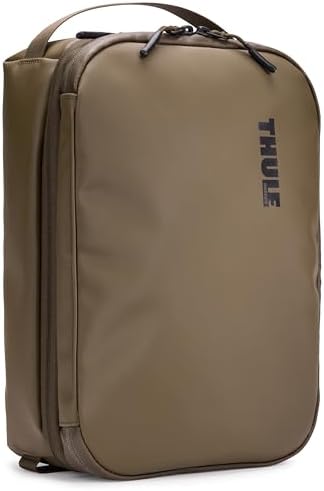
Packing for Budapest is straightforward, focusing on comfort, layers, and a few key items to handle the local environment.
Clothing
- Layers: Essential for the shoulder seasons, as temperatures can fluctuate widely between day and night.
- Comfortable Walking Shoes: Non-negotiable for navigating the city’s cobblestone streets and hills.
- Swimwear: Crucial: Essential for the thermal baths. Bring your own to save on rental fees.
Essentials & Accessories
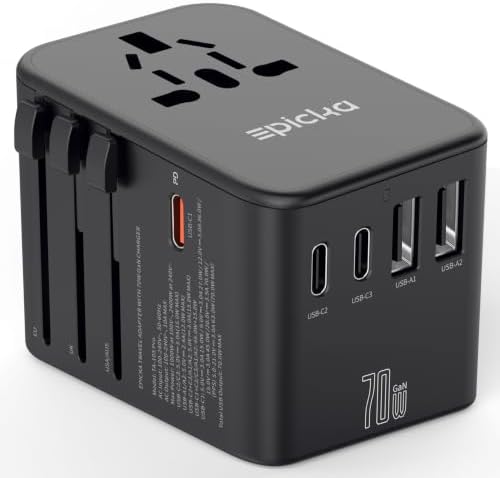
- Universal Travel Adapter: Hungary uses the standard European Type C and F plugs.
- Small Cash Stash: Always carry small denominations of HUF for local markets and small shops.
- Competitive Edge: Reusable Water Bottle: The tap water is safe to drink in Budapest. Refill often.
- VPN: Recommended for secure and unrestricted internet access.

14. FAQs for First-Timers
Here are some frequently asked questions to help you plan your first trip to Budapest.
What currency does Budapest use?
Hungary uses the Hungarian Forint (HUF). Avoid exchanging money in tourist areas.
Is English widely spoken?
Yes, English is widely spoken in tourist areas, especially by young people.
Is Budapest expensive?
No, it is one of the most affordable capital cities in Central Europe.
Do I need to tip in Budapest?
Tipping is expected in restaurants, usually 10-15%. Always check your bill for a service charge.
What is Goulash?
The national dish. A rich, hearty beef soup seasoned with paprika. It is a soup, not a stew.
What is the best way to save money in Budapest?
Eat local street food like Lángos and look for the “Napi Menü” (Daily Menu) specials.
15. What’s Next? More Guides to Explore
Your Budapest adventure awaits! We hope this comprehensive guide has equipped you with all the essential information to plan an unforgettable trip to the Hungarian capital. From the thermal baths to the ruin bars, Budapest promises a journey filled with history, culture, and incredible value.
Happy travels, and enjoy your incredible journey through the heart of the Danube!
🇪🇺 Western Europe Countries
- France Travel Guide
- Spain Travel Guide
- Portugal Travel Guide
- Netherlands Travel Guide
- Belgium Travel Guide
- Luxembourg Travel Guide
- Ireland Travel Guide
- England Travel Guide
🇪🇺 Southern Europe & Balkans Countries
- Italy Travel Guide
- Greece Travel Guide
- Croatia Travel Guide
- Montenegro Travel Guide
- Albania Travel Guide
- Malta Travel Guide
- Bosnia and Herzegovina Travel Guide
- Serbia Travel Guide
- North Macedonia Travel Guide
- Kosovo Travel Guide
🇪🇺 Northern Europe & Nordics Countries
- Sweden Travel Guide
- Norway Travel Guide
- Finland Travel Guide
- Denmark Travel Guide
- Iceland Travel Guide
- Scotland Travel Guide
🇪🇺 Central Europe Countries
- Germany Travel Guide
- Austria Travel Guide
- Switzerland Travel Guide
- Poland Travel Guide
- Czechia Travel Guide
- Hungary Travel Guide
- Slovakia Travel Guide
- Slovenia Travel Guide
🇪🇺 Eastern Europe & Baltics Countries
- Romania Travel Guide
- Bulgaria Travel Guide
- Ukraine Travel Guide
- Moldova Travel Guide
- Lithuania Travel Guide
- Latvia Travel Guide
- Estonia Travel Guide
- Belarus Travel Guide
🇲🇨 Microstates and Special Territories
- Vatican City Travel Guide
- Monaco Travel Guide
- Andorra Travel Guide
- Liechtenstein Travel Guide
- San Marino Travel Guide
Did this guide save you time or money? Tripstou is independent and reader-funded — if you'd like to give something back, you can support the site with a crypto contribution of any size.