Planning your first adventure to North Macedonia? You’ve picked one of Europe’s most authentic and underrated destinations! This ultimate guide is packed with everything you need to know to make your trip unforgettable. From exploring the vibrant statues of Skopje to swimming in the ancient waters of Lake Ohrid, we’ve got you covered.
North Macedonia, a hidden gem in the heart of the Balkans, offers an unparalleled blend of rich history, dramatic mountain landscapes, and a warmth of welcome that’s truly unmatched. It’s a country that captivates every traveler, whether you’re wandering through an Ottoman-era bazaar, hiking to a remote monastery, or simply savoring delicious, hearty cuisine.
Get ready to discover why North Macedonia is a beloved, off-the-beaten-path destination. Let’s dive into the essential tips that will help you plan, budget, and experience the very best of this amazing country.
Table of Contents
- 1. Why Visit North Macedonia?
- 2. Best Time to Visit North Macedonia
- 3. Top Destinations in North Macedonia for First-Timers
- 4. Planning Your North Macedonia Trip: A Step-by-Step Guide
- 5. Accommodation in North Macedonia: Where to Stay
- 6. Getting Around North Macedonia: Transportation Guide
- 7. How Much Does a Trip to North Macedonia Cost?
- 8. Must-Try Foods and Cultural Delights
- 9. Staying Safe in North Macedonia
- 10. Solo Travel in North Macedonia
- 11. Traveling North Macedonia with Family or as a Senior
- 12. Digital Nomads in North Macedonia
- 13. Essential Packing List in our North Macedonia Travel Guide
- 14. FAQs for First-Timers
- 15. What’s Next? More Guides to Explore
1. Why Visit North Macedonia?
North Macedonia is a land of captivating history and raw, natural beauty. It stands out as a top choice for travelers seeking adventure, deep cultural experiences, and incredible affordability. Its unique blend of ancient, Ottoman, and Balkan heritage makes it truly special.
The Allure of the Balkan Heart
Imagine exploring a fortress that has watched over a city for centuries, kayaking on the serene, crystal-clear waters of a 3-million-year-old lake, or hiking through pristine national parks. North Macedonia offers all this and more. The country boasts a famously hospitable culture, delicious farm-to-table cuisine, and a refreshingly authentic, un-touristed atmosphere.
From the quirky capital of Skopje to the UNESCO-protected beauty of Lake Ohrid, North Macedonia promises a journey filled with genuine discovery. It’s a place where you can feel the thrill of exploring one of Europe’s last hidden gems.
Hotels and flights
Compare hotels, apartments and flight options for your dates in one search.
Compare hotels and flights on expedia.com →
Tripstou may earn a commission if you book through this link, at no extra cost to you.
2. Best Time to Visit North Macedonia
Choosing the right time to visit North Macedonia can significantly enhance your experience. The country has a continental climate with four distinct seasons, each offering unique charms.
Spring (April-May): Blooming Landscapes & Mild Weather
- Weather: Mild and pleasant, with temperatures from 15-22°C (59-72°F). Perfect for hiking and city exploration as the country turns lush and green.
- Crowds: Fewer crowds than summer, making it ideal for exploring popular spots.
- Pros: Landscapes are vibrant with wildflowers. Prices for accommodation are lower. The weather is comfortable for visiting archaeological sites.
- Cons: The lakes are still quite cool for swimming. Mountain passes may have lingering snow.
Summer (June-August): Sunshine, Lakes & Festivals
- Weather: Hot and sunny, with temperatures often reaching 30-35°C (86-95°F).
- Crowds: Peak tourist season, especially around Lake Ohrid in August.
- Pros: Best weather for swimming in the lakes, hiking, and enjoying the lively cafe culture. All mountain trails are accessible.
- Cons: Can be very hot and crowded in Ohrid. Book everything well in advance.
Autumn (September-October): Golden Hues & Pleasant Warmth
- Weather: Warm and generally dry, especially in September, with temperatures from 20-28°C (68-82°F).
- Crowds: Crowds begin to thin out significantly after the first week of September.
- Pros: Often considered the best time to visit. The lakes are still warm enough for swimming. It’s harvest season in the wine regions. Comfortable temperatures for hiking.
- Cons: Days get shorter, and it can be rainy, especially in October.
Winter (November-March): Snowy Mountains & Cozy Cities
- Weather: Cold and often rainy or snowy, with temperatures from -2 to 8°C (28-46°F).
- Crowds: Very few tourists.
- Pros: Excellent for budget travel. A chance to experience authentic city life. Opportunity for skiing in resorts like Mavrovo.
- Cons: Very short daylight hours. Many rural attractions may be closed. Driving can be challenging in the mountains.
Recommendation for First-Timers: For the perfect balance of great weather, warm lakes, and fewer crowds, aim for June or September. For hiking and cultural exploration, May and September are ideal.
Get online the moment you land
An eSIM installs before you fly — no SIM swap, no roaming bill, no queue at an airport kiosk. Two options, depending on how you travel:
Holafly — unlimited-data plans, so nothing counts against a
cap. Best for longer stays, remote work, and heavy map and video use.
Code TRIPSTOU applies automatically: 5% off any travel eSIM,
reusable on every order, or 10% off Holafly Plans.
Get a Holafly eSIM →
Airalo — pay for the data you need, across 200+ destinations,
trusted by 20M+ travelers. Best for short trips and light use.
Use code NEWTOAIRALO15 for 15% off your first order:
Get an Airalo eSIM →
Tripstou may earn a commission if you purchase through these links, at no extra cost to you.
3. Top Destinations in North Macedonia for First-Timers
For a country so compact, North Macedonia is packed with diverse and breathtaking destinations. Here are the must-visit spots for your first trip.
Lake Ohrid: The Pearl of the Balkans
A UNESCO World Heritage site for both its nature and culture, Lake Ohrid is the country’s crown jewel. This ancient, crystal-clear lake is one of Europe’s oldest and deepest. Explore the charming town of Ohrid, visit the iconic Church of St. John at Kaneo, and discover the Bay of Bones Museum.
Skopje: The Quirky Capital
Skopje is a city of fascinating contrasts. You’ll find the historic Ottoman-era Old Bazaar (Čaršija), one of the largest in the Balkans, just across the Stone Bridge from a city center filled with grand neoclassical buildings and hundreds of statues from the “Skopje 2014” project. Visit Kale Fortress for great city views and the Mother Teresa Memorial House.
Matka Canyon: A Natural Oasis Near the Capital
Just a short drive from Skopje, Matka Canyon is a stunning natural escape. You can take a boat trip through the canyon to Vrelo Cave, one of the deepest underwater caves in the world, or go kayaking and hiking. It’s the perfect day trip from the city.
Bitola: City of Consuls
North Macedonia’s second-largest city has a more elegant and relaxed feel than Skopje. Stroll down the main pedestrian street, Širok Sokak, lined with beautiful neoclassical buildings and cafes. Explore the ancient ruins of Heraclea Lyncestis, founded by Philip II of Macedon.
Mavrovo National Park: Mountains and Nature
The country’s largest national park is a paradise for hikers and nature lovers. It’s home to stunning mountain scenery, diverse wildlife, and the beautiful Mavrovo Lake, with its famous half-submerged church.
Tours and activities
Book skip-the-line tickets, day trips and local tours with free cancellation on most activities.
You can also browse everything on getyourguide.com.
Tripstou may earn a commission if you book through this link, at no extra cost to you.
4. Planning Your North Macedonia Trip: A Step-by-Step Guide
Planning your first trip to North Macedonia is exciting! Its small size and affordability make it relatively easy to plan. Breaking it down into steps makes the process even smoother.
Setting Your Budget & Travel Style
First, decide on your budget. North Macedonia is one of the most affordable destinations in Europe, offering incredible value. Decide if you want a holiday focused on the history of Ohrid, a rugged hiking adventure in Mavrovo, or a cultural tour of its cities.
Crafting Your Itinerary
Don’t try to rush. For a 4-5 day trip, you could focus on Skopje (with a day trip to Matka Canyon) and Lake Ohrid. With a week to 10 days, you can comfortably add Bitola and Mavrovo National Park. A rental car is highly recommended for flexibility.
Booking Flights & Accommodation
Book flights 3-6 months in advance for the best prices. The main airports are in Skopje (SKP) and Ohrid (OHD). Book accommodation well in advance for July and August, as the best places in Ohrid fill up quickly.
Understanding Visa & Entry Requirements
For most nationalities (e.g., US, UK, EU, Canadian, Australian citizens), a visa is not required for tourist stays of up to 90 days. Always ensure your passport is valid for at least three months beyond your intended departure date.
Securing Travel Insurance
This is non-negotiable. Get comprehensive travel insurance that covers medical emergencies, trip cancellations, and any adventure activities you plan to do, like hiking or driving.
Travel medical insurance
SafetyWing Nomad Insurance provides travel medical coverage designed for travelers and digital nomads, with flexible Monthly and Annual plans.
Check Nomad Insurance coverage and current pricing →
New Nomad Insurance Essential members can get 8 weeks of electronic theft coverage free with reward code TRIPSTOU8.
Apply the reward before creating your SafetyWing account by looking for the pink camera icon on the Nomad Insurance page.
Tripstou may earn a commission if you purchase through this link, at no extra cost to you.
5. Accommodation in North Macedonia: Where to Stay
North Macedonia offers a fantastic range of accommodation, from modern hotels to traditional guesthouses, with options for every budget.

Hotels: From Modern to Lakeside Resorts
You’ll find a wide variety of hotels, from modern business hotels in Skopje to family-run boutique hotels and lakeside resorts in Ohrid. Quality is rapidly improving, and prices are very competitive for Europe.
Apartments & Guesthouses: The Authentic Choice
This is a highlight of any trip and often the best-value option. Renting a private apartment or staying in a family-run guesthouse (sobi) offers a warm, personal experience. It’s the best way to experience Macedonian hospitality.
Hostels: Social & Budget-Friendly
Hostels are common in all major tourist destinations like Skopje and Ohrid. They are perfect for solo travelers and those on a tight budget, and are generally clean, safe, and very friendly.
Hotels and places to stay
Compare hotels, apartments and stays for your dates in one search.
Search hotels and stays on hotels.com →
Tripstou may earn a commission if you book through this link, at no extra cost to you.
6. Getting Around North Macedonia: Transportation Guide
Getting around North Macedonia is an adventure in itself. While infrastructure is developing, a bit of patience goes a long way.

Driving (Car Rental): The Best Way for Flexibility
- Pros: A rental car gives you the ultimate freedom to explore hidden monasteries, remote villages, and stunning landscapes at your own pace. It is the most efficient way to see the country.
- Cons: Driving in Skopje can be chaotic. Roads in rural and mountainous areas can be in varied condition.
- Tips: Driving is on the right-hand side. An International Driving Permit (IDP) is recommended.
Buses: The Main Public Transport
- Pros: The main form of public transport. The bus network is extensive, connecting all major cities and towns. It’s very cheap.
- Cons: Can be crowded and less comfortable for long journeys. Schedules can sometimes be unreliable.
- Booking: You can’t always book online. You typically go to the main bus station (avtobuska stanica) and buy a ticket.
Taxis: Affordable for Shorter Trips
- Pros: Taxis are available in cities and are very affordable compared to other European countries.
- Cons: Always agree on a price beforehand or ensure the meter is used, as overcharging can occur, especially with tourists.
Trains: Very Limited
- Pros: The train journey from Skopje to Bitola can be a scenic and cheap alternative to the bus.
- Cons: The train network is very limited, slow, and not a practical way to explore most of the country.
Train and bus tickets
Compare routes, schedules and prices across rail and bus operators in one search, with mobile tickets on your phone.
New to Omio? Code NEW10 takes 10% off your first booking — or APPNEW10 if you book inside the Omio app. Both apply to bookings up to €80.
Search routes and compare prices on Omio →
Tripstou may earn a commission if you book through this link, at no extra cost to you.
7. How Much Does a Trip to North Macedonia Cost?
North Macedonia is one of the most budget-friendly destinations in Europe. It offers incredible value for money across the board, from food and accommodation to activities.
Daily Cost Estimates (Per Person)
- Budget Traveler: €25-€40 / $28-44 USD per day
- Accommodation: Hostel dorms.
- Food: Supermarket meals, street food like burek, cooking your own food.
- Transport: Public buses, walking.
- Activities: Free activities like hiking, exploring cities on foot.
- Mid-Range Traveler: €45-€80 / $50-88 USD per day
- Accommodation: Mid-range hotels, well-located apartments or guesthouses.
- Food: Eating out at casual restaurants and traditional cafes (kafana).
- Transport: Rental car (split between travelers), occasional taxis.
- Activities: Paid attractions like monasteries, museums, boat trips.
- Luxury Traveler: €90+ / $100+ USD per day
- Accommodation: Luxury hotels, boutique hotels in Skopje or Ohrid.
- Food: Fine dining, wine tasting tours.
- Transport: Private transfers, premium car rental.
- Activities: Private tours, guided adventures.
Money-Saving Tips:
- Eat at Local Restaurants: Look for a “gostilnica” or “kafana” for delicious and cheap traditional meals.
- Enjoy Burek and Gevrek: Burek (a savory pastry) and gevrek (similar to a simit bagel) are the national fast foods. They’re delicious, filling, and cost very little.
- Drink Tap Water: The tap water is generally safe to drink in most cities.
- Travel in the Shoulder Season: Visiting in June or September offers great weather with lower prices and fewer crowds than July and August.
- Use Public Transport: While slower, buses are incredibly cheap.
8. Must-Try Foods and Cultural Delights
Macedonian cuisine is a delicious reflection of its Balkan and Mediterranean heritage, with influences from Turkish and Greek cooking. It’s fresh, hearty, and centered around high-quality vegetables, grilled meats, and dairy.

Iconic Macedonian Dishes
- Tavče Gravče: The national dish. A delicious and hearty baked bean stew, often cooked and served in a traditional clay pot.
- Ajvar: A flavorful relish made from roasted red peppers, eggplant, and garlic. It’s served with bread, cheese, or as a side to grilled meats.
- Shopska Salata: A refreshing salad made with chopped tomatoes, cucumbers, onions, and peppers, topped with a generous amount of grated white cheese (sirenje).
- Burek: A flaky phyllo dough pastry filled with various ingredients, most commonly cheese, minced meat, or spinach. A perfect breakfast or snack.
- Kebapi (Ćevapi): Grilled, skinless sausages made from minced meat. A staple in any Balkan grill house, often served with flatbread and onions.
- Ohrid Trout: A specific species of trout from Lake Ohrid, it’s a local delicacy, though be mindful to ensure it’s sustainably sourced.
- Rakija: The potent national spirit, a fruit brandy most commonly made from grapes or plums. Be prepared to be offered a shot as a sign of welcome.
The Coffee Culture
Coffee is a huge part of daily life. Cities are filled with cafes, and taking a long, leisurely coffee break (“pienje kafe”) is a national pastime. Expect strong Turkish-style coffee or espresso.
Cultural Etiquette & Local Customs
- Hospitality: Macedonians are famously warm, hospitable, and generous towards guests.
- Greetings: A handshake is common. It’s polite to greet people in shops and cafes.
- Punctuality: A relaxed approach to time is common in social settings.
- Tipping: Tipping is not obligatory but is becoming more common. Leaving around 10% for good service in a restaurant is a nice gesture.
9. Staying Safe in North Macedonia
North Macedonia is a very safe country for tourists, with low crime rates and a welcoming attitude towards visitors. The main things to be aware of are related to driving and taking normal precautions.
General Safety Tips
- Be Aware of Your Surroundings: Take normal precautions in crowded tourist areas, though petty crime is not a major issue.
- Driving Safety: This is a key concern. Drive defensively, be prepared for assertive drivers and varied road conditions in rural areas, and avoid driving at night if possible.
- Hiking Safety: If hiking, be prepared. Trails can be poorly marked. It’s wise to use a GPS app like Maps.me and let someone know your route.
Emergency Numbers
- The universal emergency number in North Macedonia is 112. Other important numbers are 192 for police and 194 for ambulance.
10. Solo Travel in North Macedonia
North Macedonia is a fantastic and extremely safe destination for solo travelers, especially those seeking adventure off the beaten path. It’s incredibly affordable, and the locals are famously friendly and helpful.
The growing hostel scene in Skopje and Ohrid makes it easy to meet other people. The general safety and welcoming nature of the culture make for a stress-free and rewarding independent travel experience.
11. Traveling North Macedonia with Family or as a Senior
North Macedonia’s diverse offerings cater well to both families and seniors, with some planning.
Traveling with Family
- Outdoor Fun: The country is a great playground. Families will love the boat trips on Lake Ohrid and Matka Canyon, exploring Skopje’s many statues, and the relaxed atmosphere of the national parks.
- Accommodation: Renting an apartment is ideal for families, providing space and kitchen facilities.
- Pacing: A road trip is a great way to see the country, as driving times between major sights are not excessively long.
Traveling as a Senior
- Accessibility: Be aware that historic centers like Ohrid’s Old Town have steep cobblestone streets, which can be challenging for those with mobility issues. Infrastructure is still developing.
- Relaxed Pace: The lakeside towns and city cafes are perfect for a relaxing holiday. Enjoy the culture, visit monasteries, and enjoy long, affordable meals.
- Tours: Guided tours can be an excellent, comfortable way to see the main sights without the stress of navigating local transport or driving.
12. Digital Nomads in North Macedonia
North Macedonia is quickly becoming a hotspot for digital nomads, thanks to its stunning scenery, incredibly low cost of living, and a new digital nomad visa in the works.
- Digital Nomad Visa: North Macedonia is actively developing a digital nomad visa. While the final details are being confirmed, this initiative shows the country’s commitment to attracting remote workers. For now, many non-EU citizens can stay for up to 90 days.
- Best Cities for Nomads:
- Skopje: The main hub. It has the best infrastructure, a growing number of co-working spaces, a vibrant cafe culture, and a large expat community.
- Ohrid: A stunning and popular choice, especially in the summer. It offers a great lifestyle balance but can be very quiet in the off-season.
- Connectivity: Internet is generally fast and reliable in the cities.
- Cost of Living: The biggest draw. It is one of the cheapest places in Europe, allowing for a very high quality of life on a modest budget.
Spending money abroad
A Wise account converts your money at the mid-market exchange rate and shows every fee upfront, with a card you can spend in the local currency.
Check Wise’s rates and fees for your currency →
Tripstou may earn a commission if you sign up through this link, at no extra cost to you.
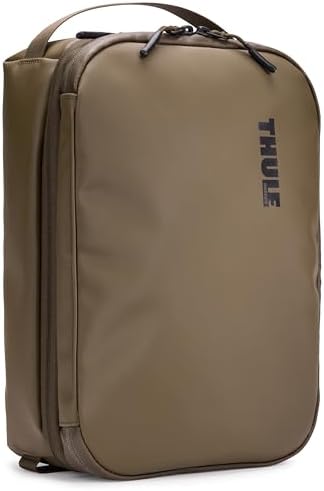
13. Essential Packing List in our North Macedonia Travel Guide
Packing for North Macedonia is about preparing for diverse adventures, from city exploring to mountain hiking. Versatility is key.
Clothing
- Waterproof/Windproof Jacket: Essential for the mountains, as weather can change quickly.
- Layers: T-shirts, long-sleeved tops, and a fleece are crucial for adapting to different elevations and temperatures.
- Comfortable Walking Shoes/Hiking Boots: Non-negotiable. You’ll be walking on cobblestones, hiking trails, and exploring ruins.
- Swimwear & Water Shoes: For the lakes. Water shoes are useful for rocky beaches.
- Slightly Dressier Outfit: For a night out in Skopje.
Essentials & Accessories
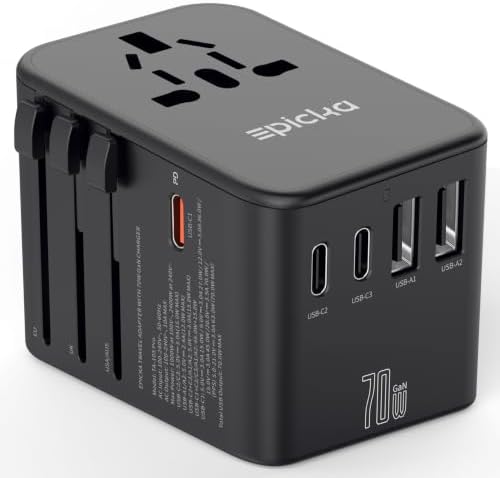
- Universal Travel Adapter: North Macedonia uses Type F plugs (two round pins).
- Portable Power Bank: Essential, as power cuts can occur in rural areas.
- Reusable Water Bottle & Water Filter: A filter bottle is a great investment for hiking and staying in rural areas.
- Daypack: For daily excursions.
- Sunscreen, Sunglasses & Hat: The sun is very strong, especially by the lakes.
- Cash: North Macedonia is still a cash-heavy society. While ATMs are common in cities, always have enough cash (in the local currency, Denar) for guesthouses, small shops, and taxis.

14. FAQs for First-Timers
Here are some frequently asked questions to help you plan your first trip to North Macedonia.
What currency does North Macedonia use?
North Macedonia uses the Macedonian Denar (MKD). While some places in tourist areas may accept Euros, you will get a much better price paying in the local currency. Carry cash, as it is used far more than cards.
Is English widely spoken?
English proficiency is growing rapidly, especially among younger people in cities like Skopje and Ohrid. In rural areas and among older generations, it’s less common. Learning “Blagodaram” (thank you) will be greatly appreciated.
Is North Macedonia expensive?
No, North Macedonia is one of the cheapest countries in Europe. It offers exceptional value for money on accommodation, food, and transport.
Is North Macedonia safe?
Yes, North Macedonia is a very safe country with a low crime rate and a culture that is incredibly welcoming to tourists. The biggest hazard is often the driving.
What is the best way to get around?
Renting a car is the best way to see the country with flexibility. For budget travelers, the intercity bus network will get you to all major destinations.
Do I need a 4×4 to drive in North Macedonia?
For most main roads, a normal 2WD car is perfectly fine. However, if you plan to explore remote mountain areas, a car with higher clearance can be beneficial, though a 4×4 is not strictly necessary for most tourist routes.
15. What’s Next? More Guides to Explore
Your North Macedonian adventure awaits! We hope this comprehensive guide has equipped you with all the essential information to plan an unforgettable trip to one of Europe’s most authentic hidden gems. From the ancient beauty of Lake Ohrid to the vibrant streets of Skopje, North Macedonia promises a journey filled with adventure, genuine hospitality, and lasting memories.
Happy travels, and enjoy your unforgettable journey through North Macedonia!
🇪🇺 Western Europe Countries
- France Travel Guide
- Spain Travel Guide
- Portugal Travel Guide
- Netherlands Travel Guide
- Belgium Travel Guide
- Luxembourg Travel Guide
- Ireland Travel Guide
- England Travel Guide
🇪🇺 Southern Europe & Balkans Countries
- Italy Travel Guide
- Greece Travel Guide
- Croatia Travel Guide
- Montenegro Travel Guide
- Albania Travel Guide
- Malta Travel Guide
- Bosnia and Herzegovina Travel Guide
- Serbia Travel Guide
- North Macedonia Travel Guide
- Kosovo Travel Guide
🇪🇺 Northern Europe & Nordics Countries
- Sweden Travel Guide
- Norway Travel Guide
- Finland Travel Guide
- Denmark Travel Guide
- Iceland Travel Guide
- Scotland Travel Guide
🇪🇺 Central Europe Countries
- Germany Travel Guide
- Austria Travel Guide
- Switzerland Travel Guide
- Poland Travel Guide
- Czechia Travel Guide
- Hungary Travel Guide
- Slovakia Travel Guide
- Slovenia Travel Guide
🇪🇺 Eastern Europe & Baltics Countries
- Romania Travel Guide
- Bulgaria Travel Guide
- Ukraine Travel Guide
- Moldova Travel Guide
- Lithuania Travel Guide
- Latvia Travel Guide
- Estonia Travel Guide
- Belarus Travel Guide
🇲🇨 Microstates and Special Territories
- Vatican City Travel Guide
- Monaco Travel Guide
- Andorra Travel Guide
- Liechtenstein Travel Guide
- San Marino Travel Guide
Did this guide save you time or money? Tripstou is independent and reader-funded — if you'd like to give something back, you can support the site with a crypto contribution of any size.