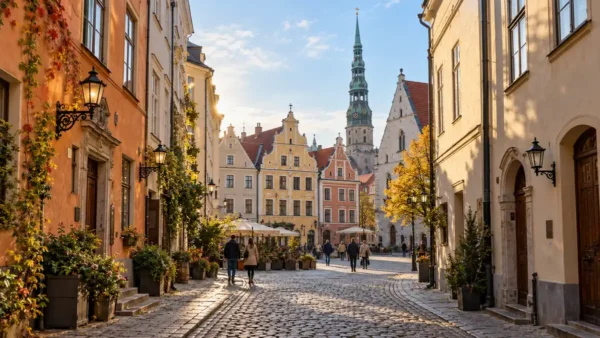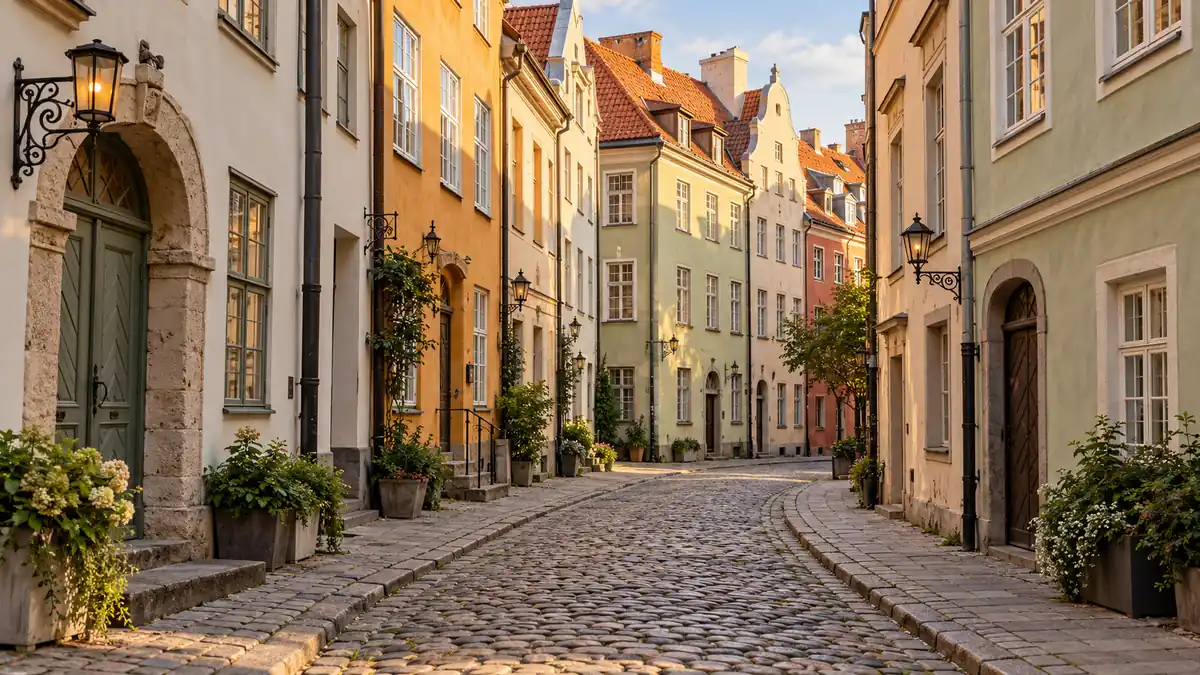
You are planning a trip to Riga and want two answers before booking: whether the Latvian capital earns a few days of your time, and how to shape those days. This Riga travel guide assumes no prior Baltic knowledge. The city rests on three identities: a UNESCO-listed Old Town, streets of Art Nouveau facades, and a Central Market set inside former zeppelin hangars.
What follows is the decision frame. It covers whether Riga is worth it and for whom, how many days to give it, when to go, where to base yourself, how to get in from the airport, what the trip costs in spend-style terms, and which day trips come first. Sight-by-sight detail, hotel picks and day-by-day plans live in the linked guides, so this page stays short enough to plan from.
Quick Answer
Yes, Riga is worth a first trip: a compact capital of Old Town streets, Art Nouveau facades and market life. Two to three days covers the core, and May to September is the easiest window. It suits travelers who like walkable historic centres and low-effort sightseeing; base in or beside the Old Town.
Trust Layer
Tripstou city guide for travelers planning a city trip. Covers trip length, stay style, season, cost, and mobility tradeoffs.
Produced with AI assistance and reviewed by Alex Perrut, working in tourism since 2015, for the Tripstou editorial team. See our editorial process for details.
Last factual review: September 29, 2026.
Official sources consulted: Latvia Travel, Latvian Ministry of Economics, Live Riga, Rigas Satiksme.
Key Takeaways
- Riga suits a first city break: the Old Town, Art Nouveau streets and Central Market all sit within walking distance of each other.
- Two days covers the core at an unhurried pace; a third day is best spent on the coast or in the Gauja valley.
- May to September gives the long daylight that stretches a short visit, while winter shrinks sightseeing to short, cold days.
- Base in the Old Town for atmosphere and doorstep sights, or in the Centre for quieter nights with the Old Town a short walk away.
- Bus 22 is the public link from Riga Airport to the centre, with no rail option, and on-board tickets are paid by bank card only.
- Riga’s biggest costs are beds and meals, because its Old Town, Art Nouveau facades and market are all free to walk.
Table of Contents
Is Riga Worth Visiting?
Riga is worth visiting for a short city break built on walkable history and market life. The Old Town, the Art Nouveau quarter and the Central Market sit within walking distance of each other, so little time goes on transport. It suits first-timers best; travelers chasing beaches or big nightlife will find it quieter than larger capitals.
The strongest fit is a first visit of two or three days. Weekend breakers get a complete city without the queues and distances of bigger European capitals. Architecture travelers get some of the finest Art Nouveau streets on the continent. Food travelers get a working market where locals shop, not a tourist food hall.
Riga suits some trips less. Beach-first travelers will spend more time in Jurmala than in the city. Long-stay resort seekers will run out of city after a few days, and the nightlife is lively in the Old Town but modest in scale. Outside summer, short days and cold weather shrink the outdoor half of the trip.
Riga also works as the first stop on a wider Latvian route. Most visitors arrive here before heading anywhere else in the country, so the Latvia travel guide is the place to plan the coast, the Gauja valley and beyond.
Riga rewards the traveler who slows down more than the one who collects sights. The Old Town is small enough to cover in a day, and the Art Nouveau streets repay a second, slower walk with your eyes on the upper floors.
What Riga Is Known For
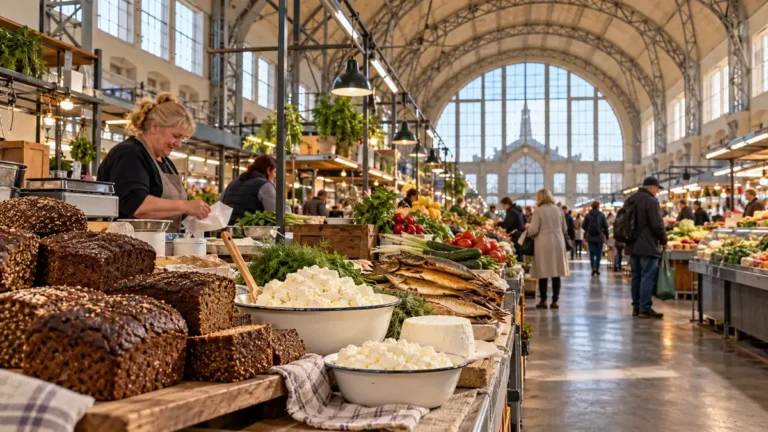
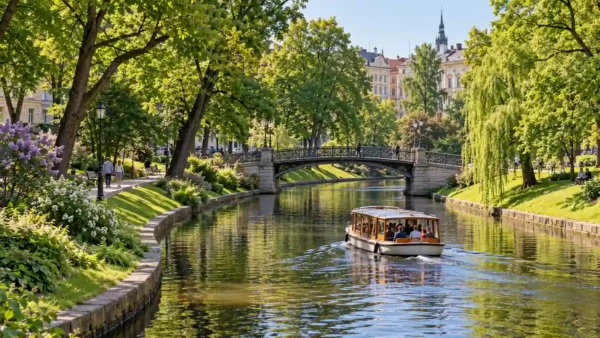
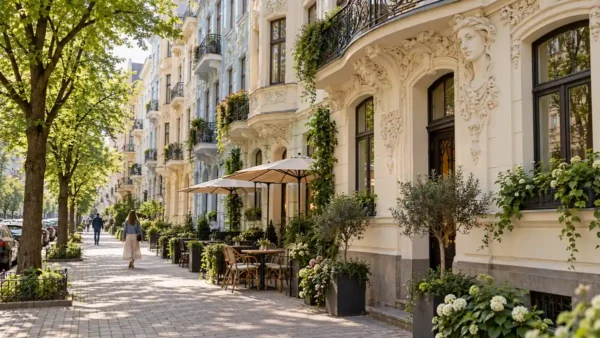
Riga is known for its UNESCO-listed Old Town, its Art Nouveau streets and the Central Market in former zeppelin hangars. Those three define a first visit: medieval lanes and church spires, ornate turn-of-the-century facades a short walk away, and a working food market beside the central railway station.
- Old Town: the UNESCO-listed historic centre of cobbled lanes, merchant houses and church spires, compact enough to cross on foot.
- Art Nouveau quarter: centred on Alberta iela and the streets around it, with one of Europe’s densest concentrations of Art Nouveau buildings.
- Central Market: five food pavilions set inside former zeppelin hangars, where everyday Riga still does its shopping.
- Wooden and Soviet-era Riga: timber houses in the outer districts and post-war landmarks add texture beyond the historic core.
Which churches, museums and viewpoints earn time is a separate decision. The things to do in Riga guide ranks them. This guide stays with what defines the city.
The market is the most underrated of the three. It shows the working city in a way the restored Old Town cannot, and walking its pavilions costs nothing.
How Many Days You Need in Riga
Two to three days covers Riga’s core; a third day earns a day trip. Two days fits the Old Town, the Art Nouveau quarter and the Central Market at an unhurried pace. One day works only as a sprint, and four or more days needs day trips to stay rewarding.
| Trip length | What it covers | Who it suits | Main tradeoff |
|---|---|---|---|
| 1 day | Old Town walk plus a market visit | Stopovers and passengers on a tight schedule | No time for the Art Nouveau quarter |
| 2 days | Old Town, Art Nouveau streets and Central Market | First-timers and weekend breakers | Museums and long lunches compete for time |
| 3 days | Full core plus one day trip | Travelers adding Jurmala or Sigulda | The third day depends on the weather |
| 4+ days | Core, two day trips and slower neighbourhoods | Slow travelers and Baltic route planners | Needs day trips to avoid repetition |
Two days is the default for a first visit. It leaves room for a museum or a long market lunch without cutting the walking core. For a ready-made split of those days, the 2-day Riga itinerary sets out the order. Travelers running the full Baltic route continue north by bus to Tallinn; our guide to travel to Tallinn, Estonia covers that leg.
The third day is where Riga changes character. Spend it in the city and the trip slows into café time; spend it on the coast or in the Gauja valley and the trip gains a second landscape.
When to Visit Riga
May to September is the easiest time to visit Riga, with long daylight and outdoor life. Cafés spill onto squares, the Gauja valley and the coast are at their best, and walking the core is comfortable. The tradeoff is busier Old Town streets in the peak summer weeks.
Late spring and early autumn are the value window. Daylight is still generous, the streets are calmer, and day trips stay easy. Autumn colour in the Gauja valley is a draw of its own.
Winter is a different trip. Days are short and cold, so sightseeing shrinks to the daylight hours and indoor stops carry more of the plan. The Christmas-market season in the Old Town gives December its own atmosphere, but beach and day-trip plans lose most of their value.
Riga’s summer advantage is daylight more than warmth. Long northern evenings stretch a two-day visit into something that feels closer to three.
Where to Stay in Riga on a First Trip
First-timers should base in the Old Town or just beyond it in the Centre and Art Nouveau area. Both keep the main sights within walking distance. The Old Town wins on atmosphere and doorstep sightseeing; the Centre wins on quieter nights, with the Old Town a short walk away.
The Old Town suits short stays and travelers who want to step straight into the historic streets. Its lanes carry bar noise late into the evening, and the cobbles are hard work with a suitcase. Light sleepers notice.
The Centre suits longer stays, light sleepers and anyone drawn to the Art Nouveau streets. Evenings are calmer, and the walk into the Old Town becomes part of the day. For the area-by-area comparison and hotel picks, see where to stay in Riga.
Because the Centre sits right beside the Old Town, the base decision in Riga turns on night-time noise far more than on distance to the sights.
Hotels and places to stay
Compare hotels, apartments and stays for your dates in one search.
Search hotels and stays on hotels.com →
Tripstou may earn a commission if you book through this link, at no extra cost to you.
How to Get Around Riga
Riga’s core is walkable, and most first-timers need public transport only for outer districts and bad-weather hops. The Old Town, the Central Market and the Art Nouveau quarter sit close together, so walking is faster than waiting. Trams and buses matter for longer trips, luggage and cold days.
The city network of trams and buses is run by Rigas Satiksme. Visitors use it mostly to reach districts beyond the centre, such as the wooden-house neighbourhoods, and for the airport bus.
Cobbles are the main physical challenge. Old Town paving is uneven, which matters for wheeled luggage and for anyone with limited mobility. Comfortable shoes do more for a Riga trip than any transport pass.
A car adds nothing inside the city. Day trips start from Riga Passenger station, covered further down.
In Riga the transport question is really a luggage question. On foot the core is quick, but dragging a case over Old Town cobbles is the moment a tram or taxi earns its place.
Getting from Riga Airport to the City Centre
Bus 22, run by Rigas Satiksme, is the public route from Riga Airport (RIX) to the city centre. A ticket bought on board costs €1.81 and is paid by bank card only. There is no rail link, so arrivals choose between the bus and a taxi or ride-hail car.
Buying ahead lowers the fare. An advance ticket costs €1.50; check current fares with Rigas Satiksme before travel. The ride takes around 40 minutes depending on traffic, and a night service, N22, covers late arrivals.
Taxis and ride-hail cars suit groups, heavy luggage and late-night landings. They cost more than the bus and sit in the same traffic.
Check the entry rules that apply to your passport before booking. The Latvia guide covers the country-level basics, from money to the rest of the route.
The fare gap on bus 22 is small, but the card-only rule is not. A traveler landing without a working bank card should sort an advance ticket before boarding.
What a Riga Trip Costs
Riga is one of the more affordable capitals in northern Europe, with cost driven by stay style more than sightseeing. The core is walkable and the market feeds you cheaply, so daily spending stays modest. Accommodation choice and peak-summer weekends move the budget more than anything the city charges visitors.
Budget travelers get a lot here. Hostels and simple guesthouses sit in and around the Old Town, the Central Market covers cheap meals, and walking replaces most transport. The city is kind to this style because its main sights are streets and squares.
Mid-range travelers buy comfort without stretching. A well-placed hotel in the Centre, sit-down restaurants at lunch and dinner, and a paid day trip or two fit this style. Peak summer is where it pinches, when Old Town rooms are in highest demand.
High-end travelers get boutique hotels in restored Old Town and Art Nouveau buildings, tasting-menu dining and private transfers. The ceiling sits lower than in the big western capitals, so luxury in Riga reads as good value.
Riga’s free layer is unusually large. The Old Town, the Art Nouveau facades and the market are all walked for nothing, so almost the whole budget goes on beds and meals.
Day Trips from Riga
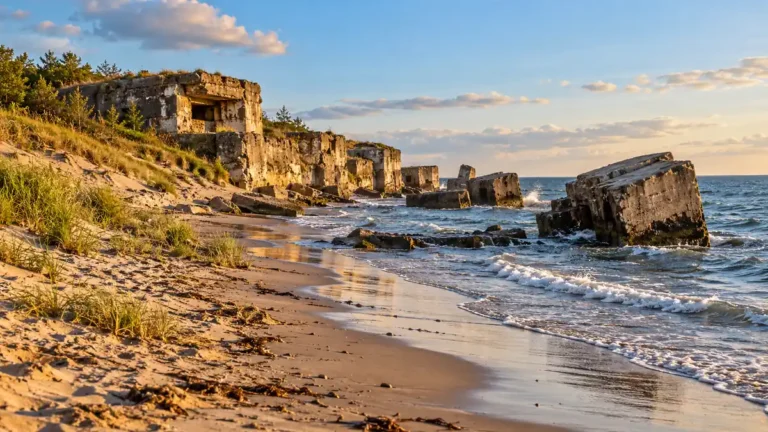
Jurmala’s beach is the closest day trip, then Sigulda and the Gauja valley, then Rundale Palace. All three work as genuine day trips from Riga. Jurmala is a sea-and-sand half day, Sigulda is castles and river-valley walking, and Rundale is a baroque palace for architecture travelers.
Jurmala is the easy pick for a summer third day. It is close enough to leave after breakfast and be back for dinner, which makes it the most flexible of the three.
Sigulda suits active travelers and autumn visits. The Gauja valley brings castle ruins, trails and viewpoints. A full day there feels far removed from the Old Town.
Rundale takes the most planning. It is the furthest of the three and the least flexible without a car or a tour, so it fits travelers with a fourth day and a real interest in palaces and gardens.
Trains for Jurmala and Sigulda leave from Riga Passenger station. Timetables, tickets and routing live in the day trips from Riga guide.
Let the weather pick the day trip. A sunny day belongs to Jurmala; an overcast one suits Sigulda’s forest trails or Rundale’s interiors.
Tours and activities
Book skip-the-line tickets, day trips and local tours with free cancellation on most activities.
You can also browse everything on getyourguide.com.
Tripstou may earn a commission if you book through this link, at no extra cost to you.
Frequently Asked Questions
Is Riga expensive to visit?
No, Riga is one of the cheaper capitals in northern Europe for visitors. Its main sights are streets, facades and a market that cost nothing to walk, so the bill is mostly beds and meals. Prices climb on peak-summer weekends, when Old Town rooms are in highest demand. Midweek and shoulder-season stays soften that.
How far is the beach from Riga?
Jurmala, the classic beach escape from Riga, is a resort town just west of the city on the coast. It is the closest of Riga’s day trips: trains leave from Riga Passenger station, so you can go after breakfast and be back for dinner. The day trips from Riga guide covers tickets and routing.
Is Riga good for a weekend break?
Yes, Riga works well as a weekend break because its defining sights sit within walking distance of each other. Two days covers the Old Town, the Art Nouveau streets and the Central Market without rushing, and little time goes on transport. The 2-day Riga itinerary sets out the order.
How do you get into Riga from the airport late at night?
Late arrivals can take the N22 night bus or a taxi or ride-hail car from Riga Airport. The night bus is the cheaper option for solo travelers with light bags. A taxi or ride-hail car suits groups, heavy luggage and anyone heading straight to an Old Town door, where cobbles slow a walk from the stop.
Do you need a car for a trip to Riga?
No, a trip to Riga works without a car. The core is best on foot, trams and buses cover the outer districts, and trains reach Jurmala and Sigulda from Riga Passenger station. A car or an organised tour earns its place only for Rundale Palace, the furthest and least flexible of the classic day trips.
What should you pack for a trip to Riga?
Pack sturdy walking shoes first: Riga’s Old Town is paved with uneven cobbles that punish thin soles. A soft bag beats a wheeled case for the same reason. Outside summer, bring warm layers for short, cold days, and carry a working bank card, since on-board tickets on the airport bus are card only.
Related Guides
- Latvia travel guide — entry basics, money and the rest of the country beyond the capital.
- Things to do in Riga — which sights, museums and viewpoints earn time on a first visit.
- Day trips from Riga — Jurmala, Sigulda and Rundale with the logistics to reach each.
- Where to stay in Riga — the area-by-area comparison and hotel picks for each base.
- Tallinn travel guide — the northern end of the Baltic capitals route, reached from Riga by bus.
- 2-day Riga itinerary — a day-by-day order for covering the core in two days.
Did this guide save you time or money? Tripstou is independent and reader-funded — if you'd like to give something back, you can support the site with a crypto contribution of any size.