The best places to visit in Turkey on a first trip are Istanbul plus one more region, and for most first-timers that region is Cappadocia. Pick Ephesus with Pamukkale instead if ancient ruins matter most, or a Turquoise Coast base (Antalya, Fethiye or Kaş) if the trip is about beaches and boats. Trip length decides the rest: a short trip holds Istanbul and one region, a longer one holds two.
Türkiye is the country’s official name; this page uses Turkey, the name most English-speaking travelers search. It is written for long-haul visitors arriving through Istanbul who have not yet chosen their regions.
The places below are grouped into five regions: Istanbul, Central Anatolia, the Aegean, the Turquoise Coast and the far east and north. Each entry is a destination, not a single monument, with the sights it is known for and the kind of traveler it suits. The last two sections cover which places pair on one trip and when each region is at its best.
On This Page
Istanbul plus one region is the right first trip
A first trip to Turkey works best as Istanbul paired with one other region, and Cappadocia is the region most first-timers should add. The full shortlist is seven places: Istanbul, Cappadocia, Ephesus, Pamukkale, Antalya, Fethiye with Ölüdeniz, and Kaş. Every serious list of Turkish destinations agrees on that core.
The shortlist is built for travelers who know they want Turkey but not which parts of it. Places rank by how strongly they hold up as the second stop after Istanbul. Mount Nemrut, Safranbolu and the quieter coves come later, in a round-up for second trips. Read the “things to do in Turkey” question through the same lens: each block names what that place is known for, so the sights follow from the place you pick.
Turkey is large, and the classic regions sit far apart. Two well-chosen places beat four rushed ones.
| Place | Region | Known for | Pairs with | Best season |
|---|---|---|---|---|
| Istanbul | Marmara | Imperial monuments, bazaars, the Bosphorus | Any region below | Spring and autumn |
| Cappadocia | Central Anatolia | Fairy chimneys, cave hotels, sunrise balloons | Istanbul | Spring and autumn |
| Ephesus | Aegean | The best-preserved Roman city in the country | Pamukkale | Spring and autumn |
| Pamukkale | Aegean hinterland | White travertine terraces, Hierapolis | Ephesus | Spring and autumn |
| Antalya | Mediterranean coast | Old town, resort beaches, Perge and Aspendos | Istanbul or Cappadocia | Late spring to early autumn |
| Fethiye and Ölüdeniz | Turquoise Coast | Blue Lagoon, boat days, paragliding | Kaş or Pamukkale | Late spring to early autumn |
| Kaş | Turquoise Coast | Small harbour town, Kekova by boat | Fethiye | Late spring to early autumn |
Istanbul: the city every Turkey trip starts in
Istanbul belongs on every Turkey trip because it is where most long-haul flights land and the one city that puts imperial monuments, bazaars and the Bosphorus in a single stay. Two or three days is the usual slice before moving on. It is the country’s largest city, not its capital: that is Ankara.
Hagia Sophia is the sight to see first. The vast domed Byzantine building has served as church, mosque and museum, and it faces the Blue Mosque across the gardens of Sultanahmet, so the two are seen together. Topkapı Palace, the seat of the Ottoman sultans, sits just beyond them.
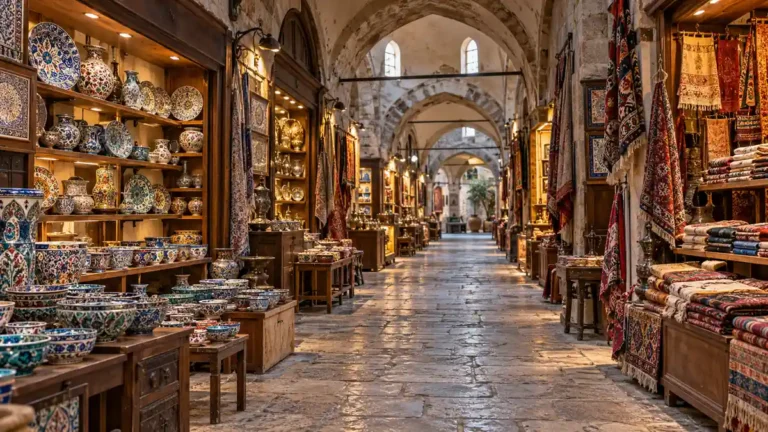
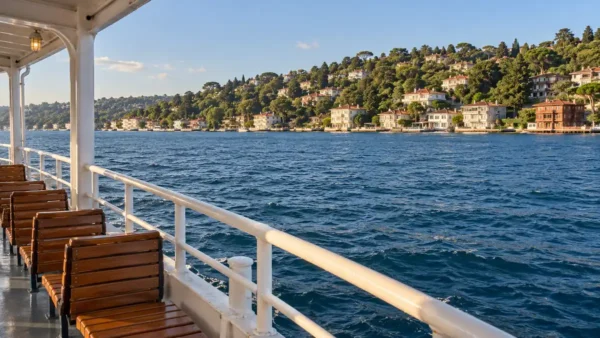
The Grand Bazaar and the Spice Bazaar carry the trading city, and the Bosphorus is the draw that ties it all together: the strait between Europe and Asia, best seen from the water. Kadıköy and Moda on the Asian shore show the everyday side of the city by ferry. For a fuller list, our guide to things to do in Istanbul takes the sights one by one.
Pacing the city is its own question, and a 3-day Istanbul itinerary splits the old city, the bazaars and the Asian side into workable days. With a spare day, the car-free Princes’ Islands, Büyükada above all, make an easy side trip by boat.
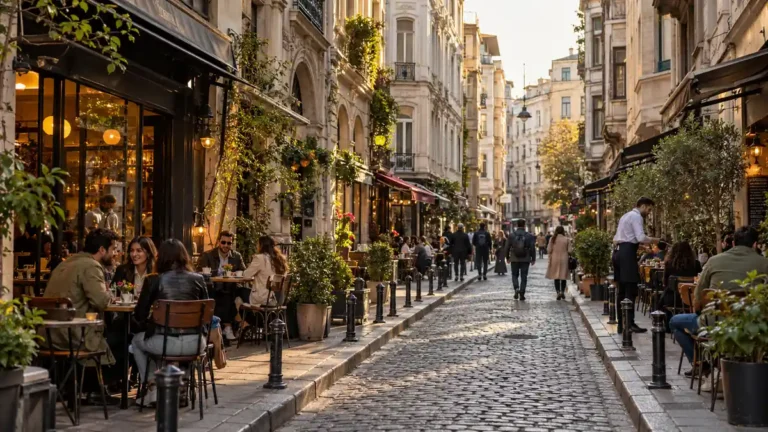
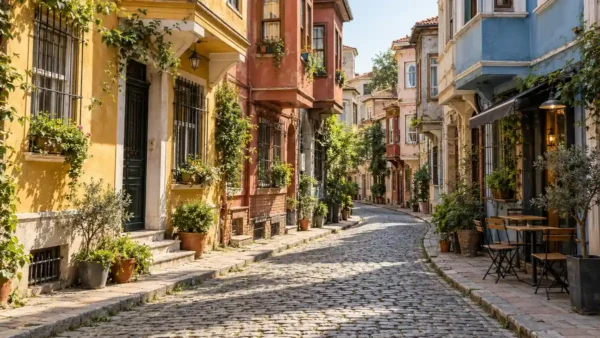
Istanbul suits anyone who wants history, food and street life in one base. It is big, crowded and slow to cross, and it is not a beach stop. Plan the swimming elsewhere.
Tours and activities
Book skip-the-line tickets, day trips and local tours with free cancellation on most activities.
You can also browse everything on getyourguide.com.
Tripstou may earn a commission if you book through this link, at no extra cost to you.
Is Cappadocia worth visiting?
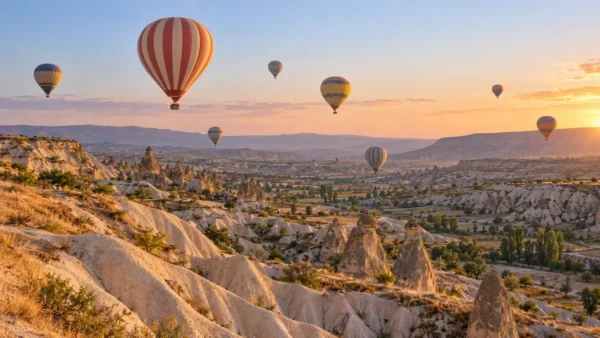
Cappadocia is worth visiting, and it is the strongest second stop after Istanbul. Fairy chimneys, cave hotels and sunrise balloons make it look like nowhere else in Turkey, which is why it ranks above the coast for a first trip: the beaches have rivals around the Mediterranean, this landscape has none.
Göreme is the base. The Göreme Open Air Museum, with its rock-cut churches, belongs to a UNESCO World Heritage site, Göreme National Park and the Rock Sites of Cappadocia. Uçhisar Castle gives the high view over the valleys, and Love Valley and Pigeon Valley are the easy walks between the rock formations. Further out, Derinkuyu underground city, the Ihlara Valley with Selime Monastery and the pottery town of Avanos fill a second day.
The balloons are the headline draw, and they fly only when the weather allows, so cancellations happen. Our Cappadocia hot air balloon guide covers how the flights work and how to plan around a grounded morning.
Most visitors fly in through Kayseri or Nevşehir airports. Two full days is the usual stay, and it suits travelers who want landscape, walking and one memorable sunrise. Cappadocia is inland and nowhere near a beach. On a short trip built around the sea, it is the region to skip.
Ephesus and Pamukkale: the Aegean pair you can do together
You do not have to choose between Ephesus and Pamukkale: both sit in the west of the country and form the standard pairing for ancient ruins. Ephesus is the stronger single site. Pamukkale is the more photographed one.
Ephesus and Selçuk
Ephesus is the most complete Roman city to walk in Turkey and a UNESCO World Heritage site. The Library of Celsus façade, the Great Theatre and the roofed Terrace Houses, with their mosaics and wall paintings, are the core of a visit; the site of the Temple of Artemis lies just outside. Selçuk is the base town, reached through Izmir airport, and Kuşadası is the resort alternative for travelers who want a beach with their ruins. Ephesus suits anyone who would put one ancient site above every other sight in the country.
Pamukkale and Hierapolis
Pamukkale is a hillside of white travertine terraces topped by the ruins of Hierapolis, and the two together are a UNESCO World Heritage site. The Antique Pool, also called Cleopatra’s Pool, lets you swim among fallen columns, and the ruins of Laodicea lie nearby. Denizli is the access city, with Denizli Çardak airport. Pamukkale is a half-day to one-day sight and draws heavy crowds, so treat it as a stop on the way between Ephesus and the coast, never as a trip of its own.
The wider Aegean adds three options for those with time. Izmir, with the Kemeraltı market and the Kordon waterfront, is the city base of the region. Çeşme and Alaçatı bring the beach-and-wind scene of the Aegean shore. For the ruins-hungry, Pergamon and Aphrodisias are quieter than Ephesus and just as rewarding.
Pamukkale adds the most when it sits between Ephesus and Fethiye; as a detour from Istanbul it costs a full travel day for half a day of terraces.
The Turquoise Coast: Antalya, Fethiye or Kaş?
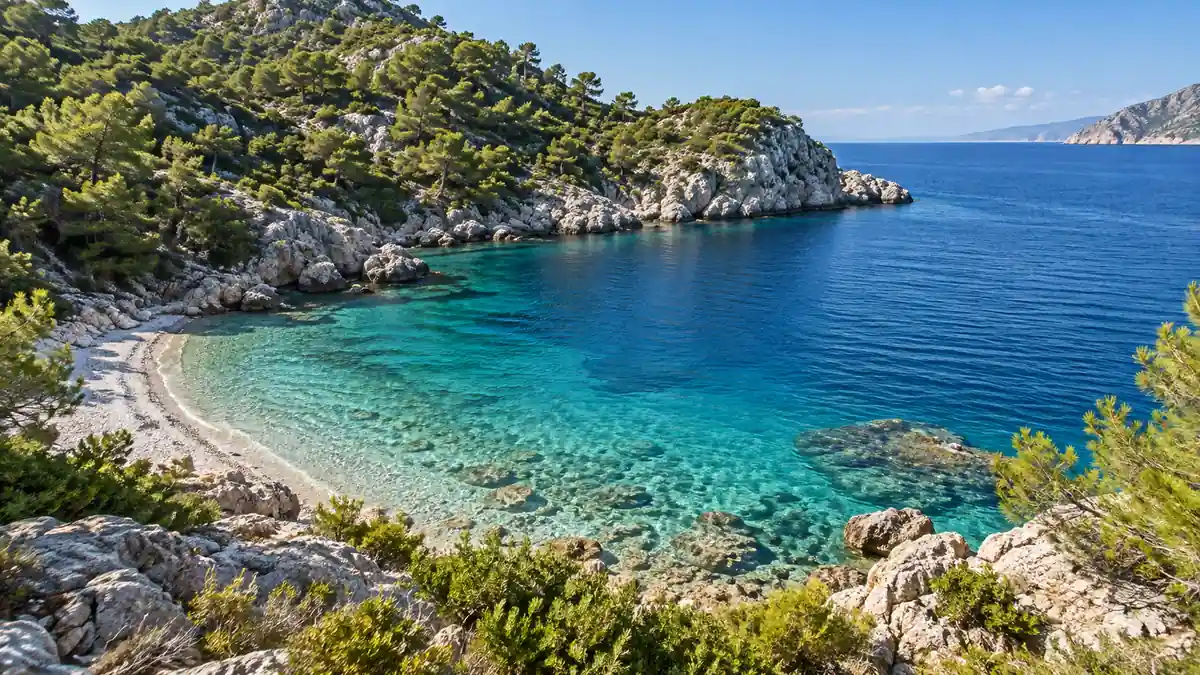
The Turquoise Coast is a choice of base: Antalya for a city with resorts and major ruins nearby, Fethiye for the Blue Lagoon and boat days, Kaş for the small-town, slower version. Most people pick one base and day-trip from it. Moving every two nights along this coast eats the time you came for.
- Antalya fits families and resort stays that also want serious ruins, with an airport on the edge of the city.
- Fethiye and Ölüdeniz fit active travelers who want boat trips, lagoon swims and a paraglide in the same week.
- Kaş fits couples and divers after a harbour town with clear water and quiet evenings.
Antalya
Antalya is the city option. Kaleiçi, the walled old town above the harbour, holds the evening life, and the Düden waterfalls drop straight into the sea at the city’s edge. The ruins of Perge and the Roman theatre of Aspendos are easy outings, and Konyaaltı and Lara are the long city beaches. It is the easiest coast base to reach and the least intimate.
Fethiye and Ölüdeniz
Fethiye is the activity base. Ölüdeniz, with its Blue Lagoon, lies just over the hill, and Butterfly Valley is a boat ride along the cliffs. Kayaköy, an abandoned stone village, makes a short walk inland, and Babadağ is the mountain paragliders launch from above the lagoon. The Lycian Way, a long-distance walking trail, starts nearby.
Kaş
Kaş is the slow option. Kaputaş Beach sits in a cove down the coast road, and boat trips run to Kekova, where the ruins of a sunken city lie under clear water. Patara, with its long beach and ancient city, is within reach, and so is Xanthos-Letoon, a UNESCO-listed pair of Lycian sites. Kaş is further from an airport than Antalya or Fethiye, and its nightlife is quiet by design.
Bodrum is the other big resort name. It sits on the Aegean side, a separate choice from these three.
Beyond the classic route: Mount Nemrut, Göbekli Tepe, Safranbolu and the quiet coast
These places reward a second trip, or a traveler who already knows Istanbul. None replaces the shortlist above, and each adds something the core lacks, at the cost of more travel to reach it.
Mount Nemrut is the most striking of them: giant stone heads of gods and kings sit on its summit, and the site, Nemrut Dağ, is on the UNESCO World Heritage list. Göbekli Tepe, near Şanlıurfa in the southeast, is a prehistoric sanctuary far older than the classical ruins of the west. Both are far from the usual route and suit travelers who plan a trip around archaeology.
Safranbolu is a preserved Ottoman town of timber-framed houses, the pick for anyone curious about everyday life in old Anatolia. On the Black Sea, Trabzon is the gateway to Sümela Monastery, built into a cliff face in green mountains that look nothing like the south coast. Ankara, the capital, earns a stop for Anıtkabir, the monumental mausoleum of Atatürk, and suits travelers crossing the interior by land.
The quiet coast is the easiest of these to add. Olympos and Çıralı pair Lycian ruins with a beach and very little development; Kabak and Faralya sit above a remote bay near Butterfly Valley. Both suit travelers who find Fethiye and Antalya too busy and do not mind a rough road in.
How many places fit one trip, and how you move between them
Two places fit a first trip to Turkey, three at most if the trip is long. Istanbul to Cappadocia is a short domestic flight or an overnight bus, and the same choice applies when you head for the coast or the Aegean. Roughly six to ten days covers the top sights without rushing.
Istanbul and Cappadocia is the classic first trip, city then landscape. Istanbul with Ephesus and Pamukkale swaps the landscape for ruins. Istanbul with one coast base is the beach version. With more time, the Aegean and the coast join naturally: Ephesus, then Pamukkale, then Fethiye or Kaş, each leg running overland along the west of the country.
Flying between regions is the default for long-haul visitors, because it turns a lost day into a few hours. Overnight buses are the budget and overland alternative, and they save a night’s accommodation. There is no direct rail line to Cappadocia, so most visitors fly. For money, transport detail and safety across the whole trip, our Turkey travel guide covers the planning this page leaves out.
Between Ephesus, Pamukkale and the Turquoise Coast, the bus is the usual way to move: the legs run town to town overland, so there is no need to fly back through Istanbul.
When each region is at its best
Spring and autumn are the best seasons for Istanbul, Cappadocia and the ruins; the coast is at its best from roughly late spring to early autumn, with July and August the hottest and busiest months there. A trip in late spring or early autumn catches both at once.
- Istanbul is mild in spring and autumn, crowded and humid at the height of summer, and grey but quieter in winter.
- Cappadocia has cold winters, when balloons are grounded more often, and pleasant walking weather in spring and autumn.
- Ephesus and Pamukkale are hard work in midsummer heat, with little shade on either site; go early in the day if summer is your only window.
- The Turquoise Coast has its swimming season from late spring to early autumn, and its peak crowds in July and August.
Season decides the pairing as much as taste does. Istanbul with Cappadocia shares the same good window, while a coast-and-Cappadocia trip lines up best in late spring or early autumn, when the sea is warm and the interior is not yet cold.
The Shortlist in Five Lines
- For most first trips, pair Istanbul with Cappadocia: a city of monuments and bazaars, then a landscape of fairy chimneys that no other Turkish region matches.
- For beaches, pick one Turquoise Coast base and day-trip from it: Antalya for a city with ruins nearby, Fethiye for boat days and the Blue Lagoon, Kaş for a quiet harbour town.
- For ancient ruins, Ephesus is the strongest single site in Turkey, and Pamukkale with Hierapolis adds the most as a stop between Ephesus and the coast.
- Two places fit a first trip and three at most a long one, because the classic regions sit far apart and each move is a domestic flight or an overnight bus.
- When the trip is short and built around the sea, skip inland Cappadocia and pair Istanbul with Ephesus and Pamukkale or with a single coast base.
About This Shortlist
This page picks Turkey’s best destinations region by region, with what each is known for and who it suits; it does not plan days, price a trip or list Istanbul’s sights.
Alex Perrut, working in tourism since 2015, went over the places and pairings here for the Tripstou editorial team. Written with AI assistance; our editorial process explains the checks.
Official sources consulted: Go Türkiye, UNESCO World Heritage Centre.
Turkey Destination Questions
Is Pamukkale worth it?
Yes, as a half-day to one-day stop paired with Ephesus, not as a trip of its own. The white travertine terraces are what everyone photographs, but the ruins of Hierapolis on the hilltop are what make the visit worth the crowds. It costs little extra on the road from Ephesus to the coast; as a detour from Istanbul it costs a full travel day.
What is Turkey famous for?
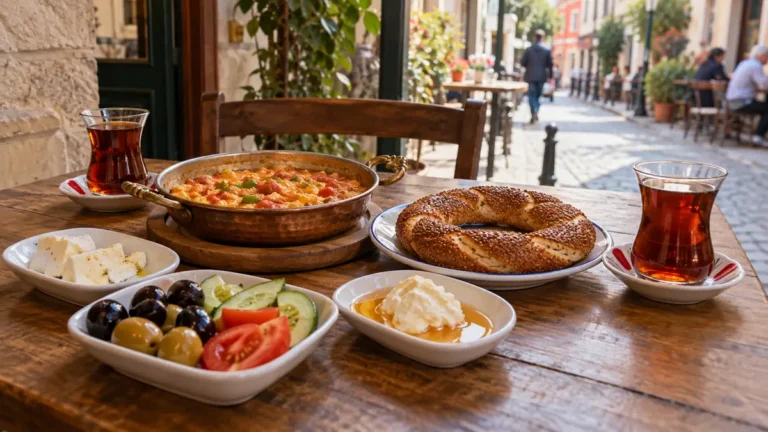
Turkey is famous for Istanbul’s skyline of domes and minarets, Cappadocia’s fairy chimneys and sunrise balloons, Greco-Roman ruins such as Ephesus, and the clear water of the Turquoise Coast. Its food and tea culture follow you everywhere, from meze and kebabs to the small glasses of tea served at every stop.
Is there a train to Cappadocia?
No, there is no direct rail line to Cappadocia. Most visitors fly from Istanbul to Kayseri or Nevşehir airport, and the overnight bus is the overland alternative, one that also saves a night’s accommodation.
Keep Planning Your Turkey Trip
- Turkey travel guide: money, transport, safety and the rest of the trip planning.
- Things to do in Istanbul: the city’s sights one by one, beyond the headline monuments.
- 3-day Istanbul itinerary: how to split the city into workable days before moving on.
- Cappadocia hot air balloon guide: how the flights work and what to do if the weather grounds them.
Did this guide save you time or money? Tripstou is independent and reader-funded — if you'd like to give something back, you can support the site with a crypto contribution of any size.