Three days is enough for a first visit to Istanbul if each day stays on one side of the city: the historic peninsula on foot on day 1, Galata, İstiklal Avenue and the Bosphorus on day 2, and the Asian side by ferry on day 3. The cost of that plan is a dense first day with an early start and a lot of walking, and no time to take the museums in depth.
The order carries the plan. Sultanahmet goes first because it needs fresh legs and the earliest start, the water sits in the middle of the trip, and the Asian side goes last because it is the easiest day to swap or drop. This is a route for Istanbul alone: Cappadocia and the rest of Türkiye are a separate plan.
On This Page
Is 3 Days Enough for Istanbul?
Yes, three days is enough for a first visit to Istanbul, provided each day stays on one side of the city. The route suits first-timers who want the headline sights of the old city plus one real neighbourhood day. It does not suit travelers who want Topkapı Palace and the museums in depth, or who hope to fit a day trip into the same three days.
Day 1 takes the old city because it asks for the most stamina and the earliest start. The historic peninsula is the one area where Hagia Sophia, the Blue Mosque, the Basilica Cistern and Topkapı all sit a short walk apart, so the whole morning runs on foot before the groups build up.
The ferry sits in the middle of the route. Day 2 ends on the Bosphorus and day 3 begins with the crossing to Kadıköy, so the views from the water never cost a separate half day.
Day 3 is the most flexible block. It is the day that swaps for Balat or a markets day, and the first one to go on a shorter stay.
Pacing keeps the plan honest: two major visits per morning (on day 1, Hagia Sophia and Topkapı, with the shorter stops between them), a lighter afternoon of streets and markets, and the waterfront at sunset. Three days works in Istanbul because the city’s three sides are three separate days, not because the sight list is short.
The 3-Day Istanbul Route at a Glance
The route runs old city, then Galata and the Bosphorus, then the Asian side. It works best from a base where days 1 and 2 start on foot: the historic peninsula, or the Galata and Karaköy side of the Golden Horn.
| Day | Area | Anchor sights | How you move | Weekday to avoid |
|---|---|---|---|---|
| Day 1 | Historic peninsula (Sultanahmet) | Hagia Sophia, Blue Mosque, Basilica Cistern, Topkapı Palace | On foot, one loop ending at Eminönü | Tuesday (Topkapı closed); Friday midday off the mosques |
| Day 2 | Galata, İstiklal and the Bosphorus | Galata Tower, İstiklal Avenue, Taksim Square, the Bosphorus by water | On foot across the Galata Bridge, then ferry or cruise | Monday, if you add Dolmabahçe (closed) |
| Day 3 | Asian side (Kadıköy, Moda, Üsküdar) | Kadıköy market, the Moda shore, the Üsküdar waterfront | Public ferry across, on foot on the other side | None for the default day; Sunday if you swap in the markets |
Either base puts the first two mornings within walking distance of their starting points, which is what lets day 1 begin at opening time. A base further out adds a commute to both of the busiest days. The area-by-area choice, with what each side of the Golden Horn suits, is in our guide to where to stay in Istanbul.
Hotels and places to stay
Compare hotels, apartments and stays for your dates in one search.
Search hotels and stays on hotels.com →
Tripstou may earn a commission if you book through this link, at no extra cost to you.
Which Istanbul Sights Close on Monday, Tuesday or Friday?
Topkapı Palace closes on Tuesdays and Dolmabahçe Palace on Mondays, so start the three days in a way that keeps the Topkapı day off a Tuesday and any Dolmabahçe stop off a Monday. On Fridays, keep the midday hours off the mosque route.
- Topkapı Palace is closed on Tuesdays. Day 1 is built around it, so day 1 never falls on a Tuesday.
- Dolmabahçe Palace is closed on Mondays. The optional palace stop on day 2, or the full visit on a fourth day, needs any other day.
- Mosques close to visitors around Friday midday prayer. That includes Hagia Sophia and the Blue Mosque, and tourist entry also pauses during each of the daily prayers, so mosque visits belong to the morning.
- The Grand Bazaar is closed on Sundays. Neither the day-1 bazaar walk nor a markets day 3 should land on a Sunday.
- National and religious holidays can change opening patterns. Check them for your dates before you fix the order.
A Tuesday start is the one case that needs a swap: run the Galata and Bosphorus day on Tuesday, Sultanahmet on Wednesday and the Asian side on Thursday. A Sunday start keeps day 1 as planned but moves the bazaars to day 3. A Friday start needs no change at all, because day 1 already puts the mosques first thing and the long Topkapı visit across the midday prayer.
Day 1: Sultanahmet on Foot, From Hagia Sophia to the Golden Horn
Day 1 walks the historic peninsula in one loop. It starts early at Hagia Sophia and the Blue Mosque, makes Topkapı Palace and its Harem the morning’s big block, eases into the bazaars in the afternoon and ends on the Golden Horn at sunset.
Hagia Sophia, the Blue Mosque and the Basilica Cistern stand a short walk apart around Sultanahmet Square, which is why they open the day as one block. Seeing all three before the groups arrive is what makes the rest of the day fit.
- Hagia Sophia (Ayasofya): the first stop of the day, entered as early as you can manage.
- The Hippodrome: the open square between the two great mosques, and the natural place to regroup.
- Blue Mosque (Sultanahmet Mosque): directly across from Hagia Sophia, the second mosque of the morning.
- Basilica Cistern: the underground stop, a cool break before the longest visit.
- Topkapı Palace and the Harem: the morning’s big block, followed by the walk down through Gülhane Park.
Lunch near the Hippodrome is the day’s pacing moment. Sit down properly here, because the afternoon is on foot too.
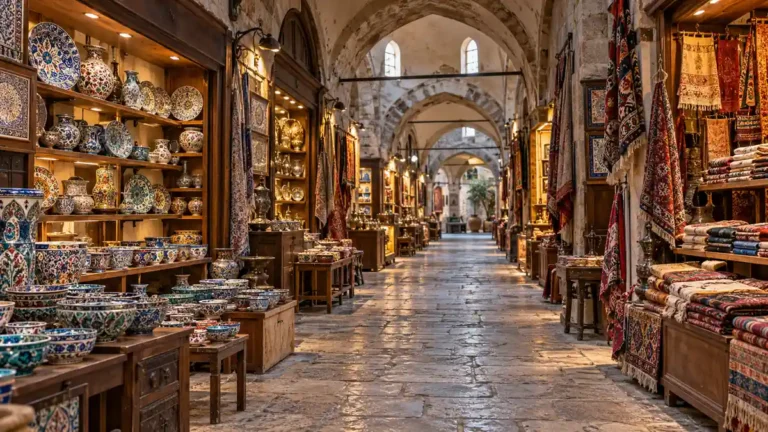
The afternoon is lighter. Walk through the Grand Bazaar and down to the Spice Bazaar if time and energy allow. If the morning ran long, skip them today: they become a markets day 3, or fold into day 1 on a two-day trip. Either way, the day ends at Eminönü, crossing onto the Galata Bridge as the sun goes down over the Golden Horn.
Each stop above has a place in the route and nothing more. For what to see inside each sight, how tickets and timed entries work and whether the Museum Pass pays off, use our guide to things to do in Istanbul.
A whirling dervish performance at Hodjapasha is the optional evening, close to where the day’s walk ends; you can reserve a seat ahead if you want the evening fixed. Day 1 never runs on a Tuesday, and on a Friday the mosques come first so the midday prayer falls during the Topkapı visit.
Tours and activities
Book skip-the-line tickets, day trips and local tours with free cancellation on most activities.
You can also browse everything on getyourguide.com.
Tripstou may earn a commission if you book through this link, at no extra cost to you.
Day 2: Galata, İstiklal and the Bosphorus by Water
Day 2 crosses the Galata Bridge to the newer side of the European city. Galata Tower and Karaköy fill the morning, İstiklal Avenue leads to Taksim Square around midday, and the afternoon or sunset belongs to the Bosphorus seen from the water.
The morning is on foot. Walk up from Karaköy to Galata Tower, continue to the top of İstiklal Avenue, then follow the avenue and its nostalgic tram to Taksim Square. The Tünel, the historic underground railway between Karaköy and İstiklal, saves the climb for legs still tired from day 1.
Süleymaniye Mosque is the morning detour for anyone who skipped the bazaars on day 1. It sits above the bazaar quarter on the old-city side, so it goes first, before the bridge.
The Bosphorus comes in two ways:
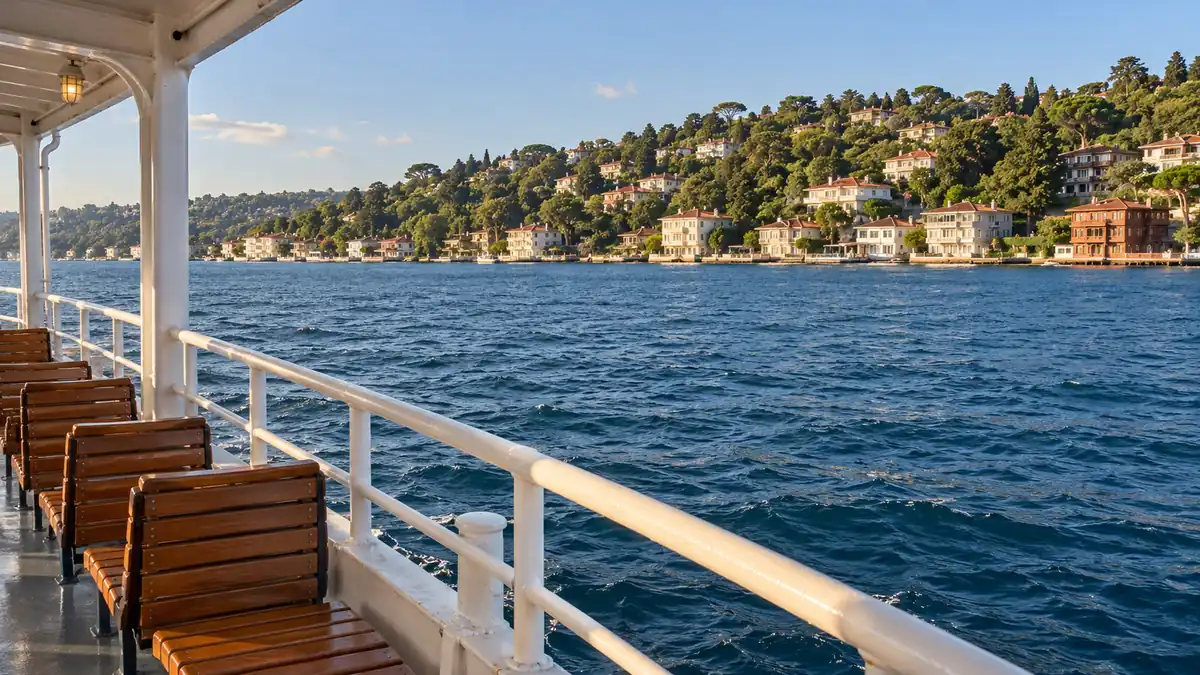
- The public ferry: the cheapest way onto the water and part of the city’s transit system, paid with the same card as the tram. It fits travelers happy to share the deck with commuters and keep the afternoon loose.
- A sightseeing cruise: day, sunset or dinner departures that follow the shoreline with commentary, so the palaces and waterfront villas are explained as they pass. This is the pick for a first trip that wants the Bosphorus as a set piece.
Day 3’s crossing to Kadıköy already puts you on the water, so the day-2 choice is really about the shoreline north of the city: a cruise follows it, while the Kadıköy ferry only cuts across. If the shoreline is what you came for, book a sightseeing cruise for the day-2 afternoon or sunset.
Dolmabahçe Palace is the optional afternoon stop on the Bosphorus shore, never on a Monday, when it is closed. It turns the afternoon into a second palace visit, so book palace entry only if Topkapı left you wanting more. Ortaköy is the lighter alternative: a waterfront stroll with no ticket and no timetable.
The evening stays by the water, on the Karaköy or Ortaköy waterfront, close to where the boats come in.
Day 3: Cross to the Asian Side, or Swap It for Balat
Day 3 goes to the Asian side on the public ferry from Eminönü or Karaköy to Kadıköy. It is the default for a first trip because it is the easiest full change of scene in the city. Balat and Fener, or a markets day, are the swaps for travelers who prefer to stay on the European side.
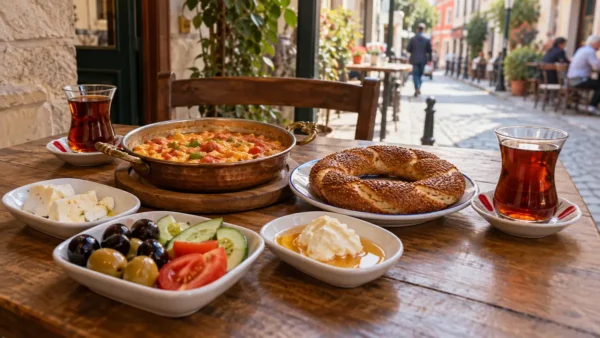
The default day starts with breakfast. A slow kahvaltı near the Kadıköy market is the pacing moment, and our Istanbul food guide covers what goes on that table. Walk the market streets afterwards, then follow the Moda shore south along the water. In the afternoon, move up to Üsküdar for its waterfront and take the ferry back to the European side from there.
The ferry is the reason the Asian side earns a day on a short trip. The crossing is a short ferry ride, and it gives you the old-city skyline from the water on the way over and again on the way back.
- Asian side (the default): Kadıköy, Moda and Üsküdar, two crossings and a neighbourhood that lives for its residents. Choose this day if you want the city after the monuments.
- Balat and Fener on foot: the steep, colourful streets of the old Golden Horn quarters, with Chora (Kariye), now a working mosque, close by. It suits travelers who would trade the ferry for one more historic neighbourhood.
- A markets day: the Grand Bazaar, the Spice Bazaar and the Eminönü streets, never on a Sunday. This is the fix when day 1 ran long and the bazaars were skipped.
How to Get Around Istanbul in 3 Days
One Istanbulkart covers everything this route uses: the tram, the metro, the ferries, the historic Tünel and the buses. The route is built so each day moves on foot inside one area and crosses the water by ferry, never by road.
The tram runs along the historic peninsula and over the Galata Bridge, which is how a day-1 base on the Galata side reaches Sultanahmet in the morning. The Tünel lifts you from Karaköy to the top of İstiklal Avenue on day 2. The ferries from Eminönü and Karaköy carry day 3 to Kadıköy and back.
Taxis across the bridges are where three-day plans lose their afternoons. Traffic on the crossings is the time sink that the one-area-per-day order exists to avoid, and a ferry over the same water is both faster to plan and part of the sightseeing.
With 2 Days, Drop the Asian Side; With 4, Add Balat or the Islands
The route scales by cutting from the end and adding from the middle. On two days, drop day 3 and fold the bazaars into day 1. On four days, keep the three days as they are and add Balat and Fener, Süleymaniye, a full Dolmabahçe visit or a Princes’ Islands half day.
Cut with 2 days
- The Asian side goes; the Kadıköy crossing is the one experience you lose.
- The Grand Bazaar and Spice Bazaar move into the day-1 afternoon, which makes day 1 the full loop as written.
- Day 2 keeps Galata, İstiklal and the Bosphorus, and drops the Dolmabahçe stop.
Add with 4 days
- Balat and Fener, with Chora, for a second historic neighbourhood day.
- Süleymaniye Mosque and a slower bazaar quarter, if day 1 felt rushed.
- A full Dolmabahçe visit, any day except Monday, for travelers who want a second palace in depth.
- A Princes’ Islands half day, paired with a lighter morning in the old city.
Beyond four days, the extra time is usually better spent leaving the city. Cappadocia and the rest of the country belong to planning the rest of Turkey, not to a longer Istanbul route.
Can you fit the Princes’ Islands into a 3-day Istanbul trip?
Only as a swap. The Princes’ Islands fit as a half day in place of the Asian-side afternoon, or as the fourth day of a longer stay. On a strict three days, the islands cost you the Kadıköy day, because both rely on a ferry out of the European side and neither fits around a full morning elsewhere.
How We Checked This Route
This page plans one 3-day route through Istanbul: its order, its pacing and the weekdays to avoid. It does not rank the sights, choose hotels or neighbourhoods, or give costs; the linked Istanbul guides do that.
Alex Perrut, working in tourism since 2015, went over this itinerary for the Tripstou editorial team, and it was written with AI assistance. How that works is set out in our editorial process.
Official sources consulted: National Palaces: Topkapı Palace, National Palaces: Dolmabahçe Palace, Go Türkiye.
Two Questions Before You Go
Do you need to book Istanbul attractions in advance for this route?
Only for day 1, and only to protect the morning. Day 1 is the one day with several ticketed sights back to back, so buy ahead whatever can be bought ahead and still start at opening time, because the groups build up whatever ticket you hold. Days 2 and 3 run on walking, the public ferry and the Istanbulkart, with nothing that needs reserving unless you choose a sightseeing cruise or the Dolmabahçe visit. Which tickets exist and whether the Museum Pass pays off are covered in our guide to things to do in Istanbul.
How do you get from Istanbul Airport to Sultanahmet?
Take the airport rail link or an airport bus into the city, then finish on the tram, which runs along the historic peninsula to Sultanahmet. Arriving at Sabiha Gökçen, the airport on the Asian side, means a longer transfer, because the trip into the old city also has to cross the Bosphorus.
Did this guide save you time or money? Tripstou is independent and reader-funded — if you'd like to give something back, you can support the site with a crypto contribution of any size.