

Cash vs Card Europe is simpler than most first-time travelers expect: you’ll use a card for almost everything, but a small cash buffer prevents frustrating (and expensive) moments. The real money traps aren’t “Europe is costly”—they’re hidden ATM fees, bad exchange rates, and Dynamic Currency Conversion (DCC) prompts that quietly add 5–10% to your spend. This guide gives you a clear framework for when to pay by card vs cash, how to withdraw money the smart way, and how tipping actually works by region. We’ll also cover tourist taxes and local fees that surprise travelers at check-in.
At-a-glance: the simple answer
If you only remember three things about money in Europe, let it be these:
- Best default payment method: A no-foreign-transaction-fee credit or debit card (Visa/Mastercard) with contactless.
- Cash to carry: A small daily buffer (€50–€100) for markets, tips, and emergencies.
- Biggest tourist trap: DCC—always choose to pay in the local currency, not your home currency.
- Simple tipping rule: Usually optional—round up or tip small amounts for good service, and tip more where it’s customary.
Table of Contents
- 1. Cards vs cash in Europe: what actually works
- 2. ATM rules in Europe (fees, limits, smart use)
- 3. Exchange traps to avoid (DCC explained simply)
- 4. Tipping in Europe (by region, not stereotypes)
- 5. Tourist taxes and local fees (what surprises people)
- 6. How much cash should you carry?
- 7. Common money mistakes to avoid
- 8. Money safety and theft prevention
- 9. City and country nuance: where rules change
- 10. Quick money checklist
- 11. FAQs
- 12. What to read next (curated hub)
1. Cards vs cash in Europe: what actually works
Europe is a card-first continent. In most major cities and tourist areas, you can use a contactless card for nearly everything, from a metro ticket to a coffee.
- Where cards are accepted: Restaurants, hotels, major attractions, supermarkets, and most retail stores.
- When cash is still needed: Small, independent bakeries, local markets, tipping tour guides, and in some rural or Eastern European regions.
- Contactless reality: Contactless payment (tap-to-pay) is the norm. Ensure your card has the contactless symbol.
- Debit vs credit logic: Use a debit card for ATM withdrawals and a credit card for large purchases (hotels, flights) for better fraud protection.
Tip: Always use a card that charges zero foreign transaction fees. This is the single biggest way to save money on currency conversion.
Looking for the best hotel or flight deals?
Plan your trip with ease using the Expedia search tool below. From charming boutique hotels to luxury resorts, this widget helps you compare top options in seconds — flights included!
2. ATM rules in Europe (fees, limits, smart use)
ATMs are widely available, but they are also the primary source of hidden fees for tourists.
- ATM fees: Your home bank may charge a fee, and the local ATM operator may charge a fee. Look for ATMs attached to major banks (e.g., BNP Paribas, Santander, Deutsche Bank) to minimize local fees.
- Daily limits: Local ATMs often have lower withdrawal limits (€200–€300) than you are used to at home.
- Bank ATMs vs private ATMs: Avoid private, non-bank ATMs (often found in convenience stores or tourist traps) as they charge the highest fees.
- Withdrawal strategy: Withdraw a larger amount once or twice a week rather than small amounts daily to minimize transaction fees.
Worried about landing with no signal? Get an Airalo eSIM for your trip — trusted by 20M+ travelers with coverage in 200+ destinations, often cheaper than roaming.
3. Exchange traps to avoid (DCC explained simply)

Dynamic Currency Conversion (DCC) is the biggest money trap in Europe. It happens when a card machine or ATM asks if you want to pay in the local currency (EUR) or your home currency (USD/CAD/GBP).
- The Rule: Always choose to pay in the local currency (EUR, CZK, PLN, etc.).
- Why: When you choose your home currency, the local machine sets an unfavorable exchange rate and charges a hidden fee. When you choose the local currency, your bank (which has a better rate) handles the conversion.
- Currency exchange booths: Avoid these entirely. Their rates are almost always terrible.
Tip: If an ATM or card machine asks “Accept this conversion rate?” or “Pay in USD?”, always select NO or PAY IN EUR. This simple choice can save you 5–10% on every transaction. For more on protecting your funds, see our guide on Europe Safety Tips.
4. Tipping in Europe (by region, not stereotypes)
Tipping in Europe is a reward for service, not a mandatory part of the wage structure. The culture varies significantly by region.
- Western Europe (France, Germany, Netherlands): Tipping is optional. Round up the bill to the nearest €5 or €10, or leave 5–10% for excellent service.
- Southern Europe (Italy, Spain, Greece): Tipping is less common. A small tip (€1–€2 per person) for good service is appreciated, especially in tourist areas.
- Central and Eastern Europe (Poland, Czechia, Hungary): Tipping is more common than in the West, usually 10% for good service. It’s often best to state the total amount you want to pay, including the tip, when handing over the money.
- Nordics (Norway, Sweden, Denmark): Tipping is rare and not expected. Service charges are always included.
Tip: Never leave coins on the table. Hand the tip directly to the server or round up the total when paying by card.
5. Tourist taxes and local fees (what surprises people)

Many European cities and countries charge a small, mandatory tax on accommodation, which often surprises travelers.
- City tax / tourist tax: This is a small fee (usually €0.50 to €5 per person, per night) charged by the city government.
- How it’s charged: It is almost always charged separately from your hotel booking and paid directly to the hotel upon check-in or check-out.
- Cash vs card: While hotels prefer card, some smaller accommodations may ask for this fee in cash.
- Why it’s rarely included upfront: The tax rate can change, and it is legally mandated to be collected locally.
Tip: Budget an extra €2–€4 per person, per night, for this tax, especially in major cities like Rome, Barcelona, or Amsterdam.
6. How much cash should you carry?

The strategic traveler carries a small daily buffer of cash and relies on cards for the rest.
- Daily buffer logic: Carry enough cash (€50–€100) to cover a small meal, a taxi, and a tip without needing to find an ATM.
- Emergency cash strategy: Keep a separate stash of €200–€300 hidden in your luggage for true emergencies (e.g., lost wallet, card machine failure).
- Where to store it: Split your cash between your wallet, a secure money belt, and your luggage.
In short: Europe is mostly cashless, but cash is essential for flexibility and small transactions. Rely on your card, but always have a cash backup. For budgeting your entire trip, see our Europe Travel Budget guide.
Want to save on train tickets? Search routes and compare prices on Omio — and check for available discounts or referral credit when you book (offers can vary by location/account).
7. Common money mistakes to avoid
- Airport exchange desks: Their rates are the worst. Never exchange large sums here.
- Paying in home currency: Always choose the local currency (DCC trap).
- Carrying too much cash: This makes you a target for pickpockets.
- Ignoring ATM branding: Only use ATMs attached to major, recognizable banks.
8. Money safety and theft prevention
Your best defense is awareness and preparation.
- Wallet strategy: Keep your wallet in a front pocket or use a secure, cross-body bag.
- Card blocking: Know your bank’s international phone number to block your card immediately if it’s lost or stolen.
- Split cash logic: Never keep all your cash and cards in one place.
Tip: For more detailed strategies on protecting your valuables, read our guide on Europe Safety Tips.
9. City and country nuance: where rules change
While the Eurozone is unified, local habits persist:
- Germany and Central Europe: More cash-reliant than Western Europe. Always carry some Euros, especially for small shops and local restaurants.
- Nordics: Almost entirely cashless. You may struggle to spend cash in Reykjavik or Stockholm.
- Eastern Europe: Outside of major cities like Budapest or Prague, cash is often preferred.
10. Quick money checklist
- Notify your bank of your travel dates.
- Get a no-foreign-transaction-fee card.
- Memorize your bank’s international fraud number.
- Set a daily cash withdrawal limit.
- Download your bank’s app for easy monitoring.
- Have a backup card stored separately.
Tip: For a comprehensive list of what to bring, check out our Packing for Europe guide.
11. FAQs (selected questions)
Is cash still needed in Europe?
Yes. Cards work almost everywhere, but small shops, markets, tips, and emergencies still require cash. Carry a small buffer.
Do US cards work in Europe?
Yes. Visa and Mastercard are widely accepted. American Express works in some places but is less reliable.
Should I bring euros from home?
No. You will almost always get a better exchange rate withdrawing from a European ATM with a no-fee card.
Is tipping rude in Europe?
No. Tipping is optional and appreciated for good service, but it is not mandatory like in the US.
What about Switzerland and the UK?
They are outside the Eurozone and use their own currencies. The same rule applies: pay by card and always choose the local currency.
Is it better to use debit or credit cards?
Use debit cards for ATM withdrawals and credit cards for purchases to maximize fraud protection.
What should I do if my card is blocked?
Call your bank’s international fraud number immediately and switch to your backup card.
What is the biggest money mistake travelers make?
Accepting Dynamic Currency Conversion and paying in their home currency instead of the local one.
In short: Europe is card-first, not cash-free. Use cards for almost everything, carry a small cash buffer, and always pay in the local currency.
12. What to read next (curated hub)
Start with the Europe Planning Hub
Europe Clusters
- Packing for Europe (carry-on logic and seasons)
- Connectivity in Europe (eSIM vs SIM and coverage)
- Europe Safety Tips (scams, pickpockets and smart habits)
- Getting Around Europe (trains, flights and friction)
- Best Europe Itineraries and Routes
- Where to Stay in Europe (accommodation logic, hotel vs Airbnb & neighborhood strategy)
- Best time to visit Europe (weather, crowds & prices)
- Europe Travel Budget (real cost logic)
Choose an Europe City
🇪🇺 Western Europe Cities
- Paris Travel Guide
- London Travel Guide
- Amsterdam Travel Guide
- Brussels Travel Guide
- Dublin Travel Guide
- Monte Carlo Travel Guide
- Andorra la Vella Travel Guide
🇪🇺 Southern Europe & Balkans Cities
- Rome Travel Guide
- Barcelona Travel Guide
- Lisbon Travel Guide
- Athens Travel Guide
- Dubrovnik Travel Guide
- Tirana Travel Guide
- Sarajevo Travel Guide
- Belgrade Travel Guide
- Skopje Travel Guide
- Pristina Travel Guide
- Kotor Travel Guide
- Valletta Travel Guide
🇪🇺 Northern Europe & Baltics Cities
- Stockholm Travel Guide
- Oslo Travel Guide
- Helsinki Travel Guide
- Copenhagen Travel Guide
- Reykjavik Travel Guide
- Tallinn Travel Guide
- Riga Travel Guide
- Vilnius Travel Guide
🇪🇺 Central Europe Cities
- Berlin Travel Guide
- Vienna Travel Guide
- Prague Travel Guide
- Budapest Travel Guide
- Krakow Travel Guide
- Bratislava Travel Guide
- Ljubljana Travel Guide
- Zurich Travel Guide
- Vaduz Travel Guide
🇪🇺 Eastern Europe Cities
🇻🇦 Microstates and Special Cities
Choose an Europe Country
🇪🇺 Western Europe Countries
- France Travel Guide
- Spain Travel Guide
- Portugal Travel Guide
- Netherlands Travel Guide
- Belgium Travel Guide
- Luxembourg Travel Guide
- Ireland Travel Guide
- England Travel Guide
🇪🇺 Southern Europe & Balkans Countries
- Italy Travel Guide
- Greece Travel Guide
- Croatia Travel Guide
- Montenegro Travel Guide
- Albania Travel Guide
- Malta Travel Guide
- Bosnia and Herzegovina Travel Guide
- Serbia Travel Guide
- North Macedonia Travel Guide
- Kosovo Travel Guide
🇪🇺 Northern Europe & Nordics Countries
- Sweden Travel Guide
- Norway Travel Guide
- Finland Travel Guide
- Denmark Travel Guide
- Iceland Travel Guide
- Scotland Travel Guide
🇪🇺 Central Europe Countries
- Germany Travel Guide
- Austria Travel Guide
- Switzerland Travel Guide
- Poland Travel Guide
- Czechia Travel Guide
- Hungary Travel Guide
- Slovakia Travel Guide
- Slovenia Travel Guide
🇪🇺 Eastern Europe & Baltics Countries
- Romania Travel Guide
- Bulgaria Travel Guide
- Ukraine Travel Guide
- Moldova Travel Guide
- Lithuania Travel Guide
- Latvia Travel Guide
- Estonia Travel Guide
- Belarus Travel Guide
🇲🇨 Microstates and Special Territories
- Vatican City Travel Guide
- Monaco Travel Guide
- Andorra Travel Guide
- Liechtenstein Travel Guide
- San Marino Travel Guide
Looking for a smarter way to manage your travel money? Wise offers real exchange rates with no hidden fees, making it the perfect companion for international trips.
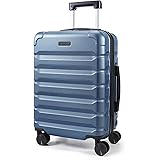
LIGHT FLIGHT Carry On Luggage 22x14x9 Airline Approved, Expandable Carry On Suitcases with Wheels, Lightweight Luggage, Durable Hard Shell 20 Inch Rolling Suit Case for Men Women Travel,Royal Blue
$49.99 (as of March 21, 2026 17:18 GMT +02:00 - More infoProduct prices and availability are accurate as of the date/time indicated and are subject to change. Any price and availability information displayed on [relevant Amazon Site(s), as applicable] at the time of purchase will apply to the purchase of this product.)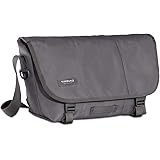
Timbuk2 Classic Messenger Bag
(as of March 21, 2026 17:18 GMT +02:00 - More infoProduct prices and availability are accurate as of the date/time indicated and are subject to change. Any price and availability information displayed on [relevant Amazon Site(s), as applicable] at the time of purchase will apply to the purchase of this product.)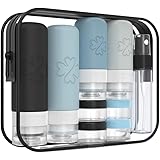
18 Pack TSA Approved Travel Bottles for Toiletries – Leak Proof Silicone Refillable Containers Set with Toiletry Bag, Squeeze Bottles, Spray Bottles & Cream Jars for Shampoo, Conditioner & Lotion
$5.49 (as of March 21, 2026 17:18 GMT +02:00 - More infoProduct prices and availability are accurate as of the date/time indicated and are subject to change. Any price and availability information displayed on [relevant Amazon Site(s), as applicable] at the time of purchase will apply to the purchase of this product.)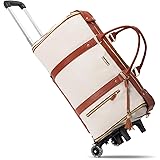
Luhxe Travel Convertible Carry On Garment Roller Bag 2.0 with Shoe Pouch & Detachable Shoulder Strap – Improved Zipper and reinforced straps - Snow
$178.99 (as of March 21, 2026 17:18 GMT +02:00 - More infoProduct prices and availability are accurate as of the date/time indicated and are subject to change. Any price and availability information displayed on [relevant Amazon Site(s), as applicable] at the time of purchase will apply to the purchase of this product.)
Taygeer Travel Backpack for Women, Carry On Backpack with Water Bottle Pocket & Shoe Pouch, TSA 15.6inch Laptop Mochila Flight Approved, Nurse Bag Casual Daypack for Weekender Business Hiking, Pink
$36.97 (as of March 21, 2026 17:18 GMT +02:00 - More infoProduct prices and availability are accurate as of the date/time indicated and are subject to change. Any price and availability information displayed on [relevant Amazon Site(s), as applicable] at the time of purchase will apply to the purchase of this product.)As an Amazon Associate, we earn from qualifying purchases.

