

eSIM vs SIM Card Europe comes down to one thing: the fastest way to get reliable data without paying hidden roaming costs. For most travelers, a regional Europe eSIM is the easiest setup—activate before landing, keep your home number for 2FA, and stay connected across borders. A physical SIM can be cheaper for high data, but it adds friction (shops, swaps, and registration) and can fail on certain routes. This guide breaks down coverage expectations, real-world costs, and the key country exceptions—especially Switzerland, the UK, and parts of the Balkans.
At-a-glance: the simple answer
If you want the fastest, lowest-friction setup, use this decision framework:
- Best default option: A regional Europe eSIM you install before departure and activate on landing.
- Choose eSIM if you want: Instant data at arrival, Dual SIM (keep your home number for 2FA), and zero time spent in shops.
- Choose a physical SIM if: Your phone isn’t eSIM compatible, or you need the cheapest high-data plan from a local provider shop.
- Typical data needs: 0.5–1GB/day covers maps, messaging, ride-share apps, and social media. Add more only if you hotspot or stream.
Table of Contents
- 1. Europe connectivity baseline (EU roaming in plain English)
- 2. eSIM vs SIM Card Europe (what actually changes)
- 3. Country exceptions (Switzerland, UK, Balkans and non-EU)
- 4. How much data you really need (per day)
- 5. Setup checklist (before landing + after arrival)
- 6. Mistakes that cause roaming fees (avoid these)
- 7. Mobile data security (2FA, SIM PIN, public Wi-Fi)
- 8. City and country nuance (where rules and coverage shift)
- 9. Quick connectivity checklist
- 10. FAQ (short, high-value answers)
- 11. What to read next (curated Europe planning hub)
1. Europe connectivity baseline (EU roaming in plain English)
The “Roam Like at Home” regulation means that if you buy a SIM card in one EU country, you can use your data, minutes, and texts in any other EU country at no extra cost. This has transformed Europe into a single connectivity zone for travelers.
Tip: Always check if your plan includes non-EU countries like the UK, Switzerland, or Norway, as they are often included by major providers but not guaranteed by law.
- Cities vs Rural Coverage: 4G and 5G are standard in almost all European cities. In rural or mountainous areas (like parts of the Alps or Scottish Highlands), coverage can drop to 3G or disappear entirely.
- 4G vs 5G Expectations: 5G is widely available in major hubs like London, Paris, and Berlin.
- Typical Costs: Expect to pay between €15 and €40 for a 10GB to 30GB plan lasting 30 days.
Looking for the best hotel or flight deals?
Plan your trip with ease using the Expedia search tool below. From charming boutique hotels to luxury resorts, this widget helps you compare top options in seconds — flights included!
2. eSIM vs SIM Card Europe (what actually changes)
The choice between a digital eSIM and a physical plastic card usually comes down to your phone’s age and your preference for convenience over cost.
- Setup: eSIMs are activated via a QR code or app, often before you even leave home. Physical SIMs require finding a shop, using a SIM tool, and swapping cards.
- Flexibility: eSIMs allow you to keep your home SIM active (Dual SIM mode), which is crucial for receiving bank security codes (2FA).
- Compatibility: Most phones made after 2020 support eSIM. If you have an older device, a physical SIM is your only option.
Tip: If you are a solo traveler, having an eSIM ready the moment you land provides immediate access to ride-share apps and maps, which is a significant safety advantage.
Worried about landing with no signal? Get an Airalo eSIM for your trip — trusted by 20M+ travelers with coverage in 200+ destinations, often cheaper than roaming.
3. Country exceptions (Switzerland, UK, Balkans and non-EU)

While the EU roaming rules are great, Europe has several “connectivity islands” where your standard EU plan might stop working or become very expensive.
- Non-EU Countries: Switzerland, Turkey, and some Balkan nations (like Serbia or Albania) are not part of the EU roaming zone. Check your provider’s specific list.
- High-Cost Countries: Switzerland is the most common “trap” for travelers. Using data there on a standard EU SIM can lead to massive charges if not explicitly included.
- Remote Regions: In Iceland or the Norway fjords, local SIMs often provide better coverage than regional roaming plans.
Tip: If your itinerary includes the Balkans, look for a specific “Balkan eSIM” or buy a local card in each country, as roaming costs between these neighbors can be surprisingly high.
4. How much data you really need (per day)
Don’t overpay for “unlimited” data if you don’t need it. Most travelers overestimate their usage.
- Light Usage (300MB/day): Messaging, occasional map checks, and email.
- Normal Usage (1GB/day): Frequent social media, heavy Google Maps use, and some photo uploads.
- Heavy Usage (2GB+/day): Video streaming, frequent video calls, and using your phone as a hotspot for a laptop.
Tip: Download offline maps in Google Maps before you leave your hotel Wi-Fi. This can save up to 200MB of data per day. Packing for Europe
5. Setup checklist (before landing + after arrival)

The “Connectivity Baseline” strategy is to have your data working the second the plane wheels touch the tarmac.
- Before Departure: Purchase your eSIM, install the profile, and keep it “Off” until you land in Europe.
- Airport Purchase: Avoid buying SIM cards at airport kiosks if possible; they often charge a 50-100% premium over city shops.
- Activation: Most European SIMs require a passport for registration (a legal requirement). eSIM apps usually handle this digitally.
In short: Pre-purchasing an eSIM is the strategic choice for a stress-free arrival. If you need a physical SIM, wait until you reach the city center to get the best price. Europe Travel Budget
6. Mistakes that cause roaming fees (avoid these)
- Leaving “Data Roaming” ON for your home SIM: This can lead to hundreds of dollars in charges in a single day.
- Buying a “Global” plan: These are often much more expensive than “Europe-only” or “Regional” plans.
- Forgetting to unlock your phone: Your phone must be “carrier unlocked” to accept a European SIM or eSIM. Check this with your home provider weeks before you travel.
Tip: If you are traveling as a couple or family, one person with a high-data plan can often “hotspot” the others, saving money on multiple SIM cards.
Want to save on train tickets? Search routes and compare prices on Omio — and check for available discounts or referral credit when you book (offers can vary by location/account).
7. Mobile data security (2FA, SIM PIN, public Wi-Fi)

Connectivity is a safety tool, but it also carries risks. Protecting your digital life is part of your overall safety strategy.
- Public Wi-Fi Risks: Avoid logging into bank accounts or sensitive apps on free airport or café Wi-Fi. Use your mobile data or a VPN instead.
- SIM Theft: If your phone is stolen, the thief can use your SIM to bypass 2FA. Set a “SIM PIN” in your phone settings.
- Phone Loss Strategy: Ensure your phone is backed up to the cloud daily so you don’t lose your travel photos.
Tip: For more on protecting your gear and data, read our full guide on Europe Safety Tips.
8. City and country nuance (where rules and coverage shift)
While the baseline is consistent, some destinations have specific quirks:
- Zurich and Switzerland: Not in the EU. Ensure your eSIM specifically lists Switzerland or you will face high costs.
- London and the UK: Post-Brexit, some EU providers have reintroduced roaming charges for the UK, though many still include it for free.
- Reykjavik and Iceland: Excellent 4G coverage even in remote areas, but weather can affect signal in the highlands.
9. Quick connectivity checklist
- Confirm your phone is carrier-unlocked.
- Check if your phone supports eSIM.
- Purchase and install eSIM 24 hours before departure.
- Download offline maps for your first destination.
- Set a SIM PIN for added security.
- Carry a physical SIM tool if using a physical card.
Tip: Don’t forget to pack a high-quality power bank. Constant GPS use and searching for signals in rural areas will drain your battery faster than usual. Packing for Europe
10. FAQ (selected questions)
Q: Is roaming really free in Europe?
A: Yes, within the EU and EEA under the “Roam Like at Home” rule. This does not automatically include Switzerland, the UK, or Turkey, which are common exceptions.
Q: Is eSIM better than a physical SIM for Europe?
A: For most travelers, yes. eSIM offers instant setup, borderless travel, and lets you keep your home number active for banking and 2FA.
Q: When is a physical SIM the better choice?
A: If your phone does not support eSIM or you need the cheapest possible high-data plan from a local provider, a physical SIM can be better.
Q: How much mobile data do I actually need per day?
A: Around 0.5–1GB per day covers maps, messaging, ride-share apps, and social media. Only heavy hotspot or video use requires more.
Q: Does my US or Canadian phone work in Europe?
A: Most modern phones do, as long as they are carrier-unlocked. Always confirm this with your provider before traveling.
Q: What happens if I cross into Switzerland or the Balkans?
A: EU roaming rules may stop applying. Unless your plan explicitly includes those countries, turn off data roaming or use a regional eSIM.
Q: Can I hotspot my laptop or tablet?
A: Usually yes, but some plans limit tethering under fair-use rules. Check the plan details before relying on hotspot for work.
Q: Is public Wi-Fi safe enough in Europe?
A: It is convenient but not secure. Avoid banking or sensitive logins on public Wi-Fi and use mobile data or a VPN instead.
Q: What is the biggest connectivity mistake travelers make?
A: Leaving data roaming enabled on their home SIM, which can trigger massive charges in minutes.
In short: Europe connectivity is simple once you understand the exceptions. Use an eSIM for speed and flexibility, or a local SIM for maximum data value.
11. What to read next (curated Europe planning hub)
Start with the Europe Planning Hub
Core Europe Planning Clusters
- Packing for Europe (carry-on logic and seasons)
- Money in Europe Money in Europe (cards vs cash, ATMs & tipping)
- Europe Safety Tips (scams, pickpockets and smart habits)
- Getting Around Europe (trains, flights and friction)
- Best Europe Itineraries and Routes
- Where to Stay in Europe (accommodation logic, hotel vs Airbnb & neighborhood strategy)
- Best time to visit Europe (weather, crowds & prices)
- Europe Travel Budget (real cost logic)
Pick a City
Pick a Country
🇪🇺 Western Europe Countries
- France Travel Guide
- Spain Travel Guide
- Portugal Travel Guide
- Netherlands Travel Guide
- Belgium Travel Guide
- Luxembourg Travel Guide
- Ireland Travel Guide
- England Travel Guide
🇪🇺 Southern Europe & Balkans Countries
- Italy Travel Guide
- Greece Travel Guide
- Croatia Travel Guide
- Montenegro Travel Guide
- Albania Travel Guide
- Malta Travel Guide
- Bosnia and Herzegovina Travel Guide
- Serbia Travel Guide
- North Macedonia Travel Guide
- Kosovo Travel Guide
🇪🇺 Northern Europe & Nordics Countries
- Sweden Travel Guide
- Norway Travel Guide
- Finland Travel Guide
- Denmark Travel Guide
- Iceland Travel Guide
- Scotland Travel Guide
🇪🇺 Central Europe Countries
- Germany Travel Guide
- Austria Travel Guide
- Switzerland Travel Guide
- Poland Travel Guide
- Czechia Travel Guide
- Hungary Travel Guide
- Slovakia Travel Guide
- Slovenia Travel Guide
🇪🇺 Eastern Europe & Baltics Countries
- Romania Travel Guide
- Bulgaria Travel Guide
- Ukraine Travel Guide
- Moldova Travel Guide
- Lithuania Travel Guide
- Latvia Travel Guide
- Estonia Travel Guide
- Belarus Travel Guide
🇲🇨 Microstates and Special Territories
- Vatican City Travel Guide
- Monaco Travel Guide
- Andorra Travel Guide
- Liechtenstein Travel Guide
- San Marino Travel Guide
Looking for a smarter way to manage your travel money? Wise offers real exchange rates with no hidden fees, making it the perfect companion for international trips.
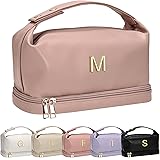
Vogewood Gifts for Graduates, Personalized Makeup Bag with Handle, Initial Double Layer Cosmetic Bag with Makeup Brush Organizer, PU Leather Travel Toiletry Bag, Gifts for Friends Female Mom
$23.99 (as of March 21, 2026 17:18 GMT +02:00 - More infoProduct prices and availability are accurate as of the date/time indicated and are subject to change. Any price and availability information displayed on [relevant Amazon Site(s), as applicable] at the time of purchase will apply to the purchase of this product.)
4 in 1 Travel Dispenser,4 Pack 30ML Travel Bottles for Toiletries,Travel Dispenser Bottle,Refillable,Suitable for Storing Shampoo, Shower Gel,Suitable for Vacation Camping and Gym. (White)
$22.99 (as of March 21, 2026 17:18 GMT +02:00 - More infoProduct prices and availability are accurate as of the date/time indicated and are subject to change. Any price and availability information displayed on [relevant Amazon Site(s), as applicable] at the time of purchase will apply to the purchase of this product.)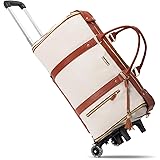
Luhxe Travel Convertible Carry On Garment Roller Bag 2.0 with Shoe Pouch & Detachable Shoulder Strap – Improved Zipper and reinforced straps - Snow
$178.99 (as of March 21, 2026 17:18 GMT +02:00 - More infoProduct prices and availability are accurate as of the date/time indicated and are subject to change. Any price and availability information displayed on [relevant Amazon Site(s), as applicable] at the time of purchase will apply to the purchase of this product.)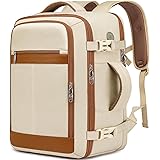
Travel Backpack for Women Airline Approved Carry On Backpack with Shoe Pouch,TSA 15.6inch Laptop Mochila Flight Approved Personal Item Bag for Weekender Overnight Bags Bookbag Travel Essentials,Beige
$23.99 (as of March 21, 2026 17:18 GMT +02:00 - More infoProduct prices and availability are accurate as of the date/time indicated and are subject to change. Any price and availability information displayed on [relevant Amazon Site(s), as applicable] at the time of purchase will apply to the purchase of this product.)
YOOLIFE Easter Gifts for Kids Toddlers Girls - Sling Bag for Girl Kids | Birthday Gifts for 2 3 4 5 6 7 8 Year Old Girl, Easter Basket Stuffers, Crossbody Bags for Little Girls Toddler Purse (Pink A)
$15.99 (as of March 21, 2026 17:18 GMT +02:00 - More infoProduct prices and availability are accurate as of the date/time indicated and are subject to change. Any price and availability information displayed on [relevant Amazon Site(s), as applicable] at the time of purchase will apply to the purchase of this product.)As an Amazon Associate, we earn from qualifying purchases.

