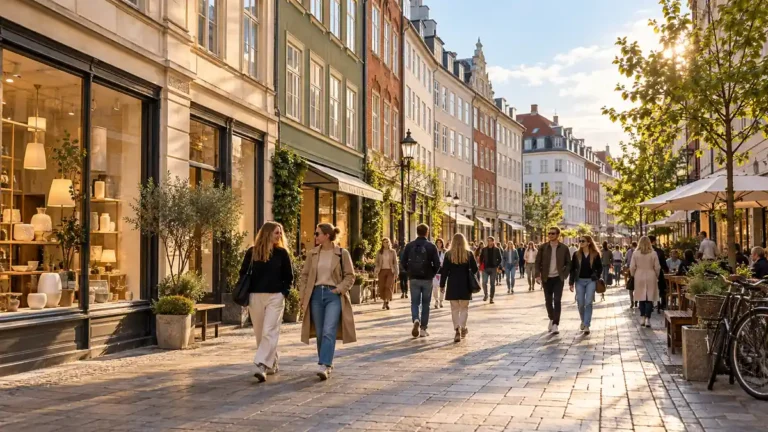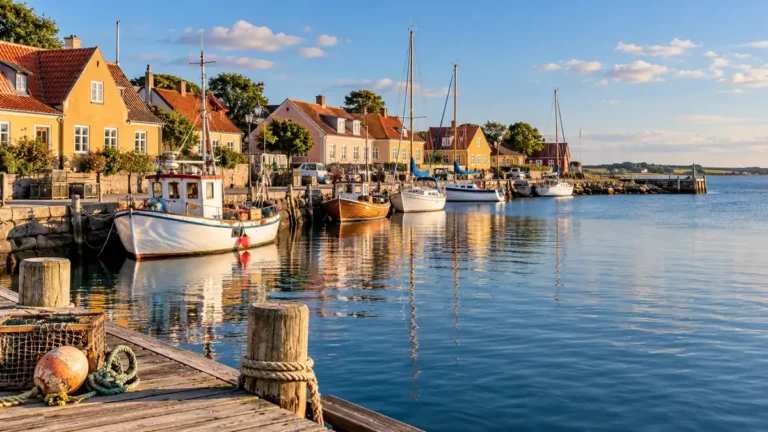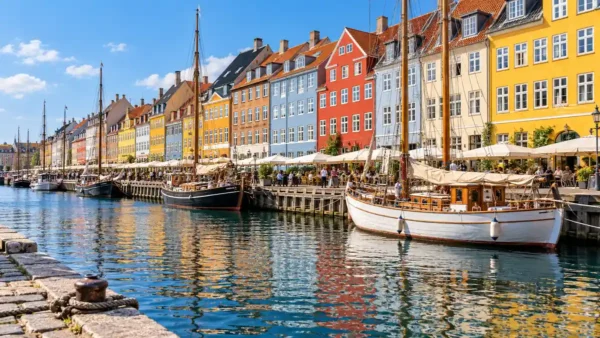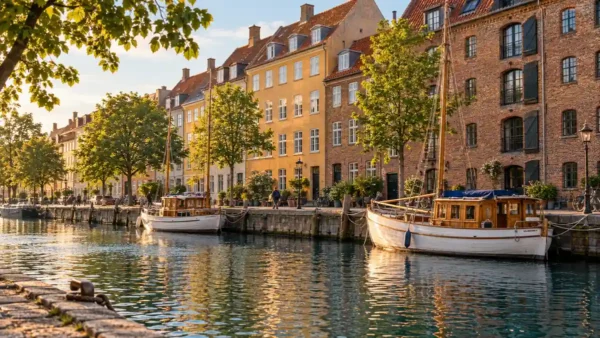
Copenhagen in winter is worth it if you come for lights, hygge and the quiet, and accept short, dark days hovering around freezing. In the Christmas half, Tivoli’s Christmas season is the pick that justifies the trip. In deep winter, it is a harbour sauna followed by a cold dip, or the Copenhagen Light Festival if you can be there in February. Which half you choose changes the trip: pre-Christmas Copenhagen is lit, busy and pricier, while January and February are quiet, cheaper and darker, with Tivoli closed.
The picks below are grouped the same way: what only the Christmas season offers, what belongs to deep winter, and what carries the trip whichever half you pick.
The Winter Shortlist
- Winter Copenhagen rewards travelers who come for lights, hygge and a quieter city, and disappoints anyone expecting sunny canal days or long outdoor sightseeing loops.
- The Christmas half, from mid-November to just after New Year, is lit, busy and pricier, and Tivoli’s Christmas season is its headline pick.
- Deep winter in January and February is quieter and usually cheaper with Tivoli closed, and a harbour sauna with a cold dip or the February Light Festival is the reason to go.
- Expect days in the low single digits, nights around freezing, roughly seven hours of daylight at the solstice and snow that is never guaranteed.
- Put outdoor sights in the middle of the day and save museums, cafés and saunas for after dark.
- Pack for wind and damp: a windproof, waterproof outer layer over thin warm layers beats a heavy expedition coat.
Copenhagen in winter is worth it for the lights and the quiet, not the weather
Winter is a good time for Copenhagen if the trip is built around atmosphere. You give up daylight, warmth, Tivoli after Christmas and the long canal-side afternoons the city is known for. In return you get lit streets and Christmas markets, hygge culture at its strongest, and in January and February fewer visitors and lower room rates.
The travelers who come home happy tend to be couples, café-and-museum people, anyone chasing Christmas markets, and swimmers curious about the cold-water habit Danes swear by. The ones who come home disappointed expected sunny canal days or planned long outdoor sightseeing loops. The big sights still work in winter, just in shorter bursts.
Come if candlelit cafés, a warm sauna and a quieter city sound like a holiday. Wait for spring if your picture of Copenhagen is bikes, harbour terraces and evenings outdoors.
This page only covers the season. Orientation, arrival and costs are in the Copenhagen guide for planning a first trip.
How cold, dark and wet is Copenhagen in winter?
Copenhagen winters sit around freezing at night and in the low single digits by day, and the damp and wind make it feel colder than the thermometer says. Daylight shrinks to roughly seven hours around the solstice. Snow is possible but not guaranteed, and it rarely lasts.
| Month | Daytime average | Night-time average | Daylight |
|---|---|---|---|
| December | About 4 °C | About 0 °C | Roughly seven hours around the solstice |
| January | About 2 °C | About −2 °C | Slowly lengthening from the midwinter low |
| February | About 2 °C | About −2 °C | Around nine to ten hours by late February |
Wind matters more than the cold itself. Copenhagen is flat and open to the sea, and January is usually the windiest month, so a 2 °C afternoon on the harbour can feel much harsher. Hard frost is the exception: temperatures below −10 °C are rare.
Around the solstice the sun rises after 8am and sets before 4pm, and that window should shape your days. Put outdoor sights, walks and harbour views in the middle of the day, and keep museums, cafés and saunas for after dark. A central base near a metro stop cuts the dark, cold walks at either end of the day; where to stay in Copenhagen covers the areas.
Christmas Copenhagen or deep winter: which half suits you
Pick the Christmas half, from mid-November to just after New Year, for a lit, busy, pricier Copenhagen with Tivoli open. Pick deep winter, January and February, for a quiet, cheaper, darker city with Tivoli closed but the Light Festival, harbour saunas and Copenhill in their element. The first is for atmosphere seekers. The second is for travelers who want the city to themselves.
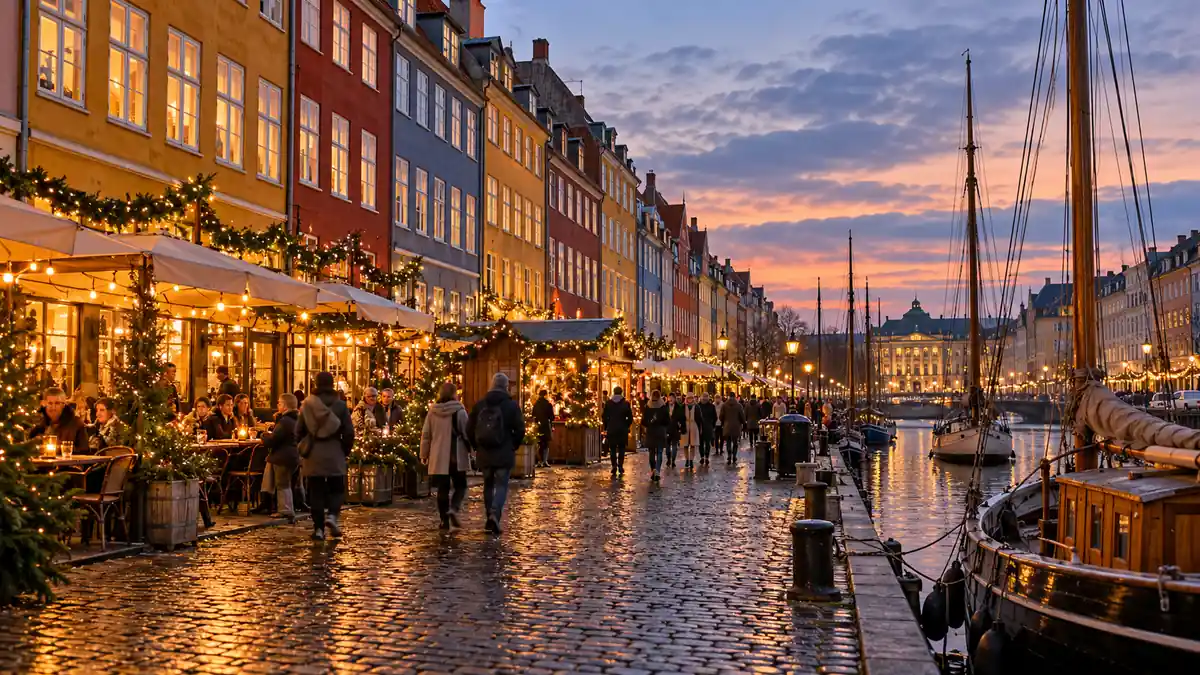
The Christmas season is Copenhagen at its most decorated. Streets, shopfronts and Tivoli are lit up, markets sell gløgg and æbleskiver from late November through December, and the centre is busy at weekends. Rooms cost more in the run-up to Christmas, and the holiday days themselves bring closures. This half is for the traveler who wants Christmas to be the reason for the trip.
Deep winter gives up the decorations and gets something calmer in return. Once the holidays end, the visitor crowds thin, room rates usually drop and the city returns to locals going about a dark, cosy routine of cafés, saunas and long evenings indoors. Choose it if you would happily trade fairy lights for an empty museum and a sauna with a harbour view.
Even a Christmas-minded traveler can be better served by deep winter. If crowds or room prices are what you would resent most, a February trip still gets a lit city (the Light Festival’s installations), plus hygge at full strength and the cold-water culture the Christmas crowds mostly skip.
The Christmas season: Tivoli, the markets and a glass of gløgg
The Christmas half comes down to two experiences: Tivoli’s Christmas season and the markets with gløgg and æbleskiver. Tivoli is on the list for the scale of its lights and the feeling of an old pleasure garden dressed for Christmas. The markets are on it for the food and the warm drink in your gloved hands.
Tivoli runs a Christmas season from mid-November until just after New Year, and it is the most concentrated dose of Christmas in the city. The gardens fill with lights, decorated stalls and a seasonal rink, and the after-dark atmosphere is the reason to go, more than any ride. First-time winter visitors and families get the most from it, as does anyone who would plan a whole trip around one lit-up evening. Tickets, opening hours and season details are in the Tivoli Gardens guide.
The Christmas markets are less about shopping and more about standing outside with something hot. Nyhavn’s waterside stalls and the market inside Tivoli are the familiar examples, open from late November through December. The point of going is a cup of gløgg, the spiced mulled wine, and a tray of æbleskiver, the small round pancake balls of a Danish Christmas. Treat the markets as an evening stop folded into a walk, not a day’s plan: they give you the Christmas mood without a ticketed attraction.
Tours and activities
Book skip-the-line tickets, day trips and local tours with free cancellation on most activities.
You can also browse everything on getyourguide.com.
Tripstou may earn a commission if you book through this link, at no extra cost to you.
Deep winter picks: harbour saunas, the Light Festival and Copenhill
January and February have their own set: a hot sauna followed by a cold harbour dip, the Copenhagen Light Festival in February, and skiing on the roof of Copenhill. Travelers who choose deep winter usually do so for these, because none of them needs Christmas to make sense.
Harbour sauna and a cold dip
A sauna by the harbour with a plunge into cold water is the most Danish thing a winter visitor can do. The idea is simple: heat up in the sauna, cool off in the harbour, then warm up again. The contrast between hot and cold is the whole point.
Options include floating and waterside saunas such as CopenHot and La Banchina, and harbour baths such as Kalvebod Bølge. Set-ups, sessions and seasons vary by venue, so check the one you choose before you go. This pick is for the traveler who wants one story to bring home that no December visitor will have.
Copenhagen Light Festival in February
The Copenhagen Light Festival fills the centre and the harbour with light installations in February, and it is the best reason to choose deep winter over Christmas. The artworks turn the darkest part of the year into the point of the visit: you walk from piece to piece after nightfall, so the short days stop being a limitation.
It works well as a free-form evening walk between dinner and a bar, and it pairs naturally with a sauna afternoon. Art lovers and city walkers get the most from it, and so does anyone who wants a lit Copenhagen without the Christmas crowds.
Skiing on Copenhill
Copenhill is a waste-to-energy plant with an urban ski slope on its roof, and skiing down it with the city spread below is a novelty you cannot repeat elsewhere. It suits families and anyone curious, and non-skiers can still go up for the view.
Picks that work all winter: skating, hygge and seasonal food
Whichever half you choose, three things carry the trip: seasonal ice rinks, indoor hygge in museums, libraries and cafés, and the seasonal bakes. They are what fills a short winter day around the headline picks.
Seasonal ice rinks
Copenhagen sets up outdoor rinks for the cold months, and an hour on the ice is an easy, low-commitment winter activity. Examples include Broens Skøjtebane by Inderhavnsbroen, the rink at Frederiksberg Runddel and Tivoli’s rink during its Christmas season. Each venue runs its own season, so check before planning around one. For families and couples it is a lighthearted hour outdoors, best placed inside the daylight window.
Hygge indoors: museums, libraries, cafés and food halls
Hygge, the Danish idea of cosiness built on candles, hot drinks and unhurried company, is what winter Copenhagen does best. The city’s interiors are designed for long dark afternoons, so the indoor plan is part of the trip, not a fallback.
- A museum on a grey afternoon: the right choice when rain or wind ends the outdoor part of the day early.
- A library reading room: a quiet, warm stop for travelers who like architecture and stillness more than exhibits.
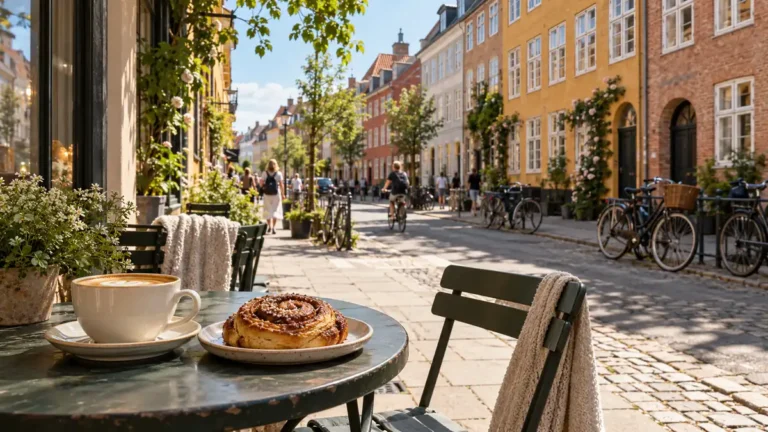
- A café with candles in the window: the classic hygge hour, for anyone who wants to slow the trip down.
- Torvehallerne food halls: a covered market for grazing and warming up, suited to food-led travelers.
Seasonal food is the other half of hygge. Gløgg and æbleskiver belong to the Christmas weeks, while late winter brings fastelavnsboller, the filled buns bakeries sell in the run-up to Fastelavn, Denmark’s carnival. A deep-winter trip that times a bakery stop for them gets a taste the Christmas visitor misses.
What is open in Copenhagen in winter, and what closes?
Almost everything indoor runs all winter in Copenhagen. The main exception is Tivoli, which closes after the Christmas holidays and usually stays shut until spring. Expect closures over Christmas Eve, Christmas Day and New Year’s Day, and a reduced winter service on canal cruises.
The all-season sights still earn a place, some more easily than others:
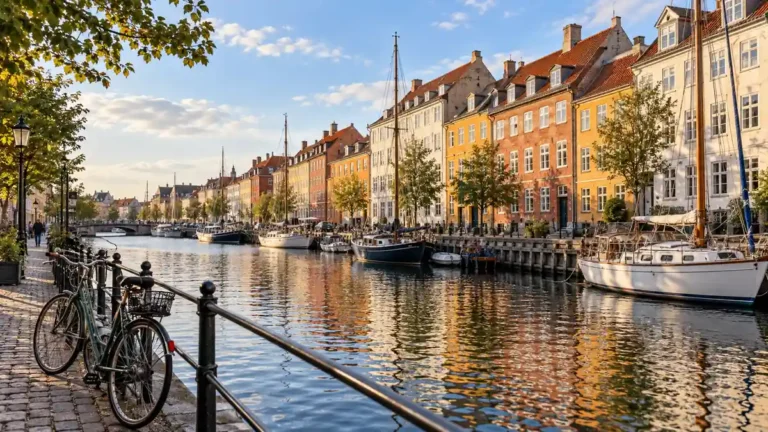
- Nyhavn is at its most atmospheric after dark, and works best as a short walk in the cold.
- Rosenborg Castle is an indoor visit, so the weather barely matters.
- Christiansborg gives you palace interiors to fill a dark afternoon.
- The harbour baths are for winter bathers, not lounging, and which ones run in the cold months is worth checking first.
- Christiania suits a short daytime walk in winter more than a long linger.
The full all-season list, with what each sight is for, is in things to do in Copenhagen. For Tivoli, plan around the season: if your dates fall in January or February, it is not part of the trip.
What to wear in Copenhagen in winter
Dress for wind and damp, not deep cold. A windproof, waterproof outer layer over warm layers matters more than a heavy expedition coat, together with waterproof shoes, a hat, gloves and a scarf. Ice grips are optional.
- Windproof, waterproof jacket: the harbour wind is what chills you, and drizzle is common.
- Thin warm layers underneath: easy to shed in overheated museums and cafés.
- Waterproof shoes with grip: pavements stay wet, and cobbles turn slick.
- Hat that covers the ears: the wind finds bare heads first.
- Gloves and a scarf: essential for evening market stops and Light Festival walks.
- Swimsuit and a quick-dry towel: if a harbour sauna is on the plan.
- Ice grips: worth packing only in a cold snap, since snow and ice rarely last.
Walking works well in winter if you dress for it. Cycling like a local is possible, but headwinds along the harbour make it hard work for a visitor. Skip the expedition gear: Copenhagen’s cold is wet and windy, not arctic.
How We Checked This
This page is a curated selection of winter experiences in Copenhagen, chosen for how well each fits the season and the half of winter you visit; it is not a city guide, an itinerary, a Tivoli guide or a Christmas-market guide.
The temperatures and season windows were checked against the sources below by Alex Perrut, working in tourism since 2015, for the Tripstou editorial team. The page was written with AI assistance, and our editorial process sets out the steps.
Official sources consulted: Visit Copenhagen, Tivoli Gardens, Copenhagen Light Festival.
Did this guide save you time or money? Tripstou is independent and reader-funded — if you'd like to give something back, you can support the site with a crypto contribution of any size.