Three days is the right length for a first visit to Copenhagen, and one central base covers all three nights. Day 1 is a walking loop through the royal centre. Day 2 crosses the harbour to Christianshavn and ends with Tivoli or a neighbourhood evening. Day 3 rides the coastal train to Kronborg in Helsingør, or stays in the city at a slower pace. The route suits a first-time visitor who wants the classic centre plus one castle-or-coast day; what it gives up is a second full neighbourhood, Nørrebro or Vesterbro, unless day 3 stays in town.
The route comes first in one table, then each day in turn, then the two calendar traps that decide which day goes where, and finally how to shorten the plan to two days or stretch it to four.
On This Page
Is three days enough for Copenhagen?
Three days is enough for a first visit to Copenhagen. The centre is compact, so three full days cover the royal quarter, the harbour side and one day out of town without rushing any of them. It is not enough for a slow traveler who wants two neighbourhoods explored properly and a day trip on top; that visitor needs a fourth day.
The third day is where the plan pivots. The first two days are close to fixed, because the royal centre and Christianshavn are the parts of the city almost every first visit wants. Day 3 is a genuine choice between a castle on the coast and a second neighbourhood at street level, and most people can only have one of them in three days.
Choosing the coast means seeing Kronborg and the Øresund shoreline at the cost of Nørrebro or Vesterbro. Choosing the city means a slower day among locals and no castle. Neither is wrong. The section on day 3 sets out when each wins.
Questions this route deliberately leaves aside — when to go, how much the trip costs and how to arrive — sit in the broader Copenhagen planning guide, which this itinerary builds on.
The route at a glance: centre, harbour, then the coast
The three days run centre, harbour, coast, and each day stays inside one part of the map so no time goes into crossing the city twice.
| Day | Area | Anchor stops, in order | Evening |
|---|---|---|---|
| Day 1 | Royal centre | Nyhavn, Amalienborg, Kastellet and the Little Mermaid, Rosenborg, Round Tower | Old-town streets near the Round Tower |
| Day 2 | Christianshavn, then central | Christianshavn canals, Church of Our Saviour, Christiania | Tivoli, or Nørrebro or Vesterbro when it is closed |
| Day 3, coast | North coast | Kronborg in Helsingør; Louisiana at Humlebæk on the way back (optional) | Back in the city |
| Day 3, city | Nørrebro or Vesterbro | National Museum, Torvehallerne or a canal tour | The same neighbourhood |
Day 3 has two rows because it is the one real choice on the route; the day 3 section decides between them.
One base, and most of the route on foot
Keep one central base for all three nights and plan to walk most of each day. The metro and the harbour buses stitch the areas together, and a bike is an option, never a requirement.
Moving hotels on a three-night stay costs half a morning and buys nothing. Copenhagen’s centre is small enough that every day on this route ends on the same side of town where it started, so a single base close to the old town or the harbour keeps each evening a short walk from bed. The guide to where to stay in Copenhagen compares the areas that work for this route.
Movement on this route comes in three modes:
- Walking carries most of Day 1 and the Christianshavn half of Day 2.
- The metro and the harbour bus cover the two or three longer hops, and the coastal train handles day 3.
- A bike makes the neighbourhood version of day 3 faster, if you are comfortable in heavy cycle traffic.
Pacing follows the weather. On a wet or dark day, put the indoor stops (Rosenborg, the Round Tower, the National Museum) first and leave the walking for whatever light is left. Fares, the airport run and how the network fits together are covered in the guide to getting around Copenhagen.
Hotels and places to stay
Compare hotels, apartments and stays for your dates in one search.
Search hotels and stays on hotels.com →
Tripstou may earn a commission if you book through this link, at no extra cost to you.
Day 1: the royal centre in one loop, Nyhavn to Rosenborg
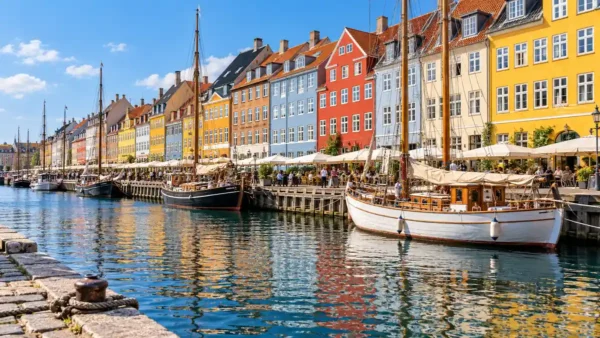
Day 1 is a single walking loop through the royal centre: Nyhavn, Amalienborg, Kastellet and the Little Mermaid, Rosenborg in the King’s Garden, then the Round Tower. It comes first because it orients you on foot and asks for no transport decisions on the day you arrive.
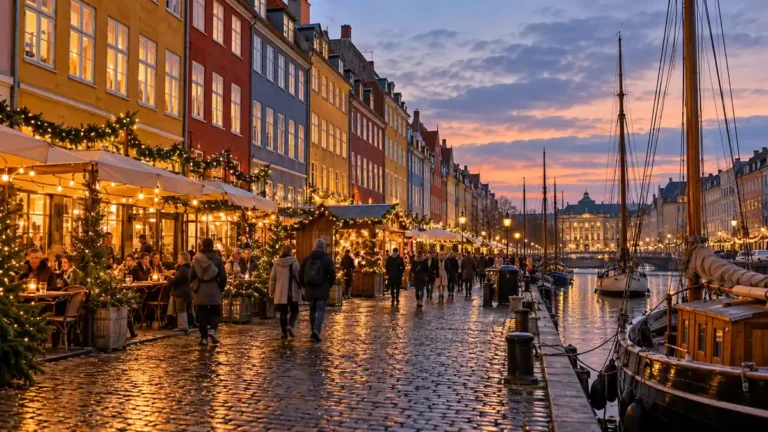
Start at the water. Nyhavn is the obvious opening because it fixes the harbour in your mental map before anything else, and from there it is a short walk north to Amalienborg, where the royal palace square shows how the city was planned around its monarchy. Keep going along the waterfront to Kastellet, the star-shaped fortress, and the Little Mermaid just beyond it; this is the stretch where most people decide whether they like walking in Copenhagen, and most do.
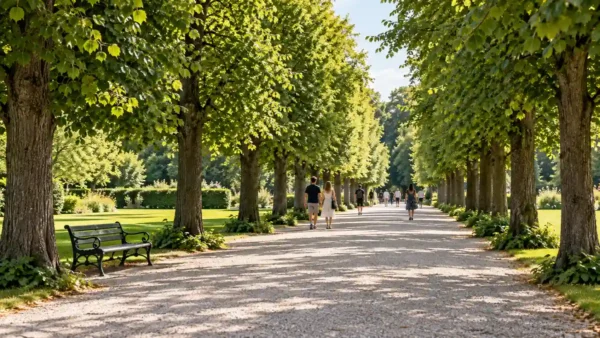
Turn inland at midday. Rosenborg sits inside the King’s Garden, which makes it the natural lunch-and-castle stop of the loop, and it is the one place on Day 1 worth booking ahead in peak season. In late autumn it also closes on Mondays, which is why the Monday rule below can flip Day 1 and Day 2. End the afternoon at the Round Tower, a few streets south, where the climb gives a view back over everything you just walked.
Day 1 is the easiest to adapt for anyone who arrives tired or late, because every stop is outside or close to one. The loop’s order matters more than its stops: Rosenborg in the middle protects the castle visit from the midday crowds at Nyhavn. For what each of these sights holds inside, and the ones this loop skips, see the guide to things to do in Copenhagen.
Tours and activities
Book skip-the-line tickets, day trips and local tours with free cancellation on most activities.
You can also browse everything on getyourguide.com.
Tripstou may earn a commission if you book through this link, at no extra cost to you.
Day 2: across the harbour, then Tivoli or a neighbourhood evening
Day 2 crosses the harbour for Christianshavn, the Church of Our Saviour and Christiania, then returns for an evening at Tivoli when its season is open, or in Nørrebro or Vesterbro when it is not. The harbour side fills a morning and early afternoon well; a full day there runs out of reasons before it runs out of hours.
Christianshavn and Christiania take the morning
Christianshavn deserves a half day because its three anchors sit within a short walk of each other. Cross on foot or take the harbour bus from the centre; either way you arrive among canals that make the district feel like a smaller, quieter version of the city.
Make the Church of Our Saviour the first stop, while the canal streets around it are still quiet. Christiania, the self-governing freetown next door, closes the morning as a walk through a very different Copenhagen. By early afternoon you are back across the water with the rest of the day free.
Tivoli is an evening slot, when its season is open
Tivoli belongs at the end of Day 2 because it is in the middle of the city and at its best after dark, when the gardens are lit. It opens in seasons with short closed gaps between them, so check its calendar before building an evening around it.
When Tivoli is closed, spend the evening in Nørrebro or Vesterbro instead. Both are a short metro or bike ride from the centre and show the city as residents use it. The Tivoli evening and the neighbourhood evening trade the same hours, which is why the swap costs nothing elsewhere on the route.
Should day 3 leave the city?
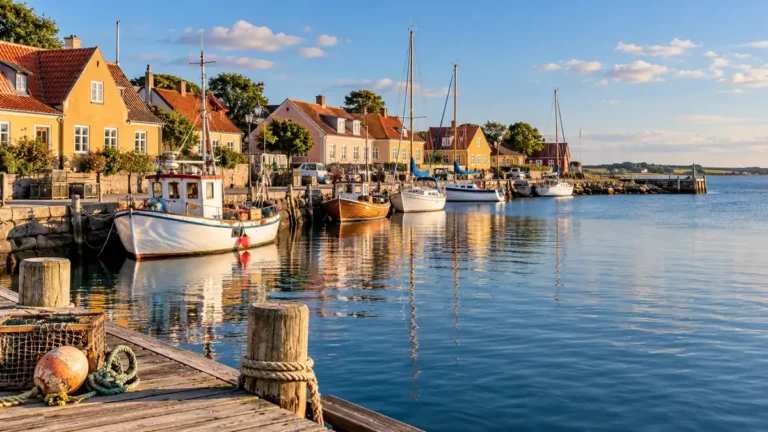
Yes, for most first visits: take the coastal train to Helsingør for Kronborg, with Louisiana at Humlebæk as an optional stop on the same line. It is the one day trip from Copenhagen that fits a single day without an early start. Stay in the city instead when day 3 falls on a Monday, when the weather is poor, or when a second neighbourhood matters more to you than a castle.
- The coast day. Trains leave Copenhagen Central for Helsingør several times an hour and take roughly 40 to 50 minutes. Kronborg is about a 10-minute walk from Helsingør station, and Louisiana sits near Humlebæk station on the same line, so it slots in on the way back without a detour. Kronborg is closed on Mondays outside the main season, and Louisiana is closed on Mondays. Choose it for a castle on the Øresund and an afternoon of art by the sea.
- The city day. Spend the day in Nørrebro or Vesterbro, anchored by the National Museum, Torvehallerne food market or a canal tour. It runs at walking pace with long stops and no timetable, and it suits the visitor who would sooner know one neighbourhood well than tick off one more landmark.
Three conditions send you to the city day. If day 3 is a Monday, Louisiana is shut and Kronborg may be too, so the coast loses its two reasons. If rain or short winter light set in, a train ride and an exposed castle courtyard lose most of their value. And if Nørrebro or Vesterbro was the part of Copenhagen you came for, Kronborg will feel like an obligation.
Roskilde, Malmö, Frederiksborg and Møns Klint are also reachable in a day, and they are compared in the guide to day trips from Copenhagen. On a three-day trip, the coastal line wins because one train line serves both stops, and the ride does not eat into the morning.
Which day to move when a Monday or a Tivoli gap falls in your dates
Never schedule Louisiana on a Monday, nor Rosenborg in late autumn or Kronborg outside the main season, and never build an evening around Tivoli without checking its calendar. The fix is a swap: when Monday is your first day and Rosenborg is shut, run Day 2 first and Day 1 second; when Monday is your third day, keep day 3 in the city.
- Rosenborg closes on Mondays in late autumn and keeps shorter hours in those weeks. A Monday arrival then makes the harbour day your opener.
- Louisiana is closed on Mondays. A Monday day 3 turns the coast day into the city day.
- Kronborg is closed on Mondays outside the main season. In winter and in November, treat a Monday day 3 as a city day.
- Tivoli has short closed gaps between its seasons. If your Day 2 evening lands in one, Nørrebro or Vesterbro takes the slot.
The Day 1 and Day 2 swap works because Christianshavn has no Monday trap on this route, so moving it forward costs nothing.
With two days or four, what to cut first and what to add first
With two days, drop day 3 and fold the harbour morning into the afternoon of Day 1. With four, keep day 3 in the city and make the coast day your fourth. In winter, shorten every day, move the indoor sights to the front and treat Tivoli as a Christmas-season bonus when its calendar shows it open.
Two days: cut the coast, keep the loop and the harbour
Two days is enough for the centre and Christianshavn, not for the coast. Walk the royal loop on Day 1 but stop after Rosenborg, then cross the harbour for the Church of Our Saviour and Christiania in the late afternoon. Day 2 becomes the Round Tower, a canal tour and the Tivoli or neighbourhood evening.
Kronborg is what goes first, because it costs most of a day for one stop. Two days in the city beats one in the city and one on a train.
Four days: the city day and the castle day both fit
A fourth day removes the route’s only real trade-off. Days 1 and 2 stay as they are, day 3 becomes the neighbourhood day in Nørrebro or Vesterbro, and day 4 goes to Kronborg and Louisiana on the coastal line.
Putting the coast last also gives you a Monday buffer: if day 4 lands on one, swap it with day 3 and nothing is lost.
Winter: shorter days, indoor sights first
Winter keeps the same route on a tighter clock. Daylight is short, so start each day with the indoor anchors (Rosenborg on Day 1, the National Museum if day 3 stays in the city) and save the outdoor walking for the brightest hours.
The coast day works in winter only on a dry day that is not a Monday, because Kronborg’s courtyard and the walk from the station are exposed. Tivoli opens again for a Christmas season; check its calendar, and if it is open, it is the best winter evening on the route.
How This Route Was Checked
This page plans one three-day Copenhagen route, covering the order of the days, how to pace them, the choice for day 3 and how to stretch or shorten it; it is not a list of things to do, a hotel guide, a transport guide or a comparison of day trips.
Alex Perrut, working in tourism since 2015, went over this itinerary for the Tripstou editorial team after it was written with AI assistance. How that works is set out in our editorial process.
Official sources consulted: Kronborg Castle, VisitCopenhagen, The Royal Danish Collection, Louisiana Museum of Modern Art, Tivoli Gardens.
Two Questions Before You Book
How much walking is a 3-day Copenhagen itinerary?
Expect to be on your feet for most of Days 1 and 2, with the metro or harbour bus taking only the two or three longer hops. Day 3 is the lightest if you take the coast: the train does the distance, and Kronborg is about a 10-minute walk from Helsingør station. To cut the walking on the city days, take the harbour bus across to Christianshavn and back, or rent a bike for the neighbourhood evening.
Is the Copenhagen Card worth it for three days?
It is worth it on the sight-dense version of this route and rarely on the slow, neighbourhood-led one. The card runs on consecutive hours from activation, not calendar days, and the Discover version adds public transport across the Capital Region, so it rewards three days packed with paid entries and the coast train; the HOP version carries no transport. Before buying, check that the sights you actually plan — Rosenborg, Kronborg, Louisiana — are on its current list.
Did this guide save you time or money? Tripstou is independent and reader-funded — if you'd like to give something back, you can support the site with a crypto contribution of any size.