

The cost of travel in Europe is highly relative, depending less on the continent itself and more on the strategic choices you make about location, pace, and travel style. This Europe Travel Budget guide serves as the central reference for cost planning across Europe trips, helping you set realistic daily ranges and align your spending with how you actually travel. We break down true, per-person daily budgets in Euros—by travel style—so you understand what Europe really costs on the ground, not in theory. For the full planning framework that connects timing, routes, and spending, start with our Europe Travel Guide.
At a glance (fast summary)
- Biggest Cost Drivers: Accommodation and inter-city transport are the primary budget levers.
- Best Value Window: Central and Eastern Europe offer the highest cultural return for your Euro.
- Fastest Way to Choose: Your accommodation preference (hostel, mid-range hotel, luxury) will instantly define your budget tier.
- Reality Check: Daily ranges are for *in-country* expenses and do not include flights to and from Europe.
- City Premium: Expect major capitals like Paris or Zurich to cost 30–50% more than smaller towns.
- Budget Flexibility: Always allocate a 15% buffer for unexpected costs and spontaneous experiences.
Table of Contents
- 1. The 30-second budget picker (choose your travel style)
- 2. Daily budget ranges (by travel style)
- 3. What actually drives costs in Europe (the real levers)
- 4. City vs countryside: how to adjust your daily budget
- 5. Peak vs Shoulder vs Low: budget impact without hard promises
- 6. A realistic “day cost breakdown” (by tier)
- 7. Money-saving moves that don’t ruin the trip
- 8. Budget mistakes to avoid
- 9. FAQ
- 10. What to read next (curated internal hub)
1. The 30-second budget picker (choose your travel style)
Your budget is a reflection of your travel philosophy. Choose the tier that best describes your non-negotiables:
- Choose Shoestring if… your primary goal is maximum duration and you are comfortable with shared accommodation, self-catering, and local transport. (Reference: Tirana, Sofia)
- Choose Budget if… you seek a balance between cost and comfort, prioritizing private rooms in hostels or budget hotels, and eating out occasionally. (Reference: Budapest, Prague)
- Choose Mid-range if… you prioritize comfort, convenience, and time, opting for well-located hotels, faster transport, and dining out most evenings. (Reference: Vienna, Barcelona)
- Choose Comfort/Splurge if… you prioritize luxury, unique experiences, and convenience, with high-end hotels, premium dining, and minimal budget constraints. (Reference: Paris, Copenhagen)
Looking for the best hotel or flight deals?
Plan your trip with ease using the Expedia search tool below. From charming boutique hotels to luxury resorts, this widget helps you compare top options in seconds — flights included!
2. Daily budget ranges (by travel style)
These ranges are per person, per day, and represent typical in-country spending. On travel days (moving cities/countries), costs can spike because you pay both transport and accommodation logistics.
- Shoestring (€40–€70):
- Accommodation: Hostel dorms, occasional camping.
- Food: Supermarket groceries, street food, self-catering.
- Transport: Walking, local buses, long-distance budget buses.
- Attractions: Free walking tours, public parks, free museums.
- Budget (€70–€120):
- Accommodation: Private hostel rooms, budget guesthouses.
- Food: Mix of self-catering and affordable local restaurants (lunch deals).
- Transport: Local public transport, occasional train/bus travel.
- Attractions: 1–2 paid attractions per week.
- Mid-range (€120–€200):
- Accommodation: Well-rated 3-star hotels, Airbnbs.
- Food: Daily restaurant meals, occasional fine dining.
- Transport: High-speed trains, occasional short-haul flights.
- Attractions: Daily paid attractions, occasional guided tours.
- Comfort/Splurge (€200+):
- Accommodation: 4–5 star hotels, boutique stays.
- Food: Fine dining, premium experiences.
- Transport: First-class trains, frequent flights, private transfers.
- Attractions: Exclusive tours, private guides, high-cost experiences.
Worried about landing with no signal? Get an Airalo eSIM for your trip — trusted by 20M+ travelers with coverage in 200+ destinations, often cheaper than roaming.
3. What actually drives costs in Europe (the real levers)

Understanding these levers allows you to strategically adjust your spending without sacrificing the quality of your trip.
- Location (Cities vs smaller towns): The cost of a coffee or a room can double simply by moving from a regional town to a capital city. Choosing smaller bases (e.g., Ljubljana over Vienna) is the most effective cost-saving measure.
- Seasonality (Peak vs Shoulder vs Winter): The cost of accommodation is the most volatile, spiking significantly in July and August. Traveling in the Shoulder Seasons (May or September) can save 20–40% on lodging.
- Pace (Too many bases = higher spend): Every time you move, you incur a cost (transport, lost time, transfer fees). Slow travel (spending 4+ nights in one base) drastically reduces transport costs.
- Accommodation Standards: This is the single largest variable. Moving from a hostel to a mid-range hotel can add €50–€100 per day to your budget.
- Transport Choices: The strategic traveler selects the mode that minimizes friction for the specific distance and budget. For a detailed decision guide, see our Getting Around Europe spoke.
4. City vs countryside: how to adjust your daily budget

The “City Premium” is real across Europe. Major cities concentrate demand, convenience, and headline attractions — which pushes prices up. To keep your daily budget stable, you need to rebalance spending as you move between urban centers and smaller bases.
- Capitals and Primary Cities: Expect to spend 30–50% more on accommodation and dining than the national average. This premium buys location, transport efficiency, and access to flagship sights. (Examples: London, Rome, Amsterdam)
- Regional Cities and Towns: Costs usually sit much closer to the national average, especially for hotels and restaurants. A Mid-range budget in a capital can often feel like a Comfort budget in a regional hub, with fewer crowds and slower pacing. (Examples at country level: Spain, Italy)
Budget strategy: Many travelers balance costs by limiting time in capitals and using smaller cities or towns as longer bases. This approach reduces accommodation spend without cutting experiences — especially when combined with a slower, fewer-bases route.
5. Peak vs Shoulder vs Low: budget impact without hard promises
Seasonality in Europe mainly impacts accommodation and flights. Day-to-day costs like food, local transport, and basic attractions tend to fluctuate less — but timing still shapes overall value.
- Peak Season (Summer): The most expensive period, driven by accommodation demand. Early planning helps, but popular capitals and coastal hotspots still carry a noticeable premium.
- Shoulder Seasons (Spring & Autumn): The strongest value window for most travelers. You get generally pleasant weather, manageable crowds, and accommodation prices that are often 20–40% lower than peak summer.
- Low Season (Winter): The cheapest time for lodging and flights, especially in cities. Daily costs stay similar, but shorter days and seasonal closures can affect sightseeing pace.
If timing is a key part of your budget strategy, see how weather, crowds, and prices interact month by month in our best time to visit Europe guide.
6. A realistic “day cost breakdown” (by tier)
This is a conceptual snapshot of how a typical day’s budget is distributed at each travel style. Think of it as a planning lens — real costs fluctuate based on city choice, season, and travel pace.
Shoestring (€55/day average)
- Stay: €25 (hostel dorm or very basic guesthouse)
- Food: €20 (supermarkets, bakeries, street food)
- Local transport: €5 (walking + occasional day pass)
- Attractions / misc: €5 (free sights, parks, donation-based tours)
Budget (€95/day average)
- Stay: €45 (budget hotel or private hostel room)
- Food: €30 (mix of casual meals and self-catering)
- Local transport: €8 (metro / bus day pass)
- Attractions / misc: €12 (one paid sight or small tour)
Mid-range (€160/day average)
- Stay: €80 (well-rated 3★ hotel or Airbnb)
- Food: €50 (two restaurant meals + light breakfast)
- Local transport: €10 (metro, tram, short rides)
- Attractions / misc: €20 (museum entry or guided activity)
Comfort / Splurge (€250+/day average)
- Stay: €120+ (4★–5★ hotels or boutique stays)
- Food: €80+ (fine dining and premium experiences)
- Local transport: €15 (taxis or premium transport)
- Attractions / misc: €35+ (private tours, exclusive experiences)
How to use this: These daily snapshots make the most sense when applied to a realistic route and pace. To see how costs change across multi-city trips, compare them against our best Europe itineraries, built around 7, 10, and 14-day timelines.
Want to save on train tickets? Search routes and compare prices on Omio — and check for available discounts or referral credit when you book (offers can vary by location/account).
7. Money-saving moves that don’t ruin the trip
- Prioritize Free Attractions: Europe’s best sights are often its public spaces, parks, and architecture.
- Use Local Transport Passes: Day or week passes for city transport are almost always cheaper than single tickets.
- Cook Your Own Breakfast: Even a mid-range hotel stay can benefit from self-catering breakfast, saving €10–€20 per person daily.
- Travel Slower: Reduce the number of inter-city moves to save on transport costs and maximize time in one place.
- Pack Light: Avoid budget airline baggage fees by traveling with only a carry-on.
8. Budget mistakes to avoid

- The “One-Night Stand” Trap: Booking too many one-night stays is inefficient and adds unnecessary transport costs.
- Ignoring the Airport Cost: Budget flights are cheap, but the cost and time of getting to and from remote airports can negate the savings.
- Paying Peak Premiums: Booking accommodation last-minute in July or August guarantees the highest prices.
- Over-relying on Taxis: Taxis and ride-shares are expensive. Europe’s public transport is world-class and significantly cheaper.
- Currency Conversion Fees: Using your home bank card for every small purchase incurs unnecessary foreign transaction fees. Use a travel-friendly card.
9. FAQ
How much does it cost to travel Europe per day?
Daily costs in Europe vary by travel style, destination, and pace, but most travelers spend within a predictable range based on how they move, sleep, and eat.
Is Europe expensive for budget travelers?
Europe can be affordable for budget travelers who choose lower-cost regions, use public transport, and adjust accommodation and dining choices.
What is the average daily budget for mid-range travel in Europe?
Mid-range travelers typically spend more than budget travelers by prioritizing private accommodations, faster transport, and regular dining out.
Which parts of Europe are cheapest to travel?
Southern and Eastern Europe generally offer lower daily travel costs compared to Northern and Western Europe.
Can you travel Europe on a fixed daily budget?
Yes, many travelers plan Europe trips successfully by setting daily budget ranges and adjusting destinations and pace to stay within them.
10. What to read next (curated internal hub)
Start with the Hub
Core Europe Planning Clusters
- Packing for Europe (carry-on logic and seasons)
- Money in Europe Money in Europe (cards vs cash, ATMs & tipping)
- Connectivity in Europe (eSIM vs SIM and coverage)
- Europe Safety Tips (scams, pickpockets and smart habits)
- Getting Around Europe (trains, flights and friction)
- Best Europe Itineraries and Routes
- Where to Stay in Europe (accommodation logic, hotel vs Airbnb & neighborhood strategy)
- Best time to visit Europe (weather, crowds & prices)
Pick a Country (Value vs. Premium)
- France travel guide (Premium example)
- Germany travel guide (Mid-range example)
- Albania travel guide (Value example)
- Greece travel guide (Mediterranean example)
- Scotland travel guide (New example)
- Ukraine travel guide (New example)
- Moldova travel guide (New example)
Pick a Capital City (Cost Comparison)
- Paris travel guide (High cost)
- Vienna travel guide (Mid cost)
- Budapest travel guide (Value cost)
- Copenhagen travel guide (High cost)
- Kyiv travel guide (New example)
- Belgrade travel guide (New example)
- Bratislava travel guide (New example)
Looking for a smarter way to manage your travel money? Wise offers real exchange rates with no hidden fees, making it the perfect companion for international trips.
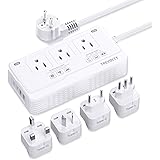
TREVOLTY 2000W Voltage Converter US to Europe for Hair Dryer, 220V to 110V Converter for European Travel with 3 AC 2 USBC 2 USBA Ports, European Travel Plug Adapter with Type C/G/I/L (White)
$36.99 (as of March 6, 2026 15:28 GMT +02:00 - More infoProduct prices and availability are accurate as of the date/time indicated and are subject to change. Any price and availability information displayed on [relevant Amazon Site(s), as applicable] at the time of purchase will apply to the purchase of this product.)
Vogewood Easter Basket-Women Gifts, Bridesmaid Gift, Initial Large Makeup Bag, Travel Essentials, Personalized Cosmetic Bag with Makeup Brush Organizer, Toiletry Bag, Gifts for Female Mom-Girl Gift
$23.99 (as of March 6, 2026 15:28 GMT +02:00 - More infoProduct prices and availability are accurate as of the date/time indicated and are subject to change. Any price and availability information displayed on [relevant Amazon Site(s), as applicable] at the time of purchase will apply to the purchase of this product.)
Viverte Birthday Gifts for 7 8 9 10 11 12 13 Year Old Girls Small Initial Sling Bag Cross Body Bag Fanny Pack for Girls
$16.99 (as of March 6, 2026 15:28 GMT +02:00 - More infoProduct prices and availability are accurate as of the date/time indicated and are subject to change. Any price and availability information displayed on [relevant Amazon Site(s), as applicable] at the time of purchase will apply to the purchase of this product.)
adidas Diablo Small Duffel Bag
(as of March 6, 2026 15:28 GMT +02:00 - More infoProduct prices and availability are accurate as of the date/time indicated and are subject to change. Any price and availability information displayed on [relevant Amazon Site(s), as applicable] at the time of purchase will apply to the purchase of this product.)
Narwey Quilted Makeup Bag for Women Girl, Puffer Travel Cosmetic Bag Puffy Make Up Bag Organizer, Cute Travel Toiletry Bag for Toiletries (Black)
$14.44 (as of March 6, 2026 15:28 GMT +02:00 - More infoProduct prices and availability are accurate as of the date/time indicated and are subject to change. Any price and availability information displayed on [relevant Amazon Site(s), as applicable] at the time of purchase will apply to the purchase of this product.)As an Amazon Associate, we earn from qualifying purchases.

