

Choosing the Best Time to Visit Europe is a strategic decision that shapes your entire experience—how crowded places feel, how comfortable your days are, and how smoothly your route works. Europe is not a single climate zone, and the travel calendar is best understood through three distinct seasons—Peak, Shoulder, and Low—each with clear trade-offs. This guide provides a practical framework to choose the season that matches your travel goals, not just your calendar, and serves as the central timing and seasonality reference for Europe itineraries, country guides, and city planning. Weather and prices vary by year and region, so use this as a strategy guide, not a fixed forecast. For the complete planning system, start with our Europe Travel Guide. To understand the cost impact of timing, consult Europe Travel Budget.
At a glance: fast summary
- Peak Season (Summer) offers the best weather for the widest range of activities but comes with the highest crowds and prices.
- Shoulder Seasons (Spring/Autumn) provide the best balance, with mild weather, moderate crowds, and better value.
- Low Season (Winter) is ideal for budget travelers and those seeking a quiet, local experience—especially in major cities.
- The North vs. South Divide: Northern Europe is best in summer; Southern Europe is best in the shoulder seasons.
- Best All-Around Window: Late May–June and September offer the best mix of good weather and manageable crowds.
- Biggest Risk: Over-scheduling in Peak Season leads to transit fatigue and high costs.
Table of Contents
- 1. Europe isn’t one climate (the regional reality)
- 2. Peak vs Shoulder vs Winter (season trade-offs)
- 3. Peak vs Shoulder vs Winter (season trade-offs)
- 4. The “best window” strategy (without hype)
- 5. How season affects cost (without hard promises)
- 6. How season affects transport & routes
- 7. What to pack (only the logic)
- 8. Mistakes to avoid (Europe timing mistakes)
- 9. FAQ (selected questions)
- 10. What to read next (curated internal hub)
1. Europe isn’t one climate (the regional reality)

The most common planning error is assuming a single “European” weather pattern. The continent spans from the Arctic Circle to the Mediterranean Sea, creating vast differences in temperature and daylight hours. Your choice of region is more important than your choice of month.
- The North (Nordics, Iceland): Defined by extreme daylight variation. Summer offers the Midnight Sun; winter brings short, dark days.
- The South (Mediterranean): Characterized by hot, dry summers and mild, wet winters. The season for swimming and sunbathing is long.
- The Center (Central/Western Europe): Features four distinct seasons. Summer is warm, and winter is cold, often with snow.
- The East (Balkans, Eastern Europe): Often experiences hotter summers and colder winters than Western Europe, offering the best value in the shoulder seasons.
Looking for the best hotel or flight deals?
Plan your trip with ease using the Expedia search tool below. From charming boutique hotels to luxury resorts, this widget helps you compare top options in seconds — flights included!
2. Peak vs Shoulder vs Winter (season trade-offs)

Each season demands a different travel philosophy. The best time is the one that best manages the trade-offs between crowds, weather, and price.
Peak Season (Summer: June–August)
- Crowds: Maximum capacity. Expect long lines at major attractions like the Vatican and high density in cities like Paris.
- Weather: Best for Northern Europe (e.g., Oslo) and coastal activities. Can be uncomfortably hot in the South (e.g., Athens).
- Vibe: High energy, long daylight hours, maximum tourist infrastructure is open.
Shoulder Seasons (Spring/Autumn: April–May & September–October)
- Crowds: Moderate and manageable. Ideal for city-hopping and cultural immersion.
- Weather: Mild and pleasant. Best for walking and outdoor dining. Southern Europe (e.g., Portugal) is still warm; Northern Europe is cool but not cold.
- Vibe: Balanced, excellent value, and a more local feel.
Low Season (Winter: November–March)
- Crowds: Minimal. Major museums (e.g., Berlin) are virtually empty.
- Weather: Cold, short daylight hours. Ideal for indoor cultural activities and winter sports.
- Vibe: Quiet, focused on local life, lowest prices. Excellent for cultural capitals like Vienna.
Worried about landing with no signal? Get an Airalo eSIM for your trip — trusted by 20M+ travelers with coverage in 200+ destinations, often cheaper than roaming.
3. Peak vs Shoulder vs Winter (season trade-offs)
Each season demands a different travel philosophy. The “best time” is the season that matches your priorities: weather comfort, crowd tolerance, budget, and how much route flexibility you want.
Peak Season (Summer: June–August)
- Best for: Northern Europe, long daylight hours, festivals, beaches, and big summer energy.
- Crowds: Maximum capacity. Expect long lines at major attractions like the Vatican and high density in cities like Paris.
- Weather: Excellent for the North (e.g., Oslo) and coastal routes, but can be uncomfortably hot in the Mediterranean (e.g., Athens).
- Pricing: Highest costs for accommodation and transport, especially in coastal areas and famous capitals.
- Strategy: Book major stays and tickets early, reduce city-hopping, and avoid stacking too many travel days.
Shoulder Seasons (Spring and Autumn: April–May and September–October)
- Best for: First-time Europe trips, city-hopping, and multi-country routes with lower friction.
- Crowds: Moderate and manageable. You still get lively cities without constant peak-season pressure.
- Weather: Mild and comfortable for walking, museums, and outdoor dining. Southern Europe (e.g., Portugal) stays warm; Northern Europe is cooler but not harsh.
- Pricing: Better value, especially for accommodation, while most attractions and services are still running normally.
- Strategy: Build corridor-style routes (train-friendly), keep 1–2 flexible days, and prioritize regions that match the season.
Planning a multi-country route? Use Best Europe Itineraries and Routes to choose a corridor versus long-jump itinerary shape and avoid over-scheduling in peak season.
Low Season (Winter: November–March)
- Best for: Budget-focused travelers, museum-heavy trips, and a quieter local feel in major cities.
- Crowds: Minimal outside holiday weeks. Major museums (e.g., Berlin) can feel almost empty.
- Weather: Cold with short daylight hours in the North and Center. Best for indoor culture, cozy city breaks, and winter sports.
- Pricing: Often the lowest prices for accommodation and flights, especially in big capitals like Vienna.
- Strategy: Avoid fragile, complex routes. Keep travel days simple, plan fewer long-distance jumps, and expect seasonal closures in islands and mountain regions.
Bottom line: The smartest timing strategy is region-first. Next, we’ll translate this into a practical chooser: which regions perform best in which months.
4. The “best window” strategy (without hype)
For the first-time traveler seeking the best overall experience (weather comfort, manageable crowds, and solid value), two windows consistently outperform the rest:
- Late May to Mid-June: Warm days, long daylight, and most seasonal attractions are fully running, but peak crowds and prices have not reached full intensity yet.
Best for: multi-country city corridors (train-friendly) plus a few coastal days. - September: The summer crowds drop sharply while the weather stays warm, especially in the South. The sea is often at its warmest and cities feel more relaxed.
Best for: Mediterranean trips that mix sightseeing and beaches without extreme heat.
Quick style logic: May and early June are ideal for cities and movement; September is ideal for South Europe comfort (warm water, lower crowds). If Northern Europe is your priority, summer is still the safest bet for maximum daylight and outdoor access.
These windows are ideal for multi-country routes and offer the highest return on investment for the strategic traveler.
5. How season affects cost (without hard promises)

Seasonality is one of the biggest levers in your Europe Travel Budget. The cost of daily expenses (food, local transport) remains relatively stable, but two categories are highly volatile:
- Accommodation: Prices can double or triple in Peak Season compared to Low Season, especially in coastal areas and major capitals.
- Flights: Inter-European flights and flights to Europe are significantly more expensive in July and August.
6. How season affects transport and routes
Your choice of season directly impacts your mobility. For a full guide on movement, see our Getting Around Europe spoke.
To avoid peak-season price spikes and fee traps, compare true transport costs alongside accommodation using Europe Travel Budget.
- Peak Season friction: Trains and flights book out early, leading to less flexibility and higher prices. Weather delays are usually less common than in winter, but “sold out” is the real problem.
- Low Season closures: Ferries to smaller islands (e.g., in Greece) may run on reduced schedules or stop entirely. Mountain passes and remote roads may close due to snow.
- Winter delays: Snow and ice can cause major disruption in Northern and Central Europe, impacting both flight reliability and rail schedules.
Want to save on train tickets? Search routes and compare prices on Omio — and check for available discounts or referral credit when you book (offers can vary by location/account).
7. What to pack (only the logic)
The logic of packing is dictated by the season and region you choose:
- Layers are Non-Negotiable: Even in summer, evenings can be cool, especially in the North.
- Rain Gear: Essential for the Shoulder Seasons and the Atlantic Edge (e.g., Dublin) year-round.
- Footwear: Prioritize comfortable, waterproof walking shoes.
- Sun Protection: Essential for the Mediterranean South from May to September.
For the complete Europe planning system (timing, routes, and budget), start with the Europe Travel Guide.
8. Mistakes to avoid (Europe timing mistakes)
- Mixing North and South in One Trip: Trying to do Reykjavik and Rome in the same week in October is a climate mismatch.
- Ignoring School Holidays: European school holidays (late July/August) drive up crowds and prices as much as international tourism.
- Overbuilding Long-Distance Routes in Winter: The risk of weather-related delays makes complex, multi-city winter itineraries highly fragile.
- Underestimating Heat: Southern Europe in August is not sightseeing weather; it is beach weather.
- Ignoring Daylight Hours: Planning a winter trip to Stockholm without acknowledging the short daylight will limit outdoor activities.
9. FAQ (selected questions)
Q: What’s the best time to visit Europe for first-timers?
A: Late May to June and September are the easiest “smart choice” windows, balancing good weather, manageable crowds, and strong overall value.
Q: Is Europe cheaper in winter?
A: Yes. Accommodation and flights are often significantly cheaper in the Low Season (Nov–Mar), making winter ideal for budget travelers focused on city culture.
Q: When is Europe cheapest without feeling “closed”?
A: March to early April and November usually offer strong value while most cities still feel active. Coastal and island areas can be quieter, so go region-first.
Q: What month has the fewest crowds?
A: January and February typically have the fewest crowds outside of major holiday weeks.
Q: Is April a good time for Europe?
A: April is a shoulder-season month with good value and improving weather, but it can be unpredictable in Central and Northern Europe.
Q: Is September better than August?
A: For most of Europe, yes. The weather is still warm, the sea is often warmer, and crowds drop significantly compared to August.
Q: What’s the best time for Christmas markets?
A: Late November to December is prime season, especially in Central Europe (think Germany and Austria) when markets are fully running.
Q: What’s the best time to see the northern lights in Europe?
A: Winter is the best window (roughly late autumn to early spring) in Northern regions like Iceland and Scandinavia, when nights are longest.
Q: When should I avoid Europe completely?
A: If you dislike crowds and high prices, avoid peak school holiday weeks (late July and August) in the most popular cities and beach regions.
Q: How does season change train and flight prices?
A: Peak season sells out earlier and raises prices across trains, flights, and accommodation.
Q: Where is warm in Europe in winter?
A: The Canary Islands (Spain) and the far south of Portugal (Algarve) offer the warmest, most reliable winter weather.
Q: How many countries in 2 weeks without rushing?
A: The strategic maximum is 3 countries, ideally grouped in one geographic corridor (e.g., Vienna, Prague, Budapest).
10. What to read next (curated internal hub)
Start with the Hub
Core Europe Planning Clusters
- Packing for Europe (carry-on logic and seasons)
- Money in Europe Money in Europe (cards vs cash, ATMs & tipping)
- Connectivity in Europe (eSIM vs SIM and coverage)
- Europe Safety Tips (scams, pickpockets and smart habits)
- Getting Around Europe (trains, flights and friction)
- Best Europe Itineraries and Routes
- Where to Stay in Europe (accommodation logic, hotel vs Airbnb & neighborhood strategy)
- Europe Travel Budget (real cost logic)
Pick a Country (Seasonal Examples)
🇪🇺 Western Europe Countries
- France Travel Guide
- Spain Travel Guide
- Portugal Travel Guide
- Netherlands Travel Guide
- Belgium Travel Guide
- Luxembourg Travel Guide
- Ireland Travel Guide
- England Travel Guide
🇪🇺 Southern Europe & Balkans Countries
- Italy Travel Guide
- Greece Travel Guide
- Croatia Travel Guide
- Montenegro Travel Guide
- Albania Travel Guide
- Malta Travel Guide
- Bosnia and Herzegovina Travel Guide
- Serbia Travel Guide
- North Macedonia Travel Guide
- Kosovo Travel Guide
🇪🇺 Northern Europe & Nordics Countries
- Sweden Travel Guide
- Norway Travel Guide
- Finland Travel Guide
- Denmark Travel Guide
- Iceland Travel Guide
- Scotland Travel Guide
🇪🇺 Central Europe Countries
- Germany Travel Guide
- Austria Travel Guide
- Switzerland Travel Guide
- Poland Travel Guide
- Czechia Travel Guide
- Hungary Travel Guide
- Slovakia Travel Guide
- Slovenia Travel Guide
🇪🇺 Eastern Europe & Baltics Countries
- Romania Travel Guide
- Bulgaria Travel Guide
- Ukraine Travel Guide
- Moldova Travel Guide
- Lithuania Travel Guide
- Latvia Travel Guide
- Estonia Travel Guide
- Belarus Travel Guide
🇲🇨 Microstates and Special Territories
- Vatican City Travel Guide
- Monaco Travel Guide
- Andorra Travel Guide
- Liechtenstein Travel Guide
- San Marino Travel Guide
Pick a Capital (Climate Contrast)
Looking for a smarter way to manage your travel money? Wise offers real exchange rates with no hidden fees, making it the perfect companion for international trips.
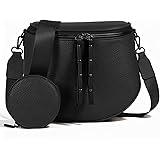
CHERUBEL Crossbody Bags for Women, Large Vegan Leather Trendy Bum Bag
$27.99 (as of March 6, 2026 15:28 GMT +02:00 - More infoProduct prices and availability are accurate as of the date/time indicated and are subject to change. Any price and availability information displayed on [relevant Amazon Site(s), as applicable] at the time of purchase will apply to the purchase of this product.)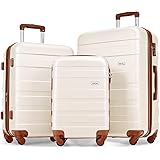
Luggage 3 Pcs ABS Hardside Luggage Sets Spinner Wheels Suitcases
$79.99 (as of March 6, 2026 15:28 GMT +02:00 - More infoProduct prices and availability are accurate as of the date/time indicated and are subject to change. Any price and availability information displayed on [relevant Amazon Site(s), as applicable] at the time of purchase will apply to the purchase of this product.)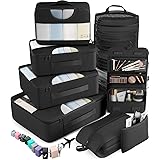
Veken 10 Set/8 Set Packing Cubes for Travel Essentials, Suitcase Organizer Bags in 4 Sizes, Carry-On Luggage Accessories with Laundry & Toiletry Bag, Airplane Must-Have, Road Trip & Camp Gifts for Men
$28.40 (as of March 6, 2026 15:28 GMT +02:00 - More infoProduct prices and availability are accurate as of the date/time indicated and are subject to change. Any price and availability information displayed on [relevant Amazon Site(s), as applicable] at the time of purchase will apply to the purchase of this product.)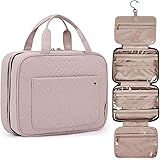
BAGSMART Toiletry Bag Travel Bag with Hanging Hook, Water-resistant Makeup Cosmetic Bag Travel Organizer for Accessories, Shampoo, Full-size Container, Toiletries (Baby Pink, Medium)
$13.59 (as of March 6, 2026 15:28 GMT +02:00 - More infoProduct prices and availability are accurate as of the date/time indicated and are subject to change. Any price and availability information displayed on [relevant Amazon Site(s), as applicable] at the time of purchase will apply to the purchase of this product.)
BeautifyBeauties Spray Bottle For Hair – Continuous Mister Spray Bottle for Hairstyling, Cleaning, Plants, Pets, Barbers, Salons, Essential Oil Scents (10.1 Ounce)
$8.49 (as of March 6, 2026 15:28 GMT +02:00 - More infoProduct prices and availability are accurate as of the date/time indicated and are subject to change. Any price and availability information displayed on [relevant Amazon Site(s), as applicable] at the time of purchase will apply to the purchase of this product.)As an Amazon Associate, we earn from qualifying purchases.

