

Turin is one of Italy’s most elegant, underrated cities—famous for world-class museums (especially the Egyptian Museum),
historic café culture, and grand architecture. It often feels calmer than Italy’s biggest tourist centers, which can mean
better value and a more “local” rhythm. This Turin travel guide cuts through the hype and focuses on smart planning:
where to stay in Turin (Centro vs San Salvario vs Porta Susa / Porta Nuova (station areas)),
whether you should book Turin Egyptian Museum tickets in advance, and how to plan a simple Piedmont day trip
(like Sacra di San Michele or the Langhe wine region). This guide is updated regularly with planning tips, costs,
and transport advice.
Built for: Museum lovers, history enthusiasts, and travelers who want an authentic northern Italy base with great cafés, aperitivo, and easy day trips.
Turin at a Glance (Fast Planning Snapshot)
- 1 day (Fast): Piazza Castello + one museum. Rushed but doable if you’re passing through.
- 2 days (Classic): The sweet spot. Day 1: Royal Palace + Egyptian Museum. Day 2: Mole Antonelliana + neighborhoods + cafés.
- 3 days (Day trip or slower pace): Add a Sacra di San Michele day trip or a Langhe wine day—or stay in Turin and slow down.
- Best areas to stay: Centro / Quadrilatero Romano (walkability + evenings), San Salvario (nightlife), station areas (logistics).
- Must-book (busy dates): Egyptian Museum timed entry—especially weekends and peak periods.
- Quick anti-trap rule: Walk 5–10 minutes off Piazza Castello and Piazza San Carlo—prices spike right next to the main squares.
Table of Contents
1. Do This First (Before You Arrive)
Turin is easiest when you lock a few decisions early:
- Decide 2 vs 3 days (pace): 2 days = museums + center. 3 days = slower pace or one day trip.
- Choose where to stay in Turin: Centro for walkability, San Salvario for nightlife, station areas for early trains.
- Buy Egyptian Museum tickets (timed entry): Weekends and peak dates can sell out—book ahead to protect your Day 1 timing.
- Pick one “view moment”: Monte dei Cappuccini on a clear day is a classic sunset anchor.
- Choose one café ritual: Bicerin in a historic café (once is enough to get the vibe).
- Decide day trip (or skip): Sacra di San Michele is the simplest. Langhe is great but can be higher-friction without a car/tour.
2. Best Time to Visit Turin (Weather vs Crowds)
For the best balance of weather and comfort, aim for spring (April–May) or early autumn (September–October).
Summer can be hot and more event-driven (which can raise prices), while winter is often better value and great for museums and café culture—just expect shorter days.
Simple rule: choose spring/fall for balance, winter for value + museums, summer only if heat won’t affect your pace.
3. Where to Stay in Turin (Best Areas + Trade-Offs)

Turin is fairly compact, so this is mostly about evening vibe vs logistics.
Neighborhood-by-Vibe Chooser (Fast Decision)
- Choose Centro / Quadrilatero Romano if: you want the best walkability, classic Turin atmosphere, and easy evenings.
- Choose San Salvario if: you want nightlife, aperitivo energy, and a younger local rhythm (with more noise at night).
- Choose station areas (Porta Susa / Porta Nuova) if: you have early trains/day trips and want logistics first (less atmosphere at night).
Centro / Quadrilatero Romano
Best for first-timers: walkable sights, elegant streets, and easy evenings. You’ll often pay more, but you save time and get the best “Turin feel.”
San Salvario
Great for nightlife and aperitivo energy. It’s lively and local-feeling, with a trade-off: it can be noisier at night and you’ll use transport a bit more.
Porta Susa / Porta Nuova (Station Areas)
Best for train logistics and early departures. It’s practical (and sometimes better value), but less atmospheric at night than staying in Centro.
For broader base strategy, see our Where to Stay in Europe guide.
4. Turin Travel Guide Itinerary: 2 Days (The Elegant Route)
Designed for a museum-first trip with enough breathing room to actually enjoy the city.
- Day 1: Piazza Castello + Royal Palace + Egyptian Museum
- Morning: Piazza Castello + Royal Palace.
- Midday: Egyptian Museum (use your timed entry). Plan 2–3 hours.
- Afternoon: Quadrilatero Romano wandering + a historic café stop.
- Evening: Aperitivo + dinner away from the main squares.
- Day 2: Mole Antonelliana + neighborhoods + sunset view
- Morning: Mole Antonelliana (and the panoramic elevator if you want the view).
- Midday: Slow lunch + browsing in central neighborhoods.
- Afternoon: Choose one: Palazzo Madama / riverside walk / a second museum if you’re motivated.
- Evening: Monte dei Cappuccini (clear-day sunset) + aperitivo (San Salvario is the lively option).
5. Turin Travel Guide Itinerary: 3 Days (Add a Piedmont Day Trip)
Day 3 is your flexibility day: pick the option that matches your intent.
- Option A: Deeper Turin (low friction)
- Superga or Valentino Park + riverside time.
- One additional museum (only if you still have energy).
- A long café break on purpose.
- Option B: Sacra di San Michele day trip (simple + dramatic)
- Go early, keep it simple, and be back for aperitivo.
- Best if you want a reset day with views without a long journey.
- Option C: Langhe wine region (Alba/Barolo)
- Best for wine + countryside.
- Friction note: it’s usually easiest with a car or a guided day tour (fewer transfers, more predictable timing).
Looking for the best hotel or flight deals?
Plan your trip with ease using the Expedia search tool below. From charming boutique hotels to luxury resorts, this widget helps you compare top options in seconds — flights included!
6. Turin Card: Is it worth it?
People often search for “Turin card worth it” because the answer depends on your pace.
Use this simple rule instead of overthinking it.
Choose the card if…
- You’ll do 3+ paid attractions in a tight 24–48 hour window.
- You want less ticket friction (bundled entry + simpler planning).
- You’re museum-heavy (Egyptian Museum + Royal sites + at least one more paid stop).
Skip the card if…
- You’re doing one paid museum + lots of wandering/cafés.
- You prefer a slower rhythm and don’t want to chase entries.
- You’re mostly seeing free highlights and neighborhoods.
Quick check: Add up the 3 paid places you truly plan to enter and compare with the card price (always verify current inclusions before buying).
7. Turin vs Milan: Which One Should You Visit?
This is a common decision point. Here’s the honest comparison:
- Vibe: Turin is elegant + historic; Milan is modern + fast-paced.
- Crowds: Turin often feels calmer; Milan is busier year-round.
- Costs: Turin is often better value for hotels; Milan spikes hard on peak dates/events.
- Best “must”: Turin = Egyptian Museum; Milan = Duomo rooftop / The Last Supper.
- Day trips: Turin = Piedmont + Sacra; Milan = Lake Como.
If you’re building a northern route, pair them:
Milan Travel Guide.
8. The Historic Café Culture (A Turin Essential)
Turin’s historic cafés are part of the city’s identity. The goal isn’t “doing them all”—it’s doing one properly.
The bicerin ritual
Bicerin (espresso + chocolate + cream) is a classic Turin tradition. Pick one historic café, sit down, and slow down for 20–30 minutes.
Price sanity rule
The most famous cafés near the main squares can charge premium “location pricing.” If you want better value, walk a few blocks away—the experience stays great.
9. Turin Food & Chocolate (Quick Rules)
Turin is quietly one of Italy’s best “eat-and-stroll” cities. Keep it simple:
- Aperitivo window: plan one aperitivo most evenings (it’s a social ritual, not just a drink).
- One chocolate moment: do one proper stop for gianduja/chocolate (Turin is famous for it)—don’t try to “collect” ten shops.
- Anti-trap rule: for dinner, walk 5–10 minutes off the main squares for better value and a more local room.
10. Egyptian Museum: Tickets, Timing + What to See
The Egyptian Museum is Turin’s headline sight, and it’s the #1 place where planning saves stress.
Do I need to book in advance?
For many weekends and peak dates, yes—buy Turin Egyptian Museum tickets with a timed entry.
On quieter weekdays you may find availability, but booking protects your itinerary.
How much time do you need?
2–3 hours is the realistic baseline. If you love ancient history, plan longer.
How to avoid museum fatigue
Don’t try to “complete” every room. Choose highlights early, then slow down in the sections you enjoy most.
11. Getting Around: Walkability + Public Transport

Turin is walkable in the center, and trams/metro help when you expand your radius.
A good day is usually: walk loop + one tram/metro hop.
Station logic
- Porta Susa: often most convenient for quick access to Centro.
- Porta Nuova: central and useful depending on your connections.
Airport note
Turin Airport (TRN) has multiple transfer options (bus/shuttle, taxi, private transfer). Choose based on arrival time, luggage, and where you’re staying.
Always confirm the current official options before you travel.
For broader transport rules, see our Getting Around Europe guide.
Want to save on train tickets? Search routes and compare prices on Omio — and check for available discounts or referral credit when you book (offers can vary by location/account).
12. Costs, Safety, and Rainy Day Plan
Budget reality ranges
Budget (€60–€100/day): budget stays, simple meals, selective paid sights.
Mid-range (€100–€180/day): 3-star hotels, museum-heavy days, casual dining.
Comfort (€180+/day): boutique stays, nicer dinners, more paid sights/tours.
Main cost drivers: hotel location, museum tickets, and how often you do sit-down meals.
Safety
Turin is generally safe, but use standard city habits—especially around train stations and crowded tourist areas.
Keep valuables secure and stay aware in busy transit moments.
Rainy day plan
Turin is excellent in bad weather: Egyptian Museum, Mole Antonelliana, Palazzo Madama, and long café breaks.
Build one “museum + café” day into your plan if rain is likely.
Looking for a smarter way to manage your travel money? Wise offers real exchange rates with no hidden fees, making it the perfect companion for international trips.
13. Frequently Asked Questions
Is Turin worth visiting?
Yes—Turin is a strong pick for museums, elegant architecture, and a calmer, more local-feeling city rhythm than the biggest tourist centers.
How many days do you need in Turin?
2–3 days is the sweet spot: two days for the core city + museums, three days if you want a day trip or slower pace.
Do I need to book the Egyptian Museum in advance?
It’s strongly recommended for weekends and busy periods. Timed entry protects your schedule.
Is Turin cheaper than Milan?
Often, yes—especially for accommodation. But prices can vary by season and events, so compare dates before booking.
What is the best day trip from Turin?
Sacra di San Michele is the simplest high-impact option. The Langhe is best for wine + countryside if you’re okay with more logistics.
14. Next Steps: Plan Your Italy Route
Start with the Italy planning overview
Pair Turin with other Italian cities
Build your route with our city guides organized by region:
Sideways — North
- Milan Travel Guide
- Venice Travel Guide
- Bologna Travel Guide
- Verona Travel Guide
- Florence Travel Guide
- Genoa Travel Guide
Sideways — Central
Sideways — South and Islands
Core Europe planning spokes
- Best Time to Visit Europe
- Getting Around Europe
- Europe Travel Budget
- Where to Stay in Europe
- Europe Safety Tips
Or explore by country
Discover more destinations in our Europe Travel Guide.
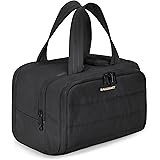
BAGSMART Travel Toiletry Bag, Lightweight Large Wide-open Travel Bag for Women, Puffy Cosmetic Makeup Bag Organizer with Handle for Accessories,Essentials, Toiletries, Black
$20.99 (as of March 21, 2026 17:18 GMT +02:00 - More infoProduct prices and availability are accurate as of the date/time indicated and are subject to change. Any price and availability information displayed on [relevant Amazon Site(s), as applicable] at the time of purchase will apply to the purchase of this product.)
Pander Two Way Zipper Fanny Pack Nylon Everywhere Belt Bag for Women, Water Repellent Waist Packs, Crossbody Bags with Adjustable Strap (Black).
$14.99 (as of March 21, 2026 17:18 GMT +02:00 - More infoProduct prices and availability are accurate as of the date/time indicated and are subject to change. Any price and availability information displayed on [relevant Amazon Site(s), as applicable] at the time of purchase will apply to the purchase of this product.)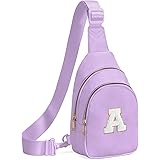
Viverte Birthday Gifts for 7 8 9 10 11 12 13 Year Old Girls Small Initial Sling Bag Cross Body Bag Fanny Pack for Girls
$14.39 (as of March 21, 2026 17:18 GMT +02:00 - More infoProduct prices and availability are accurate as of the date/time indicated and are subject to change. Any price and availability information displayed on [relevant Amazon Site(s), as applicable] at the time of purchase will apply to the purchase of this product.)
Mrsdry Travel Bottles for Toiletries, Tsa Approved 3oz Travel Size Containers BPA Free Leak Proof Refillable Liquid Silicone Squeezable Travel Accessories for Shampoo Conditioner Lotion (4 Pack)
$8.99 (as of March 21, 2026 17:18 GMT +02:00 - More infoProduct prices and availability are accurate as of the date/time indicated and are subject to change. Any price and availability information displayed on [relevant Amazon Site(s), as applicable] at the time of purchase will apply to the purchase of this product.)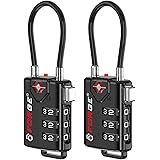
TSA Approved Cable Luggage Locks, Re-settable Combination with Alloy Body, Black 2 Locks.
$13.95 (as of March 21, 2026 17:18 GMT +02:00 - More infoProduct prices and availability are accurate as of the date/time indicated and are subject to change. Any price and availability information displayed on [relevant Amazon Site(s), as applicable] at the time of purchase will apply to the purchase of this product.)As an Amazon Associate, we earn from qualifying purchases.

