

Planning your first adventure to Lisbon? You’ve picked an absolutely captivating destination! This ultimate guide is packed with everything you need to know to make your trip unforgettable. From navigating the charming cobblestone streets of Alfama to savoring delicious pastéis de nata in Belém, we’ve got you covered.
Lisbon, Portugal’s vibrant capital, offers a unique blend of rich history, stunning architecture, a lively cultural scene, and mouth-watering cuisine. It’s a city that captivates every traveler, whether you’re exploring ancient Moorish castles, riding the iconic yellow tram, or watching the sunset over the Tagus River.
Get ready to discover why Lisbon is one of Europe’s most beloved travel destinations. Let’s dive into the essential tips that will help you plan, budget, and experience the very best of this amazing city.
Table of Contents
- 1. Why Visit Lisbon?
- 2. Best Time to Visit Lisbon
- 3. Top Destinations in Lisbon for First-Timers
- 4. Planning Your Lisbon Trip: A Step-by-Step Guide
- 5. Accommodation in Lisbon: Where to Stay
- 6. Getting Around Lisbon: Transportation Guide
- 7. How Much Does a Trip to Lisbon Cost?
- 8. Must-Try Foods and Cultural Delights
- 9. Staying Safe in Lisbon
- 10. Solo Travel in Lisbon
- 11. Traveling Lisbon with Family or as a Senior
- 12. Digital Nomads in Lisbon
- 13. Essential Packing List in our Lisbon Travel Guide
- 14. FAQs for First-Timers
- 15. What’s Next? More Guides to Explore
1. Why Visit Lisbon?
Lisbon is a city of captivating beauty and understated charm. It stands out as a top choice for travelers seeking incredible history, vibrant culture, and a sunny climate without the high costs of other major European capitals. Its unique blend of ancient heritage and modern energy makes it truly special.
The Allure of the City of Seven Hills
Imagine getting lost in the narrow, winding streets of Alfama, hearing the melancholic sounds of Fado music drift from a tiny restaurant, or gazing at the sunset from a scenic “miradouro” (viewpoint). Lisbon offers all this and more. The city boasts a welcoming, laid-back atmosphere, a world-class culinary scene, and a wealth of historical landmarks.
From the historic Belém Tower to the trendy streets of Chiado, Lisbon promises a journey filled with discovery. It’s a place where every tram ride is scenic, and every corner reveals a new piece of history.
ETIAS Update for Travelers
Good news for travelers! The European Travel Information and Authorization System (ETIAS) is still not required for U.S. and other visa-exempt travelers visiting the Schengen Area. Its implementation has been postponed to mid-2026. This means your entry to Lisbon will be as straightforward as it has been in previous years.
Looking for the best hotel or flight deals?
Plan your trip with ease using the Expedia search tool below. From charming boutique hotels to luxury resorts, this widget helps you compare top options in seconds — flights included!
2. Best Time to Visit Lisbon
Choosing the right time to visit Lisbon can significantly enhance your experience. The city enjoys a mild, sunny climate for most of the year, but each season offers a different vibe.
Spring (April-May): Pleasant Weather & Blooming Jacarandas
- Weather: Mild and sunny, with temperatures from 15-22°C (59-72°F). Perfect for sightseeing as the city’s famous jacaranda trees begin to bloom.
- Crowds: Moderate. It’s a popular time, but less crowded than the summer peak.
- Pros: Ideal weather for walking the city’s hills. Landscapes are green and vibrant. Prices are more reasonable than in summer.
- Cons: The weather can be unpredictable with occasional rain showers.
Summer (June-August): Long Sunny Days & Festive Atmosphere
- Weather: The warmest months, with temperatures often reaching 25-30°C (77-86°F).
- Crowds: Peak tourist season, especially in July and August. The city is bustling.
- Pros: Best weather for enjoying rooftop bars and nearby beaches. The famous “Festas de Lisboa” (Santos Populares) happen in June, filling the streets with parties and grilled sardines.
- Cons: Can be very hot and crowded. Prices for flights and accommodation are at their highest.
Autumn (September-October): Golden Light & Comfortable Temperatures
- Weather: Mild and often beautiful, with temperatures from 18-24°C (64-75°F).
- Crowds: Crowds begin to thin out after summer, offering a more relaxed experience.
- Pros: The weather is perfect for sightseeing without the intense summer heat. The autumn light is beautiful for photography.
- Cons: Days get shorter, and the chance of rain increases in October.
Winter (November-March): Quiet Charm & Fewer Crowds
- Weather: Cooler and can be rainy, with temperatures from 8-15°C (46-59°F).
- Crowds: Fewest tourists, making it a very budget-friendly time.
- Pros: Excellent for exploring museums and indoor attractions without the queues. Christmas markets and lights add a festive touch in December.
- Cons: Shorter daylight hours and a higher chance of rain.
Recommendation for First-Timers: For the perfect balance of great weather and manageable crowds, aim for late spring (May-June) or early autumn (September).
Worried about landing with no signal? Get an Airalo eSIM for your trip — trusted by 20M+ travelers with coverage in 200+ destinations, often cheaper than roaming.
3. Top Destinations in Lisbon for First-Timers
Lisbon is packed with diverse and world-class destinations. For your first trip, focus on these iconic neighborhoods and landmarks that offer a true taste of the city’s soul.
Alfama District: The Historic Heart
The oldest district in Lisbon, Alfama is a delightful maze of narrow cobblestone streets, historic houses, and steep staircases. It’s home to the São Jorge Castle, which offers panoramic views of the city, and the Lisbon Cathedral (Sé de Lisboa). This is the best place to experience traditional Fado music.
Belém: Age of Discoveries
A riverside district dedicated to Portugal’s Age of Discoveries. Here you’ll find two UNESCO World Heritage sites: the stunning Jerónimos Monastery and the iconic Belém Tower. Don’t leave without trying the original Pastéis de Belém at the famous pastry shop.
Baixa & Chiado: The Elegant Downtown
Baixa is the city’s downtown, rebuilt after the 1755 earthquake, with grand squares like Praça do Comércio and Rossio. Adjacent Chiado is the elegant shopping and theater district, full of historic cafes, bookshops, and international stores. Ride the Santa Justa Lift for a unique view.
Bairro Alto: Bohemian Nightlife
By day, Bairro Alto is a quiet, traditional neighborhood. By night, it transforms into the heart of Lisbon’s nightlife, with dozens of small bars and restaurants opening their doors onto the streets. It’s a vibrant and energetic area perfect for an evening out.
Sintra (Day Trip): A Fairytale Escape
Just a 40-minute train ride from Lisbon, Sintra is an unmissable day trip. This UNESCO World Heritage site is a magical town of fairytale palaces, including the colorful Pena Palace, the mystical Quinta da Regaleira, and the ancient Castle of the Moors. It’s a truly enchanting place.
Cascais (Day Trip): Charming Seaside Town
Once a humble fishing village, Cascais is now a charming and upscale seaside resort town. It’s easily reachable by train from Lisbon and offers beautiful beaches, a lively marina, and a picturesque old town. It’s the perfect spot for a relaxing day by the sea.
4. Planning Your Lisbon Trip: A Step-by-Step Guide
Planning your first trip to Lisbon is exciting! Its compact size and excellent public transport make it easy to navigate. Breaking the process down into steps will ensure a smooth and stress-free experience.
Setting Your Budget & Travel Style
First, decide on your budget. Lisbon is one of Western Europe’s more affordable capitals, but costs can add up. Decide if you want a culture-packed city break, a foodie tour, or a more relaxed trip exploring different neighborhoods.
Crafting Your Itinerary
Don’t try to rush. For a 3-4 day trip, you can cover the main highlights of Lisbon’s central neighborhoods. With 5-7 days, you can explore more deeply and include essential day trips to Sintra and Cascais without feeling rushed.
Booking Flights & Accommodation
Book flights to Lisbon Airport (LIS) 3-6 months in advance for the best prices. Book your accommodation well in advance, especially for summer, as the best places get snapped up quickly.
Understanding Visa & Entry Requirements
For most nationalities (e.g., US, UK, EU, Canadian, Australian citizens), a visa is not required for tourist stays of up to 90 days as Portugal is in the Schengen Area. Always ensure your passport is valid for at least six months beyond your intended departure date.
Securing Travel Insurance
This is non-negotiable. Get comprehensive travel insurance that covers medical emergencies, trip cancellations, and theft. Lisbon is safe, but petty crime like pickpocketing can occur, so peace of mind is invaluable.
5. Accommodation in Lisbon: Where to Stay
Lisbon offers a huge range of accommodation to suit every budget and style. Choosing the right neighborhood to stay in is key to your experience.

Baixa/Chiado: Central & Convenient
This is the heart of the city, perfect for first-time visitors. You’ll be within walking distance of many major attractions, restaurants, and shops. It offers a wide range of hotels and apartments but can be more expensive.
Alfama: Historic & Atmospheric
For a truly authentic Lisbon experience, stay in Alfama. You’ll find charming guesthouses and small apartments in historic buildings. Be prepared for hills and stairs, as this area is not very car-friendly.
Bairro Alto: For the Night Owls
If you’re in Lisbon to enjoy the nightlife, Bairro Alto is the place to be. It’s packed with bars and restaurants. It can be noisy at night, so it’s best for those who plan to be out late themselves.
Príncipe Real: Trendy & Upscale
Just north of Bairro Alto, Príncipe Real is a trendy, more sophisticated neighborhood known for its boutique shops, art galleries, and excellent restaurants. It’s a stylish and slightly quieter alternative to the city center.
Avenida da Liberdade: Luxury & High-End
This is Lisbon’s grandest boulevard, lined with designer stores and five-star hotels. If you’re looking for luxury and a prime, elegant location, this is the neighborhood for you.
6. Getting Around Lisbon: Transportation Guide
Getting around Lisbon is easy and affordable thanks to its efficient and integrated public transport system. A mix of walking and using public transport is the best way to explore.

Viva Viagem Card: Your Key to the City
The first thing you should do is buy a “Viva Viagem” card from a metro station. This rechargeable card costs €0.50 and can be loaded with money (“Zapping” mode) to pay for the metro, buses, trams, funiculars, and even local trains to Sintra and Cascais. It’s much cheaper than buying single tickets.
Metro: Fast & Efficient
The Lisbon Metro is modern, clean, and the fastest way to cover longer distances, such as from the airport to the city center. It has four lines that cover most of the city.
Trams (Elétricos): Iconic & Scenic
Lisbon’s trams are an iconic part of the city. Tram 28 is the most famous, taking a scenic route through popular neighborhoods like Alfama and Graça. Be aware that it gets extremely crowded and is a hotspot for pickpockets. Tram 15 is a modern tram that is useful for getting to Belém.
Buses (Autocarros): Extensive Coverage
The bus network covers areas that the metro and trams don’t reach. Use Google Maps or Citymapper to find the best bus route for your destination.
Walking: The Best Way to Discover
Lisbon is a city best explored on foot. Walking allows you to discover hidden alleys, charming squares, and stunning viewpoints. Just be prepared for the hills and wear very comfortable shoes!
Taxis & Ride-Sharing
Taxis and ride-sharing services like Uber and Bolt are widely available and relatively affordable. They are a good option for late nights or when you’re tired of the hills.
Want to save on train tickets? Search routes and compare prices on Omio — and check for available discounts or referral credit when you book (offers can vary by location/account).
7. How Much Does a Trip to Lisbon Cost?
Lisbon is one of the most affordable capital cities in Western Europe, offering fantastic value for money. Here’s a general breakdown of what you can expect to spend per day.
Daily Cost Estimates (Per Person, excluding accommodation)
- Budget Traveler: €30-€50 / $33-55 USD per day
- Food: Meals from bakeries, food markets (like Time Out Market), and small local restaurants (“tascas”).
- Transport: Using the Viva Viagem card and walking.
- Activities: Free walking tours, exploring neighborhoods, visiting free viewpoints.
- Mid-Range Traveler: €60-€120 / $66-132 USD per day
- Food: Eating out at casual restaurants for lunch and dinner, enjoying a coffee and pastry.
- Transport: Public transport and an occasional taxi/Uber.
- Activities: Paid attractions like São Jorge Castle, Jerónimos Monastery, and a Fado show.
- Luxury Traveler: €150+ / $165+ USD per day
- Food: Fine dining, rooftop bars, multi-course meals.
- Transport: Taxis/private transfers, guided tours.
- Activities: Private tours, exclusive experiences, shopping.
Money-Saving Tips:
- Eat the “Prato do Dia”: Look for restaurants offering a “Prato do Dia” (dish of the day) at lunchtime. It’s a fixed-price meal that’s usually delicious and a great value.
- Use the Viva Viagem Card: Using the “Zapping” feature on this card is significantly cheaper than buying individual tickets.
- Enjoy the Miradouros: Lisbon’s viewpoints are free and offer million-dollar views. Grab a drink from a nearby kiosk and enjoy the sunset.
- Drink Tap Water: The tap water is safe to drink. Bring a reusable bottle.
- Get the Lisboa Card: If you plan on visiting many museums and using public transport extensively, the Lisboa Card can offer great value. It includes free public transport and free/discounted entry to many attractions.
8. Must-Try Foods and Cultural Delights
Lisbon is a food lover’s paradise, with a rich culinary tradition and a vibrant cultural scene. Prepare to indulge your senses.

Iconic Lisbon Dishes & Snacks
- Pastéis de Nata: These iconic egg custard tarts are a must-try. The most famous are from Pastéis de Belém, but you can find delicious versions all over the city.
- Bacalhau à Brás: One of the most popular ways to eat codfish in Lisbon. It’s a delicious mix of shredded cod, onions, thinly chopped fried potatoes, and scrambled eggs, topped with olives.
- Sardinhas Assadas (Grilled Sardines): A true Lisbon specialty, especially during the summer festivals in June. They are simply grilled with salt and served on a slice of bread.
- Bifana: A classic and simple pork sandwich. Thinly sliced pork marinated in garlic and white wine, served on a fresh bread roll. A cheap and delicious snack.
- Ginjinha: A sweet cherry liqueur that is a local favorite. Try it at one of the traditional “A Ginjinha” bars near Rossio, often served in a small chocolate cup.
- Time Out Market (Mercado da Ribeira): For a taste of everything, head to this vibrant food hall where top chefs and restaurants offer modern takes on Portuguese classics.
The Fado Culture
Fado is the soulful, melancholic music of Portugal, and Lisbon is its heart. Experiencing a live Fado performance in a small restaurant in Alfama or Bairro Alto is an essential cultural experience. It’s a powerful expression of “saudade” – a feeling of longing and nostalgia.
Cultural Etiquette & Local Customs
- Greetings: A simple “Bom dia” (good day), “Boa tarde” (good afternoon), or “Boa noite” (good evening) is a polite way to greet people.
- Punctuality: Life in Lisbon is relaxed. Don’t be surprised if things run a little behind schedule.
- Tipping: Tipping is not obligatory but is appreciated for good service. In restaurants, rounding up the bill or leaving 5-10% is a nice gesture.
9. Staying Safe in Lisbon
Lisbon is generally a very safe city for tourists. Violent crime is rare. The main issue to be aware of is opportunistic petty crime, particularly pickpocketing.
General Safety Tips
- Beware of Pickpockets: This is the biggest threat to tourists. Be extremely vigilant in crowded areas, especially on public transport like the famous Tram 28, in the Baixa district, and at train stations.
- Secure Your Belongings: Use a cross-body bag zipped up in front of you, or a money belt. Do not keep wallets or phones in your back pocket.
- Be Aware of Scams: Politely but firmly say “no, obrigado/a” to anyone trying to sell you drugs on the street in areas like Baixa (they are usually fake and it’s a scam). Be wary of anyone being overly friendly or trying to distract you.
- Nightlife Safety: Bairro Alto is lively and fun, but be aware of your surroundings. Stick to well-lit streets when walking back to your accommodation late at night.
Emergency Numbers
- The universal emergency number in Portugal is 112 for police, ambulance, and fire services.
10. Solo Travel in Lisbon
Lisbon is a fantastic and extremely safe destination for solo travelers. It’s affordable, easy to get around, and has a very social and welcoming atmosphere, making it easy to meet other people.
- Safety First:
- The city’s low crime rate makes it very safe to explore alone. The main concern is pickpocketing, so be vigilant with your belongings.
- For solo female travelers, Lisbon is considered very safe. Take the usual precautions, like avoiding walking alone in unlit areas late at night.
- Meeting People:
- Hostels: Lisbon has some of the best hostels in the world, many of which organize pub crawls, walking tours, and family-style dinners.
- Free Walking Tours: A great way to get your bearings and meet fellow travelers on your first day.
- Food Markets & Cafes: The communal tables at Time Out Market or the relaxed cafe culture make it easy to strike up a conversation.
- Embrace the Freedom: Enjoy the flexibility of exploring at your own pace. Spend hours in a museum, sit at a viewpoint with a book, or join a spontaneous Fado show.
11. Traveling Lisbon with Family or as a Senior
Lisbon’s diverse attractions and welcoming vibe make it a great destination for both families and senior travelers, with a few considerations.
Traveling with Family
- Kid-Friendly Attractions: Kids will love the Oceanário de Lisboa (one of Europe’s best aquariums), riding the trams, and exploring São Jorge Castle. The science museum, Pavilhão do Conhecimento, is also a big hit.
- The Hills: Be prepared for Lisbon’s famous hills. A baby carrier can be more practical than a stroller on the steep, cobbled streets of Alfama.
- Accommodation: Renting an apartment can provide more space and the convenience of a kitchen for families.
- Pacing: Plan for breaks and don’t try to pack too much into one day. Enjoy the city’s many parks and gardens.
Traveling as a Senior
- Navigating the Hills: The hills can be challenging. Make good use of public transport, including trams, buses, and the city’s funiculars and elevators (like the Santa Justa Lift) to avoid the steepest climbs.
- Comfortable Footwear: This is absolutely essential. The cobblestones (“calçada portuguesa”) can be slippery and uneven.
- Pacing: A slower pace is ideal. Lisbon’s cafe culture is perfect for taking frequent, relaxing breaks.
- Discounts: Many museums and attractions offer discounts for seniors (usually 65+). Always carry ID and ask.
12. Digital Nomads in Lisbon
Lisbon has become a global hub for digital nomads, attracted by its sunny weather, affordable cost of living (compared to other Western capitals), vibrant culture, and strong community.
- Digital Nomad Visa: Portugal offers a specific Digital Nomad Visa, making it easier for remote workers from outside the EU to live and work in the country legally. Check the official government websites for the latest requirements.
- Best Neighborhoods for Nomads: Areas like Graça, Anjos, and the suburbs across the river (like Almada) offer more affordable rent. The city center is great for co-working and networking.
- Connectivity: Internet is fast, reliable, and widely available. The city is filled with cafes that are friendly to remote workers.
- Co-working Spaces: Lisbon has a huge and growing number of co-working spaces (like Second Home, Avila Spaces, and LACS) that foster a strong sense of community.
- Lifestyle: The main draw is the incredible work-life balance. Finish your workday and you can be at the beach in 30 minutes, enjoying a rooftop bar, or exploring historic streets.
Looking for a smarter way to manage your travel money? Wise offers real exchange rates with no hidden fees, making it the perfect companion for international trips.
13. Essential Packing List in our Lisbon Travel Guide
Packing for Lisbon is about preparing for a hilly city with changeable weather. Comfort and layers are the name of the game.
Clothing
- Comfortable Walking Shoes: This is the most important item you will pack. You will be walking a lot on steep, uneven cobblestone streets. Sneakers or comfortable walking sandals are ideal.
- Layers: T-shirts, long-sleeved tops, and a light jacket or sweater are crucial. The weather can change quickly, and it can be windy, especially near the river.
- A Light Rain Jacket: Useful for any season, as showers can be unexpected.
- Slightly Dressier Outfit: For a nice dinner, a Fado show, or a night out at a rooftop bar.
Essentials & Accessories
- Universal Travel Adapter: Portugal uses the Type F plug (two round pins).
- Portable Power Bank: Essential for keeping your phone charged while using it for maps and photos all day.
- Reusable Water Bottle: To stay hydrated with Lisbon’s safe tap water.
- Daypack or Secure Cross-Body Bag: To carry your essentials and protect them from pickpockets.
- Sun Protection: Sun hat, sunglasses, and sunscreen, especially from spring to autumn.
- Copies of Important Documents: Keep digital and physical copies of your passport and travel insurance.

COIDEA, Waterproof Travel Drawstring Shoe Bags for Packing, Storage, Travel Essentials for Men and Women, 15.7 x 11.8 inches, Clear, 5 pieces
$6.99 (as of March 20, 2026 17:10 GMT +02:00 - More infoProduct prices and availability are accurate as of the date/time indicated and are subject to change. Any price and availability information displayed on [relevant Amazon Site(s), as applicable] at the time of purchase will apply to the purchase of this product.)
LOVEVOOK Carry On Luggage 22x14x9 Airline Approved with Spinner Wheels, 20 Inch Small Carry On Suitcase with TSA Lock, Expandable Hard Shell Suitcases for Men Women
$89.99 (as of March 20, 2026 17:10 GMT +02:00 - More infoProduct prices and availability are accurate as of the date/time indicated and are subject to change. Any price and availability information displayed on [relevant Amazon Site(s), as applicable] at the time of purchase will apply to the purchase of this product.)
BAGAIL 4 Set/6 Set/8 Set Compression Packing Cubes Travel Accessories Expandable Packing Organizers (Half Mesh, 6-Black)
$18.99 (as of March 20, 2026 17:10 GMT +02:00 - More infoProduct prices and availability are accurate as of the date/time indicated and are subject to change. Any price and availability information displayed on [relevant Amazon Site(s), as applicable] at the time of purchase will apply to the purchase of this product.)
Pander Two Way Zipper Fanny Pack Nylon Everywhere Belt Bag for Women, Water Repellent Waist Packs, Crossbody Bags with Adjustable Strap (Black).
$14.99 (as of March 20, 2026 17:10 GMT +02:00 - More infoProduct prices and availability are accurate as of the date/time indicated and are subject to change. Any price and availability information displayed on [relevant Amazon Site(s), as applicable] at the time of purchase will apply to the purchase of this product.)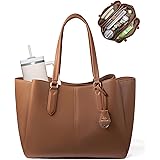
LOVEVOOK Laptop Tote Bag for Women 15.6 In Work Bags with Triple Compartments Large Faux Leather Computer Office Briefcase
$32.99 (as of March 20, 2026 17:10 GMT +02:00 - More infoProduct prices and availability are accurate as of the date/time indicated and are subject to change. Any price and availability information displayed on [relevant Amazon Site(s), as applicable] at the time of purchase will apply to the purchase of this product.)As an Amazon Associate, we earn from qualifying purchases.
14. FAQs for First-Timers
Here are some frequently asked questions to help you plan your first trip to Lisbon.
What currency does Lisbon use?
Lisbon, as part of Portugal, uses the Euro (€). ATMs are widely available, and credit/debit cards are accepted in most places, but it’s always good to have some cash for small cafes or shops.
Is English widely spoken in Lisbon?
Yes, English is widely spoken and understood in Lisbon, especially by younger people and in the tourism industry. You will have no problem communicating in hotels, restaurants, and shops.
Is Lisbon expensive?
Compared to other major Western European capitals like Paris or London, Lisbon is very affordable. Accommodation, food, and public transport offer excellent value for money.
Do I need a visa for Lisbon?
If you are a citizen of the US, UK, Canada, Australia, or an EU country, you do not need a visa for tourist stays of up to 90 days.
What is the best way to get around Lisbon?
A combination of walking and using the public transport system with a Viva Viagem card is the best way. The metro is great for long distances, while trams and walking are perfect for exploring historic neighborhoods.
Are the hills in Lisbon really that bad?
Lisbon is known as the “City of Seven Hills” for a reason. Be prepared for steep inclines and declines. Good walking shoes are a must, but the views from the top are always worth it!
15. What’s Next? More Guides to Explore
Your Lisbon adventure awaits! We hope this comprehensive guide has equipped you with all the essential information to plan an unforgettable trip to Portugal’s stunning capital. From the historic alleys of Alfama to the sweet taste of a fresh pastel de nata, Lisbon promises a journey filled with vibrant culture, beautiful sights, and lasting memories.
Now that you have the basics, why not dive deeper into planning a day trip to the magical palaces of Sintra, or figure out which beach near Lisbon is perfect for you? At Tripstou.com, we have more detailed guides to help you perfect every part of your journey.
Happy travels, and enjoy your unforgettable journey through Lisbon!
🇪🇺 Western Europe Countries
- France Travel Guide
- Spain Travel Guide
- Portugal Travel Guide
- Netherlands Travel Guide
- Belgium Travel Guide
- Luxembourg Travel Guide
- Ireland Travel Guide
- England Travel Guide
🇪🇺 Southern Europe & Balkans Countries
- Italy Travel Guide
- Greece Travel Guide
- Croatia Travel Guide
- Montenegro Travel Guide
- Albania Travel Guide
- Malta Travel Guide
- Bosnia and Herzegovina Travel Guide
- Serbia Travel Guide
- North Macedonia Travel Guide
- Kosovo Travel Guide
🇪🇺 Northern Europe & Nordics Countries
- Sweden Travel Guide
- Norway Travel Guide
- Finland Travel Guide
- Denmark Travel Guide
- Iceland Travel Guide
- Scotland Travel Guide
🇪🇺 Central Europe Countries
- Germany Travel Guide
- Austria Travel Guide
- Switzerland Travel Guide
- Poland Travel Guide
- Czechia Travel Guide
- Hungary Travel Guide
- Slovakia Travel Guide
- Slovenia Travel Guide
🇪🇺 Eastern Europe & Baltics Countries
- Romania Travel Guide
- Bulgaria Travel Guide
- Ukraine Travel Guide
- Moldova Travel Guide
- Lithuania Travel Guide
- Latvia Travel Guide
- Estonia Travel Guide
- Belarus Travel Guide

