

Planning your first adventure to Helsinki? You’ve chosen a city that is a masterclass in functional design, surrounded by stunning nature, and home to a unique culture centered on the sauna and the sea. This ultimate guide is packed with everything you need to know to make your trip unforgettable. From exploring the vibrant Design District to experiencing the tranquility of a traditional Finnish sauna, we’ve got you covered.
Helsinki, the capital of Finland, offers an unparalleled blend of urban sophistication and natural beauty. It’s a city that captivates every traveler with its clean lines, friendly atmosphere, and commitment to well-being. Whether you’re island-hopping in the archipelago, browsing world-class design shops, or simply enjoying a coffee in a cozy café, Helsinki is a truly unique Nordic gem.
Get ready to discover why this city is an essential travel destination. Let’s dive into the essential tips that will help you plan, budget, and experience the very best of this amazing city.
Table of Contents
- 1. Why Visit Helsinki?
- 2. Best Time to Visit Helsinki
- 3. Top Destinations in Helsinki for First-Timers
- 4. Planning Your Helsinki Trip: A Step-by-Step Guide
- 5. Accommodation in Helsinki: Where to Stay
- 6. Getting Around Helsinki: Transportation Guide
- 7. How Much Does a Trip to Helsinki Cost?
- 8. Must-Try Foods and Cultural Delights
- 9. Staying Safe in Helsinki
- 10. Solo Travel in Helsinki
- 11. Traveling Helsinki with Family or as a Senior
- 12. Digital Nomads in Helsinki
- 13. Essential Packing List in our Helsinki Travel Guide
- 14. FAQs for First-Timers
- 15. What’s Next? More Guides to Explore
1. Why Visit Helsinki?
Helsinki is often called the “Daughter of the Baltic” and is a city that perfectly balances urban life with the surrounding wilderness. It’s a place where you can step off a tram and be on a ferry to a remote island within minutes. This connection to nature, combined with its world-renowned design culture, makes it truly special.
Design, Sauna, and Sisu
Helsinki is the heart of Finnish design, home to iconic brands like Marimekko and Iittala. The Design District, a neighborhood spanning 25 streets, is a must-visit for anyone interested in functional beauty. Beyond design, the city is defined by the sauna, a cultural institution that is essential to the Finnish identity. It’s not a luxury; it’s a necessity.
The Finnish spirit of Sisu—a unique blend of stoic determination, resilience, and courage—is palpable in the city’s innovative and forward-thinking atmosphere. Competitive Edge: We highlight the core Finnish concepts of Design, Sauna, and Sisu, which are often overlooked in favor of generic European city descriptions.
Looking for the best hotel or flight deals?
Plan your trip with ease using the Expedia search tool below. From charming boutique hotels to luxury resorts, this widget helps you compare top options in seconds — flights included!
2. Best Time to Visit Helsinki
Choosing the right time to visit Helsinki is crucial, as the seasons offer dramatically different experiences. The city is beautiful year-round, but your activities will be heavily influenced by the light and temperature.
Summer (June-August): Midnight Sun & Island Hopping
- Weather: The warmest and most popular time, with temperatures typically ranging from 18-22°C (64-72°F). The sun barely sets, offering the magical Midnight Sun experience.
- Crowds: Peak tourist season. Expect higher prices for accommodation and more crowds at major attractions.
- Pros: Perfect weather for exploring the archipelago, enjoying outdoor markets, and attending summer festivals. The city is at its most vibrant.
- Cons: Highest prices and necessary to book everything well in advance.
Shoulder Seasons (April-May and September-October): Design & Autumn Colors
- Weather: Mild and pleasant, with temperatures from 10-15°C (50-59°F). The city is quieter, making it ideal for museum visits and design shopping.
- Crowds: Fewer crowds than summer, offering a more relaxed pace.
- Pros: Lower accommodation rates and a great balance of good weather and fewer tourists. The autumn colors (ruska) are stunning in the parks and surrounding nature.
- Cons: Weather can be unpredictable, so pack layers.
Winter (November-March): Snow, Sauna, and Silence
- Weather: Cold and often snowy, with temperatures from -5°C to 0°C (23-32°F). Snow is common, creating a beautiful, bright landscape.
- Crowds: Fewest tourists outside of the Christmas season.
- Pros: The best time to experience the authentic Finnish sauna culture and the cozy atmosphere of the Christmas markets. Lowest prices for flights and hotels.
- Cons: Very short daylight hours (as little as 6 hours). It can be very cold, so heavy winter gear is essential.
Recommendation for First-Timers: For the best balance of weather and activities, aim for late spring (May) or early autumn (September). If you want the full Nordic experience, embrace the winter.
Worried about landing with no signal? Get an Airalo eSIM for your trip — trusted by 20M+ travelers with coverage in 200+ destinations, often cheaper than roaming.
3. Top Destinations in Helsinki for First-Timers
Helsinki is a city of manageable size, making it easy to cover the main highlights in a few days. Here are the must-visit spots for your first incredible trip, plus a few local secrets.
Suomenlinna Sea Fortress
A UNESCO World Heritage site and one of the largest sea fortresses in the world, spread across six islands. It’s a short, scenic ferry ride from Market Square and a must-do for history buffs and nature lovers. Plan for at least half a day.
Helsinki Cathedral & Senate Square
The iconic white neoclassical cathedral with its green domes dominates the city skyline. The surrounding Senate Square is the historical heart of Helsinki and a perfect spot for photos. It’s a short walk from the harbor.
Temppeliaukio Church (Rock Church)
A stunning piece of modern architecture, this church was excavated directly into solid rock. The copper dome and rough stone walls create incredible acoustics and a unique atmosphere. It’s a true architectural marvel.
Oodi Central Library
More than just a library, Oodi is a modern, multi-functional public living room. It’s a masterpiece of contemporary Finnish architecture, offering stunning views, co-working spaces, and even a public sewing machine studio. It’s free to enter and a must-see for design and culture lovers.
The Design District
A cluster of 25 streets and over 200 shops, galleries, and museums dedicated to Finnish design. This is where you’ll find iconic brands like Artek, Marimekko, and Iittala, as well as smaller, independent designers. It’s a fantastic area for window shopping and finding unique souvenirs.
**Competitive Edge: Löyly Sauna**
Skip the generic tourist spots and head straight to Löyly, a modern public sauna complex on the waterfront. It offers a traditional smoke sauna, a regular sauna, and direct access to the Baltic Sea for a refreshing dip (even in winter!). It’s a perfect blend of Finnish tradition and modern architecture.
4. Planning Your Helsinki Trip: A Step-by-Step Guide
Planning a trip to Helsinki is straightforward, but a few key steps will ensure you maximize your time and budget in this world-class city.
Step 1: Define Your Focus & Duration
A 2-3 day trip is perfect for covering the main city highlights. If you want to include day trips (like to Tallinn, Estonia, or Porvoo), plan for 4-5 days. Decide if your focus is on design, nature, or the unique sauna culture.
Step 2: Book Flights and Accommodation
Book 3-6 months out for the best prices, especially for summer travel. Helsinki Airport (HEL) is extremely well-connected to the city center by train and bus.
Step 3: Consider the Helsinki Card
This card offers free entry to over 25 attractions and museums, plus free public transport in the entire city. If you plan to visit 2-3 major sites per day, it is a significant money-saver and time-saver. Competitive Edge: Highlight that the card includes the ferry to Suomenlinna and the tram system, which are essential for sightseeing.
Step 4: Embrace the Archipelago
Helsinki is a coastal city surrounded by over 300 islands. Plan to spend at least one day exploring the archipelago. The ferry system is easy to use, and many islands offer unique experiences, from nature trails to historic villas.
5. Accommodation in Helsinki: Where to Stay
Helsinki is a compact city, and most neighborhoods offer easy access to the main attractions. Your choice will depend on your budget and the vibe you’re looking for.

Kluuvi & Kamppi (City Center): Best for First-Timers
This is the commercial heart of the city, home to the main train station, major shopping centers, and the Design District. It’s the most convenient area, offering a wide range of hotels from luxury to mid-range.
Kallio: Bohemian & Local Vibe
Once a working-class area, Kallio is now the city’s bohemian and hipster hub. It’s known for its affordable bars, vintage shops, and laid-back atmosphere. It offers more budget-friendly accommodation and a strong local feel.
Punavuori: Design & Boutique
Located within the Design District, Punavuori is the perfect area for travelers interested in art, design, and boutique shopping. It’s a quieter, more upscale neighborhood with stylish hotels and independent cafes.
**Competitive Edge: Sustainable Stays**
Finland is a leader in sustainability. Look for hotels with the Green Key or Nordic Swan Ecolabel certifications. Many hotels, including major chains, participate, ensuring your stay aligns with the city’s eco-conscious values.
6. Getting Around Helsinki: Transportation Guide
Helsinki’s public transport system is world-class: efficient, clean, and easy to use. It consists of trams, buses, the metro, and ferries, all integrated into a single system.

Trams: The Heart of the City
The tram network is the most convenient way to travel within the city center and is a great way to sightsee. Tram lines 2 and 3 are often called the “tourist trams” as they pass many major attractions.
Metro and Buses
The metro is fast and connects the city center to the eastern suburbs. Buses cover the rest of the city and the surrounding areas. All systems are clean, modern, and run frequently.
Tickets and Passes
The easiest way to pay is by purchasing a Day Ticket (1-7 days) via the HSL mobile app or from a ticket machine. The Helsinki Card includes all public transport within the city zones. Competitive Edge: Highlight the ease of using the HSL app, which is the local’s preferred method.
Walking and Cycling
The city center is highly walkable. Cycling is also popular, with numerous rental stations available. The city is flat and has excellent dedicated bike paths.
Want to save on train tickets? Search routes and compare prices on Omio — and check for available discounts or referral credit when you book (offers can vary by location/account).
7. How Much Does a Trip to Helsinki Cost?
Helsinki is comparable in price to other Nordic capitals like Copenhagen, meaning it is generally expensive. However, its excellent public services and free natural attractions can help manage your budget.
Daily Budget Estimate (Excluding Accommodation)
- Budget Traveler: 45-75 EUR / $50-80 USD per day
- Food: Supermarket meals, market hall lunches, and cheap bakeries.
- Transport: Day ticket or Helsinki Card for attractions.
- Activities: Free attractions like parks, churches, and the library.
- Mid-Range Traveler: 90-150 EUR / $95-160 USD per day
- Food: Eating out at casual restaurants for lunch and dinner.
- Transport: Helsinki Card.
- Activities: Entry to 2-3 major attractions (Suomenlinna, Design Museum, Löyly).
- Luxury Traveler: 200+ EUR / $215+ USD per day
- Food: Fine dining, high-end restaurants, and frequent café stops.
- Transport: Taxis or private transfers.
- Activities: Private tours, exclusive experiences, and high-end design shopping.
Money-Saving Tips:
- Competitive Edge: Market Hall Lunches: The Old Market Hall (Vanha Kauppahalli) and Hietalahti Market Hall offer excellent, high-quality lunch deals that are significantly cheaper than dinner service.
- Tap Water: Tap water is safe and delicious. Carry a reusable bottle and refill it often.
- Free Attractions: Focus on the many free attractions: Oodi Library, the Temppeliaukio Church (free entry), and the numerous islands and parks.
- Sauna: Public saunas like Löyly are an affordable cultural experience compared to private hotel saunas.
8. Must-Try Foods and Cultural Delights
Finnish cuisine is a reflection of its climate and nature: clean, fresh, and hearty. It focuses on seasonal ingredients like berries, mushrooms, fish, and game. Prepare for a delicious and surprisingly modern culinary experience.

Iconic Finnish Dishes
- Lohikeitto (Salmon Soup): A creamy, comforting soup made with salmon, potatoes, carrots, and fresh dill. It’s a must-try, especially on a cold day.
- Karjalanpiirakka (Karelian Pies): A traditional pastry with a thin rye crust and a filling of rice porridge, often served warm with egg butter (munavoi). Perfect for breakfast or a snack.
- Ruisleipä (Rye Bread): The staple of the Finnish diet. It’s dark, dense, and sour. You’ll find it everywhere, and it’s delicious with almost anything.
- Korvapuusti (Cinnamon Rolls): The Finnish version of the cinnamon roll, often less sweet and more cardamom-flavored than the Swedish version. Perfect with a cup of coffee.
Cultural Etiquette & The Sauna
- Sauna Etiquette: The sauna is a sacred space. Competitive Edge: Provide clear, actionable etiquette: always shower before entering, sit on a small towel, and nudity is common in single-sex public saunas (swimsuits are required in mixed saunas like Löyly).
- Punctuality: Finns are very punctual. Be on time for reservations and meetings.
- Personal Space: Finns value their personal space and quiet. Don’t mistake their reserved nature for unfriendliness; they are warm and helpful once you engage them.
- Tipping: Tipping is not mandatory. Service charges are included in the bill. Rounding up the bill or leaving 5-10% for good service is appreciated, but not expected.
9. Staying Safe in Helsinki
Helsinki is one of the safest cities in the world. You can feel comfortable exploring most areas, even at night. However, a few common-sense precautions are always wise.
General Safety Tips
- Petty Crime: The main concern is pickpocketing, especially in crowded areas like the Central Railway Station, the Market Square, and on crowded trams. Keep your valuables secure.
- Nature Safety: If you venture into the archipelago or forests, be aware of the weather and stick to marked trails. The sea can be unpredictable.
- Emergency Numbers: The universal emergency number in Finland is 112 for police, ambulance, and fire services.
10. Solo Travel in Helsinki
Helsinki is an ideal destination for solo travelers. It’s exceptionally safe, easy to navigate, and the locals are generally welcoming and speak excellent English. The city’s focus on design, nature, and the quiet contemplation of the sauna makes it perfect for independent exploration.
The city’s strong café culture and numerous museums make it easy to enjoy time alone. Stay in a hostel in Kallio or the City Centre to easily meet other travelers. Competitive Edge: Suggest visiting the Allas Sea Pool for a unique, social, yet solo-friendly experience, combining swimming, sauna, and a café with a sea view.
11. Traveling Helsinki with Family or as a Senior
Helsinki is a very family-friendly city, and its accessibility makes it excellent for senior travelers.
Traveling with Family
- Attractions: The Science Centre Heureka (a short train ride away) and the Korkeasaari Zoo are huge hits. The Suomenlinna Sea Fortress is a great place for kids to explore.
- Pacing: The city is compact, and the numerous parks and islands offer great spaces for children to run around. Many museums offer free entry for children.
- Safety: The city’s low crime rate and focus on public spaces make it a stress-free environment for families.
Traveling as a Senior
- Accessibility: The city is flat, and public transport is modern and accessible. The trams are easy to use and cover all the main sights.
- Pace: The Finnish culture encourages a relaxed pace. The Helsinki Card is excellent for easily hopping on and off public transport and ferries.
12. Digital Nomads in Helsinki
Helsinki is a high-quality, though expensive, base for digital nomads. It’s ideal for those prioritizing a strong work-life balance, safety, and a high standard of living, especially those in the tech and design industries.
- Connectivity: Internet is world-class, reliable, and free Wi-Fi is widespread. The Oodi Library is often cited as the best free co-working space in the world.
- Co-working Spaces: Excellent, modern co-working spaces are abundant, especially in the City Centre. Maria 01 is a major hub for the startup community.
- Cost of Living: High. Accommodation is the biggest expense. Consider staying in Kallio for slightly lower rent.
- Lifestyle: The city offers an unparalleled work-life balance, with easy access to nature and a strong focus on well-being. The Finland Residence Permit for Specialists is an option for long-term stays.
Looking for a smarter way to manage your travel money? Wise offers real exchange rates with no hidden fees, making it the perfect companion for international trips.
13. Essential Packing List in our Helsinki Travel Guide
Packing for Helsinki requires preparing for a climate that can be cold and wet, even in summer. Layers are your best friend, and warmth is key in winter.
Clothing
- Waterproof/Windproof Jacket: Essential for any season, as the weather can change quickly, especially near the sea.
- Layers: T-shirts, long-sleeved tops, and a warm sweater or fleece. Evenings can be cool, even in summer.
- Comfortable Walking Shoes: Essential for navigating the city. Waterproof shoes are a bonus.
- Thermal Layers: If traveling between October and April, thermal underwear, a warm hat, gloves, and a heavy coat are non-negotiable.
Essentials & Accessories
- Universal Travel Adapter: Finland uses the standard European Type C and F plugs.
- Reusable Water Bottle: Tap water is safe and delicious. Carry a reusable bottle and refill it often.
- Power Bank: Essential for long days of sightseeing and navigation, especially with the long daylight hours in summer.
- Competitive Edge: Sauna Gear: Pack a swimsuit (for mixed public saunas like Löyly) and a small towel to sit on, as this is essential for the Finnish sauna experience.
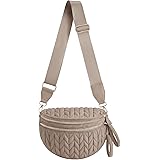
kookoomia Puffer Crossbody Bum Bags for Women, Quilted Trendy Purse, Spacious Expand Fanny Pack for Daily Travel Diaper Mom
$24.98 (as of February 16, 2026 11:56 GMT +02:00 - More infoProduct prices and availability are accurate as of the date/time indicated and are subject to change. Any price and availability information displayed on [relevant Amazon Site(s), as applicable] at the time of purchase will apply to the purchase of this product.)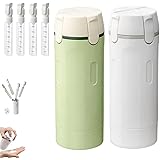
HISKI 4 in 1 Travel Bottles for Toiletries,Portable Travel Toiletries Bottle Set, Portable Containers for Shampoo Lotion Conditioner Cream Transparent with Scale and Label (White+Green-2PCS)
$19.99 (as of February 16, 2026 11:56 GMT +02:00 - More infoProduct prices and availability are accurate as of the date/time indicated and are subject to change. Any price and availability information displayed on [relevant Amazon Site(s), as applicable] at the time of purchase will apply to the purchase of this product.)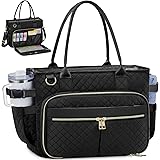
FIORETTO Teacher Tote Bag for Women with Laptop Compartment, Large Cup Holder, Zip Closure, Ideal for Work, Bible, Nurse
$37.99 (as of February 16, 2026 11:56 GMT +02:00 - More infoProduct prices and availability are accurate as of the date/time indicated and are subject to change. Any price and availability information displayed on [relevant Amazon Site(s), as applicable] at the time of purchase will apply to the purchase of this product.)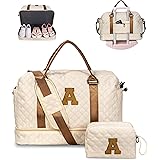
Vogewood Women Birthday Gifts-Gifts for Teenage Girls - Personalized Letter Duffle Bag with Shoe Compartment, Kids Overnight Bag, Women's Travel Bag, Gift for Women Friend Niece Birthday (Letter A)
$33.29 (as of February 16, 2026 11:56 GMT +02:00 - More infoProduct prices and availability are accurate as of the date/time indicated and are subject to change. Any price and availability information displayed on [relevant Amazon Site(s), as applicable] at the time of purchase will apply to the purchase of this product.)
COIDEA, Waterproof Travel Drawstring Shoe Bags for Packing, Storage, Travel Essentials for Men and Women, 15.7 x 11.8 inches, Clear, 5 pieces
$6.29 (as of February 16, 2026 11:56 GMT +02:00 - More infoProduct prices and availability are accurate as of the date/time indicated and are subject to change. Any price and availability information displayed on [relevant Amazon Site(s), as applicable] at the time of purchase will apply to the purchase of this product.)As an Amazon Associate, we earn from qualifying purchases.
14. FAQs for First-Timers
Here are some frequently asked questions to help you plan your first trip to Helsinki.
What currency does Helsinki use?
Finland uses the Euro (EUR). Card payments are widely accepted everywhere, even for small purchases.
Is English widely spoken?
Yes, English proficiency is exceptionally high. Almost everyone speaks fluent English, so communication will not be an issue.
Is Helsinki expensive?
Yes, it is generally considered expensive, comparable to other Nordic capitals. However, the high quality of life and free natural attractions help balance the cost.
Do I need to tip in Helsinki?
No, tipping is not mandatory. Service charges are included in the bill. Rounding up the bill or leaving 5-10% for good service is appreciated, but not expected.
What is the best way to get around?
The tram system is the most convenient way to travel within the city center. The HSL app is the easiest way to buy tickets.
What is Sisu?
Sisu is a Finnish concept that can be roughly translated as stoic determination, grit, bravery, or relentless resolve. It is a core part of the Finnish national character.
15. What’s Next? More Guides to Explore
Your Helsinki adventure awaits! We hope this comprehensive guide has equipped you with all the essential information to plan an unforgettable trip to the Finnish capital. From the tranquility of the sauna to the innovative spirit of Finnish design, Helsinki promises a journey filled with nature, culture, and lasting memories.
Happy travels, and enjoy your incredible journey through the design capital of the North!
🇪🇺 Western Europe Countries
- France Travel Guide
- Spain Travel Guide
- Portugal Travel Guide
- Netherlands Travel Guide
- Belgium Travel Guide
- Luxembourg Travel Guide
- Ireland Travel Guide
- England Travel Guide
🇪🇺 Southern Europe & Balkans Countries
- Italy Travel Guide
- Greece Travel Guide
- Croatia Travel Guide
- Montenegro Travel Guide
- Albania Travel Guide
- Malta Travel Guide
- Bosnia and Herzegovina Travel Guide
- Serbia Travel Guide
- North Macedonia Travel Guide
- Kosovo Travel Guide
🇪🇺 Northern Europe & Nordics Countries
- Sweden Travel Guide
- Norway Travel Guide
- Finland Travel Guide
- Denmark Travel Guide
- Iceland Travel Guide
- Scotland Travel Guide
🇪🇺 Central Europe Countries
- Germany Travel Guide
- Austria Travel Guide
- Switzerland Travel Guide
- Poland Travel Guide
- Czechia Travel Guide
- Hungary Travel Guide
- Slovakia Travel Guide
- Slovenia Travel Guide
🇪🇺 Eastern Europe & Baltics Countries
- Romania Travel Guide
- Bulgaria Travel Guide
- Ukraine Travel Guide
- Moldova Travel Guide
- Lithuania Travel Guide
- Latvia Travel Guide
- Estonia Travel Guide
- Belarus Travel Guide

