

Planning your first adventure to Brussels? You’ve picked the vibrant heart of Europe! This ultimate guide is packed with everything you need to know to make your trip unforgettable. From savoring world-class chocolates and beers to wandering through historic cityscapes, we’ve got you covered.
Brussels, the capital of Belgium, offers a unique blend of rich history, stunning architecture, a quirky comic book culture, and a culinary scene that will delight your taste buds. It’s a city that captivates every traveler, whether you’re exploring the magnificent Grand-Place, tracing the steps of Art Nouveau masters, or simply enjoying a perfectly brewed beer in a cozy pub.
Get ready to discover why Brussels is one of Europe’s most dynamic and rewarding destinations. Let’s dive into the essential tips that will help you plan, budget, and experience the very best of this amazing city.
Table of Contents
- 1. Why Visit Brussels?
- 2. Best Time to Visit Brussels
- 3. Top Attractions in Brussels for First-Timers
- 4. Planning Your Brussels Trip: A Step-by-Step Guide
- 5. Accommodation in Brussels: Where to Stay
- 6. Getting Around Brussels: Transportation Guide
- 7. How Much Does a Trip to Brussels Cost?
- 8. Must-Try Foods and Cultural Delights
- 9. Staying Safe in Brussels
- 10. Solo Travel in Brussels
- 11. Traveling Brussels with Family or as a Senior
- 12. Digital Nomads in Brussels
- 13. Essential Packing List in our Brussels Travel Guide
- 14. FAQs for First-Timers
- 15. What’s Next? More Guides to Explore
1. Why Visit Brussels?
Brussels might be known as a political hub, but it packs a powerful cultural punch! This charming city is a top choice for travelers seeking a rich blend of history, art, and gastronomy without the overwhelming scale of larger European capitals. Its unique position as the heart of Europe makes it truly special.
The Allure of Europe’s Capital
Imagine standing in the breathtaking Grand-Place, indulging in some of the world’s finest chocolates, or discovering a new favorite beer among hundreds of varieties. Brussels offers all this and more. The city boasts a welcoming, international atmosphere, a diverse culinary scene, and a rich cultural heritage that will leave you enchanted.
From its stunning medieval core to its elegant Art Nouveau districts, Brussels promises a journey filled with unforgettable moments. It’s a place where every corner reveals a comic strip mural, and every meal feels like a celebration.
ETIAS Update for Travelers
Good news for travelers! The European Travel Information and Authorization System (ETIAS) is still not required for U.S. and other visa-exempt travelers visiting the Schengen Area. Its implementation has been postponed to mid-2026. This means your entry to Brussels will be as straightforward as it has been in previous years.
Looking for the best hotel or flight deals?
Plan your trip with ease using the Expedia search tool below. From charming boutique hotels to luxury resorts, this widget helps you compare top options in seconds — flights included!
2. Best Time to Visit Brussels
Choosing the right time to visit Brussels can significantly enhance your experience. The city is known for its changeable weather, but each period offers unique charms and considerations.
Spring (March-May): Blooming Beauty & Fewer Crowds
- Weather: Mild and fresh, with temperatures ranging from 8-18°C (46-64°F). Expect a mix of sunshine and light showers.
- Crowds: Fewer crowds than summer, especially in March and April.
- Pros: The city’s parks are vibrant and in bloom. Perfect for city walks and enjoying the first outdoor cafe sessions of the year.
- Cons: Weather can be unpredictable, and some days might be cool or rainy.
Summer (June-August): Vibrant & Lively
- Weather: Warmest months, with temperatures averaging 18-25°C (64-77°F). Long daylight hours.
- Crowds: Peak tourist season, meaning larger crowds at popular sites like the Grand-Place and higher prices for accommodation.
- Pros: Best weather for outdoor activities, festivals (like the Brussels Summer Festival), and enjoying the lively city atmosphere.
- Cons: Can be crowded and more expensive. Booking well in advance is essential.
Autumn (September-November): Golden Hues & Cozy Vibes
- Weather: Mild and crisp, with temperatures from 10-18°C (50-64°F) in early autumn, cooling down by November.
- Crowds: Crowds begin to thin out, especially after September. Prices become more reasonable.
- Pros: Stunning autumnal colors in parks like Parc de Bruxelles, cozy pub atmosphere, and fewer tourists.
- Cons: Days get shorter, and rain becomes more frequent, especially in late autumn.
Winter (December-February): Festive & Charming
- Weather: Cold, with temperatures from 0-8°C (32-46°F). Expect rain and occasional snow.
- Crowds: Fewest tourists (excluding the Christmas market period).
- Pros: The “Winter Wonders” Christmas market is magical, with festive lights and an ice rink. Ideal for cozying up in cafes and exploring museums.
- Cons: Cold, wet, and short daylight hours can limit outdoor sightseeing.
Worried about landing with no signal? Get an Airalo eSIM for your trip — trusted by 20M+ travelers with coverage in 200+ destinations, often cheaper than roaming.
3. Top Attractions in Brussels for First-Timers
Brussels is brimming with incredible places to explore. For your first trip, focus on these iconic destinations that offer a true taste of the city’s diverse appeal.
The Grand-Place (Grote Markt)
This is the heart of Brussels and an absolute must-see. A UNESCO World Heritage site, this central square is surrounded by opulent guildhalls, the stunning Town Hall, and the King’s House. It’s often considered one of the most beautiful squares in the world.
Manneken Pis & Friends
This quirky, small bronze statue of a peeing boy has become a symbol of the city’s irreverent spirit. Don’t forget to seek out his female (Jeanneke Pis) and canine (Zinneke Pis) counterparts scattered around the city center.
The Atomium
Built for the 1958 World’s Fair, this iconic structure represents an iron crystal magnified 165 billion times. You can travel up through the spheres for panoramic views of the city and explore its science and design exhibits.
Art & History Museums
Brussels is a museum lover’s paradise. The Royal Museums of Fine Arts of Belgium house an incredible collection, including works by Flemish masters like Bruegel and Rubens. For modern art, visit the Magritte Museum, dedicated to the famous surrealist painter.
The Comic Book Route
Celebrate Brussels’ love for comics by following the Comic Book Route, a series of large murals painted on buildings throughout the city featuring characters like Tintin, Asterix, and the Smurfs. It’s a fun and unique way to explore different neighborhoods.
European Quarter
Get a glimpse of the political heart of Europe by visiting the European Quarter. You can see the European Parliament building and learn about the EU at the Parlamentarium, an interactive visitor’s center.
4. Planning Your Brussels Trip: A Step-by-Step Guide
Planning your first trip to Brussels is exciting, and its excellent connectivity makes it a breeze. Follow this guide to stay organized and stress-free.
Setting Your Budget & Travel Style
Before anything else, decide on your budget. Brussels can be explored on a shoestring or with luxurious flair. Your budget will influence your choices for accommodation, dining, and activities. Consider if you prefer a fast-paced museum-hopping trip or a more relaxed, food-focused experience.
Crafting Your Itinerary
For a first trip, allow at least 2-3 full days to explore the main highlights of Brussels without rushing. If you have more time, you can delve deeper into specific neighborhoods like Saint-Gilles for Art Nouveau architecture or Ixelles for trendy shops and ponds.
Booking Flights & Accommodation
Book your international flights to Brussels Airport (BRU) 3-6 months in advance for the best prices. Accommodation should be secured around the same time, especially if traveling during peak season (summer) or the Christmas market period. Consider flexible cancellation policies.
Understanding Visa & Entry Requirements
For most nationalities (e.g., US, Canadian, Australian, EU citizens), a visa is not required for tourist stays up to 90 days. Ensure your passport is valid for at least six months beyond your intended departure date. Always check the official Belgian immigration website for the latest requirements.
Securing Travel Insurance
Never travel without comprehensive travel insurance. It protects you from unexpected events like trip cancellations, medical emergencies, lost luggage, and more. It’s a small investment for peace of mind.
5. Accommodation in Brussels: Where to Stay
Brussels offers a vast array of accommodation options to suit every budget and travel style. Choosing the right neighborhood is key to your experience.

City Center (Around Grand-Place): For First-Timers
Staying here puts you in the heart of the action, within walking distance of most major sights. You’ll find everything from grand historic hotels to boutique options. It’s convenient but can be pricey and noisy.
Saint-Géry: For Nightlife & Trendy Vibes
This area is packed with lively bars, restaurants, and a youthful energy. It’s a great spot for those who want to be close to the center but with a more local, vibrant nightlife scene. Hostels and mid-range hotels are common here.
The Sablon: For Luxury & Antiques
An elegant and upscale neighborhood known for its antique shops, art galleries, and chocolatiers. It’s a quieter, more sophisticated area to stay, with many high-end hotels.
Ixelles (Elsene): For a Local, Chic Experience
A diverse and fashionable district popular with locals and expats. It offers beautiful parks, great shopping on Avenue Louise, and a fantastic restaurant scene. It provides a more authentic “live like a local” experience.
Saint-Gilles: For Art Nouveau & Bohemian Charm
This bohemian neighborhood is famous for its stunning Art Nouveau architecture, including the Horta Museum. It has a relaxed, artistic vibe with many independent cafes, bars, and affordable guesthouses and Airbnbs.
6. Getting Around Brussels: Transportation Guide
Navigating Brussels is straightforward thanks to its compact, walkable center and excellent public transport system. Here’s how to get around the city like a pro.

Public Transport (Metro, Trams & Buses): The Best Way to Explore
- Pros: The STIB/MIVB network is efficient, extensive, and connects all corners of the city. The metro is the fastest way to cover longer distances, while trams and buses are great for reaching specific neighborhoods.
- Cons: Can be crowded during peak hours.
- Tickets: Purchase a MOBIB card for reloading or buy single-journey tickets, 1-day, or multi-day passes. You can tap to pay with a contactless card or smartphone for a single fare.
Walking: Ideal for the City Center
- Pros: The historic core of Brussels, from the Grand-Place to the Sablon, is very compact and best explored on foot. Walking allows you to discover hidden alleys, street art, and charming squares.
- Cons: The city has some hills, and cobblestones can be tiring, so wear comfortable shoes.
Bikes & E-Scooters: Fun & Flexible
- Pros: Shared bike schemes (like Villo!) and e-scooters (from providers like Lime and Dott) are popular for short trips. They offer a fun and flexible way to get around.
- Cons: Can be more expensive for longer distances. Be mindful of traffic and where you park.
Taxis & Ride-Sharing
- Pros: Convenient for direct routes, late-night travel, or getting to/from the airport with luggage.
- Cons: The most expensive option. Traffic can be heavy, making it slower than the metro at times. Uber is available in Brussels.
Want to save on train tickets? Search routes and compare prices on Omio — and check for available discounts or referral credit when you book (offers can vary by location/account).
7. How Much Does a Trip to Brussels Cost?
Understanding the costs involved in your Brussels adventure helps you plan a realistic budget. Brussels is moderately priced for a Western European capital, and with smart planning, you can enjoy it without breaking the bank.
Daily Budget Breakdown (Per Person)
- Budget Traveler (€50-€80 per day):
- Accommodation: Hostel dorm bed (€25-€40).
- Food: Street food (frites, waffles), supermarket snacks, cooking in a hostel (€15-€25).
- Transport: Mostly walking, occasional public transport (€5-€10).
- Activities: Free walking tours, enjoying parks (€5-€10).
- Mid-Range Traveler (€100-€180 per day):
- Accommodation: Mid-range hotel or private Airbnb room (€60-€100).
- Food: Mix of casual restaurants, cafes, and street food (€30-€50).
- Transport: Public transport day pass (€8-€15).
- Activities: Paid museums and attractions (€15-€30).
- Luxury Traveler (€250+ per day):
- Accommodation: 4-5 star hotel (€150+).
- Food: Fine dining and multi-course meals (€70+).
- Transport: Taxis, ride-sharing, guided tours (€30+).
- Activities: Private tours, premium experiences (€50+).
Money-Saving Tips in Brussels
- Get a public transport pass (e.g., a 1-day or multi-day pass) if you plan to use it frequently.
- Look for lunch specials (“plat du jour”) which offer great value.
- Eat frites and waffles from street vendors for a cheap and delicious meal.
- Take advantage of free museum days (usually the first Sunday of the month at many museums).
- Drink tap water – it’s safe and free.
- Buy your Belgian chocolates from a supermarket (like Côte d’Or) for a more affordable option than boutique shops.
8. Must-Try Foods and Cultural Delights
Brussels’ culinary scene is legendary, and experiencing it is an essential part of your visit. From world-renowned chocolates to exceptional beers, the city offers a feast for all your senses.

Iconic Brussels Foods You Must Try
- Belgian Chocolate: Brussels is the capital of chocolate. Visit renowned chocolatiers in the Sablon or Galeries Royales Saint-Hubert like Pierre Marcolini, Neuhaus, or Godiva. Don’t miss trying pralines.
- Brussels Waffles: The local specialty! The Brussels waffle is light, crispy, and rectangular. Enjoy it simply with powdered sugar or go all out with toppings like fruit, cream, and chocolate.
- Frites (Belgian Fries): You can’t leave Brussels without trying fries from a traditional “fritkot” (fry shack). They are double-fried for extra crispiness and served in a paper cone with a sauce of your choice (try the andalouse or samurai sauce!).
- Moules-Frites (Mussels and Fries): A classic Belgian dish. Head to the streets around Place Sainte-Catherine to find restaurants specializing in mussels, typically steamed in white wine and celery.
- Belgian Beer: With countless bars and beer cafes, Brussels is a beer lover’s paradise. Try a sour Lambic or Gueuze, which are unique to the region, or a strong Trappist ale. Delirium Café famously has thousands of beers on its menu.
Cultural Experiences & Etiquette
- Pub Culture: Belgian pubs (cafes) are social hubs. Each beer is served in its own specific glass to enhance its flavor. Take your time and savor the experience.
- Comic Strip Culture: Brussels is the birthplace of Tintin and The Smurfs. Visit the Belgian Comic Strip Center and hunt for the comic murals scattered across the city.
- Art Nouveau: Brussels was a center of the Art Nouveau movement. Visit the Horta Museum or simply walk through the Saint-Gilles and Ixelles neighborhoods to admire the architecture.
9. Staying Safe in Brussels
Brussels is generally a very safe city for travelers. With some basic precautions and awareness, you can enjoy your trip with peace of mind.
Common Safety Concerns & Prevention
- Pickpocketing & Petty Theft: This is the most common issue, especially in crowded tourist areas like the Grand-Place, Central Station, and Midi Station (Zuidstation), and on busy metro lines. Keep your valuables secure, use a bag with a zipper, and be aware of your surroundings.
- Scams: Be cautious of distraction techniques, such as someone spilling something on you or asking for help with a map while an accomplice tries to take your wallet. Politely refuse and walk away.
- “No-Go” Zones: While Brussels is largely safe, it’s wise to be extra cautious at night around the major train stations (Midi and North). Some parts of Molenbeek and Anderlecht are best avoided by tourists late at night if you are unfamiliar with them.
Emergency Information
- Emergency Services: Dial 112 for police, fire, or ambulance.
- Police (non-emergency): Dial 101.
- Embassy Contacts: Keep your country’s embassy contact information handy. Most are located in Brussels.
Health & Medical Care
Brussels has excellent healthcare. Pharmacies (marked with a green cross) are widely available for minor health issues and advice. For more serious issues, head to a hospital emergency room (“urgences”). Comprehensive travel insurance is essential for non-EU visitors.
10. Solo Travel in Brussels
Brussels is an excellent destination for solo travelers! The city’s compact size, efficient transport, international vibe, and safe environment make it perfect for exploring on your own.
Why Brussels is Perfect for Solo Travel
- Safety: Brussels is a safe city for solo travelers, including women. Standard urban precautions apply, but the friendly, international atmosphere is very welcoming.
- Easy Navigation: The city center is very walkable, and the public transport system is easy to use, making it simple to get around without a car or companion.
- Social Opportunities: With its huge expat community and thriving hostel scene, it’s easy to meet other travelers and locals. Pubs and cafes are very solo-friendly.
Best Solo Travel Experiences
- Museum Hopping: Explore the city’s world-class museums at your own pace.
- Food & Beer Tours: Join a group tour to sample chocolates, waffles, and beers while meeting new people.
- People-Watching: Grab a seat at a cafe on the Grand-Place or Place Saint-Géry and watch the world go by.
- Join a Free Walking Tour: A great way to get your bearings, learn about the city’s history, and meet fellow travelers on your first day.
11. Traveling Brussels with Family or as a Senior
Brussels welcomes travelers of all ages! Whether you’re planning a multi-generational family trip or exploring as a senior traveler, the city offers experiences and amenities to ensure everyone has a memorable time.
Family Travel in Brussels
- Kid-Friendly Attractions:
- Atomium & Mini-Europe: A fantastic duo for a full day of fun. Kids love the futuristic Atomium and the miniature European landmarks.
- Museum of Natural Sciences: Home to one of Europe’s largest dinosaur galleries.
- Belgian Comic Strip Center: Fun for all ages, especially if your family loves Tintin or The Smurfs.
- Chocolate Workshops: Many chocolatiers offer hands-on workshops where kids can make their own treats.
- Family-Friendly Tips: Most museums offer family discounts, and the public transport system is stroller-friendly. The large Parc de Bruxelles is perfect for letting kids run around.
Senior Travel in Brussels
- Accessibility & Comfort: The city center is mostly flat, but be prepared for cobblestones. The metro and tram systems are efficient and have elevators or escalators at most major stations.
- Ideal Senior Experiences:
- Guided Bus Tours: A comfortable way to see the main sights without too much walking.
- Museums: Many museums offer senior discounts (bring ID) and have benches for resting.
- Traditional Cafes: Perfect for leisurely meals and people-watching.
- Musical Performances: Enjoy a classical concert at the Bozar or an opera at La Monnaie.
12. Digital Nomads in Brussels
As a major international hub, Brussels is an excellent choice for digital nomads, offering superb infrastructure, a large expat community, and a high quality of life.
Why Choose Brussels for Remote Work
- Excellent Infrastructure: Brussels has fast, reliable internet. Free Wi-Fi is common in cafes, libraries, and public spaces.
- Strategic Location: The perfect base for exploring Europe. Paris, Amsterdam, and Cologne are just a short train ride away for weekend trips.
- Networking Opportunities: The huge international and expat community means endless opportunities for networking, both professionally and socially.
- Work-Life Balance: The city has a vibrant culture with plenty of museums, parks, bars, and restaurants to enjoy after work.
Coworking Spaces & Work-Friendly Cafes
- Popular Coworking Spaces: Spaces like Silversquare, Betacowork, and The Loft offer flexible memberships and a strong community feel.
- Work-Friendly Cafes: Many cafes in areas like Ixelles and Saint-Gilles welcome laptop users. Look for places with plenty of seating and good Wi-Fi, such as Jat’ Café or Peck 47.
Practical Considerations
- Cost of Living: Higher than many nomad hotspots but reasonable for a major Western European capital. Budget around €2,000-€3,000/month for a comfortable lifestyle.
- Visa: EU citizens can work freely. Non-EU citizens must secure the appropriate long-stay visa if planning to stay more than 90 days.
Looking for a smarter way to manage your travel money? Wise offers real exchange rates with no hidden fees, making it the perfect companion for international trips.
13. Essential Packing List in our Brussels Travel Guide
Packing smart for Brussels means preparing for changeable weather and lots of walking on cobblestones. Here’s your essential packing guide.
Clothing Essentials
- Waterproof Jacket & Small Umbrella: Essential year-round, as rain is always a possibility.
- Comfortable Walking Shoes: This is non-negotiable. Your feet will thank you after a day on the cobblestones.
- Layers: T-shirts, sweaters, and a light jacket or cardigan to adapt to changing temperatures.
- A Slightly Dressier Outfit: For a nice dinner or a night out. Brussels has a sophisticated side.
Technology & Electronics
- Universal Power Adapter: Belgium uses Type E plugs.
- Portable Charger/Power Bank: For keeping your phone charged during long days of sightseeing and navigating.
Documents & Money
- Passport/ID
- Credit/Debit Cards & Some Euros in Cash
- Copies of Important Documents
Useful Extras
- Reusable Water Bottle: Tap water is safe to drink.
- Small Daypack: For carrying your daily essentials.
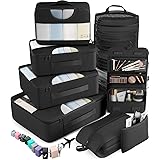
Veken 10 Set/8 Set Packing Cubes for Travel Essentials, Suitcase Organizer Bags in 4 Sizes, Carry-On Luggage Accessories with Laundry & Toiletry Bag, Airplane Must-Have, Road Trip & Camp Gifts for Men
$28.91 (as of March 21, 2026 17:18 GMT +02:00 - More infoProduct prices and availability are accurate as of the date/time indicated and are subject to change. Any price and availability information displayed on [relevant Amazon Site(s), as applicable] at the time of purchase will apply to the purchase of this product.)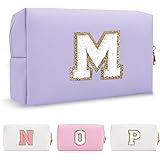
Personalized Makeup Bag Initial A-Z Preppy Patch Bag,Small PU Leather Travel Cosmetic Bag Pouch with Zipper,Purple Cute Toiletry Bag,Gift Ideal for Teen Girls Women Birthday Friend Mom,Latter M
$6.97 (as of March 21, 2026 17:18 GMT +02:00 - More infoProduct prices and availability are accurate as of the date/time indicated and are subject to change. Any price and availability information displayed on [relevant Amazon Site(s), as applicable] at the time of purchase will apply to the purchase of this product.)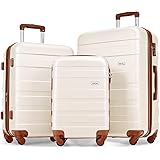
Luggage 3 Pcs ABS Hardside Luggage Sets Spinner Wheels Suitcases
$79.99 (as of March 21, 2026 17:18 GMT +02:00 - More infoProduct prices and availability are accurate as of the date/time indicated and are subject to change. Any price and availability information displayed on [relevant Amazon Site(s), as applicable] at the time of purchase will apply to the purchase of this product.)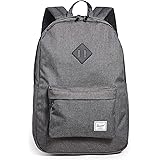
Herschel Heritage Backpack, Black Crosshatch/Black Rubber, Classic 21.5L
(as of March 21, 2026 17:18 GMT +02:00 - More infoProduct prices and availability are accurate as of the date/time indicated and are subject to change. Any price and availability information displayed on [relevant Amazon Site(s), as applicable] at the time of purchase will apply to the purchase of this product.)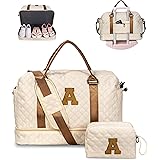
Vogewood Easter Gifts-Women Birthday Gifts-Gifts for Teenage Girls-Personalized Duffle Bag with Shoe Compartment, Kids Overnight Bag,Travel Weekend Bag, Gift for Women Friend Niece Birthday (Letter A)
$37.99 (as of March 21, 2026 17:18 GMT +02:00 - More infoProduct prices and availability are accurate as of the date/time indicated and are subject to change. Any price and availability information displayed on [relevant Amazon Site(s), as applicable] at the time of purchase will apply to the purchase of this product.)As an Amazon Associate, we earn from qualifying purchases.
14. FAQs for First-Timers
Here are answers to the most common questions first-time visitors have about traveling to Brussels.
How many days do I need in Brussels?
For a first visit, 2-3 days is enough to see the main highlights. If you want to explore more museums and neighborhoods in-depth, or use it as a base for day trips, 4-5 days is ideal.
What’s the best way to get from Brussels Airport (BRU) to the city center?
The train is the fastest and most efficient option. It takes about 20 minutes to reach Brussels Central Station and costs around €10. It’s much cheaper and often faster than a taxi.
Is Brussels a walkable city?
Yes, the city center is very walkable. Most major attractions like the Grand-Place, Manneken Pis, and the Sablon are within a 15-minute walk of each other. For attractions further out, like the Atomium, public transport is recommended.
Is Brussels expensive?
It can be, but it’s manageable. It’s a moderately expensive European capital. Accommodation and dining at restaurants in the tourist center are the biggest costs, but you can save money by eating street food and using public transport.
Can I drink tap water in Brussels?
Yes, the tap water in Brussels is high quality and perfectly safe to drink. Bring a reusable bottle to save money and reduce plastic waste.
Are shops open on Sundays?
Most shops and supermarkets are closed on Sundays. However, some shops in tourist areas (like near the Grand-Place) and smaller convenience stores (“night shops”) will be open.
15. What’s Next? More Guides to Explore
Your Brussels adventure is just the beginning! With this guide as your foundation, you’re now equipped to delve deeper into the city’s captivating charm. Brussels’ central location and excellent train connections also make it an ideal springboard for exploring other Belgian cities like Bruges and Ghent, or even venturing to Paris, Amsterdam, or Cologne.
Happy travels, and enjoy your unforgettable journey through Brussels!
🇪🇺 Western Europe Countries
- France Travel Guide
- Spain Travel Guide
- Portugal Travel Guide
- Netherlands Travel Guide
- Belgium Travel Guide
- Luxembourg Travel Guide
- Ireland Travel Guide
- England Travel Guide
🇪🇺 Southern Europe & Balkans Countries
- Italy Travel Guide
- Greece Travel Guide
- Croatia Travel Guide
- Montenegro Travel Guide
- Albania Travel Guide
- Malta Travel Guide
- Bosnia and Herzegovina Travel Guide
- Serbia Travel Guide
- North Macedonia Travel Guide
- Kosovo Travel Guide
🇪🇺 Northern Europe & Nordics Countries
- Sweden Travel Guide
- Norway Travel Guide
- Finland Travel Guide
- Denmark Travel Guide
- Iceland Travel Guide
- Scotland Travel Guide
🇪🇺 Central Europe Countries
- Germany Travel Guide
- Austria Travel Guide
- Switzerland Travel Guide
- Poland Travel Guide
- Czechia Travel Guide
- Hungary Travel Guide
- Slovakia Travel Guide
- Slovenia Travel Guide
🇪🇺 Eastern Europe & Baltics Countries
- Romania Travel Guide
- Bulgaria Travel Guide
- Ukraine Travel Guide
- Moldova Travel Guide
- Lithuania Travel Guide
- Latvia Travel Guide
- Estonia Travel Guide
- Belarus Travel Guide

