

Dreaming of Gaudí’s whimsical architecture, sun-drenched Mediterranean beaches, vibrant tapas bars, and ancient Gothic alleyways? Barcelona, a city bursting with artistic flair, history, and an unparalleled zest for life, is calling your name. Whether you’re a curious first-timer eager to explore its iconic landmarks, a solo adventurer seeking cultural immersion, a family dreaming of city and sea, a senior traveler desiring a relaxed pace, or a digital nomad looking for inspiring workspaces, this ultimate guide is crafted just for you.
At Tripstou.com, we’re passionate about transforming travel aspirations into seamless, extraordinary realities. This comprehensive resource is brimming with invaluable insights on crafting your itinerary, managing expenses, exploring iconic locales, navigating transportation, ensuring your safety, and so much more. Prepare to immerse yourself in the authentic charm of Catalonia and witness your Barcelona dreams unfold before your eyes!
Table of Contents
- 1. Why Visit Barcelona?
- 2. Best Time to Travel by Season
- 3. Top Destinations for First-Time Visitors
- 4. Where to Stay: Budget to Luxury
- 5. First-Time in Barcelona: What You Need to Know
- 6. Solo Travel in Barcelona
- 7. Traveling Barcelona with Family or as a Senior
- 8. Digital Nomads in Barcelona
- 9. How Much Does a Trip to Barcelona Cost?
- 10. Getting Around: Metro, Buses, Walking
- 11. Must-Try Foods and Cultural Tips
- 12. Sample Itineraries in our Barcelona Travel Guide
- 13. Travel Tools, Resources & Safety
- 14. FAQs for First-Time Visitors
- 15. What’s Next? More Guides to Explore
1. Why Visit Barcelona?
Barcelona presents a truly golden opportunity for your first visit. The city is a vibrant blend of historic Catalan culture and modern, forward-thinking design. Its unique architecture, from the medieval Gothic Quarter to the Modernisme masterpieces of Gaudí, offers a visual feast unlike any other European city.
The city’s tourism sector is thriving, with a renewed buzz and an incredible array of cultural and culinary experiences waiting to be discovered. As a leader in smart and sustainable tourism, Barcelona continues to innovate, ensuring its unique heritage and vibrant neighborhoods are preserved for generations to come.
Furthermore, Barcelona offers incredible value. While it’s a major European hub, you can often find more affordable options for world-class cuisine, accommodation, and experiences compared to cities like Paris or London. This makes it an ideal choice for travelers seeking both quality and affordability.
Crucially for many first-time visitors, the implementation of the European Travel Information and Authorisation System (ETIAS), which would require pre-travel authorization for visa-exempt visitors, has been delayed. ETIAS is now projected to begin in mid-2026. This means that for your trip, the current visa-exempt entry rules will remain in effect, simplifying your pre-trip preparations.
2. Best Time to Travel by Season
Choosing the right time to visit Barcelona can significantly impact your experience. Each season offers unique charms, catering to different travel styles and preferences. Let’s break it down for you.
Spring (March to May)
- Pros: Pleasant temperatures (15-22°C / 59-72°F), blooming parks, and fewer crowds than summer. Ideal for sightseeing, walking for hours, and enjoying outdoor terraces. Key events like Sant Jordi’s Day (April 23) offer a unique cultural experience.
- Cons: Can be unpredictable weather-wise, with occasional rain showers.
- Best For: Cultural exploration, city breaks, and enjoying the city before the peak season rush.
Summer (June to August)
- Pros: Hot, sunny weather, long daylight hours, and a vibrant festival atmosphere (e.g., Festa Major de Gràcia). Perfect for beach days at Barceloneta, rooftop bars, and lively nightlife.
- Cons: Peak tourist season means large crowds, higher prices, and intense heat and humidity (25-30°C+ / 77-86°F+).
- Best For: Beach lovers, festival-goers, and those who thrive in a bustling, high-energy environment.
Autumn (September to October)
- Pros: Milder temperatures (20-25°C / 68-77°F), diminishing crowds, and the sea is still warm enough for swimming in September. The city’s biggest festival, La Mercè, takes place in late September.
- Cons: Days get shorter, and the chance of rain increases, especially in October.
- Best For: Enjoying pleasant weather, cultural festivals, and sightseeing with fewer people.
Winter (November to February)
- Pros: Fewest tourists, lower prices, and festive Christmas markets. A great time to explore museums and enjoy cozy cafes without the queues.
- Cons: Can be cool and damp (8-15°C / 46-59°F), with shorter daylight hours.
- Best For: Budget travel, Christmas markets, and a more relaxed, local-feeling city break.
Recommendation for First-Timers: For the perfect balance of great weather and manageable crowds, consider late spring (May) or early autumn (September). These shoulder months offer the best of Barcelona without the intense summer heat or crowds.
3. Top Destinations for First-Time Visitors
For your first Barcelona adventure, it’s wise to focus on the iconic sights that define the city’s unique character. These destinations provide an excellent introduction to Gaudí’s genius and Catalonia’s rich history.
- Sagrada Família: Gaudí’s Unfinished Masterpiece. An absolute must-see, this breathtaking basilica has been under construction for over a century. Its intricate facades and nature-inspired interior are unlike anything else in the world. Book tickets far in advance.
- Park Güell: A Whimsical Public Park. Another Gaudí marvel, this park offers stunning panoramic views of the city. Famous for its mosaic-covered benches, dragon statue, and fairytale-like gatehouses. The “Monumental Zone” requires a ticket.
- Gothic Quarter (Barri Gòtic): The Heart of Old Barcelona. Get lost in the labyrinth of narrow, ancient streets. Discover hidden plazas, the magnificent Barcelona Cathedral, and remnants of the city’s Roman walls. It’s an atmospheric journey back in time.
- Casa Batlló & Casa Milà (La Pedrera): Gaudí’s Architectural Gems. Located on the elegant Passeig de Gràcia, these two apartment buildings showcase Gaudí’s imaginative design. Casa Batlló is known for its skeletal facade and colorful mosaics, while Casa Milà features an undulating stone exterior and a surreal rooftop chimney park.
- La Boqueria Market: A Feast for the Senses. Just off La Rambla, this bustling public market is a vibrant explosion of colors, sounds, and smells. Grab a fresh fruit juice, sample some jamón ibérico, or have a seafood lunch at one of the small counter bars.
- The Beaches: Barceloneta & Beyond. Barcelona’s coastline offers a perfect city escape. Barceloneta is the most famous and accessible beach, but for a more relaxed vibe, head further up to Bogatell or Mar Bella beaches.
- Montjuïc Hill: Culture, Gardens, and Views. This broad hill overlooking the harbor is home to the National Art Museum of Catalonia (MNAC), the Joan Miró Foundation, the 1992 Olympic Stadium, and the magical Montjuïc Fountain show.
Tip: Consider purchasing a tourist card like the “Hola Barcelona Travel Card” for unlimited public transport or the “Barcelona Card” which includes transport and free entry to many museums.
Looking for the best hotel or flight deals?
Plan your trip with ease using the Expedia search tool below. From charming boutique hotels to luxury resorts, this widget helps you compare top options in seconds — flights included!
4. Where to Stay: Budget to Luxury
Barcelona’s diverse neighborhoods (barris) offer a vast array of accommodation options to suit every budget and travel style. Your choice of neighborhood will significantly shape your experience.

- Gothic Quarter (Barri Gòtic):
- Best For: First-timers who want to be in the heart of the action and history.
- What to Expect: Charming boutique hotels and hostels tucked into historic buildings.
- Pros: Central, atmospheric, walkable to many sights.
- Cons: Can be noisy at night, streets can be a maze.
- El Born:
- Best For: Travelers seeking trendy boutiques, cool bars, and a vibrant, artsy atmosphere.
- What to Expect: Stylish apartments and chic hotels near the Picasso Museum.
- Pros: Very fashionable, great nightlife and dining.
- Cons: Can be pricey and crowded.
- Eixample:
- Best For: Lovers of architecture, high-end shopping, and a more organized, spacious feel.
- What to Expect: A grid-like layout with wide avenues, home to many of Gaudí’s works and upscale hotels.
- Pros: Safe, elegant, great transport links, quieter than the old city.
- Cons: Can lack the “old world” charm of the Gothic Quarter.
- Gràcia:
- Best For: Travelers wanting a bohemian, village-like feel with a local vibe.
- What to Expect: Independent shops, leafy plazas, and a strong community feel.
- Pros: Authentic, less touristy, great for longer stays.
- Cons: Further from the main central attractions (but well-connected by metro).
- Poblenou:
- Best For: Digital nomads, tech enthusiasts, and those who want to be near the beach but away from the central crowds.
- What to Expect: A former industrial area transformed into a modern tech hub with co-working spaces, modern apartments, and easy beach access.
- Pros: Modern, near the beach, quieter vibe.
- Cons: Lacks the historic feel of other neighborhoods.
Booking Tips:
- Book in Advance: Barcelona is extremely popular. Booking 3-6 months ahead is crucial for peak season to secure good prices and availability.
- Read Reviews: Always check recent reviews for comments on noise levels, cleanliness, and location.
- Location is Key: Prioritize accommodation near a metro station to make exploring the city effortless.
- Tourist Tax: Be aware that Barcelona charges a nightly tourist tax, which is usually paid directly to your accommodation.
5. First-Time in Barcelona: What You Need to Know
Navigating a new city can be daunting, but a little preparation goes a long way. Here’s what every first-timer needs to know for a smooth Barcelona journey.
Visa & Entry Requirements
- Schengen Area: Spain is part of the Schengen Area, allowing visa-free travel for up to 90 days within any 180-day period for many nationalities (e.g., US, Canadian, Australian citizens).
- ETIAS Delay: The European Travel Information and Authorisation System (ETIAS) is not yet in effect. It is now projected to launch in mid-2026.
- Passport Validity: Ensure your passport is valid for at least six months beyond your intended departure date from the Schengen Area.
Currency & Money
- Euro (€): The Euro is the official currency.
- Credit/Debit Cards: Widely accepted. Contactless payment is very common.
- ATMs (Cajeros Automáticos): Readily available. Stick to bank-affiliated ATMs to avoid high fees.
- Carrying Cash: It’s wise to carry some cash for small purchases at local markets or small tapas bars.
Language & Communication
- Catalan & Spanish: Barcelona is bilingual. You will see signs and hear both Catalan and Spanish. Both are official languages.
- English: Widely spoken in all tourist areas, hotels, and restaurants.
- Basic Phrases: Learning “Hola” (hello), “Gràcies/Gracias” (thank you), “Si us plau/Por favor” (please), and “Adéu/Adiós” (goodbye) will be appreciated.
Cultural Etiquette
- Meal Times: Meals are later than in many other countries. Lunch is typically 2-4 PM, and dinner rarely starts before 9 PM.
- Siesta: While major shops and attractions remain open, many smaller, family-run businesses will close for a few hours in the afternoon.
- Noise Levels: Barcelona is a lively, bustling city. Embrace the energetic atmosphere!
Safety & Scams
- Pickpocketing: Barcelona is notorious for pickpocketing. Be extremely vigilant in crowded areas like La Rambla, the metro, and at major tourist sites. Use a money belt or a secure cross-body bag and never leave your phone on a cafe table.
- Scams: Be aware of common tourist scams (e.g., “friendship bracelet” scam, people asking you to sign a petition as a distraction). Politely but firmly decline and walk away.
- Emergency Numbers: The universal emergency number is 112.
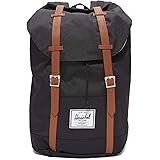
Herschel Retreat Backpack, Black, Classic 19.5L
(as of March 21, 2026 17:18 GMT +02:00 - More infoProduct prices and availability are accurate as of the date/time indicated and are subject to change. Any price and availability information displayed on [relevant Amazon Site(s), as applicable] at the time of purchase will apply to the purchase of this product.)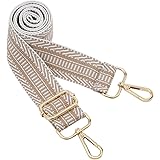
ZOOEASS Wide Shoulder Strap Adjustable Replacement Belt Crossbody Canvas Bag Handbag
$7.49 (as of March 21, 2026 17:18 GMT +02:00 - More infoProduct prices and availability are accurate as of the date/time indicated and are subject to change. Any price and availability information displayed on [relevant Amazon Site(s), as applicable] at the time of purchase will apply to the purchase of this product.)
travel inspira Luggage Scale, Portable Digital Hanging Baggage Scale for Travel, Suitcase Weight Scale with Rubber Paint, 110 Pounds, Battery Included
$9.99 (as of March 21, 2026 17:18 GMT +02:00 - More infoProduct prices and availability are accurate as of the date/time indicated and are subject to change. Any price and availability information displayed on [relevant Amazon Site(s), as applicable] at the time of purchase will apply to the purchase of this product.)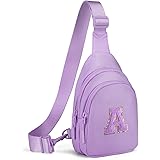
Viverte Small Initial Sling Bag for Girls & Women - Cute Crossbody Fanny Pack Gift
$17.99 (as of March 21, 2026 17:18 GMT +02:00 - More infoProduct prices and availability are accurate as of the date/time indicated and are subject to change. Any price and availability information displayed on [relevant Amazon Site(s), as applicable] at the time of purchase will apply to the purchase of this product.)
Teyssor Spray Bottles Water Spray Bottle 2 Packs- BPA Free -10 oz/300 ml Plastic Refillable Containers Fine Mist Small Spray Bottle with Adjustable Nozzle for Hair, Cooking, Cleaning
$6.99 (as of March 21, 2026 17:18 GMT +02:00 - More infoProduct prices and availability are accurate as of the date/time indicated and are subject to change. Any price and availability information displayed on [relevant Amazon Site(s), as applicable] at the time of purchase will apply to the purchase of this product.)As an Amazon Associate, we earn from qualifying purchases.
6. Solo Travel in Barcelona
Barcelona is a fantastic destination for solo travelers, offering a great mix of culture, nightlife, and opportunities to meet people. Its excellent public transport and walkable neighborhoods make it easy to explore alone.
- Safety First:
- Pickpocketing Awareness: As a solo traveler, you can be a target. Be extra cautious with your belongings. Don’t be distracted.
- Stay in Safe Neighborhoods: Choose well-reviewed hostels or hotels in areas like Eixample or Gràcia.
- Share Your Itinerary: Let a friend or family member know your daily plans.
- Meeting People:
- Hostels: The city has a huge number of social hostels with organized events, pub crawls, and walking tours.
- Walking & Food Tours: A great way to see the city and connect with fellow travelers over tapas or history.
- Language Exchanges (Intercambios): Look for local “intercambio” events in bars to practice your Spanish/Catalan and meet locals.
- Embrace Solitude: Enjoy the freedom of getting lost in the Gothic Quarter at your own pace, spending an entire afternoon at a museum, or simply people-watching from a sunny plaza.
7. Traveling Barcelona with Family or as a Senior
Barcelona caters wonderfully to all ages, but specific considerations can enhance trips for families and senior travelers.
Traveling with Family
- Kid-Friendly Attractions: Beyond the beaches, kids will love the Tibidabo Amusement Park, the Barcelona Aquarium, the Chocolate Museum, and the whimsical shapes of Park Güell.
- Accommodation: Renting an apartment in a neighborhood like Gràcia or Poblenou can provide more space and a kitchen.
- Transportation: The metro is efficient, but be prepared for stairs at some stations. Buses can be easier with a stroller.
- Pacing: Don’t overschedule. Allow for downtime at a park or the beach. Remember the later meal times and pack snacks.
Traveling as a Senior
- Accessibility: The Gothic Quarter’s uneven streets can be challenging. The Eixample neighborhood is flat and easier to navigate. The “Bus Turístic” (hop-on-hop-off bus) is an excellent, low-exertion way to see the main sights.
- Pacing: Opt for a slower pace. Focus on one or two attractions per day and take advantage of the city’s many benches and cafes.
- Discounts: Many museums and attractions offer senior discounts. Always carry ID and ask.
- Comfort: Prioritize comfortable shoes. Book accommodation with an elevator and near a metro stop.
8. Digital Nomads in Barcelona
Barcelona is a world-class hub for digital nomads, boasting a massive international community, countless co-working spaces, and an unbeatable lifestyle that blends work, culture, and beach life.
- Digital Nomad Visa: Spain’s Digital Nomad Visa allows non-EU citizens to live and work remotely in Barcelona for up to one year (with renewals possible).
- Best Neighborhoods for Nomads:
- Poblenou: The heart of the tech scene (@22 district), full of co-working spaces and close to the beach.
- Gràcia: A bohemian vibe with a strong community feel and many laptop-friendly cafes.
- Eixample: Centrally located, well-connected, and full of amenities.
- Connectivity: Excellent and fast fiber-optic internet is widely available.
- Cost of Living: Higher than in other Spanish cities but still reasonable compared to other major European tech hubs. Rent is the biggest expense.
- Co-working Spaces: A huge variety, from large chains like WeWork to smaller, community-focused spaces.
9. How Much Does a Trip to Barcelona Cost?
The cost of a trip to Barcelona can vary, but it’s generally a moderately expensive European city. Here’s a general breakdown to help you budget.
Daily Cost Estimates (Per Person)
- Budget Traveler: €60-€100 / $66-110 USD per day
- Accommodation: Hostel dorms.
- Food: Supermarket meals, “bocadillos” (sandwiches), and market food.
- Transport: Walking, public transport passes.
- Activities: Free walking tours, parks, free museum entry times.
- Mid-Range Traveler: €120-€220 / $132-242 USD per day
- Accommodation: Mid-range hotels, private Airbnb rooms.
- Food: Mix of “menú del día” (set lunch menus), casual restaurants, and some self-catering.
- Transport: Public transport, occasional taxis.
- Activities: Paid entry to major attractions like Sagrada Familia.
- Luxury Traveler: €250+ / $275+ USD per day
- Accommodation: Luxury or boutique hotels.
- Food: Fine dining, rooftop bars, and frequent restaurant meals.
- Transport: Taxis, private transfers.
- Activities: Private tours, skip-the-line-all-access passes.
Cost-Saving Tips
- Eat a “Menú del Día”: The set lunch menu on weekdays is the best-value meal you’ll find.
- Use Public Transport: Buy a T-casual (10 journeys) or Hola Barcelona card for savings.
- Book Attractions Online & In Advance: This not only saves time but sometimes money.
- Find Free Activities: Enjoy the beaches, wander the Gothic Quarter, and check for free museum entry days (often the first Sunday of the month or Sunday afternoons).
- Refill Your Water Bottle: Tap water is safe to drink.
10. Getting Around: Metro, Buses, Walking
Barcelona’s public transportation system is modern, efficient, and makes getting around the city a breeze. Walking is also one of the best ways to discover its charming neighborhoods.

Metro
- Pros: The fastest and most efficient way to cover longer distances. The network is extensive, clean, and easy to navigate.
- Cons: Can get very crowded during peak hours. Be extremely aware of pickpockets.
- Tickets: Don’t buy single tickets. Opt for a T-casual (10 journeys, can’t be shared simultaneously) or a T-familiar (8 journeys, can be shared). The Hola Barcelona Travel Card offers unlimited travel for a set number of days.
Buses
- Pros: A comprehensive network that reaches areas the metro doesn’t. Allows you to see the city as you travel.
- Cons: Can be slower than the metro due to traffic.
Walking
- Pros: The best way to explore neighborhoods like the Gothic Quarter, El Born, and Gràcia. You’ll discover hidden plazas, shops, and cafes you’d otherwise miss.
- Cons: The city is large, so you’ll need to combine walking with public transport to see everything.
Taxis & Ride-Hailing
- Pros: Convenient, especially for late nights or getting to/from the airport with luggage.
- Cons: The most expensive option. Official yellow-and-black taxis are plentiful. Apps like Cabify and Free Now operate in the city.
Recommendation: A combination of walking for neighborhood exploration and using the metro for longer distances is the perfect strategy for navigating Barcelona.
11. Must-Try Foods and Cultural Tips
Catalan cuisine is a highlight of any trip to Barcelona, celebrating fresh, seasonal ingredients from both the sea and the mountains. Prepare for a culinary adventure!

Essential Catalan & Spanish Foods to Try
- Pa amb Tomàquet: The simple and iconic Catalan starter. Bread rubbed with fresh tomato, garlic, and drizzled with olive oil.
- Tapas/Pintxos: While tapas are from Spain, Barcelona has its own excellent scene. Try “bombas” (a potato croquette), “esqueixada” (salt cod salad), and pintxos (small snacks on bread) in areas like Poble-sec.
- Fideuà: Similar to paella but made with short, thin noodles instead of rice. A Catalan coastal specialty.
- Crema Catalana: The region’s famous dessert, similar to crème brûlée but with a citrus-infused custard and a burnt sugar top.
- Escalivada: Smoky grilled vegetables (eggplant, red peppers, onions) drizzled with olive oil.
- Cava: Catalonia is the home of Cava, Spain’s famous sparkling wine. Visit a Cava bar (xampanyeria) for a glass.
- Vermut (Vermouth): Enjoying a glass of local vermouth with some olives before lunch is a cherished weekend ritual.
Dining Etiquette & Cultural Tips
- Late Meal Times: Lunch is from 2-4 PM, and dinner starts at 9 PM or later. Plan accordingly.
- “Menú del Día”: Look for this fixed-price lunch menu on weekdays for an amazing value.
- Tipping: Not obligatory, but rounding up the bill or leaving 5-10% for excellent service is appreciated.
- Catalan Identity: Be mindful that you are in Catalonia, a region with its own distinct language, culture, and history. Using a few words in Catalan (like “Bon dia” for good morning) is a nice touch.
12. Sample Itineraries in our Barcelona Travel Guide
To help you visualize your Barcelona adventure, here are a few sample itineraries. Feel free to adapt them to your interests and pace!
3-Day Barcelona Itinerary: The Highlights
- Day 1: Gaudí & Gràcia. Morning at Sagrada Família (pre-booked). Afternoon at Park Güell (pre-booked). Evening exploring the charming plazas and tapas bars of the Gràcia neighborhood.
- Day 2: Gothic & Born. Morning exploring the Gothic Quarter and Barcelona Cathedral. Afternoon at the Picasso Museum in El Born. Evening enjoying the trendy bars and restaurants of El Born.
- Day 3: Montjuïc & Beach. Morning exploring Montjuïc Hill (MNAC or Miró Foundation). Afternoon relaxing at Barceloneta beach. Evening watching the Magic Fountain of Montjuïc (check schedule).
5-Day Barcelona Itinerary: Deeper Dive
- Day 1-3: As above.
- Day 4: Day Trip to Montserrat. Take a train to the stunning mountain monastery of Montserrat for breathtaking views and hiking.
- Day 5: Modernisme & Markets. Morning exploring Casa Batlló and Casa Milà on Passeig de Gràcia. Afternoon at La Boqueria market, followed by a cooking class or a food tour.
13. Travel Tools, Resources & Safety
Having the right tools and knowledge can make your Barcelona trip smoother and safer. Here are some essential resources and safety tips.
Essential Travel Apps
- TMB App (Transports Metropolitans de Barcelona): Official app for planning journeys on public transport.
- Google Maps: Essential for walking navigation. Download an offline map of the city.
- TheFork/ElTenedor: For restaurant reservations, often with discounts.
- Cabify/Free Now: For ride-hailing.
Travel Insurance
DO NOT travel to Barcelona without travel insurance. It is your crucial safety net for medical emergencies and, importantly, for theft. Compare policies from reputable providers like World Nomads or SafetyWing.
Staying Safe
- Be Hyper-Aware of Pickpockets: This cannot be stressed enough. Assume they are operating wherever there are crowds. Keep bags zipped and in front of you. Do not leave valuables unattended for a second.
- Beach Safety: Do not leave your belongings unattended on the beach while you swim.
- Drink Responsibly: Be aware of your surroundings if you are out late at night.
- Know Emergency Numbers: 112 for all emergencies.
14. FAQs for First-Time Visitors
Here are answers to some of the most common questions first-time visitors have about traveling to Barcelona.
- Is Barcelona safe for tourists?
Barcelona is generally safe regarding violent crime. However, it has a very high rate of petty theft and pickpocketing. You must be extremely vigilant with your belongings at all times. - How many days are enough for Barcelona?
3 to 4 days is enough to see the main highlights. 5 to 7 days allows for a more relaxed pace and a day trip. - What is the best way to get around Barcelona?
A combination of walking and using the excellent metro system is the most efficient way to explore the city. - Is tipping customary in Barcelona?
Tipping is not obligatory. Rounding up the bill or leaving a small amount (5-10%) for exceptional service is appreciated but not expected. - What is the ETIAS situation?
The ETIAS system has been delayed and is not required for travel to Barcelona in the near future. It is now expected to launch in mid-2026. - Can I drink tap water in Barcelona?
Yes, the tap water is safe to drink, although many locals and tourists prefer the taste of bottled water. - What should I book in advance?
Absolutely book tickets for the Sagrada Família, Park Güell, and the Picasso Museum online and well in advance to avoid long queues and ensure entry.
15. What’s Next? More Guides to Explore
Congratulations! You’re now equipped with a wealth of knowledge to plan your unforgettable Barcelona adventure. But the journey doesn’t end here. Catalonia and the rest of Spain are full of endless discoveries, and Tripstou.com is your trusted companion for every step of the way.
We wish you an incredible journey filled with vibrant culture, delicious food, and unforgettable memories. Bon viatge! (Have a good trip!)
🇪🇺 Western Europe Countries
- France Travel Guide
- Spain Travel Guide
- Portugal Travel Guide
- Netherlands Travel Guide
- Belgium Travel Guide
- Luxembourg Travel Guide
- Ireland Travel Guide
- England Travel Guide
🇪🇺 Southern Europe & Balkans Countries
- Italy Travel Guide
- Greece Travel Guide
- Croatia Travel Guide
- Montenegro Travel Guide
- Albania Travel Guide
- Malta Travel Guide
- Bosnia and Herzegovina Travel Guide
- Serbia Travel Guide
- North Macedonia Travel Guide
- Kosovo Travel Guide
🇪🇺 Northern Europe & Nordics Countries
- Sweden Travel Guide
- Norway Travel Guide
- Finland Travel Guide
- Denmark Travel Guide
- Iceland Travel Guide
- Scotland Travel Guide
🇪🇺 Central Europe Countries
- Germany Travel Guide
- Austria Travel Guide
- Switzerland Travel Guide
- Poland Travel Guide
- Czechia Travel Guide
- Hungary Travel Guide
- Slovakia Travel Guide
- Slovenia Travel Guide
🇪🇺 Eastern Europe & Baltics Countries
- Romania Travel Guide
- Bulgaria Travel Guide
- Ukraine Travel Guide
- Moldova Travel Guide
- Lithuania Travel Guide
- Latvia Travel Guide
- Estonia Travel Guide
- Belarus Travel Guide

