
Planning your first adventure to Amsterdam? You’ve picked an absolutely iconic destination! This ultimate Amsterdam travel guide is packed with everything you need to know to make your trip unforgettable. From cycling along picturesque canals to exploring world-class museums and historic gabled houses, we’ve got you covered.
Amsterdam, the vibrant heart of the Netherlands, offers a unique blend of rich history, artistic legacy, innovative design, and a famously open-minded culture. It’s a city that captivates every traveler, whether you’re marveling at a Rembrandt masterpiece or simply enjoying a stroopwafel by a canal.
Get ready to discover why Amsterdam is one of Europe’s most beloved travel destinations. Let’s dive into the essential tips that will help you plan, budget, and experience the very best of this amazing city.
Table of Contents
- 1. Why Visit Amsterdam?
- 2. Best Time to Visit Amsterdam by Season
- 3. Top Neighborhoods & Districts for First-Timers
- 4. Where to Stay in Amsterdam: Budget to Luxury
- 5. First-Time in Amsterdam: What You Need to Know
- 6. Solo Travel in Amsterdam
- 7. Traveling Amsterdam with Family or as a Senior
- 8. Digital Nomads in Amsterdam
- 9. How Much Does a Trip to Amsterdam Cost?
- 10. Getting Around Amsterdam: Trams, Bikes, Metro
- 11. Must-Try Foods and Cultural Tips
- 12. Sample Itineraries in our Amsterdam Travel Guide
- 13. Travel Tools, Resources & Safety
- 14. FAQs for First-Time Visitors
- 15. What’s Next? More Guides to Explore
1. Why Visit Amsterdam?
Amsterdam presents a truly fantastic opportunity for your first Dutch adventure. The city is buzzing with an energy that perfectly blends timeless traditions with an exciting, forward-thinking spirit. You’ll find a warm welcome in a city that’s both a living museum and a hub of modern culture.
The city continues to charm with its iconic canals, historic gabled houses, and vibrant cultural scene. Yet, it also embraces modernity with world-class design, a thriving culinary landscape, and a progressive approach to life. This dynamic mix ensures there’s always something new to discover around every corner.
Moreover, Amsterdammers are renowned for their hospitality and near-universal English proficiency, making communication effortless for international travelers. This ease of interaction significantly enhances the travel experience, allowing you to connect more deeply with the city and its people.
For first-time visitors, navigating entry requirements remains straightforward. The Netherlands is part of the Schengen Area, and the planned ETIAS pre-travel authorization system is not expected to be implemented until mid-2026, simplifying your pre-trip preparations.
2. Best Time to Visit Amsterdam by Season
Choosing the right time to visit Amsterdam can significantly impact your experience. While the city is a year-round destination, each season offers a different vibe.
Spring (Late March to Early June)
This is arguably the most popular time to visit, and for good reason!
Pros: Pleasant weather, the city’s parks are in full bloom, and it’s the season for tulips (nearby Keukenhof is a must-see). Days are longer, and the atmosphere is vibrant. It’s perfect for cycling and canal cruises.
Cons: Weather can be unpredictable. April is peak season due to tulips and King’s Day (April 27th), which means larger crowds and higher prices.
Best For: Sightseeing, enjoying parks, and experiencing the iconic Dutch spring.
Summer (June to August)
Summer brings warm, sunny days and a bustling atmosphere.
Pros: Warmest weather, long daylight hours, and a lively vibe with numerous outdoor festivals, park gatherings, and terrace culture in full swing.
Cons: Peak tourist season means the largest crowds, highest prices, and long queues at popular attractions like the Anne Frank House and Van Gogh Museum.
Best For: Outdoor festivals, enjoying Vondelpark, and experiencing Amsterdam’s lively summer energy.
Autumn (September to November)
Autumn offers a beautiful transition with a cozy atmosphere.
Pros: Milder temperatures, diminishing crowds, and beautiful fall colors along the canals. The cultural season kicks off with new exhibitions and events.
Cons: Days get shorter, and the weather becomes cooler and wetter. By November, it can be quite chilly.
Best For: Museum hopping, enjoying cozy “brown cafes” (bruin cafés), and seeing the city’s beauty with fewer people.
Winter (December to February)
Winter offers a quieter, often magical, experience.
Pros: Fewer tourists, lower prices, and a festive atmosphere with Christmas markets and the Amsterdam Light Festival. The chance of seeing the canals freeze over is a rare but magical sight.
Cons: Cold temperatures, short daylight hours, and a higher chance of rain.
Best For: Christmas markets, museum visits without the crowds, and enjoying the city’s cozy “gezellig” atmosphere.
Recommendation for First-Timers: For a balanced experience with good weather and manageable crowds, consider the shoulder seasons: late spring (May-early June) or early autumn (September).
3. Top Neighborhoods & Districts for First-Timers
For your first trip to Amsterdam, it’s helpful to get acquainted with the city’s diverse neighborhoods. Each offers a unique vibe and set of attractions.
The Canal Ring (Grachtengordel)
A UNESCO World Heritage site, this is the quintessential Amsterdam of postcards. Explore the elegant 17th-century canal houses, boutique shops of the “9 Streets” (De Negen Straatjes), and visit the Anne Frank House. It’s perfect for wandering and photography.
Jordaan
Once a working-class district, Jordaan is now one of Amsterdam’s most charming and upscale neighborhoods. It’s known for its narrow streets, picturesque canals, independent art galleries, cozy pubs, and trendy restaurants. A fantastic area to explore on foot.
De Pijp
A vibrant, multicultural neighborhood known as the “Latin Quarter” of Amsterdam. It’s home to the famous Albert Cuyp Market, countless international eateries, trendy bars, and a bohemian atmosphere. It’s a great place to experience local life.
Museum Quarter (Museumkwartier)
As the name suggests, this elegant district is home to Amsterdam’s most important museums: the Rijksmuseum, the Van Gogh Museum, and the Stedelijk Museum of Modern Art. It’s also where you’ll find the beautiful Vondelpark, the city’s largest green space.
De Wallen (Red Light District)
Amsterdam’s oldest neighborhood is famous for its window prostitution and coffee shops, but it’s also an area of significant historical importance with beautiful architecture, including the Oude Kerk (Old Church). It’s a busy, unique area that is safe to walk through, but always be respectful and never take photos of the workers.
4. Where to Stay in Amsterdam: Budget to Luxury
Amsterdam offers a vast array of accommodation options to suit every budget and travel style. Choosing the right neighborhood is key to your experience.

Hostels: Budget-Friendly & Social
Best For: Budget travelers, solo travelers, and those looking to meet other people.
What to Expect: Dormitory rooms, shared bathrooms, and common areas. Many also offer private rooms. Look for hostels in areas like De Pijp or near the city center.
Pros: Cheapest option, great for socializing, often centrally located.
Cons: Less privacy, potential for noise.
Guesthouses/B&Bs: Local Charm
Best For: Travelers seeking a more personal touch and local experience.
What to Expect: Private rooms, often in historic canal houses. Usually family-run, offering a homemade breakfast and insider tips. The Jordaan and Canal Ring are great for this.
Pros: More privacy than hostels, charming and authentic, good value.
Cons: Fewer amenities than hotels; stairs can be very steep in old houses.
Mid-Range Hotels: Comfort & Convenience
Best For: Travelers looking for a good balance of price, comfort, and amenities.
What to Expect: Reliable chains and independent hotels with private rooms, en-suite bathrooms, and standard services. Found throughout the city, with good options just outside the immediate center.
Pros: Reliable quality, good service, comfortable.
Cons: Can lack the character of a B&B.
Luxury Hotels: Premium Experience
Best For: Travelers prioritizing comfort, service, and high-end amenities.
What to Expect: 5-star service in beautifully restored canal houses or modern buildings. Expect fine dining, spas, and prime locations in the Canal Ring or Museum Quarter.
Pros: Exceptional service, luxurious experience, prime locations.
Cons: Very expensive.
Apartments/Vacation Rentals: Home Away From Home
Best For: Families, groups, or those who prefer self-catering.
What to Expect: Fully furnished apartments, often with kitchens. A great way to live like a local.
Pros: More space, privacy, ability to cook (saving money), authentic feel.
Cons: Less service than hotels, check-in can be less flexible.
Booking Tip: Book 3-6 months in advance, especially for spring and summer, as the best places fill up quickly.
Looking for the best hotel or flight deals?
Plan your trip with ease using the Expedia search tool below. From charming boutique hotels to luxury resorts, this widget helps you compare top options in seconds — flights included!
5. First-Time in Amsterdam: What You Need to Know
Navigating Amsterdam for the first time is an exciting experience. Here’s what every first-timer needs to know for a smooth and enjoyable trip.
Visa & Entry Requirements
The Netherlands is in the Schengen Area. For many non-EU visitors (e.g., from the US, UK, Canada), visa-free travel is permitted for up to 90 days. The planned ETIAS system is not yet in effect and is now expected in mid-2026. Always check official requirements before you travel.
Currency & Money
Euro (€): The official currency. Credit and debit cards (Visa/Mastercard) are widely accepted. However, some smaller shops or market stalls may be cash-only. It’s wise to carry a small amount of cash.
Language & Communication
The official language is Dutch, but virtually everyone in Amsterdam speaks excellent English. You will have no problem communicating. A friendly “Hallo” (hello) and “Dank u wel” (thank you) are always appreciated.
Cultural Etiquette: The 3 C’s
Canals: The canals are the city’s heart. Enjoy them, but be careful near the edges as there are often no railings.
Cycling: This is the most important rule! Bike lanes are for bikes only. Never walk or stand in a bike lane. Cyclists have the right of way and move fast. Look both ways (and then look again) before crossing.
Coffee Shops: Understand the distinction. A “coffeeshop” sells cannabis, while a “koffiehuis” or “café” sells coffee and food. Cannabis use is tolerated in designated coffee shops but is not legal to use in public spaces.
Safety & Scams
Amsterdam is a very safe city. The main concern is petty theft. Be vigilant against pickpockets in crowded areas like Central Station, Dam Square, and on public transport. Keep your valuables secure and out of sight.
Connectivity
Wi-Fi is widely available in hotels, cafes, and museums. Consider an eSIM or a local SIM card for constant data access, which is very helpful for navigation.
6. Solo Travel in Amsterdam
Amsterdam is a fantastic and safe destination for solo travelers. The city is compact, easy to navigate, and full of friendly people, making it ideal for independent exploration.
Safety First
Choose well-reviewed accommodation in a safe, central neighborhood. Be aware of your surroundings, especially at night, and avoid walking alone in poorly lit areas. Trust your instincts.
Meeting People
Hostels: The social atmosphere of hostels is perfect for meeting fellow travelers.
Walking & Food Tours: Join a group tour to learn about the city and connect with others.
Café Culture: Amsterdam’s cozy cafes are great spots to relax, read a book, and strike up a conversation.
Embrace Solitude
One of the joys of solo travel is freedom. Spend hours in the Rijksmuseum, wander aimlessly through the Jordaan, or rent a bike and explore at your own pace without having to compromise.
7. Traveling Amsterdam with Family or as a Senior
Amsterdam caters wonderfully to all ages, but specific considerations can enhance trips for families and senior travelers.
Traveling with Family
Kid-Friendly Attractions: Beyond the main museums, check out the NEMO Science Museum, ARTIS Royal Zoo, and the interactive “This is Holland” 5D flight experience. Vondelpark is perfect for a picnic and playtime.
Accommodation: Apartments with kitchens are ideal for families.
Transportation: A canal cruise is a fun and relaxing way for the whole family to see the city. Renting a cargo bike (“bakfiets”) is a quintessentially Dutch way to transport young children.
Traveling as a Senior
Accessibility: Be aware that many historic buildings have steep, narrow stairs and may lack elevators. The city’s streets are mostly flat, but cobblestones can be uneven. Trams and canal cruises are excellent, less strenuous ways to get around.
Pacing: Don’t overschedule. Focus on one or two neighborhoods or museums per day.
Discounts: Many museums and attractions offer senior discounts, so always ask.
8. Digital Nomads in Amsterdam
Amsterdam is a top-tier hub for digital nomads, offering a vibrant international community, excellent infrastructure, and a high quality of life, albeit at a high cost.
Visa Considerations: For non-EU citizens, working as a nomad typically requires a specific self-employment or sponsored work visa for stays longer than 90 days. The standard tourist entry does not permit work.
Why Amsterdam?
Connectivity: The city boasts famously fast and reliable internet, with Wi-Fi available everywhere.
Co-working Spaces: There is a huge variety of co-working spaces, from large chains like WeWork to smaller, niche communities, catering to every professional need.
Community: With a massive expat and remote worker population, it’s easy to network and find your community through events and online groups.
Cost of Living: This is the main challenge. Amsterdam is one of Europe’s most expensive cities, especially for housing. It’s best suited for nomads with a stable, high income.
9. How Much Does a Trip to Amsterdam Cost?
Amsterdam is known for being one of Western Europe’s pricier cities. Budgeting carefully is key to enjoying your trip without breaking the bank.
Accommodation (per night)
Budget (Hostel Dorm): €40 – €80
Mid-Range (3-star hotel): €120 – €220
Luxury (4-5 star hotel): €250+
Food (per day)
Budget (Supermarket, street food): €25 – €40
Mid-Range (Casual restaurants): €50 – €90
High-End (Fine dining): €100+
Transportation (per day)
Public Transport Pass (GVB): €9 (24 hours)
Bicycle Rental: €10 – €15
Activities & Sightseeing (per attraction)
Rijksmuseum: ~€22.50
Van Gogh Museum: ~€22
Anne Frank House: ~€16 (must book weeks/months in advance)
Canal Cruise: €15 – €25
Estimated Daily Budget (per person)
Budget Traveler: €80 – €130 (staying in hostels, eating cheap, focusing on free activities)
Mid-Range Traveler: €180 – €300 (mid-range hotel, eating out, a few paid attractions)
Luxury Traveler: €400+ (luxury hotel, fine dining, private tours)
Money-Saving Tips
Get an I amsterdam City Card: If you plan to visit many museums and use public transport extensively, this card can offer great value.
Eat at Markets: The Albert Cuyp Market offers delicious and affordable street food like stroopwafels and herring.
Free Activities: Enjoy free walking tours, relax in Vondelpark, browse the Bloemenmarkt (flower market), and explore the charming streets of the Jordaan.
Book in Advance: Booking flights, accommodation, and major museum tickets (especially Anne Frank House) well in advance is crucial for saving money and ensuring entry.
10. Getting Around Amsterdam: Trams, Bikes, Metro
Amsterdam is a wonderfully compact city with a world-class transportation network. Getting around is easy, efficient, and part of the fun.

Bicycles
Pros: The quintessential and often fastest way to get around. Amsterdam is designed for bikes, with an incredible network of dedicated paths. It allows you to explore like a local.
Cons: Can be intimidating for first-timers due to the sheer volume of cyclists. Always lock your bike securely.
Rental: Bike rental shops are everywhere. Expect to pay €10-€15 for a basic city bike for 24 hours.
Trams
Pros: The backbone of Amsterdam’s public transport. Trams are frequent, reliable, and cover almost the entire city, making them perfect for sightseeing.
Cons: Can be crowded during peak hours.
Tickets: Use a GVB multi-day pass, an OV-chipkaart, or simply tap in and out with your contactless credit/debit card.
Walking
Pros: Amsterdam’s city center is very walkable. Walking is the best way to discover hidden courtyards (hofjes ), charming side streets, and unique shops.
Cons: You can only cover so much ground. Remember to watch out for bikes!
Metro & Buses
Pros: The metro is great for longer distances, such as getting to the outskirts of the city (e.g., Bijlmer ArenA). Buses fill in the gaps where trams don’t go.
Cons: The metro is less useful for exploring the historic city center.
Canal Cruise
Pros: Not just a tourist activity, but a fantastic way to see the city from a different perspective and get your bearings. It’s relaxing and informative.
Cons: Slower than other forms of transport.
11. Must-Try Foods and Cultural Tips
Amsterdam’s culinary scene is diverse and delicious. From traditional Dutch snacks to international cuisine, there’s something for every palate.

Must-Try Foods
Stroopwafel: Two thin waffles with a caramel filling. Get one fresh and warm from a market stall.
Bitterballen: Deep-fried crispy meatballs with a savory filling, the ultimate Dutch pub snack. Served with mustard.
Poffertjes: Small, fluffy pancakes served with powdered sugar and butter.
Haring (Herring ): A local delicacy. Try it from a “haringhandel” (herring cart), served with onions and pickles.
Frites (or Patat): Thick-cut fries served in a cone with a sauce of your choice. Try “patatje oorlog” (fries with mayo, satay sauce, and onions) for the full experience.
Appeltaart: Dutch apple pie is a must. Winkel 43 in the Jordaan is famous for having the best in the city.
Cheese: Sample some famous Dutch cheeses like Gouda and Edam at a cheese shop or market.
Indonesian Rijsttafel: Thanks to colonial history, Indonesian food is exceptional in Amsterdam. A “rijsttafel” (rice table) is a feast of many small, flavorful dishes.
Cultural Tips
“Gezellig”: This untranslatable Dutch word embodies a feeling of coziness, conviviality, and warmth. You’ll find it in a cozy pub or a nice dinner with friends.
Directness: The Dutch are known for being direct and to the point. It’s not meant to be rude, but rather honest and efficient.
Café Etiquette: A “bruin café” (brown cafe) is a traditional Dutch pub. Order your drinks at the bar. Tipping is appreciated but not obligatory; rounding up the bill is common.
12. Sample Itineraries in our Amsterdam Travel Guide
To help you visualize your trip, here are a few sample itineraries for Amsterdam. Feel free to adapt them to your interests!
The Classic 3-Day Amsterdam Experience
Day 1: Historic Center & Canals. Arrive, check in. Take a canal cruise to get oriented. Explore Dam Square, the Royal Palace, and wander through the Red Light District (De Wallen). Visit the Anne Frank House in the evening (book months ahead!).
Day 2: Art & Culture. Spend the morning at the Museum Quarter, visiting the Rijksmuseum and the Van Gogh Museum. In the afternoon, relax and people-watch in Vondelpark. Enjoy dinner in the trendy De Pijp neighborhood.
Day 3: Jordaan & Shopping. Explore the charming streets and canals of the Jordaan neighborhood. Browse the boutique shops of “The 9 Streets.” Grab a famous apple pie at Winkel 43 before departing.
5-Day In-Depth Amsterdam Adventure
Day 1-3: As above.
Day 4: Markets & Local Life. Visit the bustling Albert Cuyp Market for street food and shopping. Explore the multicultural vibe of the Oost (East) district and visit a brewery like Brouwerij ‘t IJ, located next to a windmill.
Day 5: Day Trip from the City. Take a short train ride to a nearby city like Haarlem for a quieter, small-town feel, or visit the open-air museum Zaanse Schans to see historic windmills and traditional crafts.
13. Travel Tools, Resources & Safety
Being prepared with the right tools and information can make your Amsterdam trip even more enjoyable and stress-free.
Travel Tools
- Travel Insurance: Non-negotiable. It covers unexpected medical issues, cancellations, and theft.
- Portable Charger/Power Bank: Essential for keeping your phone alive for navigation and photos.
- Offline Maps: Download Google Maps of Amsterdam for offline use to save data and navigate without a connection.
- Universal Adapter: The Netherlands uses Type F plugs.
- Reusable Water Bottle: Tap water in Amsterdam is of excellent quality and safe to drink.

Vogewood Gifts for Graduates, Personalized Makeup Bag with Handle, Initial Double Layer Cosmetic Bag with Makeup Brush Organizer, PU Leather Travel Toiletry Bag, Gifts for Friends Female Mom
$23.99 (as of March 21, 2026 17:18 GMT +02:00 - More infoProduct prices and availability are accurate as of the date/time indicated and are subject to change. Any price and availability information displayed on [relevant Amazon Site(s), as applicable] at the time of purchase will apply to the purchase of this product.)
mommore Toddler Backpack for Girls 2-4, Corduroy Girls Backpack Kids Bookbag for School, 13" H Cute Preschool Kindergarten Daypack - Strawberry
$23.99 (as of March 21, 2026 17:18 GMT +02:00 - More infoProduct prices and availability are accurate as of the date/time indicated and are subject to change. Any price and availability information displayed on [relevant Amazon Site(s), as applicable] at the time of purchase will apply to the purchase of this product.)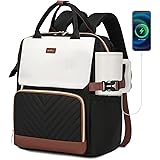
VANKANY Bookbag for Women Laptop Backpack, Teacher Nurse Work Computer Bags with Cup Holder & USB Charger for Travel, School Bag College Back Pack for Girls, BlackWhiteBrown
$24.75 (as of March 21, 2026 17:18 GMT +02:00 - More infoProduct prices and availability are accurate as of the date/time indicated and are subject to change. Any price and availability information displayed on [relevant Amazon Site(s), as applicable] at the time of purchase will apply to the purchase of this product.)
4 in 1 Travel Dispenser,4 Pack 30ML Travel Bottles for Toiletries,Travel Dispenser Bottle,Refillable,Suitable for Storing Shampoo, Shower Gel,Suitable for Vacation Camping and Gym. (White)
$22.99 (as of March 21, 2026 17:18 GMT +02:00 - More infoProduct prices and availability are accurate as of the date/time indicated and are subject to change. Any price and availability information displayed on [relevant Amazon Site(s), as applicable] at the time of purchase will apply to the purchase of this product.)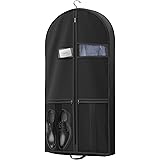
Lazebox 43" Travel Garment Bag with Accessories Zipper Pocket, Heavy Duty Suit Bag for Suits, Tuxedos, Dresses, Coats, Black, 1 pack
$9.99 (as of March 21, 2026 17:18 GMT +02:00 - More infoProduct prices and availability are accurate as of the date/time indicated and are subject to change. Any price and availability information displayed on [relevant Amazon Site(s), as applicable] at the time of purchase will apply to the purchase of this product.)As an Amazon Associate, we earn from qualifying purchases.
Travel Insurance
Never travel without it! Travel insurance is crucial for covering unexpected medical emergencies, trip cancellations, and lost luggage. Ensure your policy covers all your planned activities.
Important Documents
Keep digital and physical copies of your passport, travel insurance, and flight/hotel confirmations separate from the originals.
Staying Safe in Amsterdam
Pickpockets: The main safety concern. Be extremely vigilant in crowded tourist spots (Central Station, Dam Square, trams ) and on public transport. Use a secure bag and don’t leave your phone on cafe tables.
Bike Lanes: The second biggest “danger.” Always look both ways for bikes before crossing any street. Do not walk in the red-colored bike lanes.
Emergency Services: Dial 112 for police, ambulance, or fire services.
14. FAQs for First-Time Visitors
Here are some common questions first-time visitors have about traveling to Amsterdam:
Is English widely spoken in Amsterdam?
Yes, almost everyone speaks fluent English. You will have no issues communicating.
Is Amsterdam safe for solo female travelers?
Yes, Amsterdam is considered very safe for solo female travelers. Standard precautions apply, but the city is generally welcoming and easy to navigate alone.
What’s the best way to get around Amsterdam?
A combination of walking, trams, and renting a bike is ideal. The city is compact, and this mix allows you to see everything efficiently.
Do I need to book museums in advance?
Yes, absolutely. For popular museums like the Anne Frank House, Van Gogh Museum, and Rijksmuseum, you MUST book tickets online well in advance (weeks or even months for Anne Frank House) to guarantee entry.
Can I drink tap water in Amsterdam?
Yes, the tap water is of excellent quality and perfectly safe to drink.
How much should I budget for a trip to Amsterdam?
Plan for a daily budget of €80-€130 for a budget trip, €180-€300 for a mid-range trip, and €400+ for a luxury experience.
Are credit cards accepted everywhere?
Mostly, yes. Visa and Mastercard are widely accepted. However, some smaller shops, cafes, or market stalls might be cash-only or only accept Dutch “PIN” debit cards. It’s wise to carry some Euros.
15. What’s Next? More Guides to Explore
Congratulations! You’re now equipped with a comprehensive guide to planning your unforgettable first trip to Amsterdam. The city’s unique blend of history, art, and vibrant culture awaits.
While Amsterdam is a world-class destination on its own, it’s also the perfect gateway to the rest of the Netherlands. Consider exploring our other guides to discover charming cities like Utrecht, the modern architecture of Rotterdam, or the iconic windmills of the Dutch countryside.
Happy travels, and may your Amsterdam adventure be filled with incredible memories!
🇪🇺 Western Europe Countries
- France Travel Guide
- Spain Travel Guide
- Portugal Travel Guide
- Netherlands Travel Guide
- Belgium Travel Guide
- Luxembourg Travel Guide
- Ireland Travel Guide
- England Travel Guide
🇪🇺 Southern Europe & Balkans Countries
- Italy Travel Guide
- Greece Travel Guide
- Croatia Travel Guide
- Montenegro Travel Guide
- Albania Travel Guide
- Malta Travel Guide
- Bosnia and Herzegovina Travel Guide
- Serbia Travel Guide
- North Macedonia Travel Guide
- Kosovo Travel Guide
🇪🇺 Northern Europe & Nordics Countries
- Sweden Travel Guide
- Norway Travel Guide
- Finland Travel Guide
- Denmark Travel Guide
- Iceland Travel Guide
- Scotland Travel Guide
🇪🇺 Central Europe Countries
- Germany Travel Guide
- Austria Travel Guide
- Switzerland Travel Guide
- Poland Travel Guide
- Czechia Travel Guide
- Hungary Travel Guide
- Slovakia Travel Guide
- Slovenia Travel Guide
🇪🇺 Eastern Europe & Baltics Countries
- Romania Travel Guide
- Bulgaria Travel Guide
- Ukraine Travel Guide
- Moldova Travel Guide
- Lithuania Travel Guide
- Latvia Travel Guide
- Estonia Travel Guide
- Belarus Travel Guide

