Planning your first adventure to Minsk? You’ve chosen a city that is a unique blend of grand Soviet architecture, a complex history of resilience, and a surprisingly modern, vibrant cultural scene. This ultimate guide is packed with everything you need to know to make your trip unforgettable. From navigating the wide boulevards to discovering the best Draniki, we’ve got you covered.
Minsk, the capital of Belarus, is a city that was almost entirely rebuilt after World War II, resulting in a striking, uniform style of Stalinist Empire architecture. It is a place of immense historical significance, but also a modern hub with a burgeoning cafe and art scene. It’s a city that captivates every traveler with its cleanliness, order, affordability, and its unique cultural identity.
Get ready to discover why this city is an essential travel destination. Let’s dive into the essential tips that will help you plan, budget, and experience the very best of this amazing city.
TABLE OF CONTENTS
- 1. Why Visit Minsk?
- 2. Best Time to Visit Minsk
- 3. Top Destinations in Minsk for First-Timers
- 4. Planning Your Minsk Trip: A Step-by-Step Guide
- 5. Accommodation in Minsk: Where to Stay
- 6. Getting Around Minsk: Transportation Guide
- 7. How Much Does a Trip to Minsk Cost?
- 8. Must-Try Foods and Cultural Delights
- 9. Staying Safe in Minsk
- 10. Solo Travel in Minsk
- 11. Traveling Minsk with Family or as a Senior
- 12. Digital Nomads in Minsk
- 13. Essential Packing List in our Minsk Travel Guide
- 14. FAQs for First-Timers
- 15. What’s Next? More Guides to Explore
1. Why Visit Minsk?
Minsk is often overlooked, but it is a city of grand boulevards, immaculate parks, and a fascinating blend of history. It is a destination that offers a unique glimpse into the Soviet past while simultaneously embracing a modern, European future. It is a place of order, cleanliness, and surprising cultural depth.
The Capital of Soviet Grandeur and Resilience
Minsk is famous for its Stalinist Empire architecture, particularly along Independence Avenue, which is a UNESCO World Heritage candidate. This monumental style gives the city a unique, grand aesthetic unlike any other European capital.
Beyond the architecture, Minsk is home to the powerful Museum of the Great Patriotic War, which tells the story of the immense suffering and heroism of the Belarusian people during WWII. It’s the perfect destination for travelers seeking an affordable, historically rich, and off-the-beaten-path European experience. Competitive Edge: We immediately position Minsk as a city of grand architecture and deep historical significance, focusing on its unique Soviet heritage.
Hotels and flights
Compare hotels, apartments and flight options for your dates in one search.
Compare hotels and flights on expedia.com →
Tripstou may earn a commission if you book through this link, at no extra cost to you.
2. Best Time to Visit Minsk
Choosing the right time to visit Minsk depends on whether you prefer warm, sunny weather for exploring or the cozy, snowy atmosphere of winter.
Summer (June-August): Warm & Lively
- Weather: The warmest and most popular time, with temperatures typically ranging from 20-25°C (68-77°F). The days are long and the city is lively, with many outdoor festivals and events.
- Crowds: Peak tourist season. Expect higher prices for accommodation, but the city rarely feels overcrowded.
- Pros: Perfect weather for exploring the city on foot, enjoying the parks, and taking day trips to nearby castles.
- Cons: Occasional summer thunderstorms.
Winter (November-March): Snowy & Affordable
- Weather: Cold and often snowy, with temperatures often dropping below freezing. Snow is common, creating a beautiful, quiet atmosphere.
- Crowds: Very few tourists.
- Pros: The best time for budget travelers, with the lowest prices for flights and hotels. Perfect for enjoying the cozy cafes and the city’s impressive theater scene.
- Cons: Very short daylight hours and intense cold.
Shoulder Seasons (April-May and September-October): Best Balance
- Weather: Mild and pleasant, with temperatures from 10-18°C (50-64°F). The city is beautiful as it transitions, with fewer crowds than summer.
- Crowds: Fewer crowds than summer, and prices are more manageable.
- Pros: A great balance of good weather and fewer tourists. The city’s parks and rivers are beautiful in the spring and autumn colors.
- Cons: Weather is highly unpredictable.
Recommendation for First-Timers: For the best experience, aim for late May or September. You get the benefit of pleasant weather and a lively atmosphere without the intense cold or peak summer prices.
Get online the moment you land
An eSIM installs before you fly — no SIM swap, no roaming bill, no queue at an airport kiosk. Two options, depending on how you travel:
Holafly — unlimited-data plans, so nothing counts against a
cap. Best for longer stays, remote work, and heavy map and video use.
Code TRIPSTOU applies automatically: 5% off any travel eSIM,
reusable on every order, or 10% off Holafly Plans.
Get a Holafly eSIM →
Airalo — pay for the data you need, across 200+ destinations,
trusted by 20M+ travelers. Best for short trips and light use.
Use code NEWTOAIRALO15 for 15% off your first order:
Get an Airalo eSIM →
Tripstou may earn a commission if you purchase through these links, at no extra cost to you.
3. Top Destinations in Minsk for First-Timers
Minsk’s main attractions are spread along the central axis of Independence Avenue, making them easy to access via the metro. Here are the must-visit spots for your first incredible trip.
Independence Square (Ploshchad Nezavisimosti)
One of the largest squares in Europe, dominated by the Government House and the Church of Saints Simon and Helena (Red Church). The square is a prime example of Stalinist architecture and features a massive underground shopping center.
Museum of the Great Patriotic War
A massive, modern museum dedicated to the Soviet effort in World War II. It is a powerful and moving experience that is essential for understanding the history of Belarus. Competitive Edge: Emphasize that this was the world’s first museum dedicated to the war and its importance to the Belarusian people.
Trinity Hill (Troitskoye Predmestye)
The only surviving part of Minsk’s old town, this picturesque area features colorful 19th-century buildings, cafes, and souvenir shops. It is a beautiful contrast to the Soviet architecture of the rest of the city.
Vul Kastrychnitskaya (October Street)
A former industrial area that has been transformed into Minsk’s trendiest street art and cultural hub. It is packed with modern cafes, bars, and massive murals. It’s the perfect place to experience the city’s modern, youthful side.
Tours and activities
Book skip-the-line tickets, day trips and local tours with free cancellation on most activities.
You can also browse everything on getyourguide.com.
Tripstou may earn a commission if you book through this link, at no extra cost to you.
4. Planning Your Minsk Trip: A Step-by-Step Guide
Planning a trip to Minsk requires careful attention to visa requirements and local customs. A few key steps will ensure you maximize your time and budget effectively.
Step 1: Check Visa Requirements (Crucial)
Belarus has specific visa requirements that change frequently. Check the latest rules for your passport. Many nationalities can enter visa-free for up to 30 days via Minsk National Airport (MSQ), but this often requires flying in and out of MSQ and having medical insurance. Competitive Edge: Strongly advise travelers to check the official Belarusian government website for the most up-to-date visa information.
Step 2: Book Accommodation Near the Metro
Due to the city’s wide boulevards, staying near a metro station is highly recommended. The metro is efficient, cheap, and easy to use. Book 1-2 months in advance for the best deals.
Step 3: Prepare for Cash (Belarusian Ruble)
While cards are accepted in most modern restaurants and hotels, many small cafes, local markets, and taxis only accept cash (Belarusian Ruble – BYN). Always carry a small amount of cash for convenience.
Step 4: Learn a Few Russian Phrases
While English is spoken in tourist areas, Russian is the primary language. Learning a few basic phrases will greatly enhance your experience and be appreciated by locals.
Travel medical insurance
SafetyWing Nomad Insurance provides travel medical coverage designed for travelers and digital nomads, with flexible Monthly and Annual plans.
Check Nomad Insurance coverage and current pricing →
New Nomad Insurance Essential members can get 8 weeks of electronic theft coverage free with reward code TRIPSTOU8.
Apply the reward before creating your SafetyWing account by looking for the pink camera icon on the Nomad Insurance page.
Tripstou may earn a commission if you purchase through this link, at no extra cost to you.
5. Accommodation in Minsk: Where to Stay
Minsk is a compact city, and most of the best areas are within walking distance of the main metro lines. Your choice of neighborhood will primarily affect the vibe of your evenings.

Tsentralny District (City Center): Best for First-Timers
This area encompasses Independence Square and the main attractions along Independence Avenue. It’s the most convenient and offers a mix of modern hotels and budget guesthouses.
Kastrychnitskaya (October Street): Trendy & Artistic
This area is known for its street art, cafes, and nightlife. It offers a more local, youthful vibe and is perfect for those who want to be near the modern cultural scene.
Trinity Hill (Troitskoye Predmestye): Picturesque & Quiet
This is the most picturesque area, offering a quiet, historic atmosphere. It’s a great choice for travelers seeking a peaceful retreat, though it has fewer accommodation options.
**Competitive Edge: Apartments over Hotels**
Due to the high quality and low cost, renting a short-term apartment (via Airbnb or local services) often provides better value and a more authentic experience than a traditional hotel.
Hotels and places to stay
Compare hotels, apartments and stays for your dates in one search.
Search hotels and stays on hotels.com →
Tripstou may earn a commission if you book through this link, at no extra cost to you.
6. Getting Around Minsk: Transportation Guide
Minsk’s public transport system is excellent, highly efficient, and incredibly cheap. It consists of a metro, buses, trams, and trolleybuses, all integrated into a single system.

Metro (Minski Metropoliten): The Fastest Way
The metro is the fastest and most efficient way to travel long distances. It is clean, safe, and easy to use. You pay with a token or a contactless card.
Buses, Trams, and Trolleybuses: Extensive Coverage
The surface transport network is extensive and covers areas not reached by the metro. Tickets are purchased from a kiosk or the driver and must be validated on board.
Taxis and Ride-Sharing
Taxis are affordable compared to Western Europe. Use a local ride-hailing app like Yandex Go or Uber to ensure a fair, metered price. Avoid negotiating with street taxis.
**Competitive Edge: The Unified Ticket**
For a short trip, a single ticket is fine, but for longer stays, a unified travel pass (available for 1, 2, or 3 types of transport) is the most economical option. Tip: The metro is the most reliable and easiest for tourists.
Train and bus tickets
Compare routes, schedules and prices across rail and bus operators in one search, with mobile tickets on your phone.
New to Omio? Code NEW10 takes 10% off your first booking — or APPNEW10 if you book inside the Omio app. Both apply to bookings up to €80.
Search routes and compare prices on Omio →
Tripstou may earn a commission if you book through this link, at no extra cost to you.
7. How Much Does a Trip to Minsk Cost?
Minsk is one of the most affordable capital cities in Eastern Europe. You can enjoy a high quality of life and travel experience without breaking the bank. The biggest costs are flights and accommodation in the peak season.
Daily Budget Estimate (Excluding Accommodation)
- Budget Traveler: 20-35 EUR / $22-38 USD per day
- Food: Eating local street food, cheap lunch deals, and grocery store shopping.
- Transport: Public transport and walking.
- Activities: Free attractions (parks, squares) and one paid museum.
- Mid-Range Traveler: 45-70 EUR / $49-76 USD per day
- Food: Eating out at mid-range restaurants once or twice a day.
- Transport: Public transport and occasional taxi/ride-share.
- Activities: Entry to all major museums, theater tickets.
- Luxury Traveler: 90+ EUR / $98+ USD per day
- Food: Fine dining, high-end restaurants, and frequent café stops.
- Transport: Private transfers and taxis.
- Activities: Private tours, day trips, and premium experiences.
Money-Saving Tips:
- Competitive Edge: Business Lunch Deals: Look for “Biznes-Lanch” (Business Lunch) specials at restaurants. These are set lunch menus that offer incredible value, often including a soup, main course, and drink for under 15 BYN (€4.50).
- Grocery Stores: Shop at Euroopt or Korona for the best prices.
- Tap Water: The tap water is generally safe to drink in Minsk. Carry a reusable bottle and refill it often.
- Alcohol: Alcohol is cheap compared to Western Europe, but still a budget killer if consumed frequently.
8. Must-Try Foods and Cultural Delights
Belarusian cuisine is hearty, potato-based, and heavily influenced by its Slavic neighbors. It is comfort food at its best, perfect for the cold climate. Don’t leave without trying these local specialties.

Iconic Belarusian Dishes
- Draniki: The national dish. These are thick, savory potato pancakes, often served with sour cream, mushrooms, or meat. They are a must-try and can be found everywhere.
- Machanka: A thick, rich meat stew served with Draniki or pancakes for dipping. It is a hearty, traditional dish.
- Kalduny: Potato dumplings filled with meat, mushrooms, or cheese. They are similar to Polish pierogi or Russian pelmeni.
- Kvass: A traditional Slavic fermented beverage made from rye bread. It is slightly sweet, slightly sour, and very refreshing.
Cultural Etiquette & Local Vibe
- Punctuality: Belarusians value punctuality and order. Public transport is highly reliable and runs on time.
- Tipping: Tipping is not mandatory, but rounding up the bill or leaving 5-10% for good service is appreciated.
- The Language: Russian is the most common language in Minsk. While Belarusian is the official state language, it is less frequently spoken in the capital.
9. Staying Safe in Minsk
Belarus is generally a very safe country, and Minsk is one of the safest capital cities in Europe. The city is clean, orderly, and crime is low.
General Safety Tips
- Petty Crime: Very rare, but always be mindful of your belongings in crowded areas like the train station and on crowded metro cars.
- Political Sensitivity: Be aware of the political climate. Avoid discussing politics in public and refrain from taking photos of government buildings or military personnel.
- Registration: If you stay in Belarus for more than 10 days, you must register with the local authorities (OVIR). Your hotel or apartment host will usually handle this for you. Competitive Edge: Provide this crucial, non-obvious legal requirement.
- Emergency Numbers: The universal emergency number in Belarus is 112 for police, ambulance, and fire services.
10. Solo Travel in Minsk
Minsk is an excellent destination for solo travelers. It’s exceptionally safe, very affordable, and the locals are generally reserved but friendly once approached. The city’s efficient public transport makes independent exploration a breeze.
The city’s numerous parks and museums make it easy to enjoy time alone. Stay in a hostel near the center to easily meet other travelers. Competitive Edge: Suggest visiting the Komarovsky Market for a solo food adventure. It’s a great place to sample local produce and food in a lively, safe environment.
11. Traveling Minsk with Family or as a Senior
Minsk is a very family-friendly city, and its affordability and orderliness make it an excellent choice for senior travelers.
Traveling with Family
- Attractions: The Gorky Park and the Minsk Zoo are huge hits with children. The Museum of the Great Patriotic War is also suitable for older children.
- Pacing: The city is compact, and the numerous parks and pedestrian zones offer great spaces for children.
- Safety: The city’s low crime rate and focus on public spaces make it a stress-free environment for families.
Traveling as a Senior
- Accessibility: The city is modern and highly accessible. Public transport is excellent, and most major attractions are wheelchair-friendly.
- Pace: The city’s orderly nature and excellent public transport make it easy to navigate at a relaxed pace.
12. Digital Nomads in Minsk
Minsk is a hidden gem for digital nomads, primarily due to its extremely low cost of living, fast internet, and high quality of life, especially for those who appreciate a quiet, orderly environment.
- Connectivity: Internet is fast and reliable. Free Wi-Fi is widespread in cafes and libraries.
- Co-working Spaces: Several modern co-working spaces are available, such as Imaguru and Space.
- Cost of Living: Extremely low. Accommodation and food are significantly cheaper than in Western Europe, making it highly attractive for budget-conscious nomads.
- Visa: The 30-day visa-free entry is a major draw, but long-term stays require a work or study visa.
Spending money abroad
A Wise account converts your money at the mid-market exchange rate and shows every fee upfront, with a card you can spend in the local currency.
Check Wise’s rates and fees for your currency →
Tripstou may earn a commission if you sign up through this link, at no extra cost to you.
13. Essential Packing List in our Minsk Travel Guide
Packing for Minsk means preparing for all types of weather, with a strong emphasis on cold weather gear for much of the year.
Clothing
- Layers: Essential for the shoulder seasons, as temperatures can fluctuate widely between day and night.
- Warm Outerwear: A heavy, waterproof coat, hat, gloves, and scarf are essential from October to April.
- Comfortable Walking Shoes/Boots: Non-negotiable for navigating the city’s wide boulevards. Must be waterproof in winter.
Essentials & Accessories
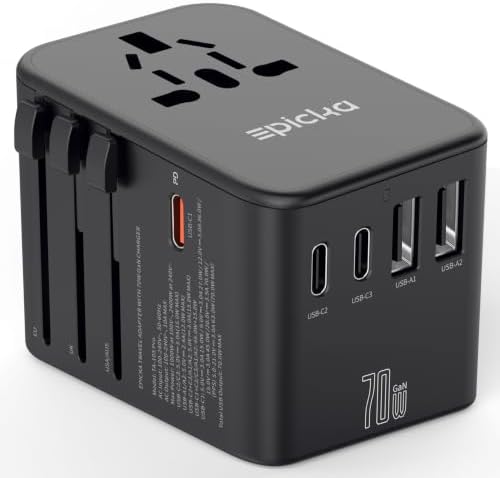
- Universal Travel Adapter: Belarus uses the standard European Type C and F plugs.
- Small Cash Stash: Always carry small denominations of BYN for buses and local markets.
- Competitive Edge: VPN: Due to the political climate, a reliable VPN is highly recommended for secure and unrestricted internet access.
- Medical Insurance: Required for visa-free entry. Carry a physical copy.

14. FAQs for First-Timers
Here are some frequently asked questions to help you plan your first trip to Minsk.
What currency does Minsk use?
Belarus uses the Belarusian Ruble (BYN). While cards are accepted in most modern places, cash is still necessary for smaller transactions.
Is English widely spoken?
No, English is not widely spoken outside of tourist areas. Russian is the primary language.
Is Minsk expensive?
No, it is one of the most affordable capital cities in Eastern Europe.
Do I need to tip in Minsk?
Tipping is not mandatory, but rounding up the bill or leaving 5-10% for good service is appreciated.
What is Draniki?
The national dish of Belarus. These are thick, savory potato pancakes, often served with sour cream.
What is the best way to save money in Minsk?
Use the cheap public transport and look for the “Biznes-Lanch” (Business Lunch) deals.
15. What’s Next? More Guides to Explore
Your Minsk adventure awaits! We hope this comprehensive guide has equipped you with all the essential information to plan an unforgettable trip to the Belarusian capital. From the grand architecture of Independence Avenue to the moving history of the Great Patriotic War Museum, Minsk promises a journey filled with unique culture and lasting memories.
Happy travels, and enjoy your incredible journey through the heart of Eastern Europe!
🇪🇺 Western Europe Countries
- France Travel Guide
- Spain Travel Guide
- Portugal Travel Guide
- Netherlands Travel Guide
- Belgium Travel Guide
- Luxembourg Travel Guide
- Ireland Travel Guide
- England Travel Guide
🇪🇺 Southern Europe & Balkans Countries
- Italy Travel Guide
- Greece Travel Guide
- Croatia Travel Guide
- Montenegro Travel Guide
- Albania Travel Guide
- Malta Travel Guide
- Bosnia and Herzegovina Travel Guide
- Serbia Travel Guide
- North Macedonia Travel Guide
- Kosovo Travel Guide
🇪🇺 Northern Europe & Nordics Countries
- Sweden Travel Guide
- Norway Travel Guide
- Finland Travel Guide
- Denmark Travel Guide
- Iceland Travel Guide
- Scotland Travel Guide
🇪🇺 Central Europe Countries
- Germany Travel Guide
- Austria Travel Guide
- Switzerland Travel Guide
- Poland Travel Guide
- Czechia Travel Guide
- Hungary Travel Guide
- Slovakia Travel Guide
- Slovenia Travel Guide
🇪🇺 Eastern Europe & Baltics Countries
- Romania Travel Guide
- Bulgaria Travel Guide
- Ukraine Travel Guide
- Moldova Travel Guide
- Lithuania Travel Guide
- Latvia Travel Guide
- Estonia Travel Guide
- Belarus Travel Guide
🇲🇨 Microstates and Special Territories
- Vatican City Travel Guide
- Monaco Travel Guide
- Andorra Travel Guide
- Liechtenstein Travel Guide
- San Marino Travel Guide
Did this guide save you time or money? Tripstou is independent and reader-funded — if you'd like to give something back, you can support the site with a crypto contribution of any size.