

Planning your first adventure to Zurich? You’ve picked an absolutely breathtaking destination! This ultimate guide is packed with everything you need to know to make your trip unforgettable. From its pristine lake and charming Old Town to world-class art and vibrant urban life, we’ve got you covered.
Zurich, Switzerland’s largest city, offers a unique blend of stunning natural beauty, financial prowess, rich cultural diversity, and a famously high quality of life. It’s a city that captivates every traveler, whether you’re wandering through medieval alleys, taking a refreshing dip in the lake, or simply enjoying the sophisticated atmosphere.
Get ready to discover why Zurich is consistently ranked among the world’s most livable cities and a top travel destination. Let’s dive into the essential tips that will help you plan, budget, and experience the very best of this amazing city.
Table of Contents
- 1. Why Visit Zurich?
- 2. Best Time to Visit Zurich by Season
- 3. Top Destinations in Zurich for First-Timers
- 4. Planning Your Zurich Trip: A Step-by-Step Guide
- 5. Accommodation in Zurich: Where to Stay
- 6. Getting Around Zurich: Transportation Guide
- 7. How Much Does a Trip to Zurich Cost?
- 8. Must-Try Foods and Cultural Delights
- 9. Staying Safe in Zurich
- 10. Solo Travel in Zurich
- 11. Traveling Zurich with Family or as a Senior
- 12. Digital Nomads in Zurich
- 13. Essential Packing List in our Zurich Travel Guide
- 14. FAQs for First-Timers
- 15. What’s Next? More Guides to Explore
1. Why Visit Zurich?
Zurich presents a truly fantastic opportunity for your first Swiss city adventure. The city’s commitment to sustainability, its pristine natural environment, and its seamless blend of history and innovation make it an ever-appealing choice.
Zurich continues to charm with its iconic lake, the Limmat River flowing through its heart, and a beautifully preserved Old Town. Yet, it also embraces modernity with world-class museums, innovative culinary scenes, and a forward-thinking approach to public life. This dynamic mix ensures there’s always something new to discover.
Moreover, the Swiss are renowned for their efficiency, safety, and multilingual hospitality, making communication and navigation in Zurich effortless for international travelers. This ease of interaction significantly enhances the travel experience, especially for first-time visitors.
Crucially for travelers, the entry process to Switzerland remains straightforward. The implementation of the European Travel Information and Authorisation System (ETIAS) has been postponed, meaning for the foreseeable future, current visa-exempt entry rules remain in effect, simplifying your pre-trip preparations.
2. Best Time to Visit Zurich by Season
Choosing the right time to visit Zurich can significantly impact your experience. While each season offers unique charms, some periods are generally more favorable for first-time visitors.
Spring (April to May)
- Pros: Pleasant weather, blooming parks, fewer crowds than summer, and slightly lower prices. Ideal for city exploration and lakeside strolls.
- Cons: Weather can be unpredictable, with a mix of sunny days and rain.
- Best For: Sightseeing, museum hopping, and enjoying the city as it awakens for summer.
Summer (June to August)
- Pros: Warmest weather, long daylight hours, and a vibrant atmosphere with numerous outdoor events and lake activities (“Badi” culture).
- Cons: Peak tourist season means larger crowds and the highest prices for flights and accommodation.
- Best For: Swimming in Lake Zurich, boat trips, hiking Uetliberg mountain, and enjoying outdoor cafes and festivals.
Autumn (September to October)
- Pros: Milder temperatures, diminishing crowds, and beautiful golden foliage around the lake and on Uetliberg.
- Cons: Days get shorter, and weather becomes cooler and can be rainy.
- Best For: City exploration, photography, and enjoying a more relaxed atmosphere.
Winter (November to March)
- Pros: Magical Christmas markets (“Wienachtsdorf”), festive lights, fewer tourists (outside of the holiday season), and a cozy atmosphere.
- Cons: Cold temperatures, shorter daylight hours, and often overcast skies.
- Best For: Christmas markets, fondue restaurants, ice skating, and enjoying Zurich’s world-class museums.
Recommendation for First-Timers: For a balanced experience with good weather and manageable crowds, consider late spring (May-early June) or early autumn (September). These shoulder seasons offer the best of Zurich without the intense summer crowds or winter chill.
3. Top Destinations in Zurich for First-Timers
For your first Zurich adventure, it’s wise to focus on destinations that offer a blend of iconic sights, ease of navigation, and a welcoming atmosphere. These places provide an excellent introduction to the city’s diverse character.
The Old Town (Altstadt)
The historic heart of Zurich is a maze of narrow, cobblestone lanes, medieval houses, and charming squares. Explore both sides of the Limmat River, visit the Grossmünster and Fraumünster churches (with its Chagall windows), and discover unique boutiques and cafes.
Lake Zurich
The city’s stunning centerpiece. Take a boat trip to appreciate the views of the city and the distant Alps, stroll or cycle along its shores, or join the locals for a swim at one of the many “Badis” (public baths) in the summer. It’s the soul of Zurich’s outdoor life.
Uetliberg Mountain
For the best panoramic views of the city, the lake, and the Alps, take a short train ride to the top of Zurich’s “house mountain.” A viewing tower offers an even higher perspective, and numerous hiking trails lead back down to the city.
Bahnhofstrasse
One of the world’s most exclusive and expensive shopping streets. Even if you’re just window-shopping, a stroll from the main train station (Hauptbahnhof) down to the lake is a quintessential Zurich experience.
Museums & Galleries
Zurich boasts a world-class museum scene. Don’t miss the Kunsthaus Zürich (one of Switzerland’s most important art museums), the Swiss National Museum (for history), or the quirky FIFA Museum for football fans.
4. Planning Your Zurich Trip: A Step-by-Step Guide
Planning your first trip to Zurich is exciting! Its compact size and incredible public transport make it very easy to plan. Breaking it down into steps makes the process even smoother.
Setting Your Budget & Travel Style
First, decide on your budget. Zurich is known for being one of the world’s most expensive cities. Decide if you want a culture-focused museum trip, a relaxed lakeside holiday, or a sophisticated city break. Your budget will influence your choices for accommodation, dining, and activities.
Crafting Your Itinerary
For a 2-3 day trip, you can cover the main highlights: the Old Town, a boat trip on the lake, and a visit to Uetliberg. With 4-5 days, you can explore more museums, take day trips to nearby places like the Rhine Falls or Lucerne, and delve deeper into different neighborhoods.
Booking Flights & Accommodation
Book flights to Zurich Airport (ZRH), a major international hub, 3-6 months in advance for the best prices. Book accommodation well in advance, especially for summer, as options can be pricey and fill up quickly.
Understanding Visa & Entry Requirements
For most nationalities (e.g., US, UK, EU, Canadian, Australian citizens), a visa is not required for tourist stays of up to 90 days as Switzerland is in the Schengen Area. Always ensure your passport is valid for at least six months beyond your intended departure date.
Securing Travel Insurance
This is non-negotiable. Given the high cost of healthcare in Switzerland, comprehensive travel insurance that covers medical emergencies, trip cancellations, and lost luggage is essential.
Looking for the best hotel or flight deals?
Plan your trip with ease using the Expedia search tool below. From charming boutique hotels to luxury resorts, this widget helps you compare top options in seconds — flights included!
5. Accommodation in Zurich: Where to Stay
Zurich offers a wide range of high-quality accommodation, though it tends to be expensive. Options range from stylish hostels to grand luxury hotels.

Hostels: Modern & Budget-Friendly
Zurich has several modern, clean, and well-equipped hostels. This is the most budget-friendly option, perfect for solo travelers and those looking to meet others. They offer a mix of dorm beds and private rooms.
Guesthouses & Budget Hotels: Simple & Clean
These offer private rooms with basic amenities. They provide more privacy than a hostel and are a good option for travelers on a moderate budget who prioritize a clean place to sleep over extensive services.
Mid-Range Hotels: Comfort & Convenience
You’ll find a wide variety of 3 and 4-star hotels, from international chains to local establishments. They offer a good balance of comfort, service, and location, often including breakfast and reliable Wi-Fi.
Luxury Hotels: Premium Lakeside Experience
Zurich is home to some of Switzerland’s most famous luxury hotels, particularly around the lake and Bahnhofstrasse. Expect impeccable service, fine dining, spas, and stunning views, with a price tag to match.
Apartments & Aparthotels: Space & Flexibility
For families, groups, or longer stays, renting an apartment can be a good option. It provides more space and a kitchen, which can help save money on Zurich’s expensive restaurant scene.
Booking Tip: Location is key. Staying near a tram or train station is highly recommended for easy access to the entire city and airport.
6. Getting Around Zurich: Transportation Guide
Getting around Zurich is incredibly easy thanks to its world-class public transport system (ZVV). It’s punctual, clean, safe, and so efficient that a car is completely unnecessary for visitors.

Trams & Buses: The Heart of the City
- Pros: The dense network of blue and white trams is the best way to navigate the city. They are frequent, fast, and cover nearly every corner of Zurich. Buses supplement the tram network, reaching areas trams do not.
- Cons: None, really. It’s a model of public transport efficiency.
S-Bahn (Trains): For Wider Exploration
- Pros: The S-Bahn is a suburban train network that connects the city center with outlying neighborhoods, the airport, and nearby attractions like Uetliberg mountain. It’s fast and seamlessly integrated with trams and buses.
Boats: The Scenic Route
- Pros: Regular boat services on Lake Zurich and the Limmat River are part of the public transport network. They offer a relaxing and scenic way to see the city from a different perspective.
Tickets & Passes
- Zurich Card: Highly recommended for tourists. It offers unlimited travel on all public transport (trams, buses, trains, boats) in the city and surrounding areas, plus free or reduced admission to most museums and other discounts. It’s available for 24 or 72 hours.
- Day Pass (Tageskarte): If you don’t need the museum benefits, a 24-hour pass is a good alternative for unlimited travel.
- Single Tickets: Good for one-off journeys. Remember to buy and validate your ticket *before* boarding.
Walking & Cycling
- Pros: Zurich’s city center, especially the Old Town, is very compact and best explored on foot. The city also has an excellent network of bike lanes and a bike-sharing system.
Want to save on train tickets? Search routes and compare prices on Omio — and check for available discounts or referral credit when you book (offers can vary by location/account).
7. How Much Does a Trip to Zurich Cost?
Zurich is consistently ranked as one of the most expensive cities in the world. Smart planning is key to managing your budget.
Daily Cost Estimates (Per Person, excluding accommodation)
- Budget Traveler: CHF 60-100 / $67-110 USD per day
- Food: Supermarket meals (Coop, Migros), street food, bakeries.
- Transport: Zurich Card or Day Pass.
- Activities: Free activities like walking, swimming in the lake, free museum entries with Zurich Card.
- Mid-Range Traveler: CHF 150-250 / $165-275 USD per day
- Food: Eating out at casual restaurants for lunch or dinner, cafes.
- Transport: Zurich Card.
- Activities: Paid attractions, guided tours.
- Luxury Traveler: CHF 300+ / $330+ USD per day
- Food: Fine dining, multi-course meals.
- Transport: Zurich Card, taxis.
- Activities: Private tours, high-end shopping.
Money-Saving Tips:
- Get the Zurich Card: If you plan to visit museums and use public transport, this is almost always the best value.
- Eat at Supermarkets: Supermarket chains like Coop and Migros have excellent takeaway sections with fresh sandwiches, salads, and hot meals at a fraction of restaurant prices.
- Enjoy Nature for Free: Walking the Old Town, hiking Uetliberg, and swimming in the lake are fantastic and free activities.
- Drink Tap Water: Zurich’s tap water is of excellent quality and safe to drink. Refill your bottle at the many public fountains.
- Look for Lunch Menus: Many restaurants offer cheaper set menus for lunch (“Tagesmenu”).
8. Must-Try Foods and Cultural Delights
Zurich’s cuisine reflects its German-Swiss heritage, with hearty, comforting dishes perfect for any season. Beyond the food, the city has a rich coffeehouse and bar culture.

Iconic Zurich Dishes
- Zürcher Geschnetzeltes: The city’s signature dish. It’s thinly sliced veal cooked in a creamy white wine and mushroom sauce, traditionally served with Rösti.
- Rösti: A crispy, pan-fried cake of grated potatoes. While found all over Switzerland, it’s a perfect accompaniment to many Zurich dishes.
- Bratwurst: A simple but delicious grilled veal sausage. For the most authentic experience, get one from a street stand like Sternen Grill and eat it with a piece of bread and sharp mustard.
- Cheese Fondue: A quintessential Swiss experience. While not specific to Zurich, you’ll find many cozy restaurants serving excellent fondue, especially in winter.
- Luxemburgerli: Not from Luxembourg! These are small, light macarons from the famous Sprüngli confectionery, a must-try Zurich delicacy.
The “Badi” and Coffee Culture
- Badi Culture: In summer, life revolves around the “Badis” – public swimming areas along the lake and river. They are social hubs with bars, sunbathing areas, and a vibrant atmosphere.
- Coffee Houses: Zurich has a long tradition of elegant coffee houses (like Café Sprüngli or Café Schober) where you can enjoy coffee, pastries, and people-watching.
Cultural Etiquette & Local Customs
- Punctuality: Being on time is extremely important and a sign of respect.
- Greetings: A polite “Grüezi” (hello) is the standard Swiss-German greeting.
- Quietness: The Swiss value peace and quiet. Keep noise levels down on public transport and in residential areas, especially during designated quiet hours.
- Tipping: Service is included in the bill. It’s common to round up to the nearest franc or leave a small tip (5-10%) for good service, but it’s not obligatory.
9. Staying Safe in Zurich
Zurich is consistently ranked as one of the safest cities in the world. Crime rates are extremely low, and it is an exceptionally safe destination for tourists. Common sense is all that is required.
General Safety Tips
- Petty Crime: While rare, pickpocketing can occur in very crowded areas like the main train station (Hauptbahnhof) or at large events. Keep an eye on your belongings.
- Scams: Tourist scams are not common. Politely but firmly refuse anyone being overly persistent.
- Night Safety: The city is safe to walk around at night, but as always, stick to well-lit main streets.
Emergency Numbers
- The universal emergency number is 112 for police, ambulance, and fire services.
- Direct Police: 117
- Direct Ambulance: 144
10. Solo Travel in Zurich
Zurich is a fantastic and extremely safe destination for solo travelers. It’s easy to navigate, clean, and offers a great mix of activities that can be enjoyed alone, from museum hopping to hiking.
The city’s incredible safety record and efficient public transport allow for stress-free independent exploration. Joining a free walking tour, taking a language class, or simply relaxing at a lakeside Badi are great ways to see the city and potentially connect with locals and fellow travelers.
11. Traveling Zurich with Family or as a Senior
Zurich’s high quality of life, cleanliness, and excellent infrastructure make it a great choice for both families and seniors.
Traveling with Family
- Playgrounds & Parks: The city is full of well-maintained playgrounds. The shores of Lake Zurich are perfect for family strolls.
- Kid-Friendly Attractions: The Zurich Zoo, the Swiss National Museum, and the FIFA Museum are big hits with children. A boat trip on the lake is fun for all ages.
- Transport: The public transport system is very stroller-friendly. Children under 6 travel for free.
Traveling as a Senior
- Accessibility: The public transport system is modern and highly accessible. Most museums and attractions are equipped with ramps and elevators. The Old Town has cobblestones, so comfortable shoes are a must.
- Pace: Enjoy a relaxed pace. Take a leisurely boat trip, enjoy the city’s many cafes, and make use of the excellent tram system to minimize long walks.
- Comfort and Safety: The city’s safety and high standard of services make for a comfortable and worry-free trip.
12. Digital Nomads in Zurich
Zurich is a top-tier destination for professionals and digital nomads who prioritize stability, quality of life, and a central European location, though it comes at a very high cost.
- Visa Considerations: As part of the Schengen Area, EU citizens can live and work freely. For non-EU citizens, staying longer than 90 days requires a specific national visa, which can be complex to obtain for self-employment.
- Connectivity: Internet is famously fast, reliable, and widespread throughout the city.
- Cost of Living: This is the main challenge. The cost of living, especially rent, is among the highest in the world. This destination is best suited for well-established freelancers or remote workers with high incomes.
- Co-working & Cafes: Zurich has a thriving scene of co-working spaces (like Impact Hub and Kraftwerk) and countless cafes with excellent Wi-Fi.
- Lifestyle: The work-life balance is excellent. Finish work and you can be swimming in the lake or hiking a mountain within 30 minutes. The airport offers incredible connectivity for weekend trips across Europe.
Looking for a smarter way to manage your travel money? Wise offers real exchange rates with no hidden fees, making it the perfect companion for international trips.
13. Essential Packing List in our Zurich Travel Guide
Packing for Zurich is about preparing for a stylish city with changeable weather. Smart casual and layers are your best bet.
Clothing
- Layers: T-shirts, long-sleeved tops, and a stylish sweater or fleece are crucial for adapting to temperature changes.
- Waterproof/Windproof Jacket: Essential for any season, as rain showers can be sudden.
- Comfortable Walking Shoes: You’ll be walking a lot on cobblestones. Choose shoes that are both comfortable and look neat.
- Slightly Dressier Outfit: Zurich has many nice restaurants and bars. Pack one smart-casual outfit for an evening out.
- Swimwear (for summer): Don’t miss out on the “Badi” culture.
Essentials & Accessories
- Universal Travel Adapter: Switzerland uses Type J plugs (though the two-pin Type C also fits).
- Reusable Water Bottle: To stay hydrated with the city’s excellent fountain water.
- Daypack: A small, stylish backpack or cross-body bag for daily excursions.
- Sunscreen & Sunglasses: The summer sun can be strong, especially on the lake.
- Copies of Documents: Keep digital and physical copies of your passport and travel insurance.

BAGSMART Large Toiletry Bag Travel Bag with Hanging Hook, Water-resistant Makeup Cosmetic Bag Travel Organizer for Accessories, Shampoo, Full Sized Container, Toiletries
$17.87 (as of March 21, 2026 17:18 GMT +02:00 - More infoProduct prices and availability are accurate as of the date/time indicated and are subject to change. Any price and availability information displayed on [relevant Amazon Site(s), as applicable] at the time of purchase will apply to the purchase of this product.)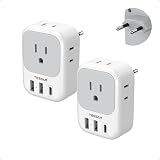
2 Pack European Plug Adapter USB C, TESSAN US to Europe Adapter 4 Outlets 3 USB Charger, Type C International Power Adaptor to Italy Spain France Portugal Iceland Germany, Europe Travel Essentials
$23.99 (as of March 21, 2026 17:18 GMT +02:00 - More infoProduct prices and availability are accurate as of the date/time indicated and are subject to change. Any price and availability information displayed on [relevant Amazon Site(s), as applicable] at the time of purchase will apply to the purchase of this product.)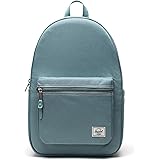
Herschel Supply Co. Unisex Settlement Backpack Trellis One Size
$90.00 (as of March 21, 2026 17:18 GMT +02:00 - More infoProduct prices and availability are accurate as of the date/time indicated and are subject to change. Any price and availability information displayed on [relevant Amazon Site(s), as applicable] at the time of purchase will apply to the purchase of this product.)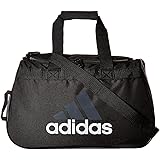
adidas Diablo Small Duffel Bag
(as of March 21, 2026 17:18 GMT +02:00 - More infoProduct prices and availability are accurate as of the date/time indicated and are subject to change. Any price and availability information displayed on [relevant Amazon Site(s), as applicable] at the time of purchase will apply to the purchase of this product.)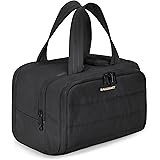
BAGSMART Travel Toiletry Bag, Lightweight Large Wide-open Travel Bag for Women, Puffy Cosmetic Makeup Bag Organizer with Handle for Accessories,Essentials, Toiletries, Black
$20.99 (as of March 21, 2026 17:18 GMT +02:00 - More infoProduct prices and availability are accurate as of the date/time indicated and are subject to change. Any price and availability information displayed on [relevant Amazon Site(s), as applicable] at the time of purchase will apply to the purchase of this product.)As an Amazon Associate, we earn from qualifying purchases.
14. FAQs for First-Timers
Here are some frequently asked questions to help you plan your first trip to Zurich.
What currency does Zurich use?
Zurich uses the Swiss Franc (CHF). While some places might accept Euros, the exchange rate will be poor. It’s best to pay in CHF or with a credit card.
Is English widely spoken?
Yes, English proficiency in Zurich is excellent. You will have no problem communicating in English in hotels, restaurants, shops, and on public transport.
Is Zurich expensive?
Yes, Zurich is one of the most expensive cities in the world. Be prepared for high prices for accommodation, food, and activities. Using money-saving tips like buying a Zurich Card and eating from supermarkets can help.
Do I need a visa for Zurich?
For most nationalities (e.g., US, UK, EU, Canadian, Australian), a visa is not required for tourist stays up to 90 days as Switzerland is in the Schengen Area.
What is the best way to get around?
The public transport network of trams, buses, and trains (ZVV) is the best way to travel. It’s efficient, extensive, and easy to use. A car is not recommended for visitors.
Is the Zurich Card worth it?
For most tourists, yes. If you plan to use public transport multiple times and visit at least one or two museums, the Zurich Card (available for 24 or 72 hours) quickly pays for itself and offers great convenience.
15. What’s Next? More Guides to Explore
Your Zurich adventure awaits! We hope this comprehensive guide has equipped you with all the essential information to plan an unforgettable trip to this vibrant Swiss city. From the historic alleys of the Altstadt to the refreshing waters of Lake Zurich, the city promises a journey filled with culture, nature, and lasting memories.
From Zurich, consider exploring more of Switzerland. The majestic Alps of the Jungfrau Region or the charm of Lucerne are just a scenic train ride away. Happy travels!
🇪🇺 Western Europe Countries
- France Travel Guide
- Spain Travel Guide
- Portugal Travel Guide
- Netherlands Travel Guide
- Belgium Travel Guide
- Luxembourg Travel Guide
- Ireland Travel Guide
- England Travel Guide
🇪🇺 Southern Europe & Balkans Countries
- Italy Travel Guide
- Greece Travel Guide
- Croatia Travel Guide
- Montenegro Travel Guide
- Albania Travel Guide
- Malta Travel Guide
- Bosnia and Herzegovina Travel Guide
- Serbia Travel Guide
- North Macedonia Travel Guide
- Kosovo Travel Guide
🇪🇺 Northern Europe & Nordics Countries
- Sweden Travel Guide
- Norway Travel Guide
- Finland Travel Guide
- Denmark Travel Guide
- Iceland Travel Guide
- Scotland Travel Guide
🇪🇺 Central Europe Countries
- Germany Travel Guide
- Austria Travel Guide
- Switzerland Travel Guide
- Poland Travel Guide
- Czechia Travel Guide
- Hungary Travel Guide
- Slovakia Travel Guide
- Slovenia Travel Guide
🇪🇺 Eastern Europe & Baltics Countries
- Romania Travel Guide
- Bulgaria Travel Guide
- Ukraine Travel Guide
- Moldova Travel Guide
- Lithuania Travel Guide
- Latvia Travel Guide
- Estonia Travel Guide
- Belarus Travel Guide

