Walking into a new city, the real worry is not what to see — it’s how not to feel lost. Valencia makes that easy, but a few local habits trip up first-timers who arrive expecting a northern-European pace. This page is your behavioral and preparation primer: how Valencians eat, talk, tip, pay, and move through the day, plus the small quirks worth knowing before you go. It is deliberately practical, not a full destination guide. You will not find attraction lists or day-by-day plans here. Instead, you get the orientation that makes you feel prepared from the moment you land — what to expect, what to pack in your head as much as in your bag, and when to lean on a sibling page for deeper detail. Safety, transport, costs, and where to stay each have their own dedicated guide, linked where they matter.
Quick Answer
Valencia is relaxed and easy for first-timers — eat late, embrace the siesta rhythm, and a little Spanish goes far. The biggest adjustment is timing — meals, shop hours, and pace all run later than visitors expect. Carry some cash, stay aware of pickpockets in crowds, and you’ll feel comfortable quickly.
Trust Layer
Tripstou planning guide for travelers resolving one travel decision. Covers the main variable, traveler context, and practical tradeoffs.
Produced with AI assistance and reviewed by Alex Perrut, working in tourism since 2015, for the Tripstou editorial team. See our editorial process for details.
Last factual review: June 8, 2026.
Official sources consulted: travel-europe.europa.eu, european-union.europa.eu.
Key Takeaways
- Valencia runs on a later schedule, so shift your day toward late lunches, quiet afternoons, and dinners that rarely start before 9pm.
- English works easily in tourist areas, but learning a few Spanish courtesies smooths daily interactions more than any Valencian ever will.
- Tipping is never obligatory in Valencia; round up for good service and expect relaxed, unhurried table service as the norm.
- Cards and contactless cover almost everything, but carry small cash for markets, tiny bars, and casual tips.
- Valencia is safe overall; the only real caution is opportunistic pickpocketing in crowded markets, tourist hotspots, and busy metro lines.
- Treat this as a behavioral primer and open the linked sibling guides for full safety, transport, cost, and itinerary detail.
Table of Contents
What should first-time visitors know before going to Valencia?
Valencia rewards a relaxed, later-running rhythm and a friendly, low-stress attitude. The city moves at a slower, more social pace than most northern European capitals, so the single biggest mindset shift is to stop rushing. Lean into long meals, quiet afternoons, and warm, unhurried interactions.
The fastest way to enjoy Valencia is to drop the checklist mentality and match the local tempo. A few orientation habits go a long way for first-timers:
- Run on local time. Plan meals, errands, and sightseeing around a later schedule rather than forcing your home routine onto the city.
- Stay central and walk. The historic core packs most of what you need into a compact, walkable area.
- Be patient and polite. A relaxed, courteous approach is met in kind; impatience stands out and rarely speeds anything up.
- Treat this as a primer. For the full picture of what to see and do, the broader Valencia guide is the hub to return to.
Do people in Valencia speak English, and what about Valencian?
Spanish and Valencian are both official, but English works well in tourist areas. Valencian, a variety of Catalan, appears on signs, menus, and place names alongside Spanish. You rarely need it as a visitor, and hotels, restaurants, and attractions usually have English-speaking staff. Still, a few words of basic Spanish are genuinely appreciated and open doors.
You do not need to learn Valencian, and you will not be expected to. Knowing what to expect just removes the surprise:
- Signage is bilingual. Street names, transport stops, and official notices often appear in Valencian, sometimes spelled differently from the Spanish version.
- English is common, not universal. Central businesses handle English easily; smaller neighborhood spots may rely on Spanish.
- A little Spanish goes far. Simple greetings, “please,” “thank you,” and “the check” are warmly received and smooth daily interactions.
When do Valencians eat, and how does the siesta affect your day?
Lunch runs early-to-mid afternoon and dinner rarely starts before 9pm; plan around the afternoon lull. Valencians eat later than most visitors are used to, and many kitchens pause between lunch and dinner. The early afternoon is the main meal, the late afternoon is quiet, and evenings start slowly. Build your day around this rhythm rather than fighting it.
The meal clock shapes everything from sightseeing to shopping. A simple daily shape helps you avoid closed doors and empty restaurants:
- Lunch is the big meal. Sit-down lunch lands in the early-to-mid afternoon and tends to be leisurely.
- The afternoon slows down. Some smaller shops and kitchens quiet down or pause, so use this window for resting, the beach, or major sights.
- Dinner is late. Arriving hungry at 7pm often means waiting; locals fill restaurants much later in the evening.
This rhythm also affects how much you can realistically fit into a trip. If you are mapping out pacing, see how it plays across 2 days in Valencia or a more relaxed 3 days in Valencia.
How does tipping and service culture work in Valencia?
Tipping is appreciated but never expected, and relaxed, unhurried service is the norm. Service charges are not added the way they are in some countries, and waiters will not hover or rush you toward the bill. Leaving small change or rounding up is a kind gesture, not an obligation, and slow service signals respect rather than neglect.
Coming from a heavy-tipping culture, the relaxed approach can feel unfamiliar at first. A few norms make it intuitive:
- Round up or leave coins. A small token for good service is welcome; there is no fixed percentage to calculate.
- Ask for the bill. Servers usually wait for you to request it, since lingering is normal and not a problem.
- Slow service is good service. Being left to enjoy your table is the standard, not neglect.
To see how tipping fits into the bigger spending picture without getting lost in figures, the Valencia trip cost guide frames overall value.
Should you use cash or card in Valencia?
Cards work almost everywhere, but keep small cash for markets, tips, and tiny bars. Contactless and mobile payments are standard in shops, restaurants, and transport, so you can travel mostly cashless. A small amount of cash still smooths the edges at traditional markets, neighborhood cafes, and small independent vendors. Carry a little and rely on cards for the rest.
For most of your trip, a contactless card or phone covers you. Cash simply fills a few practical gaps:
- Markets and stalls. Traditional food markets and small vendors may prefer or only take cash.
- Small bars and cafes. A tiny neighborhood spot might have a card minimum or favor coins.
- Tips and odd moments. Loose change is handy for rounding up and small courtesies.
These money habits hold across the country, so it is worth reading them alongside broader Spain travel tips before you go.
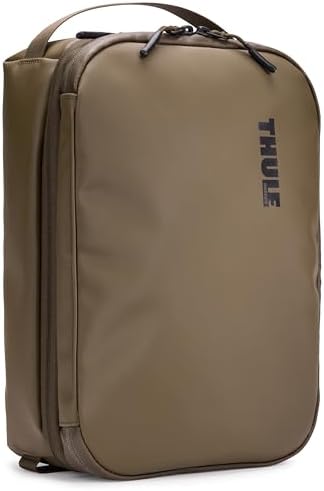
What should you pack and expect from Valencia’s weather?
Valencia is mild and sunny most of the year; pack light layers and sun protection. The Mediterranean climate means warm, bright days far more often than not, with cooler evenings and the occasional rain. Summers are hot and humid, while winters stay gentle. Comfortable walking shoes, breathable clothing, sunglasses, and sunscreen cover almost every season here.
You can pack lighter than you would for many European cities, with sun and walking comfort as the priorities. A simple kit works year-round:
- Layers for the swing. Bright days can turn into cool evenings, so a light jacket or sweater earns its place.
- Sun protection always. Sunglasses, sunscreen, and a hat matter even outside peak summer.
- Comfortable shoes. The center is best explored on foot over cobbles and long stretches.
- Beach-ready in season. The coast is close, so swimwear is worth including in the warmer months.

How do you stay connected and get around as a first-timer?
The city is walkable and well-connected, and an eSIM keeps you online from arrival. Most first-timers stay in or near the center, where the main sights are an easy walk apart. For longer hops, the metro, buses, and bike lanes cover the rest of the city. Setting up mobile data before you land means maps and tickets work on arrival.
Getting around rarely causes first-timers trouble, but a little setup makes day one smoother. Keep the basics in mind:
- Walk the center. The historic core is compact, flat, and pleasant on foot.
- Lean on the metro and buses. They link the airport, beaches, and outer neighborhoods simply.
- Go online early. Sorting data before you travel removes the airport-WiFi scramble.
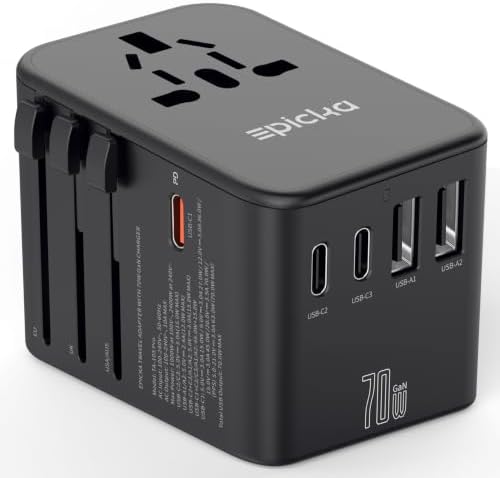
For connectivity, compare options in the best eSIM for Spain guide, and for routes, fares, and transport detail, see getting around Valencia.
Get online the moment you land
An eSIM installs before you fly — no SIM swap, no roaming bill, no queue at an airport kiosk. Two options, depending on how you travel:
Holafly — unlimited-data plans, so nothing counts against a
cap. Best for longer stays, remote work, and heavy map and video use.
Code TRIPSTOU applies automatically: 5% off any travel eSIM,
reusable on every order, or 10% off Holafly Plans.
Get a Holafly eSIM →
Airalo — pay for the data you need, across 200+ destinations,
trusted by 20M+ travelers. Best for short trips and light use.
Use code NEWTOAIRALO15 for 15% off your first order:
Get an Airalo eSIM →
Tripstou may earn a commission if you purchase through these links, at no extra cost to you.
Is Valencia safe, and what small local quirks should you expect?
Valencia is generally safe; the main caution is pickpockets in crowds and busy transport. Violent crime is rare and the city feels comfortable day and night in central areas. The realistic risk is opportunistic theft in packed markets, tourist hotspots, and on busy metro lines. Beyond that, a few local quirks catch first-timers off guard more than any danger does.
Treat safety here as basic awareness rather than worry. The same street-smart habits you would use in any busy city are enough:
- Mind your bag in crowds. Keep valuables zipped and close in markets, on transport, and around major sights.
- Stay relaxed at night. Central areas stay lively and comfortable, but normal awareness still applies.
A handful of small quirks are worth knowing in advance:
- Things start late. Nightlife, dinner, and even some shops run later than you might expect.
- Quiet afternoons are real. Do not count on every small business being open mid-afternoon.
- Festivals get loud. Valencia loves fireworks and celebrations, which can be intense and unexpected.
For a fuller picture of areas, scams, and precautions, the dedicated Valencia safety guide goes deeper than this awareness note.
Frequently Asked Questions
Do I need to speak Spanish to visit Valencia?
No, you do not need Spanish to visit Valencia. English is widely understood in hotels, restaurants, and attractions across central tourist areas. That said, a few basic phrases — a greeting, please, thank you, and asking for the bill — are genuinely appreciated and make daily interactions noticeably warmer.
Is Valencia expensive for tourists?
Valencia is generally affordable for a major European city, often cheaper than Madrid or Barcelona. Meals, coffee, and public transport offer solid value, and tipping is never obligatory. Your biggest costs are accommodation and flights, while daily spending on food and getting around stays comfortably moderate for most travelers.
What time do restaurants open for dinner in Valencia?
Most Valencia restaurants open for dinner around 8pm, but locals rarely arrive before 9pm. Kitchens often close after lunch and reopen in the evening, so showing up at 7pm may mean waiting or finding doors shut. If you are hungry earlier, tapas bars and cafes bridge the gap.
Is the Valencia Tourist Card worth it?
The Valencia Tourist Card can be worth it if you plan to use public transport heavily and visit several paid attractions in a short stay. It bundles free or discounted transport and museum entry. For relaxed, walking-focused trips with few ticketed sights, paying as you go is usually simpler.
How many days do you need in Valencia?
Two to three days is enough to enjoy Valencia’s old town, beaches, and main sights at a relaxed pace. Two days suits a focused city break, while three days adds room for the City of Arts, paella by the sea, and an unhurried afternoon. Longer stays reward slow exploration.
Is Valencia safe for tourists at night?
Yes, Valencia is safe for tourists at night, especially in central, well-lit areas that stay lively late. Violent crime is rare, and the main risk remains opportunistic pickpocketing in crowds and nightlife zones. Use the same street awareness you would anywhere, keep valuables secure, and you will feel comfortable.
Related Guides
Use these sibling guides to go deeper on the decisions this tips page only touches:
- Where to stay in Valencia — choose the right neighborhood for your trip.
- Valencia guide — the hub for what to see and do across the city.
- Valencia safety — areas, scams, and precautions in detail.
- Getting around Valencia — routes, fares, and transport options.
- Valencia trip cost — what to budget and where the value is.
- Spain travel tips — national-level habits to pair with this city primer.
Did this guide save you time or money? Tripstou is independent and reader-funded — if you'd like to give something back, you can support the site with a crypto contribution of any size.