

Planning your first adventure to Tirana? You’ve chosen a city that is a stunning blend of a complex past, vibrant modern life, and a welcoming, youthful energy. This ultimate guide is packed with everything you need to know to make your trip unforgettable. From exploring secret communist bunkers to navigating the trendy Blloku district, we’ve got you covered.
Tirana, the capital of Albania, is a city that has undergone a massive, colorful transformation. It is a place where the scars of a strict communist past are now covered in bright, bold paint, symbolizing a new era of freedom and optimism. It’s a city that captivates every traveler with its focus on history, affordability, and its unique cultural identity.
Get ready to discover why this city is an essential travel destination. Let’s dive into the essential tips that will help you plan, budget, and experience the very best of this amazing city.
TABLE OF CONTENTS
- 1. Why Visit Tirana?
- 2. Best Time to Visit Tirana
- 3. Top Destinations in Tirana for First-Timers
- 4. Planning Your Tirana Trip: A Step-by-Step Guide
- 5. Accommodation in Tirana: Where to Stay
- 6. Getting Around Tirana: Transportation Guide
- 7. How Much Does a Trip to Tirana Cost?
- 8. Must-Try Foods and Cultural Delights
- 9. Staying Safe in Tirana
- 10. Solo Travel in Tirana
- 11. Traveling Tirana with Family or as a Senior
- 12. Digital Nomads in Tirana
- 13. Essential Packing List in our Tirana Travel Guide
- 14. FAQs for First-Timers
- 15. What’s Next? More Guides to Explore
1. Why Visit Tirana?
Tirana is a city that is constantly reinventing itself. It is a destination that offers a fascinating look into a unique European history while embracing a vibrant, modern future. It is a place where you can explore a massive communist bunker in the morning and enjoy a trendy cocktail in the afternoon.
The Capital of Color and History
Tirana is known for its brightly painted buildings, a legacy of former mayor Edi Rama’s effort to inject life and optimism into the post-communist landscape. This visual transformation is mirrored by a cultural one, with a thriving café culture and an increasingly popular nightlife scene.
Beyond the color, Tirana is home to incredible historical sites, most notably the Bunk’Art museums, which offer a chilling and educational look into Albania’s isolationist past. It’s the perfect destination for travelers seeking an affordable, authentic, and rapidly evolving European experience. Competitive Edge: We immediately position Tirana as a city of transformation, focusing on the unique historical context of the communist era and its colorful, modern rebirth.
Looking for the best hotel or flight deals?
Plan your trip with ease using the Expedia search tool below. From charming boutique hotels to luxury resorts, this widget helps you compare top options in seconds — flights included!
2. Best Time to Visit Tirana
Choosing the right time to visit Tirana depends on whether you prefer warm, sunny weather for exploring or cooler temperatures for comfortable city walks.
Spring (April-May) and Autumn (September-October): Ideal Weather
- Weather: The most pleasant time, with temperatures ranging from 18-25°C (64-77°F). The city is lush and green in spring, and the autumn colors are beautiful.
- Crowds: Moderate. You will find good deals on accommodation and fewer crowds than in the peak summer months.
- Pros: Perfect weather for exploring the city on foot, hiking nearby Dajti Mountain, and enjoying the outdoor café culture.
- Cons: Occasional rain showers, especially in spring.
Summer (June-August): Hot & Lively
- Weather: Very hot, with temperatures often exceeding 30°C (86°F). The days are long and the city is lively.
- Crowds: Peak tourist season. Expect higher prices and crowds, especially in July and August.
- Pros: The best time for nightlife and for combining your trip with a visit to the Albanian Riviera.
- Cons: The heat can make sightseeing during the day challenging.
Winter (November-March): Mild & Quiet
- Weather: Mild and often rainy, with temperatures rarely dropping below freezing. Snow is rare in the city center.
- Crowds: Very few tourists.
- Pros: The best time for budget travelers, with the lowest prices for flights and hotels. Perfect for focusing on museums and indoor cultural sites.
- Cons: Shorter daylight hours and frequent rain.
Recommendation for First-Timers: For the best experience, aim for May or September. You get the benefit of pleasant weather and a lively atmosphere without the intense summer heat and crowds.
Worried about landing with no signal? Get an Airalo eSIM for your trip — trusted by 20M+ travelers with coverage in 200+ destinations, often cheaper than roaming.
3. Top Destinations in Tirana for First-Timers
Tirana’s main attractions are highly concentrated and easily accessible on foot. Here are the must-visit spots for your first incredible trip.
Skanderbeg Square (Sheshi Skënderbej)
The massive central square is the heart of the city. It features the Skanderbeg Monument, the National Historical Museum, and the Et’hem Bey Mosque. The square itself is a massive pedestrian zone, perfect for people-watching.
Bunk’Art 1 & Bunk’Art 2
These are two of the most unique museums in Europe. They are massive, former communist bunkers converted into historical and contemporary art museums. Bunk’Art 1 (on the outskirts) is the larger, more immersive experience, while Bunk’Art 2 (in the city center) focuses on the history of the secret police. Competitive Edge: Emphasize the difference between the two and the importance of visiting at least one for historical context.
Blloku District (The Block)
Once the exclusive, forbidden residential area for the communist elite, Blloku is now Tirana’s trendiest neighborhood. It is packed with stylish cafes, bars, and restaurants. It’s the best place to experience the city’s modern nightlife.
Pyramid of Tirana
A bizarre, communist-era structure originally built as a museum for the dictator Enver Hoxha. It has been recently renovated into a modern, multi-use cultural center. It is a symbol of the city’s transformation.
4. Planning Your Tirana Trip: A Step-by-Step Guide
Planning a trip to Tirana is relatively straightforward and affordable. A few key steps will ensure you maximize your time and budget effectively.
Step 1: Check Visa Requirements (ETIAS)
Albania is not in the EU, but it is a candidate country. While it does not currently require the ETIAS, always check the latest visa requirements for your passport before booking. Most Western passport holders can enter visa-free for up to 90 days.
Step 2: Book Accommodation in Blloku or the Center
Due to the city’s compact nature, staying in the Blloku district or near Skanderbeg Square is highly recommended. Book 1-2 months in advance for the best deals, especially during the summer.
Step 3: Download a Taxi App
While walking is easy, for longer distances or late nights, use a local ride-hailing app like Taxi.al or VrapOn. This ensures you get a fair price and avoid negotiating with street taxis. Competitive Edge: Provide the names of the local apps for a smoother experience.
Step 4: Prepare for Cash (Lek)
While cards are accepted in most modern restaurants and hotels, many small cafes, local markets, and buses only accept cash (Albanian Lek – ALL). Always carry a small amount of cash for convenience.
5. Accommodation in Tirana: Where to Stay
Tirana is a compact city, and most of the best areas are within walking distance of the main square. Your choice of neighborhood will primarily affect the vibe of your evenings.

Blloku District: Best for Nightlife & Cafes
This is the trendiest and most vibrant area, packed with bars, restaurants, and boutique shops. It’s the most expensive area but offers the best atmosphere for young travelers and those who enjoy a lively evening.
Skanderbeg Square/City Center: Best for Sightseeing
Staying right in the center puts you within a 10-minute walk of all major historical sites and museums. It’s convenient and offers a mix of modern hotels and budget guesthouses.
Tirana e Re (New Tirana): Quiet & Residential
Located just south of the Blloku district, this area is quieter and more residential. It offers better value for money and a more local feel, with easy access to the Grand Park of Tirana.
**Competitive Edge: Hostels with Communal Spaces**
Tirana has a fantastic hostel scene. Look for hostels with large communal areas, as they are great places to meet other travelers and organize day trips to nearby Berat or Shkodër.
6. Getting Around Tirana: Transportation Guide
Tirana is a highly walkable city, but for longer distances, the public transport system is affordable and easy to use.

Walking: The Primary Mode of Transport
Most of the main attractions (Skanderbeg Square, Blloku, Bunk’Art 2) are within a 20-minute walk of each other. Walking is the best way to appreciate the city’s colorful architecture.
City Buses: Affordable & Extensive
The city bus network is extensive and incredibly cheap (around 40 Lek or €0.35 per ride). You pay the conductor on the bus in cash. Competitive Edge: The Tirana Bus App is highly recommended for real-time tracking and route planning.
Taxis and Ride-Sharing
Taxis are affordable compared to Western Europe. Always use a ride-hailing app like Taxi.al or VrapOn to ensure a fair, metered price. Avoid unmarked taxis.
Dajti Ekspres Cable Car
This is the longest cable car in the Balkans and a must-do activity. It takes you up Mount Dajti, offering incredible panoramic views of the city and a chance to escape the summer heat.
Want to save on train tickets? Search routes and compare prices on Omio — and check for available discounts or referral credit when you book (offers can vary by location/account).
7. How Much Does a Trip to Tirana Cost?
Tirana is one of the most affordable capital cities in Europe. You can enjoy a high quality of life and travel experience without breaking the bank. The biggest costs are international flights and high-end accommodation.
Daily Budget Estimate (Excluding Accommodation)
- Budget Traveler: 25-40 EUR / $27-43 USD per day
- Food: Eating local street food (Byrek), cooking your own meals, and cheap local restaurants.
- Transport: City buses and walking.
- Activities: Free attractions (Skanderbeg Square, Blloku) and one paid museum (Bunk’Art).
- Mid-Range Traveler: 50-80 EUR / $54-86 USD per day
- Food: Eating out at mid-range restaurants once or twice a day.
- Transport: Occasional taxi/ride-share, city buses.
- Activities: Entry to all major museums, Dajti Ekspres cable car.
- Luxury Traveler: 100+ EUR / $108+ USD per day
- Food: Fine dining, high-end restaurants, and frequent café stops.
- Transport: Private transfers and taxis.
- Activities: Private tours, day trips, and premium experiences.
Money-Saving Tips:
- Competitive Edge: Local Lunch Deals: Look for “Dreka” (lunch) specials at local restaurants. These are set menus that offer incredible value, often including a soup, main course, and salad for under 500 Lek (€4.50).
- Grocery Stores: Shop at Conad or Spar for the best prices.
- Tap Water: The tap water is generally safe to drink in Tirana, but many locals prefer bottled water. Ask your accommodation for their recommendation.
- Alcohol: Alcohol is very cheap compared to Western Europe, but still a budget killer if consumed frequently.
8. Must-Try Foods and Cultural Delights
Albanian cuisine is a delicious blend of Balkan, Mediterranean, and Turkish influences. It is hearty, flavorful, and incredibly affordable. Don’t leave without trying these local specialties.

Iconic Albanian Dishes
- Byrek: The quintessential Albanian street food. It is a flaky, savory pastry filled with cheese, meat, or spinach. It’s the perfect cheap and filling breakfast or snack.
- Tavë Kosi:** Albania’s national dish. It is a delicious baked dish of lamb and rice, covered in a yogurt and egg mixture. It is a must-try comfort food.
- Fërgesë: A creamy, cheesy dip or stew made with peppers, tomatoes, and cottage cheese. It is typically served warm with bread and is a Tirana specialty.
- Qofte: Albanian meatballs, often served with a side of yogurt or a simple salad.
Cultural Etiquette & Coffee Culture
- Coffee Culture: The café culture is central to life in Tirana. Locals spend hours socializing over a single espresso. Embrace the slow pace and enjoy the people-watching.
- Tipping: Tipping is not mandatory, but rounding up the bill or leaving 5-10% for good service is appreciated, especially in tourist areas.
- The Language: Albanian is the official language. English is widely spoken by young people and in tourist areas, but learning a few basic Albanian phrases (like Faleminderit – Thank you) is always appreciated.
9. Staying Safe in Tirana
Albania is a very safe country, and Tirana is generally a safe city for tourists. The biggest issues are petty theft and traffic safety.
General Safety Tips
- Petty Crime: Pickpocketing is rare but can occur in crowded areas like the bus station or Skanderbeg Square. Keep your valuables secure.
- Traffic Safety: Traffic can be chaotic. Be extremely careful when crossing the street, as drivers often do not yield to pedestrians.
- Scams: Be wary of unmarked taxis. Always use a ride-hailing app like Taxi.al or VrapOn to ensure a fair, metered price. Avoid unmarked taxis.
- Emergency Numbers: The universal emergency number in Albania is 112 for police, ambulance, and fire services.
10. Solo Travel in Tirana
Tirana is an excellent destination for solo travelers. It’s exceptionally safe, very affordable, and the locals are generally friendly and curious about tourists. The city’s vibrant café culture makes it easy to enjoy time alone or meet others.
The city’s strong hostel scene and numerous free walking tours make it easy to connect with other travelers. Competitive Edge: Suggest taking a day trip to the nearby Krujë Castle (a national symbol) or the historic city of Berat (a UNESCO site). These are easy to organize from Tirana and are perfect for solo exploration.
11. Traveling Tirana with Family or as a Senior
Tirana is a very family-friendly city, and its affordability makes it an excellent choice for senior travelers, though the chaotic traffic requires caution.
Traveling with Family
- Attractions: The Grand Park of Tirana (Parku i Madh) offers a huge green space with a lake and playgrounds. The Dajti Ekspres cable car is a huge hit with children.
- Pacing: The city is compact, and the numerous parks and pedestrian zones offer great spaces for children.
- Safety: The city’s low crime rate and focus on public spaces make it a stress-free environment for families.
Traveling as a Senior
- Accessibility: While the main square is accessible, the cobblestone streets of the Old Bazaar and the lack of consistent sidewalk quality can be challenging. Stick to the main boulevards.
- Pace: The Albanian culture encourages a relaxed pace. Taxis are affordable for short distances, which can help senior travelers conserve energy.
12. Digital Nomads in Tirana
Tirana is rapidly becoming a top destination for digital nomads, primarily due to its extremely low cost of living, fast internet, and vibrant social scene.
- Connectivity: Internet is fast and reliable. Free Wi-Fi is widespread in cafes and libraries.
- Co-working Spaces: Several modern co-working spaces are available, such as Destil Hostel & Creative Hub and Working Title.
- Cost of Living: Extremely low. Accommodation and food are significantly cheaper than in Western Europe, making it highly attractive for budget-conscious nomads.
- Visa: Albania offers a Digital Nomad Visa for up to one year, making it an excellent long-term base. Competitive Edge: Mention the official Digital Nomad Visa to attract long-term travelers.
Looking for a smarter way to manage your travel money? Wise offers real exchange rates with no hidden fees, making it the perfect companion for international trips.
13. Essential Packing List in our Tirana Travel Guide
Packing for Tirana is straightforward, focusing on comfort, layers, and a few key items to handle the local environment.
Clothing
- Layers: Essential for the shoulder seasons, as temperatures can fluctuate widely between day and night.
- Comfortable Walking Shoes: Non-negotiable for navigating the city’s streets and sidewalks.
- Modest Attire: While Tirana is very liberal, pack a scarf or light covering if you plan to visit mosques or Orthodox churches.
Essentials & Accessories
- Universal Travel Adapter: Albania uses the standard European Type C and F plugs.
- Small Cash Stash: Always carry small denominations of Lek for buses and local markets.
- Tirana Bus App: Download the app before you arrive for easy public transportation.
- Competitive Edge: Reusable Shopping Bag: Essential for the local markets, which often do not provide bags.
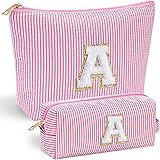
YOOLIFE Valentines Day Gifts for Kids Teen Girls Women | Initial Makeup Bag | Pink Cosmetic Bag Travel Bags | 11 12 13 14 15 16 Years Old Girl Gift Teacher Gift Teen Girl Gifts Trendy Stuff A
$13.75 (as of February 16, 2026 11:56 GMT +02:00 - More infoProduct prices and availability are accurate as of the date/time indicated and are subject to change. Any price and availability information displayed on [relevant Amazon Site(s), as applicable] at the time of purchase will apply to the purchase of this product.)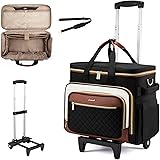
LOVEVOOK Rolling Teacher Bag with Detachable Dolly and Laptop Compartment, Large Rolling Tote Bag fits for 17.3" Laptop for Teacher Office Work Craft Nurse, Quilted-Black-beige-brown
$64.98 (as of February 16, 2026 11:56 GMT +02:00 - More infoProduct prices and availability are accurate as of the date/time indicated and are subject to change. Any price and availability information displayed on [relevant Amazon Site(s), as applicable] at the time of purchase will apply to the purchase of this product.)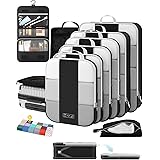
10 Set Compression Packing Cubes for Travel Essentials,Compressible Expandable Packing Cubes for Suitcase,OlarHike Luggage Organizer Bags for Travel,Handy Helper for Organizing Clothes(Black)
$28.48 (as of February 16, 2026 11:56 GMT +02:00 - More infoProduct prices and availability are accurate as of the date/time indicated and are subject to change. Any price and availability information displayed on [relevant Amazon Site(s), as applicable] at the time of purchase will apply to the purchase of this product.)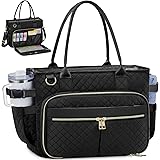
FIORETTO Teacher Tote Bag for Women with Laptop Compartment, Large Cup Holder, Zip Closure, Ideal for Work, Bible, Nurse
$37.99 (as of February 16, 2026 11:56 GMT +02:00 - More infoProduct prices and availability are accurate as of the date/time indicated and are subject to change. Any price and availability information displayed on [relevant Amazon Site(s), as applicable] at the time of purchase will apply to the purchase of this product.)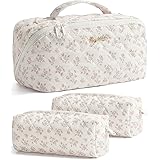
Travel Makeup Bag, 3 Pcs Large Capacity Puffy Toiletry Bag for Women, Open Flat Make up Cosmetic Organizer w/Handle & Clear Divider Water-resistant Portable Pouch Travel Essentials, L-Beige Rose
$25.99 (as of February 16, 2026 11:56 GMT +02:00 - More infoProduct prices and availability are accurate as of the date/time indicated and are subject to change. Any price and availability information displayed on [relevant Amazon Site(s), as applicable] at the time of purchase will apply to the purchase of this product.)As an Amazon Associate, we earn from qualifying purchases.
14. FAQs for First-Timers
Here are some frequently asked questions to help you plan your first trip to Tirana.
What currency does Tirana use?
Albania uses the Albanian Lek (ALL). While Euros are sometimes accepted, paying in Lek is always better for the exchange rate.
Is English widely spoken?
Yes, English is widely spoken by young people and in tourist areas. Italian is also very common.
Is Tirana expensive?
No, it is one of the most affordable capital cities in Europe. You can travel very comfortably on a budget.
Do I need to tip in Tirana?
Tipping is not mandatory, but rounding up the bill or leaving 5-10% for good service is appreciated.
What is the Blloku district?
It was the former forbidden residential area for the communist elite, now the city’s trendiest neighborhood for cafes and nightlife.
What is the best way to save money in Tirana?
Eat local street food like Byrek and look for the “Dreka” (lunch) specials.
15. What’s Next? More Guides to Explore
Your Tirana adventure awaits! We hope this comprehensive guide has equipped you with all the essential information to plan an unforgettable trip to the Albanian capital. From the deep history of Bunk’Art to the vibrant energy of Blloku, Tirana promises a journey filled with color, culture, and lasting memories.
Happy travels, and enjoy your incredible journey through the heart of the Balkans!
🇪🇺 Western Europe Countries
- France Travel Guide
- Spain Travel Guide
- Portugal Travel Guide
- Netherlands Travel Guide
- Belgium Travel Guide
- Luxembourg Travel Guide
- Ireland Travel Guide
- England Travel Guide
🇪🇺 Southern Europe & Balkans Countries
- Italy Travel Guide
- Greece Travel Guide
- Croatia Travel Guide
- Montenegro Travel Guide
- Albania Travel Guide
- Malta Travel Guide
- Bosnia and Herzegovina Travel Guide
- Serbia Travel Guide
- North Macedonia Travel Guide
- Kosovo Travel Guide
🇪🇺 Northern Europe & Nordics Countries
- Sweden Travel Guide
- Norway Travel Guide
- Finland Travel Guide
- Denmark Travel Guide
- Iceland Travel Guide
- Scotland Travel Guide
🇪🇺 Central Europe Countries
- Germany Travel Guide
- Austria Travel Guide
- Switzerland Travel Guide
- Poland Travel Guide
- Czechia Travel Guide
- Hungary Travel Guide
- Slovakia Travel Guide
- Slovenia Travel Guide
🇪🇺 Eastern Europe & Baltics Countries
- Romania Travel Guide
- Bulgaria Travel Guide
- Ukraine Travel Guide
- Moldova Travel Guide
- Lithuania Travel Guide
- Latvia Travel Guide
- Estonia Travel Guide
- Belarus Travel Guide

