

Planning your first adventure to Sarajevo? You’ve chosen a city that is a powerful, beautiful, and deeply moving blend of East and West. This ultimate guide is packed with everything you need to know to make your trip unforgettable. From walking the cobblestone streets of the Ottoman-era bazaar to understanding the city’s incredible resilience, we’ve got you covered.
Sarajevo, the capital of Bosnia and Herzegovina, is famously known as the “Jerusalem of Europe” for its unique cultural and religious diversity. It is a place where mosques, synagogues, Catholic, and Orthodox churches stand side-by-side. It’s a city that captivates every traveler with its history, affordability, and the incredible warmth of its people.
Get ready to discover why this city is an essential travel destination. Let’s dive into the essential tips that will help you plan, budget, and experience the very best of this amazing city.
TABLE OF CONTENTS
- 1. Why Visit Sarajevo?
- 2. Best Time to Visit Sarajevo
- 3. Top Destinations in Sarajevo for First-Timers
- 4. Planning Your Sarajevo Trip: A Step-by-Step Guide
- 5. Accommodation in Sarajevo: Where to Stay
- 6. Getting Around Sarajevo: Transportation Guide
- 7. How Much Does a Trip to Sarajevo Cost?
- 8. Must-Try Foods and Cultural Delights
- 9. Staying Safe in Sarajevo
- 10. Solo Travel in Sarajevo
- 11. Traveling Sarajevo with Family or as a Senior
- 12. Digital Nomads in Sarajevo
- 13. Essential Packing List in our Sarajevo Travel Guide
- 14. FAQs for First-Timers
- 15. What’s Next? More Guides to Explore
1. Why Visit Sarajevo?
Sarajevo is a city of profound historical significance. It is the place where World War I began and the site of the longest siege in modern history. But more than its past, it is a city defined by its incredible cultural fusion and the resilience of its people.
The Jerusalem of Europe: Where East Meets West
The city’s main pedestrian street features the Sarajevo Meeting of Cultures marker, a line on the pavement where the Ottoman-era architecture of the East meets the Austro-Hungarian style of the West. This blend is reflected in the food, the music, and the people.
Sarajevo offers a unique, affordable, and deeply human travel experience. It’s a place to learn history, enjoy a vibrant café culture, and be moved by the stories of survival. Competitive Edge: We immediately position Sarajevo by focusing on the Sarajevo Meeting of Cultures and the city’s unique blend of historical and cultural influences, which is its defining feature.
Looking for the best hotel or flight deals?
Plan your trip with ease using the Expedia search tool below. From charming boutique hotels to luxury resorts, this widget helps you compare top options in seconds — flights included!
2. Best Time to Visit Sarajevo
Choosing the right time to visit Sarajevo depends on whether you prefer the lively summer festivals or the quiet, snowy charm of winter.
Summer (June-August): Festivals & Warmth
- Weather: Warm and sunny, with temperatures typically ranging from 20-30°C (68-86°F). The days are long and the city is lively.
- Crowds: Peak tourist season, especially during the Sarajevo Film Festival in August. Expect higher prices for accommodation.
- Pros: The best time for outdoor activities, hiking, and enjoying the city’s numerous festivals and events.
- Cons: Can be very hot, and accommodation prices are at their highest.
Spring (April-May) and Autumn (September-October): Ideal Balance
- Weather: The most pleasant time, with temperatures ranging from 15-25°C (59-77°F). The city is beautiful with fewer crowds.
- Crowds: Moderate. You will find good deals on accommodation and a more relaxed atmosphere.
- Pros: Perfect weather for exploring the city on foot, taking day trips to Mostar, and enjoying the outdoor café culture.
- Cons: Occasional rain showers, especially in spring.
Recommendation for First-Timers: For the best experience, aim for May or September. You get the benefit of pleasant weather and a lively atmosphere without the intense summer crowds and heat.
Worried about landing with no signal? Get an Airalo eSIM for your trip — trusted by 20M+ travelers with coverage in 200+ destinations, often cheaper than roaming.
3. Top Destinations in Sarajevo for First-Timers
Sarajevo’s main attractions are highly concentrated in the Old Town (Baščaršija) and easily accessible on foot. Here are the must-visit spots for your first incredible trip.
Baščaršija (Old Town)
The heart of Sarajevo, this Ottoman-era bazaar is a maze of cobblestone streets, coppersmith shops, and traditional ćevabdžinice (ćevapi restaurants). The Sebilj Fountain is the iconic symbol of the area.
Sarajevo War Tunnel (Tunel Spasa)
A powerful and essential visit. This was the only way to get supplies and people in and out of the city during the Siege of Sarajevo. A small section is preserved as a museum. Competitive Edge: Emphasize the emotional and historical weight of this site, not just its physical presence.
War Childhood Museum
A small, deeply moving museum that tells the story of the Bosnian War through the eyes of children. It is a powerful, non-political, and highly recommended experience.
Latin Bridge
The site where Archduke Franz Ferdinand was assassinated in 1914, sparking World War I. It is a simple, beautiful bridge that carries immense historical weight.
4. Planning Your Sarajevo Trip: A Step-by-Step Guide
Planning a trip to Sarajevo is relatively straightforward and affordable. A few key steps will ensure you maximize your time and budget effectively.
Step 1: Check Visa Requirements
Bosnia and Herzegovina is not in the EU, but most Western passport holders can enter visa-free for up to 90 days. Always check the latest requirements for your passport before booking.
Step 2: Prepare for Cash (Convertible Mark)
While cards are accepted in most modern restaurants and hotels, many small cafes, local markets, and especially the Old Town shops only accept cash (Bosnian Convertible Mark – BAM). Always carry a small amount of cash for convenience.
Step 3: Download a Taxi App
For longer distances or late nights, use a local ride-hailing app like MojTaxi or Žuti Taxi. This ensures you get a fair price and avoid negotiating with street taxis. Competitive Edge: Provide the names of the local apps for a smoother experience.
Step 4: Respect the History
Be mindful of the city’s recent history. When visiting war-related sites, maintain a respectful demeanor. The Sarajevo Roses (mortar shell scars filled with red resin) are a powerful reminder of the siege.
5. Accommodation in Sarajevo: Where to Stay
Sarajevo is a compact city, and most of the best areas are within walking distance of the main square. Your choice of neighborhood will primarily affect the atmosphere of your stay.

Baščaršija (Old Town): Best for Atmosphere & History
Staying in the Old Town puts you right in the heart of the action, surrounded by Ottoman-era charm, cafes, and restaurants. It can be noisy at night, but the atmosphere is unbeatable.
Marijin Dvor: Modern & Convenient
Located near the Parliament and the modern shopping centers, this area is quieter, more modern, and offers better access to the tram lines. It’s a great choice for business travelers or those seeking a quieter stay.
Skenderija: Budget & Local Vibe
Located across the river from the center, this area is quieter and more residential. It offers better value for money and a more local feel, with easy access to the city’s main sports center.
**Competitive Edge: Guesthouses (Pensions)**
Look for family-run guesthouses (often called Pensions). They offer incredible hospitality, local tips, and often include a traditional Bosnian breakfast, providing a much more authentic experience than a large hotel.
6. Getting Around Sarajevo: Transportation Guide
Sarajevo is a highly walkable city, but for longer distances, the tram system is the most efficient and affordable way to travel.

Walking: The Primary Mode of Transport
The Old Town and most major historical sites are within a 20-minute walk of each other. Walking is the best way to appreciate the city’s cultural blend.
Trams: Affordable & Efficient
The tram line runs the length of the city, connecting the Old Town to the modern districts. Tickets are purchased from the driver or a kiosk and must be validated on board. Competitive Edge: The tram is the best way to see the length of the city, including the infamous Sniper Alley (now a normal street), which is a powerful, if subtle, historical journey.
Taxis and Ride-Sharing
Taxis are affordable compared to Western Europe. Always use a ride-hailing app like MojTaxi or Žuti Taxi to ensure a fair, metered price. Avoid unmarked taxis.
**Competitive Edge: Day Trips**
Sarajevo is a great base for day trips. The bus and train station offers easy connections to Mostar (famous for its Stari Most bridge) and the beautiful nature of the Vrelo Bosne park.
Want to save on train tickets? Search routes and compare prices on Omio — and check for available discounts or referral credit when you book (offers can vary by location/account).
7. How Much Does a Trip to Sarajevo Cost?
Sarajevo is one of the most affordable capital cities in Europe. You can enjoy a high quality of life and travel experience without breaking the bank. The biggest costs are international flights and high-end accommodation.
Daily Budget Estimate (Excluding Accommodation)
- Budget Traveler: 25-40 EUR / $27-43 USD per day
- Food: Eating local street food (ćevapi, burek), cooking your own meals, and cheap local restaurants.
- Transport: Trams and walking.
- Activities: Free attractions (Baščaršija, Latin Bridge) and one paid museum.
- Mid-Range Traveler: 50-80 EUR / $54-86 USD per day
- Food: Eating out at mid-range restaurants once or twice a day.
- Transport: Occasional taxi/ride-share, trams.
- Activities: Entry to all major museums, including the War Tunnel.
- Luxury Traveler: 100+ EUR / $108+ USD per day
- Food: Fine dining, high-end restaurants, and frequent café stops.
- Transport: Private transfers and taxis.
- Activities: Private tours, day trips, and premium experiences.
Money-Saving Tips:
- Competitive Edge: Local Lunch Deals: Look for “Dnevni Meni” (Daily Menu) specials at local restaurants. These are set menus that offer incredible value, often including a soup, main course, and salad for under 10 BAM (€5).
- Grocery Stores: Shop at Bingo or Konzum for the best prices.
- Tap Water: The tap water is generally safe to drink in Sarajevo and is famous for its quality. Carry a reusable bottle and refill it often.
- Coffee: Bosnian coffee is a cultural experience and is very affordable.
8. Must-Try Foods and Cultural Delights
Bosnian cuisine is a delicious blend of Turkish, Mediterranean, and Central European influences. It is hearty, flavorful, and incredibly affordable. Don’t leave without trying these local specialties.

Iconic Bosnian Dishes
- Ćevapi: The national dish. Grilled minced meat (beef and lamb) served in a pita-like bread (somun) with chopped onions and sour cream (kajmak). The best are found in the Baščaršija.
- Burek: A flaky pastry filled with meat, cheese, or spinach. Competitive Edge: In Bosnia, Burek only refers to the meat-filled version; the others are called sirnica (cheese) or zeljanica (spinach).
- Bosanski Lonac: A traditional Bosnian stew made with layers of meat and various vegetables, slow-cooked in a clay pot.
- Bosnian Coffee: A strong, thick coffee served in a copper pot (džezva) with a sugar cube and a piece of Turkish delight. It is a ritual, not just a drink.
Cultural Etiquette & Local Vibe
- Hospitality: Bosnian people are incredibly warm and hospitable. Expect to be offered coffee or a shot of rakija (fruit brandy) when visiting a local home or guesthouse.
- Tipping: Tipping is not mandatory, but rounding up the bill or leaving 5-10% for good service is appreciated.
- The Language: Bosnian, Croatian, and Serbian are mutually intelligible. English is widely spoken in tourist areas.
9. Staying Safe in Sarajevo
Sarajevo is a very safe city for tourists. The biggest issues are petty theft and being mindful of the city’s history.
General Safety Tips
- Petty Crime: Pickpocketing is rare but can occur in crowded areas like the tram or the Baščaršija. Keep your valuables secure.
- Landmines: Crucial Warning: While the city center is completely safe, NEVER wander off marked paths or trails in the surrounding mountains or remote areas, as unexploded landmines from the war are still a risk. Stick to well-traveled areas. Competitive Edge: This is a vital safety tip often overlooked by general guides.
- Scams: Be wary of unmarked taxis. Always use a ride-hailing app like MojTaxi or Žuti Taxi to ensure a fair, metered price. Avoid unmarked taxis.
- Emergency Numbers: The universal emergency number in Bosnia and Herzegovina is 112 for police, ambulance, and fire services.
10. Solo Travel in Sarajevo
Sarajevo is an excellent destination for solo travelers. It’s exceptionally safe, very affordable, and the locals are generally friendly and curious about tourists. The city’s strong hostel scene and numerous free walking tours make it easy to enjoy time alone or meet others.
The city’s numerous cafes and the Old Town’s atmosphere make it easy to enjoy time alone. Competitive Edge: Suggest taking a Free Walking Tour focused on the war history. These are often led by locals who lived through the siege and offer a powerful, personal perspective that is perfect for solo travelers seeking a deeper understanding.
11. Traveling Sarajevo with Family or as a Senior
Sarajevo is a very family-friendly city, and its affordability makes it an excellent choice for senior travelers, though the cobblestone streets require caution.
Traveling with Family
- Attractions: The Vrelo Bosne park (source of the Bosna River) is a beautiful, peaceful spot for families. The War Childhood Museum is suitable for older children (10+).
- Pacing: The city is compact, and the numerous parks and pedestrian zones offer great spaces for children.
- Safety: The city’s low crime rate and focus on public spaces make it a stress-free environment for families.
Traveling as a Senior
- Accessibility: The Old Town’s cobblestones can be challenging. Stick to the main pedestrian streets and use the tram for longer distances.
- Pace: The Bosnian culture encourages a relaxed pace. Taxis are affordable for short distances, which can help senior travelers conserve energy.
12. Digital Nomads in Sarajevo
Sarajevo is a growing hub for digital nomads, primarily due to its extremely low cost of living, fast internet, and vibrant social scene. It offers a unique blend of history and modern connectivity.
- Connectivity: Internet is fast and reliable. Free Wi-Fi is widespread in cafes and libraries.
- Co-working Spaces: Several modern co-working spaces are available, such as Hub 387 and Networks.
- Cost of Living: Extremely low. Accommodation and food are significantly cheaper than in Western Europe, making it highly attractive for budget-conscious nomads.
- Visa: Most Western passport holders can stay visa-free for up to 90 days, which is perfect for a short-term base.
Looking for a smarter way to manage your travel money? Wise offers real exchange rates with no hidden fees, making it the perfect companion for international trips.
13. Essential Packing List in our Sarajevo Travel Guide
Packing for Sarajevo is straightforward, focusing on comfort, layers, and a few key items to handle the local environment.
Clothing
- Layers: Essential for the shoulder seasons, as temperatures can fluctuate widely between day and night.
- Comfortable Walking Shoes: Non-negotiable for navigating the city’s cobblestone streets and hills.
- Modest Attire: While Sarajevo is very liberal, pack a scarf or light covering if you plan to visit mosques.
Essentials & Accessories
- Universal Travel Adapter: Bosnia and Herzegovina uses the standard European Type C and F plugs.
- Small Cash Stash: Always carry small denominations of BAM for local markets and small shops.
- Competitive Edge: Reusable Water Bottle: The tap water is excellent and famous for its quality. Refill often.
- VPN: Recommended for secure and unrestricted internet access.
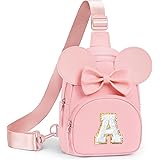
YOOLIFE Birthday Gifts for 2 3 4 5 6 7 8 Year Old Girls Kid Purse, Initial Sling Bag Crossbody Bag for Little Girl Purse, Small Fanny Pack for Girls, Personalized Gifts for Daughter Sister, Pink (A)
$16.99 (as of February 16, 2026 11:56 GMT +02:00 - More infoProduct prices and availability are accurate as of the date/time indicated and are subject to change. Any price and availability information displayed on [relevant Amazon Site(s), as applicable] at the time of purchase will apply to the purchase of this product.)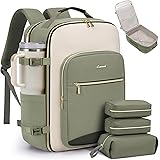
LOVEVOOK 40L Travel Backpack for Women & Men, Airline Approved Carry On Luggage with 3 Packing Cubes, TSA Overnight Bags, Waterproof Personal Item Bag, Weekender Essentials Backpacks fits 17" Laptop
$39.98 (as of February 16, 2026 11:56 GMT +02:00 - More infoProduct prices and availability are accurate as of the date/time indicated and are subject to change. Any price and availability information displayed on [relevant Amazon Site(s), as applicable] at the time of purchase will apply to the purchase of this product.)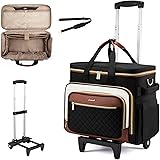
LOVEVOOK Rolling Teacher Bag with Detachable Dolly and Laptop Compartment, Large Rolling Tote Bag fits for 17.3" Laptop for Teacher Office Work Craft Nurse, Quilted-Black-beige-brown
$64.98 (as of February 16, 2026 11:56 GMT +02:00 - More infoProduct prices and availability are accurate as of the date/time indicated and are subject to change. Any price and availability information displayed on [relevant Amazon Site(s), as applicable] at the time of purchase will apply to the purchase of this product.)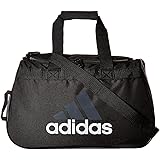
adidas Diablo Small Duffel Bag
(as of February 16, 2026 11:56 GMT +02:00 - More infoProduct prices and availability are accurate as of the date/time indicated and are subject to change. Any price and availability information displayed on [relevant Amazon Site(s), as applicable] at the time of purchase will apply to the purchase of this product.)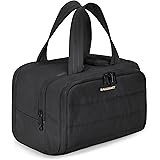
BAGSMART Travel Toiletry Bag, Lightweight Large Wide-open Travel Bag for Women, Puffy Cosmetic Makeup Bag Organizer with Handle for Accessories,Essentials, Toiletries, Black
$21.65 (as of February 16, 2026 11:56 GMT +02:00 - More infoProduct prices and availability are accurate as of the date/time indicated and are subject to change. Any price and availability information displayed on [relevant Amazon Site(s), as applicable] at the time of purchase will apply to the purchase of this product.)As an Amazon Associate, we earn from qualifying purchases.
14. FAQs for First-Timers
Here are some frequently asked questions to help you plan your first trip to Sarajevo.
What currency does Sarajevo use?
Bosnia and Herzegovina uses the Bosnian Convertible Mark (BAM). While Euros are sometimes accepted, paying in BAM is always better for the exchange rate.
Is English widely spoken?
Yes, English is widely spoken in tourist areas, especially by young people.
Is Sarajevo expensive?
No, it is one of the most affordable capital cities in Europe.
Do I need to tip in Sarajevo?
Tipping is not mandatory, but rounding up the bill or leaving 5-10% for good service is appreciated.
What is Ćevapi?
The national dish. Grilled minced meat served in a pita-like bread with chopped onions and sour cream (kajmak).
What is the best way to save money in Sarajevo?
Eat local street food like ćevapi and look for the “Dnevni Meni” (Daily Menu) specials.
15. What’s Next? More Guides to Explore
Your Sarajevo adventure awaits! We hope this comprehensive guide has equipped you with all the essential information to plan an unforgettable trip to the Bosnian capital. From the cultural fusion of the Baščaršija to the powerful history of the War Tunnel, Sarajevo promises a journey filled with profound moments and lasting memories.
Happy travels, and enjoy your incredible journey through the heart of the Balkans!
🇪🇺 Western Europe Countries
- France Travel Guide
- Spain Travel Guide
- Portugal Travel Guide
- Netherlands Travel Guide
- Belgium Travel Guide
- Luxembourg Travel Guide
- Ireland Travel Guide
- England Travel Guide
🇪🇺 Southern Europe & Balkans Countries
- Italy Travel Guide
- Greece Travel Guide
- Croatia Travel Guide
- Montenegro Travel Guide
- Albania Travel Guide
- Malta Travel Guide
- Bosnia and Herzegovina Travel Guide
- Serbia Travel Guide
- North Macedonia Travel Guide
- Kosovo Travel Guide
🇪🇺 Northern Europe & Nordics Countries
- Sweden Travel Guide
- Norway Travel Guide
- Finland Travel Guide
- Denmark Travel Guide
- Iceland Travel Guide
- Scotland Travel Guide
🇪🇺 Central Europe Countries
- Germany Travel Guide
- Austria Travel Guide
- Switzerland Travel Guide
- Poland Travel Guide
- Czechia Travel Guide
- Hungary Travel Guide
- Slovakia Travel Guide
- Slovenia Travel Guide
🇪🇺 Eastern Europe & Baltics Countries
- Romania Travel Guide
- Bulgaria Travel Guide
- Ukraine Travel Guide
- Moldova Travel Guide
- Lithuania Travel Guide
- Latvia Travel Guide
- Estonia Travel Guide
- Belarus Travel Guide

