

This Rome travel guide is built for first-timers who want Rome’s icons without overwhelming crowds or logistical friction. Rome is the Eternal City—a place where ancient history, Renaissance art, and modern Italian life collide on every street corner. With 2,000+ years layered into walkable neighborhoods, Rome rewards travelers who plan strategically.
Quick answers: 3–4 days is ideal; 2 is rushed; 5 adds neighborhoods or a day trip. Best area to stay in Rome for first-timers: Centro Storico for walkability; Prati for Vatican; Monti for Colosseum. What to book in Rome: Colosseum + Vatican timed entry (official-first), plus Borghese if you want it.
The biggest difference between a smooth Rome trip and a stressful one is simple: book your two anchors (Colosseum + Vatican), pick a smart base neighborhood, and use a walk-first approach with public transport only for long jumps.
This article is evergreen. Rome’s core planning logic doesn’t change (where to stay, how many days you need, and how to structure your itinerary). Specific details like ticket systems, prices, and access rules can change—so whenever you’re close to booking, always confirm the latest info on official sources.
In this Rome travel guide, you’ll learn:
- How many days you actually need (3–4 is the sweet spot)
- Where to stay (Centro Storico vs Monti vs Prati vs Trastevere)
- How to book Colosseum and Vatican tickets (official-first strategy)
- How to visit Trevi Fountain with minimal crowds (and what to do if crowd-control is active)
- How to get around efficiently (walk-first + metro for long jumps)
- Common mistakes that waste time and money
Built for: History lovers, art enthusiasts, and first-time Italy travelers who want Rome’s icons without overwhelming crowds or logistical friction.
Rome at a Glance (Fast Planning Snapshot)
- Ideal stay length: 3–4 days. 2 is rushed; 5 adds neighborhoods or one day trip.
- Book first (official-first): Colosseum + Vatican Museums timed entry. Add Borghese only if it’s a must.
- Where to stay: Centro Storico (best walkability) · Monti (Colosseum-side vibe) · Prati (Vatican-side calm) · Trastevere (nightlife, noise trade-off).
- Crowd rule: Early is calmest; midday is busiest. (Trevi = go early or late.)
- Transport rule: Walk-first + metro for long jumps. Trastevere = typically tram/bus or walking.
Table of Contents
1. Do This First (Before You Arrive)
Rome works best when you lock a few decisions before landing. These are the eight steps that actually matter:
1) Choose your pace (2 vs 3 vs 4–5 days): Two days is tight but possible. Three days is the classic structure. Four to five days gives you breathing room for neighborhoods, parks, or a day trip.
2) Pick your base neighborhood: Centro Storico for maximum walkability, Monti for vibe + Ancient Rome proximity, Prati for Vatican access + calmer evenings, Trastevere for nightlife (trade-off: noise/crowds).
3) Book your Colosseum anchor (timed entry): Your Colosseum time slot shapes Day 1. For peak periods and weekends, book as early as you can.
4) Book your Vatican anchor (timed entry): Vatican Museums can sell out—especially weekends and peak months. This time slot shapes Day 2.
5) Decide if a city pass is worth it: If you’re doing 1–2 paid attractions per day and walking a lot, pay-as-you-go usually wins. Passes make sense when you’re stacking several paid entries in a short window.
6) Save your “transport rule” + airport transfer choice: Walk-first. Use the metro for long jumps. For the airport: train (budget) vs taxi (convenience) depends on arrival time, luggage, and where you’re staying.
7) Decide 0–1 day trip (Tivoli or Ostia): If you only have 3 days, skip it. If you have 4–5 days, choose one—don’t try to do both.
8) Choose a sunset anchor + one slow evening: Pick one viewpoint (Gianicolo Hill or Castel Sant’Angelo) and one neighborhood evening (Monti or Trastevere). These anchors give your trip rhythm.
Looking for a smarter way to manage your travel money? Wise offers real exchange rates with no hidden fees, making it the perfect companion for international trips.
2. Where to Stay in Rome (Best Areas + Trade-Offs)

Rome is large, and your base neighborhood changes your daily logistics. Use this quick decision shortcut first:
- First-timers who want walkability: Centro Storico
- Vibe + Colosseum proximity: Monti
- Vatican priority + calmer nights: Prati
- Nightlife + food scene: Trastevere (noise/crowds trade-off)
- Budget + early trains/day trips: Termini area (less charm at night)
Centro Storico (Pantheon / Navona)
The heart of Rome—Pantheon, Trevi, Navona, Spanish Steps. Best for walkability and first-timers. Trade-off: higher prices and heavier crowds.
Monti
Local energy and great restaurants near the Colosseum. Trade-off: longer commute to the Vatican and can be noisy at night.
Prati
Calmer, cleaner-feeling base near Vatican City. Great for families and travelers who want quieter nights. Trade-off: more commuting to Ancient Rome.
Trastevere
Atmospheric nightlife and food. Trade-off: crowds, noise, and slightly less “plug-and-play” access to major sights (you’ll rely more on walking/tram/bus).
Termini Area
Practical and budget-friendly with strong train connections. Trade-off: less evening charm and a more hectic feel.
3. 3-Day Rome Itinerary (Classic)
This itinerary is built around two anchors: Colosseum (Day 1) and Vatican (Day 2). Day 3 is the classic Centro Storico loop.
Day 1: Ancient Rome (Colosseum + Forum + Palatine + Monti Evening)
Morning (8–11 AM): Colosseum timed entry (aim for early if possible).
Core block (realistic total time): Plan 3–6 hours for the full Colosseum + Roman Forum + Palatine Hill zone (less if you move fast; more if you like exhibits, viewpoints, and slow wandering).
Midday (11 AM–2 PM): Lunch away from the main tourist squares (walk 5–10 minutes for better value). Short reset break.
Afternoon (2–5 PM): Monti “vibe time” on foot—shops, coffee, small galleries.
Evening: Dinner in Monti and a slow night walk.
Day 2: Vatican City (Museums + St Peter’s + Prati / Trastevere Evening)
Morning (8–11 AM): Vatican Museums timed entry (early is best). Plan 2–3 hours minimum.
Midday (11 AM–2 PM): St Peter’s Basilica (1–1.5 hours) + lunch (again: walk away from the main square).
Afternoon (2–5 PM): Easy pace in Prati (coffee + recharge) or rest.
Evening: Trastevere for dinner if you want atmosphere—just expect crowds and noise.
Day 3: Centro Storico Loop (Pantheon → Trevi → Navona → Spanish Steps)
Morning (8–11 AM): Pantheon early, then a slow walk through Centro Storico.
Midday (11 AM–2 PM): Trevi Fountain. If crowd-control is active during peak periods, you may see a managed close-up area; the piazza-level view is free. Decide whether you want close-up access or just enjoy the view. Lunch away from the immediate Trevi area.
Afternoon (2–5 PM): Piazza Navona + Spanish Steps area—this is your wander window.
Evening: Sunset anchor (Gianicolo Hill or Castel Sant’Angelo), then a final dusk walk.
4. 4–5 Day Rome Itinerary (Beyond the Icons)
With 4–5 days, keep Days 1–3 the same, then add one deeper Rome day or one day trip.
Day 4: Choose Your Adventure
Option A: Deeper Rome (Neighborhoods + Parks + Cafés)
Borghese Gallery + park time, Jewish Ghetto, cafés, and a slower pace.
Option B: Tivoli Day Trip (Renaissance Villas)
Villa d’Este + Villa Adriana. Best for fountains, gardens, and history.
Option C: Ostia Antica Day Trip (Ancient Port City)
Huge ruins with fewer crowds than the core Rome icons.
Tripstou rule: Choose only one—Tivoli or Ostia. If you want a calmer day, stay in Rome and go slower instead of adding transit.
Looking for the best hotel or flight deals?
Plan your trip with ease using the Expedia search tool below. From charming boutique hotels to luxury resorts, this widget helps you compare top options in seconds — flights included!
5. Colosseum Tickets: How to Book (Official-First)
The Colosseum is Rome’s most iconic sight and often sells out for prime slots. Here’s the clean planning logic:
Official-First Booking (Why It Matters)
Start with the official ticket portal (colosseo.it) because it’s typically the lowest-friction option. Third-party sellers can be legitimate, but they often add markups, bundle tours, or enforce stricter terms.
Timed Entry Logic (What to Aim For)
Choose an early morning slot (8–9 AM) if possible for lower crowds and better light. Late afternoon can also work. Midday is usually the busiest.
How Long to Plan (Realistic Blocks)
As a planning baseline, most travelers should reserve 3–6 hours for the full Colosseum + Roman Forum + Palatine Hill zone (less if you move quickly; more if you like exhibits and viewpoints).
Transparency note: Prices, rules, and ticket availability can change. Always verify details on the official ticket portal before booking.
6. Vatican Tickets: How to Book Museums + Basilica Timing
The Vatican Museums are a top-tier collection and can feel overwhelming without a plan.
Official-First Source
Start with the official ticket portal (commonly referenced as museivaticani.va). Third-party sellers can be legitimate but often add higher fees or bundle extras.
Best Visit Windows
Early morning is usually best. Late afternoon can work too. Midday is typically the most crowded. Plan 2–3 hours minimum, and don’t rush the Sistine Chapel.
When Flexibility Is Realistic
In low season midweek, you might find more availability—but for weekends and peak months, book in advance.
7. Trevi Fountain: Best Time to Visit + Crowd Strategy
Trevi is one of Rome’s busiest micro-spaces. The evergreen strategy is timing: go early morning or later at night to avoid the worst crowds.
Best Time to Visit Trevi (Crowd Logic)
- Best: early morning (quietest, best photos)
- Second best: later evening (great atmosphere, still busy)
- Avoid if you can: midday (tight space + peak tour groups)
If Crowd-Control Is Active (What It Means)
If present during peak periods, you may see a managed close-up area while the piazza-level view is free.
What to Do If a Close-Up System Is in Place
- If you just want the view and photos: stay at the piazza level (free).
- If you want close-up access: follow on-site instructions and decide if it’s worth it for you.
Official Sources to Check Before You Go
- City of Rome / Comune di Roma announcements (tourism + crowd management updates)
- Official Rome tourism channels (rules, hours, access changes)
Transparency note: Access systems can change. Confirm the current rules near your travel dates.
8. Getting Around: Rome Metro + Public Transport (Walk-First Rules)

Walk-First Principle
Rome’s core loops are best on foot. Walking is how you discover neighborhoods, cafés, and the “in-between” Rome that makes the city worth it.
When to Use the Metro (Long Jumps Only)
Many visitors can do most of Rome on foot, but the metro is useful when you want to save energy or time—especially for long jumps between areas like Termini and Vatican/Prati. For neighborhoods like Trastevere, you’ll typically rely on tram/bus or walking.
Contactless Payments (Tap & Go)
Simple rule: Tap your contactless card/phone at metro gates. On buses/trams, tap at the on-board validator where available. Keep using the same card/device to keep trips consistent. If tap isn’t available or fails, buy a standard ticket as backup and validate it as instructed on-site.
Airport Transfer: Decision Rules
Fiumicino (FCO): train (budget, often fastest) vs taxi (convenience, better with lots of luggage or late arrivals).
Ciampino (CIA): bus (budget) vs taxi (convenience).
Ready to book your train tickets hassle-free? Search routes and compare prices on Omio – your one-stop platform for rail travel across Europe.
9. Rome vs Florence: Which One Should You Prioritize?
Choose Rome If…
You want ancient history, iconic monuments, big-city energy, and layered “everywhere you turn” storytelling.
Choose Florence If…
You want Renaissance art, a compact walkable city, and museum-focused days with a calmer pace.
The Honest Comparison
Vibe: Rome = big-city scale; Florence = intimate and art-forward.
Crowds: both are busy; Rome’s hotspots are more spread out.
Logistics: Rome benefits from long-jump transit; Florence is compact and easy on foot.
Tripstou rule: First Italy trip? Do both with minimal hotel changes: Rome 3–4 nights + Florence 2–3 nights. If you must choose one, pick Rome for scale/history; Florence for art/compactness.
10. Costs in Rome (Quick Reality Check)
Budget Reality Ranges
Budget (€70–€120/day): hostels/budget stays, casual meals, mostly free sights.
Mid-range (€120–€200/day): 3-star hotels, mixed meals, key paid attractions.
Comfort (€200+/day): boutique stays, nicer dining, more paid sights/tours.
Cost drivers: accommodation location (often 40–60% of daily spend), paid attractions, sit-down meals, and peak weekends/events.
11. Safety + Common Scams (Smart Habits, Not Fear)
Pickpocket Zones
Be extra alert in crowded areas: Termini, metro stations, and the tight zones around major sights (Trevi, Colosseum approaches). Use a secure crossbody and keep your phone/wallet protected.
Common Scams
Bracelet/“gift” scams, menu surprises, and distraction tactics happen in busy areas. A simple rule: don’t engage, keep moving, and choose restaurants with clear menus/prices.
Night Rule
Rome is generally safe, but use big-city habits: well-lit streets, main routes, and avoid empty alleys late at night.
12. Common Mistakes (Save Time + Money)
Not booking the two anchors (Colosseum + Vatican): Your entire trip rhythm depends on these timed entries.
Too many hotel changes: Rome works better with a stable base—minimize moving days.
Front-row pricing near icons: Walk 5–10 minutes away from Trevi/Navona/Colosseum approaches for better value.
Skipping early starts: Start around 8 AM to beat crowds and heat.
Treating Rome like a checklist city: Your best memories come from neighborhoods, pauses, and slow evenings.
13. Frequently Asked Questions
How Many Days Do You Need in Rome?
For most travelers, 3–4 days is the sweet spot. Three days covers Ancient Rome, Vatican City, and Centro Storico. Four to five days adds breathing room for neighborhoods or one day trip.
Do You Need to Book the Colosseum in Advance?
Strongly recommended, especially on weekends and peak months. Start with the official ticket portal for the cleanest booking experience and build Day 1 around your timed entry.
Is There a Trevi Fountain Access Fee?
Trevi’s crowd-control approach can change. If a managed close-up system is active during peak periods, the piazza-level view remains free. Check official city/tourism updates close to your travel dates.
Where Is the Best Area to Stay in Rome for First-Timers?
Centro Storico is best for walkability and first-timers. For vibe near Ancient Rome choose Monti; for Vatican priority choose Prati; for nightlife choose Trastevere (noise trade-off).
Do I Need to Book Vatican Museums Tickets in Advance?
Yes for most travelers—especially weekends and peak season. Start with the official ticket portal, then plan Day 2 around your timed entry.
14. Next Steps: Plan Your Italy Route
Start with the Italy planning overview
Pair Rome with other Italian cities
Build your route with our city guides organized by region:
Sideways — North
- Milan Travel Guide
- Venice Travel Guide
- Bologna Travel Guide
- Verona Travel Guide
- Florence Travel Guide
- Turin Travel Guide
- Genoa Travel Guide
Sideways — Central
Sideways — South and Islands
Core Europe planning spokes
- Best Time to Visit Europe (weather vs crowds)
- Getting Around Europe (train vs flight rules)
- Europe Travel Budget (real cost logic)
- Where to Stay in Europe (base strategy)
- Europe Safety Tips (smart habits)
- Cash vs Card in Europe (ATMs + tipping)
- eSIM vs SIM Card Europe (setup + coverage)
Or explore by country
Discover more destinations in our Europe Travel Guide.

BAGAIL 8 Set Packing Cubes Luggage Packing Organizers for Travel Accessories-Cream
$18.46 (as of February 12, 2026 11:12 GMT +02:00 - More infoProduct prices and availability are accurate as of the date/time indicated and are subject to change. Any price and availability information displayed on [relevant Amazon Site(s), as applicable] at the time of purchase will apply to the purchase of this product.)
NISHEL Travel Toiletry Bag for women, Portable Hanging Organizer for Full-Sized Shampoo, Conditioner, Brushes Set, Makeup Accessories, Large Size, Pink
$14.98 (as of February 12, 2026 11:12 GMT +02:00 - More infoProduct prices and availability are accurate as of the date/time indicated and are subject to change. Any price and availability information displayed on [relevant Amazon Site(s), as applicable] at the time of purchase will apply to the purchase of this product.)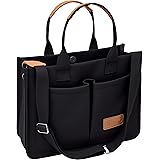
ZHMO Canvas Tote Bag for Women,Women's Bags Crossbody Bags Work Laptop Tote Bag Large Handbags Purse for Travel Nurse Teacher
$19.99 (as of February 12, 2026 11:12 GMT +02:00 - More infoProduct prices and availability are accurate as of the date/time indicated and are subject to change. Any price and availability information displayed on [relevant Amazon Site(s), as applicable] at the time of purchase will apply to the purchase of this product.)
Uygafly Valentines Day Gifts for Teen Girls Kids,Birthday Gifts for 4 5 6 7 8 9 10 11 12 13 Year Old Girls,Gift for Daughter Sister Her,Fanny Pack Crossbody Bag Belt Bag Cute Trendy Stuff | Cream,A
$9.99 (as of February 12, 2026 11:12 GMT +02:00 - More infoProduct prices and availability are accurate as of the date/time indicated and are subject to change. Any price and availability information displayed on [relevant Amazon Site(s), as applicable] at the time of purchase will apply to the purchase of this product.)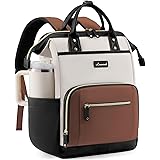
LOVEVOOK Laptop Backpack for Women with Giant Tumbler Holder,15.6 inch Professional Nurse Teacher Backpack Computer Laptop Bag,Cute Waterproof Travel Backpack Purse Work College Bag, Beige-Black-Brown
$24.48 (as of February 12, 2026 11:13 GMT +02:00 - More infoProduct prices and availability are accurate as of the date/time indicated and are subject to change. Any price and availability information displayed on [relevant Amazon Site(s), as applicable] at the time of purchase will apply to the purchase of this product.)As an Amazon Associate, we earn from qualifying purchases.

