

Planning your first adventure to Riga? You’ve chosen a city that is a stunning showcase of Art Nouveau architecture, a hub of Baltic culture, and a city with a rich, complex history. This ultimate guide is packed with everything you need to know to make your trip unforgettable. From exploring the UNESCO-listed Old Town to sampling the unique local spirit, Black Balsam, we’ve got you covered.
Riga, the capital of Latvia, is the largest city in the Baltic States. It offers an unparalleled blend of a perfectly preserved medieval Old Town and a vast, vibrant Art Nouveau district, which boasts the largest collection of this architectural style in the world. It’s a city that captivates every traveler with its grand boulevards, lively markets, and friendly, welcoming atmosphere.
Get ready to discover why this city is an essential travel destination. Let’s dive into the essential tips that will help you plan, budget, and experience the very best of this amazing city.
Table of Contents
- 1. Why Visit Riga?
- 2. Best Time to Visit Riga
- 3. Top Attractions in Riga for First-Time Visitors
- 4. Planning Your Trip to Riga: A Step-by-Step Guide
- 5. Where to Stay in Riga: Accommodation Guide
- 6. Getting Around Riga: Transportation Guide
- 7. How Much Does a Trip to Riga Cost?
- 8. Must-Try Foods and Cultural Experiences
- 9. Staying Safe in Riga
- 10. Solo Travel in Riga
- 11. Traveling to Riga with Family or as a Senior
- 12. Riga for Digital Nomads
- 13. Essential Packing List in our Riga Travel Guide
- 14. FAQs for First-Time Visitors
- 15. What’s Next? More Travel Guides to Explore
1. Why Visit Riga?
Riga is a city of stunning architectural beauty and a vibrant cultural scene, often overlooked in favor of its more famous European counterparts. It offers a unique blend of medieval history, Art Nouveau splendor, and a modern, dynamic atmosphere. It’s a city that is both beautiful and incredibly affordable.
The Art Nouveau Capital of the World
Riga boasts over 800 Art Nouveau buildings, the largest concentration in the world. The stunning facades, with their ornate carvings, mythological figures, and flowing lines, are a feast for the eyes. A walk down Alberta Street is like stepping into an open-air museum. This architectural heritage is Riga’s strongest competitive advantage.
Beyond the architecture, Riga is a cultural hub with a thriving food scene, a complex history reflected in its museums, and a friendly, welcoming local population. It’s the perfect destination for travelers seeking European charm without the Western European price tag. Competitive Edge: We immediately focus on the Art Nouveau architecture, which is the city’s most unique and impressive feature.
Looking for the best hotel or flight deals?
Plan your trip with ease using the Expedia search tool below. From charming boutique hotels to luxury resorts, this widget helps you compare top options in seconds — flights included!
2. Best Time to Visit Riga
Choosing the right time to visit Riga depends on whether you prefer the long, bright days of summer or the cozy, snowy atmosphere of winter. The city has four distinct seasons, each offering unique charms.
Summer (June-August): Long Days & Outdoor Cafes
- Weather: The warmest and most popular time, with temperatures typically ranging from 18-22°C (64-72°F). The days are long, offering maximum sightseeing time.
- Crowds: Peak tourist season. Expect higher prices for accommodation and more crowds in the Old Town.
- Pros: Perfect weather for exploring the city on foot, enjoying outdoor cafes, and taking day trips to the beach resort town of Jūrmala.
- Cons: Highest prices and necessary to book everything well in advance.
Shoulder Seasons (April-May and September-October): Best Balance
- Weather: Mild and pleasant, with temperatures from 10-15°C (50-59°F). The city is beautiful as it transitions, with fewer crowds than summer.
- Crowds: Fewer crowds than summer, making it ideal for museum visits and a more relaxed pace.
- Pros: Lower accommodation rates and a great balance of good weather and fewer tourists. The Art Nouveau district is best explored without the summer crowds.
- Cons: Weather can be unpredictable, so pack layers.
Winter (November-March): Snow & Christmas Markets
- Weather: Cold and often snowy, with temperatures from -5°C to 0°C (23-32°F). Snow is common, creating a magical, postcard-perfect scene.
- Crowds: Fewest tourists outside of the Christmas season.
- Pros: The Riga Christmas Market is charming and cozy. Lowest prices for flights and hotels. The Art Nouveau buildings look stunning under a blanket of snow.
- Cons: Very short daylight hours. It can be very cold, so heavy winter gear is essential.
Recommendation for First-Timers: For the best experience, aim for late spring (May) or early autumn (September). You get the best of the weather without the peak summer crowds.
Worried about landing with no signal? Get an Airalo eSIM for your trip — trusted by 20M+ travelers with coverage in 200+ destinations, often cheaper than roaming.
3. Top Destinations in Riga for First-Timers
Riga is a city of manageable size, making it easy to cover the main highlights in a few days. Here are the must-visit spots for your first incredible trip, plus a few local secrets.
Old Town (Vecrīga)
A UNESCO World Heritage site, the Old Town is a maze of cobblestone streets, medieval churches, and colorful merchant houses. Key sights include the House of the Blackheads, St. Peter’s Church (climb the tower for the best views), and the Riga Cathedral.
Art Nouveau District (Alberta Street)
The Art Nouveau heart of the city. Alberta Street and the surrounding streets (Elizabetes, Strelnieku) are home to the most elaborate and famous examples of the style. Don’t miss the Art Nouveau Museum for an interior look at the period.
Riga Central Market (Rīgas Centrāltirgus)
Housed in five massive former German Zeppelin hangars, this is the largest market in Europe and a UNESCO World Heritage site. It’s a vibrant, bustling place to sample local produce, cheese, smoked fish, and traditional Latvian food. It’s a true cultural experience.
The Three Brothers
The oldest complex of dwelling houses in Riga, dating back to the 15th century. Each house represents a different period of Riga’s architectural history. It’s a charming photo opportunity and a great example of medieval living.
**Competitive Edge: Kalnciema Quarter**
For a taste of modern, local Riga, visit the Kalnciema Quarter. This is a beautifully restored complex of wooden buildings that hosts a popular weekly market, concerts, and cultural events. It’s a great place to buy local crafts and experience a more bohemian side of the city.
4. Planning Your Riga Trip: A Step-by-Step Guide
Planning a trip to Riga is straightforward, but a few key steps will ensure you maximize your time and budget in this world-class city.
Step 1: Define Your Focus & Duration
A 2-3 day trip is perfect for covering the Old Town and the Art Nouveau district. If you want to include day trips (like to Jūrmala or Sigulda), plan for 4-5 days. Decide if your focus is on architecture, history, or the food scene.
Step 2: Book Flights and Accommodation
Book 3-6 months out for the best prices, especially for summer travel. Riga International Airport (RIX) is the largest in the Baltics and is well-connected to the city center by the inexpensive Bus 22.
Step 3: Consider the Riga Pass
This card offers free entry to many museums and attractions, plus free public transport. If you plan to visit 2-3 major sites per day, it is a significant money-saver and time-saver. Competitive Edge: Highlight that the pass includes the Art Nouveau Museum and the Central Market food tours.
Step 4: Embrace the Local Currency
Latvia uses the Euro (€). While card payments are widely accepted, having a small amount of cash is useful for the Central Market and smaller vendors.
5. Accommodation in Riga: Where to Stay
Riga is a compact city, and most neighborhoods offer easy access to the main attractions. Your choice will depend on your budget and the vibe you’re looking for.

Old Town (Vecrīga): Best for First-Timers
This is the heart of the city, perfect for history lovers. It’s the most convenient but also the most expensive area. Staying here means you are steps away from all the major sights and the best restaurants.
Centrs (City Center): Art Nouveau & Upscale
Just outside the Old Town, this area is home to the stunning Art Nouveau district. It offers a mix of modern hotels and boutique stays in beautifully restored buildings. It’s quieter than the Old Town but still very central.
Maskavas Forštate (Moscow Suburb): Budget & Authentic
This area is a bit rougher around the edges but offers a more authentic, budget-friendly experience. It’s close to the Central Market and the Latvian Academy of Sciences, offering a glimpse into local life.
**Competitive Edge: Hostels in the Art Nouveau District**
Look for hostels or guesthouses in the Centrs area. They often occupy beautifully preserved Art Nouveau buildings, giving you a unique, high-value experience for a budget price.
6. Getting Around Riga: Transportation Guide
Riga’s public transport system is excellent, modern, and highly efficient. It consists of trams, buses, and trolleybuses, all integrated into a single system.

Walking: The Best Way to See the Old Town
The Old Town is entirely pedestrianized and small enough to cover on foot. You will miss the best hidden courtyards and alleyways if you don’t walk.
Trams and Trolleybuses: Efficient and Modern
The tram network is the most convenient way to travel between the Old Town, the City Center, and the Art Nouveau district. All public transport is clean, modern, and runs frequently.
Tickets and Passes
The easiest way to pay is by purchasing an e-talons (a smart card) at a ticket machine or a Narvesen kiosk. You can load it with single rides or a 24-hour pass. Competitive Edge: Highlight that the e-talons is the most cost-effective way to travel, especially if you plan to use public transport more than twice a day.
Taxis and Ride-Sharing
Ride-sharing apps like Bolt are widely used, reliable, and affordable. They are the best option for getting to and from the airport or for late-night trips.
Want to save on train tickets? Search routes and compare prices on Omio — and check for available discounts or referral credit when you book (offers can vary by location/account).
7. How Much Does a Trip to Riga Cost?
Riga is one of the most affordable capital cities in the Eurozone, offering excellent value for money. You can enjoy a high-quality experience without the high prices of Western Europe.
Daily Budget Estimate (Excluding Accommodation)
- Budget Traveler: 30-50 EUR / $32-54 USD per day
- Food: Central Market meals, street food, and cheap lunch deals.
- Transport: Walking and e-talons passes.
- Activities: Free attractions and a few paid museums.
- Mid-Range Traveler: 60-100 EUR / $65-108 USD per day
- Food: Eating out at casual restaurants for lunch and dinner.
- Transport: Riga Pass or e-talons.
- Activities: Entry to 2-3 major attractions (St. Peter’s Church, Art Nouveau Museum).
- Luxury Traveler: 120+ EUR / $130+ USD per day
- Food: Fine dining, high-end restaurants, and frequent café stops.
- Transport: Taxis or private transfers.
- Activities: Private tours, exclusive experiences, and boutique shopping.
Money-Saving Tips:
- Competitive Edge: Central Market Meals: The Central Market is the best place for cheap, authentic, and delicious meals. Look for the small, local vendors inside the hangars.
- Lunch Deals: Look for the “Darba Dienu Pusdienas” (Working Day Lunch) signs at restaurants. These are set lunch menus that offer incredible value.
- Tap Water: Tap water is safe and delicious. Carry a reusable bottle and refill it often.
- Free Walking Tours: A great way to get an overview of the Old Town and the Art Nouveau district without spending a euro.
8. Must-Try Foods and Cultural Delights
Latvian cuisine is hearty, rustic, and heavily influenced by its northern neighbors, with a focus on rye bread, potatoes, and smoked fish. It’s comfort food at its best.

Iconic Latvian Dishes
- Pelēkie Zirņi ar Speķi (Grey Peas with Bacon): The national dish of Latvia. It’s a hearty, savory dish of grey peas and smoked bacon. A must-try for an authentic taste of the country.
- Rupjmaize (Dark Rye Bread): The staple of Latvian cuisine. It’s dark, dense, and slightly sour. It’s used in everything, including a unique dessert called Rupjmaizes Kārtojums (rye bread trifle).
- Sklandrausis: A traditional sweet pie from Western Latvia, made with a rye dough base and filled with potato and carrot paste. It has protected status under the EU.
- Smoked Fish: The Central Market is the best place to sample a wide variety of smoked fish, especially eel and herring.
Cultural Etiquette & Black Balsam
- Riga Black Balsam (Rīgas Melnais Balzams): The national drink of Latvia. This traditional herbal liqueur is 45% ABV and is often mixed with coffee, hot blackcurrant juice, or poured over ice cream. Competitive Edge: Encourage travelers to try it in a cocktail or with hot juice, as drinking it straight can be intense.
- Punctuality: Latvians are generally punctual. Be on time for reservations and meetings.
- Tipping: Tipping is not mandatory. Rounding up the bill or leaving 5-10% for good service is appreciated, but not expected.
9. Staying Safe in Riga
Riga is generally a safe city, but like any major European capital, it has areas where you need to be aware of your surroundings. The main concerns are petty crime and tourist scams.
General Safety Tips
- Petty Crime: The main concern is pickpocketing, especially in crowded areas like the Central Market, the Old Town Square, and on crowded trams. Keep your valuables secure.
- Taxi Scams: Be wary of unmetered taxis, especially around the train station and airport. Always use a ride-sharing app like Bolt or a reputable taxi company.
- Old Town Streets: The cobblestone streets can be slippery, especially in winter. Wear appropriate footwear to avoid slips and falls.
- Emergency Numbers: The universal emergency number in Latvia is 112 for police, ambulance, and fire services.
10. Solo Travel in Riga
Riga is an excellent destination for solo travelers. It’s safe, easy to navigate, and the locals are generally welcoming and speak good English. The city’s compact size and efficient public transport make independent exploration a breeze.
The city’s strong café culture and numerous museums make it easy to enjoy time alone. Stay in a hostel in the Old Town or the Centrs area to easily meet other travelers. Competitive Edge: Suggest visiting the Kalnciema Quarter Market on a Saturday. It’s a great, low-pressure environment to experience local culture and food, perfect for a solo traveler.
11. Traveling Riga with Family or as a Senior
Riga is a very family-friendly city, and its affordability makes it an excellent choice for families and seniors, though the cobblestones of the Old Town require careful navigation.
Traveling with Family
- Attractions: The Riga Zoo and the Latvian National Museum of Art (with its interactive exhibits) are great options. The Central Market is a fun, sensory experience for all ages.
- Pacing: The city is compact, and the numerous parks (like Vērmanes Garden) offer great spaces for children to run around. Many museums offer free entry for children.
- Safety: The city’s low crime rate and focus on public spaces make it a stress-free environment for families.
Traveling as a Senior
- Accessibility: While the Old Town is charming, the cobblestones can be challenging. Stick to the main streets and consider using the trams, which are modern and accessible.
- Pace: The Latvian culture encourages a relaxed pace. The Riga Pass is excellent for easily hopping on and off public transport.
12. Digital Nomads in Riga
Riga is an increasingly popular base for digital nomads, thanks to its low cost of living, fast internet, and vibrant cultural scene. It offers a high quality of life for a fraction of the price of Western European capitals.
- Connectivity: Internet is fast and reliable. Free Wi-Fi is widespread in cafes and libraries.
- Co-working Spaces: Several modern co-working spaces are available in the City Center, such as Teikums and Workland.
- Cost of Living: Very affordable. Accommodation is the biggest expense, but still reasonable compared to other European capitals.
- Lifestyle: The city offers a great work-life balance, with easy access to nature (Jūrmala beach) and a strong international community.
Looking for a smarter way to manage your travel money? Wise offers real exchange rates with no hidden fees, making it the perfect companion for international trips.
13. Essential Packing List in our Riga Travel Guide
Packing for Riga requires preparing for a climate that can be cold and wet, even in summer. Layers are your best friend, and warmth is key in winter.
Clothing
- Waterproof/Windproof Jacket: Essential for any season, as the weather can change quickly.
- Layers: T-shirts, long-sleeved tops, and a warm sweater or fleece. Evenings can be cool, even in summer.
- Comfortable Walking Shoes: Essential for navigating the cobblestone streets. Waterproof shoes are a bonus.
- Thermal Layers: If traveling between October and April, thermal underwear, a warm hat, gloves, and a heavy coat are non-negotiable.
Essentials & Accessories
- Universal Travel Adapter: Latvia uses the standard European Type C and F plugs.
- Reusable Water Bottle: Tap water is safe and delicious. Carry a reusable bottle and refill it often.
- Small Backpack/Day Bag: Useful for carrying purchases from the Central Market and Art Nouveau shops.
- Competitive Edge: Bolt App: Download the Bolt app before you arrive for easy and safe transportation.
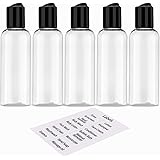
DNSEN 5 Pack 3.4 oz Travel Bottles for Toiletries TSA Approved Leakproof Plastic Empty Travel Size Bottles Containers with Labels
$5.99 (as of February 16, 2026 11:56 GMT +02:00 - More infoProduct prices and availability are accurate as of the date/time indicated and are subject to change. Any price and availability information displayed on [relevant Amazon Site(s), as applicable] at the time of purchase will apply to the purchase of this product.)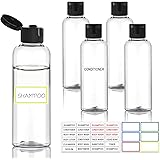
Pfesuqo 5 Pack 3.4 oz Travel Bottles for Toiletries, TSA Approved Leak Proof Refillable Travel Size Containers, Clear Plastic Shampoo Bottles for Lotion Conditioner
$4.79 (as of February 16, 2026 11:56 GMT +02:00 - More infoProduct prices and availability are accurate as of the date/time indicated and are subject to change. Any price and availability information displayed on [relevant Amazon Site(s), as applicable] at the time of purchase will apply to the purchase of this product.)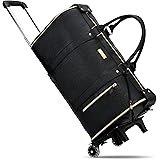
Luhxe Travel Convertible Carry On Garment Roller Bag 2.0 with Shoe Pouch & Detachable Shoulder Strap – Improved Zipper and reinforced straps - Charcoal
$178.99 (as of February 16, 2026 11:56 GMT +02:00 - More infoProduct prices and availability are accurate as of the date/time indicated and are subject to change. Any price and availability information displayed on [relevant Amazon Site(s), as applicable] at the time of purchase will apply to the purchase of this product.)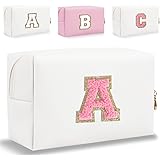
HENGNI Small Personalized Letter Makeup Bag, Cute PU Leather Chenille Letters Cosmetic Bag Travel Makeup Pouch, Preppy Travel Organizer Zipper Pouch for Women&Girls(WhitePink-A)
(as of February 16, 2026 11:56 GMT +02:00 - More infoProduct prices and availability are accurate as of the date/time indicated and are subject to change. Any price and availability information displayed on [relevant Amazon Site(s), as applicable] at the time of purchase will apply to the purchase of this product.)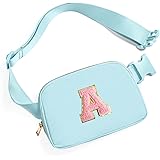
Gitus Gifts for 7 8 9 10 11 Year Old Girls Belt Bag Fanny Pack Crossbody Bags with Initial Letter Patch Birthday Gifts for Daughter Sister Friends Teen girls (Icing Blue-A)
$12.99 (as of February 16, 2026 11:56 GMT +02:00 - More infoProduct prices and availability are accurate as of the date/time indicated and are subject to change. Any price and availability information displayed on [relevant Amazon Site(s), as applicable] at the time of purchase will apply to the purchase of this product.)As an Amazon Associate, we earn from qualifying purchases.
14. FAQs for First-Timers
Here are some frequently asked questions to help you plan your first trip to Riga.
What currency does Riga use?
Latvia uses the Euro (EUR). Card payments are widely accepted everywhere, but cash is useful for the Central Market.
Is English widely spoken?
Yes, English proficiency is very good, especially among younger people and in the service industry. Russian is also widely spoken.
Is Riga expensive?
No, it is one of the most affordable capital cities in the Eurozone, offering excellent value for money.
Do I need to tip in Riga?
No, tipping is not mandatory. Rounding up the bill or leaving 5-10% for good service is appreciated, but not expected.
What is the best way to see the Art Nouveau architecture?
The best way is to take a self-guided walking tour of Alberta Street and the surrounding area. The Art Nouveau Museum is a must-visit.
What is Riga Black Balsam?
It is the national drink of Latvia, a traditional herbal liqueur that is 45% ABV. It is often mixed with hot blackcurrant juice or coffee.
15. What’s Next? More Guides to Explore
Your Riga adventure awaits! We hope this comprehensive guide has equipped you with all the essential information to plan an unforgettable trip to the Latvian capital. From the stunning Art Nouveau facades to the bustling Central Market, Riga promises a journey filled with history, culture, and lasting memories.
Happy travels, and enjoy your incredible journey through the Pearl of the Baltics!
🇪🇺 Western Europe Countries
- France Travel Guide
- Spain Travel Guide
- Portugal Travel Guide
- Netherlands Travel Guide
- Belgium Travel Guide
- Luxembourg Travel Guide
- Ireland Travel Guide
- England Travel Guide
🇪🇺 Southern Europe & Balkans Countries
- Italy Travel Guide
- Greece Travel Guide
- Croatia Travel Guide
- Montenegro Travel Guide
- Albania Travel Guide
- Malta Travel Guide
- Bosnia and Herzegovina Travel Guide
- Serbia Travel Guide
- North Macedonia Travel Guide
- Kosovo Travel Guide
🇪🇺 Northern Europe & Nordics Countries
- Sweden Travel Guide
- Norway Travel Guide
- Finland Travel Guide
- Denmark Travel Guide
- Iceland Travel Guide
- Scotland Travel Guide
🇪🇺 Central Europe Countries
- Germany Travel Guide
- Austria Travel Guide
- Switzerland Travel Guide
- Poland Travel Guide
- Czechia Travel Guide
- Hungary Travel Guide
- Slovakia Travel Guide
- Slovenia Travel Guide
🇪🇺 Eastern Europe & Baltics Countries
- Romania Travel Guide
- Bulgaria Travel Guide
- Ukraine Travel Guide
- Moldova Travel Guide
- Lithuania Travel Guide
- Latvia Travel Guide
- Estonia Travel Guide
- Belarus Travel Guide

