

Planning your first adventure to Paris? You’ve picked an absolutely legendary destination! This ultimate guide is packed with everything you need to know to make your visit unforgettable. From exploring world-class art that whispers tales of history to walking through the heart of the City of Lights, we’ve got you covered.
Paris, the iconic capital of France, offers an unparalleled blend of romance, artistic masterpieces, and historical depth. It’s a place that captivates every visitor, whether you’re marveling at the Eiffel Tower, getting lost in the Louvre, or simply experiencing the profound atmosphere of a charming café in Montmartre.
Get ready to discover why Paris is a truly unique and essential travel destination. Let’s dive into the essential tips that will help you plan, budget, and experience the very best of this amazing city.
Table of Contents
- 1. Why Visit Paris?
- 2. Best Time to Visit Paris
- 3. Top Destinations in Paris for First-Timers
- 4. Planning Your Paris Trip: A Step-by-Step Guide
- 5. Accommodation in Paris: Where to Stay
- 6. Getting Around Paris: Transportation Guide
- 7. How Much Does a Trip to Paris Cost?
- 8. Must-Try Foods and Cultural Delights
- 9. Staying Safe in Paris
- 10. Solo Travel in Paris
- 11. Traveling Paris with Family or as a Senior
- 12. Digital Nomads in Paris
- 13. Essential Packing List in our Paris Travel Guide
- 14. FAQs for First-Timers
- 15. What’s Next? More Guides to Explore
1. Why Visit Paris?
Paris is more than just a city; it’s an experience that stays with you forever. As the epicenter of art, fashion, gastronomy, and culture, it holds an immense and timeless appeal. Its unique blend of iconic landmarks, charming neighborhoods, and an unmistakable romantic atmosphere makes it a truly captivating place.
A Global Center of Art and History
Imagine standing before the Mona Lisa, feeling the weight of centuries of history at Notre Dame, or gazing up at the sparkling Eiffel Tower. Paris is a living museum, home to some of the world’s most extensive art collections and architectural marvels. Every corner offers a glimpse into human creativity and history, creating an atmosphere unlike any other.
A City of Countless Experiences
Despite its grandeur, Paris is also a city of intimate moments. It’s found in the simple pleasure of a warm croissant from a local boulangerie, a leisurely stroll along the Seine, or an afternoon spent people-watching from a sidewalk café. The sheer concentration of world-class museums, gardens, and culinary delights makes it an essential stop for any traveler.
Looking for the best hotel or flight deals?
Plan your trip with ease using the Expedia search tool below. From charming boutique hotels to luxury resorts, this widget helps you compare top options in seconds — flights included!
2. Best Time to Visit Paris
Choosing the right time to visit Paris can significantly enhance your experience. While it’s a year-round destination, different seasons offer unique advantages and challenges, primarily related to crowds and weather.
Spring (April-May): Pleasant Weather & Blooming Gardens
- Weather: Mild and pleasant, with temperatures typically ranging from 12-20°C (54-68°F). The city’s parks and gardens are in full bloom.
- Crowds: Moderate to high. This is a very popular time, but generally less crowded than peak summer.
- Pros: Ideal weather for exploring on foot. Perfect for enjoying outdoor cafes and the beautiful Parisian parks like Jardin du Luxembourg.
- Cons: Can be rainy. Prices for flights and hotels start to rise.
Summer (June-August): Warm & Peak Crowds
- Weather: Warmest and sunniest months, with temperatures often exceeding 25°C (77°F). Long daylight hours.
- Crowds: Peak tourist season. Expect very large crowds at all attractions, long lines, and higher prices.
- Pros: Vibrant atmosphere with many outdoor events and festivals. All attractions are open with extended hours.
- Cons: Can be uncomfortably hot and crowded, making extensive sightseeing challenging. Booking well in advance is essential.
Autumn (September-October): Comfortable & Fewer Crowds
- Weather: Mild and often sunny, with temperatures from 15-22°C (59-72°F) in early autumn, cooling down by October.
- Crowds: Crowds begin to thin out, especially after mid-September, but remain significant.
- Pros: Ideal for comfortable sightseeing without the intense summer heat. The golden light is beautiful for photography.
- Cons: Days get shorter. The chance of rain increases in October.
Winter (November-March): Quiet Charm & Festive Lights
- Weather: Cooler, with temperatures from 3-8°C (37-46°F). Occasional rain and cooler winds.
- Crowds: Fewest tourists (excluding Christmas and New Year). Lower prices for flights and accommodation.
- Pros: Excellent for exploring museums without overwhelming crowds. Christmas markets and holiday lights create a magical atmosphere.
- Cons: Shorter daylight hours. Can be cold and damp.
Recommendation for First-Timers: For a balanced experience with pleasant weather and more manageable crowds, consider late spring (May-June) or early autumn (September). These shoulder seasons offer a good compromise between weather and crowd levels.
Worried about landing with no signal? Get an Airalo eSIM for your trip — trusted by 20M+ travelers with coverage in 200+ destinations, often cheaper than roaming.
3. Top Destinations in Paris for First-Timers
Paris is brimming with world-renowned landmarks that are essential for any first-time visitor. These iconic sites offer a profound journey through art, history, and the very soul of the city.
The Eiffel Tower: The Icon of Paris
No trip to Paris is complete without visiting its most famous landmark. Whether you admire it from the Champ de Mars, take the elevator to the top for panoramic city views, or watch it sparkle at night, the Eiffel Tower is an unforgettable experience. Book tickets in advance to avoid long queues.
The Louvre Museum: A Treasure Trove of Art
Home to masterpieces like the Mona Lisa and the Venus de Milo, the Louvre is the world’s largest art museum. Its vast collection spans from ancient civilizations to the 19th century. Plan to spend at least half a day here, and consider focusing on a few specific wings to avoid feeling overwhelmed.
Notre-Dame Cathedral: A Masterpiece of Gothic Architecture
Though it suffered a tragic fire, Notre-Dame remains a symbol of Parisian resilience and beauty. While restoration continues, you can still admire its stunning facade from the outside and appreciate its historical significance from the surrounding areas. It stands as a testament to centuries of faith and craftsmanship.
Montmartre & Sacré-Cœur Basilica
Explore the charming, village-like atmosphere of Montmartre, with its cobblestone streets, artists’ square (Place du Tertre), and stunning views from the steps of the Sacré-Cœur Basilica. This hilltop neighborhood offers a bohemian vibe and a glimpse into Paris’s artistic past.
Musée d’Orsay: Impressionist Masterpieces
Housed in a magnificent former railway station, the Musée d’Orsay holds the world’s largest collection of Impressionist and Post-Impressionist art. Marvel at works by Monet, Manet, Degas, Renoir, Cézanne, and Van Gogh. Its layout and collection make it more manageable than the Louvre for many visitors.
The Seine River: A Scenic Journey
A cruise along the Seine River offers a unique and relaxing perspective of Paris. You’ll glide past iconic landmarks like the Eiffel Tower, the Louvre, and Notre-Dame. It’s especially magical at night when the city’s monuments are beautifully illuminated.
Champs-Élysées & Arc de Triomphe
Stroll down the world-famous Avenue des Champs-Élysées, lined with shops, cafes, and theaters. At its western end stands the impressive Arc de Triomphe, which you can climb for spectacular views down the avenue and across the city.
4. Planning Your Paris Trip: A Step-by-Step Guide
Planning your first visit to Paris can seem daunting due to its popularity, but breaking it down into manageable steps will ensure a smooth and enriching experience. Follow this guide to stay organized and stress-free.
Understanding the Paris Layout & Arrondissements
Before you book anything, familiarize yourself with the city’s layout. Paris is divided into 20 districts called “arrondissements,” which spiral out from the center. Understanding which attractions are in which arrondissement will help you plan your days efficiently and choose a well-located accommodation.
Booking Tickets & Tours in Advance (Crucial!)
This is the single most important planning step. To avoid hours-long queues at major attractions like the Eiffel Tower, the Louvre, and the Musée d’Orsay, you MUST book your tickets online and in advance. Choose a specific date and time slot directly from the official websites or a reputable tour operator.
Crafting a Flexible Itinerary
While it’s good to have a plan, don’t overschedule your days. Group attractions by neighborhood to minimize travel time. For example, visit the Louvre, Jardin des Tuileries, and Musée de l’Orangerie on the same day. Leave room for spontaneous discoveries, like stumbling upon a charming market or a hidden courtyard.
Securing Travel Insurance
While Paris is generally safe, comprehensive travel insurance is always a wise investment. It protects you from unexpected events like medical emergencies, trip cancellations, or lost belongings. For a major trip, peace of mind is invaluable.
5. Accommodation in Paris: Where to Stay
Choosing the right neighborhood (arrondissement) to stay in is key to your Paris experience. The city offers a vast range of options to suit every budget and travel style, from lively central districts to quieter, charming areas.

Le Marais (3rd & 4th Arr.): Historic & Trendy
Known for its beautiful pre-revolutionary architecture, narrow medieval lanes, trendy boutiques, and vibrant LGBTQ+ scene. It’s centrally located and perfect for those who want to be in the heart of the action.
- Pros: Walkable to many sights (Notre-Dame, Louvre), fantastic dining and shopping, lively atmosphere.
- Cons: Can be expensive and noisy.
Saint-Germain-des-Prés (6th Arr.): Classic & Chic
The quintessential Parisian neighborhood, famous for its historic cafes (Les Deux Magots, Café de Flore), art galleries, and upscale shops. It’s perfect for those seeking a classic, sophisticated Parisian experience.
- Pros: Elegant and beautiful, great for cafes and people-watching, close to Jardin du Luxembourg.
- Cons: One of the most expensive areas to stay in.
Latin Quarter (5th Arr.): Lively & Historic
Home to the Sorbonne University, this area has a vibrant, youthful energy with its bookstores, lively bars, and budget-friendly restaurants. It’s rich in history, dating back to Roman times.
- Pros: Lively nightlife, more affordable dining options, historic charm.
- Cons: Can be very touristy and crowded.
Montmartre (18th Arr.): Artistic & Romantic
With its village-like feel, cobblestone streets, and stunning views from the Sacré-Cœur, Montmartre offers a romantic and bohemian atmosphere. It feels like a world away from the bustling city center.
- Pros: Charming and picturesque, often more affordable accommodation, great views.
- Cons: Hilly, and a bit further from the main central attractions (though well-connected by metro).
6. Getting Around Paris: Transportation Guide

Navigating Paris is remarkably easy thanks to its world-class public transportation system. Understanding your options will make your visit seamless and efficient.
The Métro: Your Best Friend in Paris
- Pros: The Paris Métro is fast, efficient, and extensive, with 16 lines covering the entire city. Stations are close together, so you’re never far from one. It’s the most practical way to get around for most journeys.
- Cons: Can be very crowded during rush hour. Some older stations are not accessible for those with mobility issues.
- Tickets: You can buy single tickets (“t+”), but a “carnet” of 10 tickets or a Navigo Découverte weekly pass (if you’re staying Monday-Sunday) is more economical for longer stays.
Buses: The Scenic Route
- Pros: The bus network is comprehensive and allows you to see the city as you travel. It’s a great option for shorter distances or for those who prefer to stay above ground.
- Cons: Slower than the metro due to traffic.
RER Trains: For Suburbs & Airports
- Pros: The RER is a regional express network that connects the city center with suburbs and key destinations like Charles de Gaulle Airport (CDG), Orly Airport (ORY), and the Palace of Versailles. It’s faster than the metro for longer distances.
- Cons: Fewer stops within the city center. Requires a different ticket for travel outside Zone 1.
Walking: The Most Rewarding Way to Explore
- Pros: Paris is a wonderfully walkable city. Strolling through its neighborhoods is the best way to discover hidden gems, charming streets, and the true atmosphere of the city.
- Cons: You can’t walk everywhere. Wear comfortable shoes!
Taxis & Ride-Sharing: Convenience at a Price
- Pros: Taxis and services like Uber are readily available and offer door-to-door convenience, especially useful late at night or with luggage.
- Cons: The most expensive option. Can get stuck in Paris’s notorious traffic.
Want to save on train tickets? Search routes and compare prices on Omio — and check for available discounts or referral credit when you book (offers can vary by location/account).
7. How Much Does a Trip to Paris Cost?
Paris has a reputation for being expensive, but it can be enjoyed on a wide range of budgets. Understanding the potential costs will help you plan effectively and avoid surprises.
Daily Cost Estimates (Per Person, excluding accommodation)
- Budget Traveler: €50-€80 / $55-88 USD per day
- Food: Supermarket picnics, meals from bakeries (boulangeries), street food like crêpes.
- Transport: Walking, using public transport with a multi-day pass.
- Activities: Free museums on first Sundays, enjoying parks, free walking tours.
- Mid-Range Traveler: €100-€180 / $110-198 USD per day
- Food: Eating at casual bistros, enjoying “formule” lunch menus, daily coffee and pastry.
- Transport: Regular use of the metro and buses.
- Activities: Entry to major museums and attractions (e.g., Louvre, Eiffel Tower).
- Luxury Traveler: €250+ / $275+ USD per day
- Food: Fine dining restaurants, multi-course meals, cocktails at upscale bars.
- Transport: Taxis, private transfers.
- Activities: Private guided tours, skip-the-line access, evening shows (e.g., Moulin Rouge).
Money-Saving Tips:
- Enjoy a “Formule Déjeuner”: Many restaurants offer a fixed-price two or three-course lunch menu that is much cheaper than ordering à la carte for dinner.
- Picnic Like a Parisian: Grab a fresh baguette, some cheese, and a bottle of wine from a supermarket and have a picnic in a park like the Champ de Mars or along the Seine.
- Use the Vélib’ Bike System: For short journeys, the city’s bike-sharing scheme is a fun and affordable option.
- Get a Museum Pass: If you plan to visit many museums, the Paris Museum Pass can offer great value and skip-the-line access at many sites.
- Drink Tap Water: It’s safe to drink and free. Ask for a “carafe d’eau” at restaurants.
8. Must-Try Foods and Cultural Delights
Paris is a food lover’s paradise. The culinary scene is an essential part of the city’s culture, from the simplest baguette to the most elaborate Michelin-starred meal.

Iconic Parisian Foods
- Croissant & Pain au Chocolat: The quintessential Parisian breakfast. Get them fresh and warm from a local “boulangerie.”
- Macarons: Not to be confused with macaroons, these are delicate almond meringue cookies with a creamy filling. Visit Ladurée or Pierre Hermé for the most famous versions.
- Crêpes: Find street vendors selling sweet (Nutella, sugar) or savory (“galettes” with ham, cheese, and egg) crêpes.
- Steak Frites: A classic bistro dish of steak served with a pile of delicious French fries.
- Soupe à l’Oignon: French onion soup, a rich beef broth with caramelized onions, topped with melted cheese and a large crouton.
- Jambon-Beurre: The perfect simple sandwich: a fresh baguette with high-quality butter and Parisian ham.
- Fromage & Charcuterie: Visit a “fromagerie” (cheese shop) and a “charcuterie” (cured meat shop) to assemble a perfect platter.
The Café Culture
Parisian cafes are an institution. They are not just for drinking coffee but for socializing, reading, working, and people-watching. Don’t feel rushed; it’s perfectly acceptable to order one drink and linger for an hour or more.
Cultural Delights & Experiences
- Visit a Marché (Market): Explore one of Paris’s many outdoor food markets, like Marché Bastille or Marché des Enfants Rouges, to see, smell, and taste local products.
- Take a Cooking Class: Learn the secrets of French pastry or classic bistro dishes.
- Enjoy an Apéro: “L’apéro” is the pre-dinner ritual of having a drink and some light snacks. It’s a cherished social tradition.
- People-Watch: Find a bench in a beautiful park like the Jardin du Luxembourg or the Jardin des Tuileries and simply watch the world go by. It’s one of the best free activities in Paris.
9. Staying Safe in Paris
Paris is generally a safe city for tourists. However, like any major metropolis, it’s important to be aware of your surroundings and take common-sense precautions, especially against petty crime.
Beware of Pickpockets and Scams
The biggest threat to tourists is pickpocketing. Crowded areas like the Métro, major train stations (Gare du Nord), and popular tourist sites (Eiffel Tower, Louvre, Montmartre) are prime targets.
- Secure Your Valuables: Use a money belt or a secure cross-body bag worn in front of you. Never keep your wallet or phone in your back pocket.
- Be Aware on the Métro: Be extra vigilant as the doors are closing, a common time for thieves to grab items and run. Don’t flash expensive electronics.
- Recognize Common Scams: Be wary of the “gold ring” scam, the “friendship bracelet” scam at Montmartre, or people asking you to sign petitions as a distraction. A firm, polite “Non, merci” and walking away is the best response.
General Safety Tips
- Stay Aware at Night: Stick to well-lit, busy streets after dark. While most of central Paris is safe, be cautious in less touristy areas late at night.
- Emergency Numbers: The pan-European emergency number is 112. You can also dial 17 for police and 15 for medical emergencies.
- Keep Copies of Documents: Store digital copies of your passport, tickets, and visa information on your phone or in the cloud in case of loss or theft.
10. Solo Travel in Paris
Paris is a fantastic destination for solo travelers. It offers a perfect blend of anonymity and opportunity for connection, allowing you to explore at your own pace and truly immerse yourself in the city’s culture.
Embrace Your Own Pace
One of the greatest advantages of solo travel is freedom. Spend hours in a museum, linger over a coffee, or change your plans on a whim. Paris is a city made for wandering, and going solo allows you to follow your curiosity without compromise.
Safety and Awareness
As a solo traveler, you might be perceived as an easier target for pickpockets. Be extra vigilant with your belongings, especially in crowded areas. Trust your instincts; if a situation or area feels uncomfortable, leave.
Joining Tours and Meeting People
Traveling solo doesn’t mean being lonely. Paris offers many ways to connect with others:
- Walking Tours: Join a free or themed walking tour to learn about the city and meet fellow travelers.
- Hostels: Stay in a hostel to meet people from around the world. Many organize social events.
- Cooking Classes or Workshops: A great way to meet people with similar interests.
Dining Solo
Eating alone in Paris is very common and perfectly comfortable. Many bistros and cafes have small tables or counter seating ideal for one. It’s a wonderful opportunity to people-watch, read a book, and savor your meal without distraction.
11. Traveling Paris with Family or as a Senior
Paris is a magical destination for all ages, but visiting with family or as a senior traveler requires some specific considerations to ensure a comfortable and enjoyable experience.
Traveling with Children
Paris can be a wonderland for kids if planned correctly. The key is to balance adult interests with child-friendly activities.
- Kid-Friendly Attractions: Beyond Disneyland Paris, consider the Cité des Sciences et de l’Industrie (Science Museum), the Natural History Museum, and the puppet shows in Jardin du Luxembourg.
- Pacing is Key: Don’t try to cram too much into one day. Plan for downtime in parks and playgrounds to let kids run around.
- Stroller Access: Be aware that many older Métro stations have lots of stairs and no elevators, which can be challenging with a stroller. The bus system is often more accessible.
- Engage Them: Turn sightseeing into a game. Challenge them to spot gargoyles on buildings or find different flavors of macarons.
Traveling as a Senior
Paris offers a wealth of cultural experiences perfect for a more relaxed pace. Comfort and accessibility are the main priorities.
- Comfortable Footwear: This is non-negotiable. You will be walking a lot on cobblestones and hard surfaces.
- Pace Yourself: Don’t rush. Focus on one or two attractions per day and take frequent breaks at cafes.
- Use Accessible Transport: The bus system is generally more accessible than the Métro. Hop-on-hop-off tour buses are a great, low-stress way to see the main sights.
- Accessibility: Major museums like the Louvre and Musée d’Orsay are well-equipped with elevators and accessible routes. Check attraction websites for specific information.
- Guided Tours: Consider a guided tour that handles transportation and logistics, allowing you to relax and enjoy the sights.
12. Digital Nomads in Paris
Paris is an inspiring, albeit expensive, base for digital nomads. It offers a stimulating environment with endless cultural attractions, a vibrant café culture, and excellent connectivity.
- Visa Considerations: For non-EU citizens, staying longer than 90 days requires a long-stay visa. Research the “visa long séjour visiteur” or other relevant permits well in advance on the official France-Visas website.
- Best Neighborhoods: Consider areas like the 10th or 11th arrondissements for a hipper, more affordable vibe with plenty of cafes and co-working spaces. Le Marais is central and lively but more expensive.
- Connectivity: Wi-Fi is fast and widely available in cafes, libraries, and dedicated co-working spaces like WeWork, Anticafé, or local independents.
- Cost of Living: The main challenge. Rent is very high. Budget carefully for accommodation, which will be your biggest expense.
- Work-Life Balance: The Parisian lifestyle encourages a good balance. Finish your work and then immerse yourself in the city’s art, food, and social scenes. The excellent transport links also make weekend trips around France and Europe easy.
Looking for a smarter way to manage your travel money? Wise offers real exchange rates with no hidden fees, making it the perfect companion for international trips.
13. Essential Packing List in our Paris Travel Guide
Packing smart for Paris means preparing for a stylish city with changeable weather. Focus on comfortable, versatile layers.
Clothing: Chic & Comfortable
- Comfortable Walking Shoes: The most important item on your list. You will walk for miles. Stylish sneakers, flats, or comfortable boots are perfect.
- Layers: Pack t-shirts, sweaters, and a light jacket or trench coat. This allows you to adapt to changing temperatures throughout the day.
- Slightly Dressier Outfits: Parisians tend to dress up more than in many other cities. Pack a smart casual outfit or two for nice dinners or evenings out. A scarf is a classic Parisian accessory that can instantly elevate an outfit.
- Rain Gear: A compact umbrella and a waterproof jacket are essential, as rain showers can be sudden.
Health & Personal Items
- Small First-Aid Kit: Band-aids for blisters are a must, along with pain relievers and any personal medications.
- Hand Sanitizer: Useful after taking public transport.
- Reusable Water Bottle: You can refill it at public fountains (Fontaines Wallace) or with tap water, which is safe to drink.
Documents & Money
- Passport/ID & Copies: Carry your ID and have digital copies of important documents.
- Credit/Debit Cards & Some Cash: Cards are widely accepted, but having some Euros for small purchases is always a good idea.
Electronics & Photography
- Portable Power Bank: Essential for keeping your phone charged while using it for navigation and photos.
- Universal Travel Adapter: Paris uses Type E plugs (two round pins).
- Camera: To capture the city’s endless beauty.
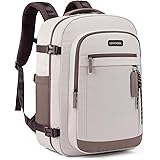
LOVEVOOK 40L Travel Backpack for Women, Airline Approved Carry On Luggage, TSA Personal Item Bag fits 15.6 Inch Laptop, Waterproof Weekender Overnight Suitcase for Work
$30.99 (as of March 6, 2026 15:28 GMT +02:00 - More infoProduct prices and availability are accurate as of the date/time indicated and are subject to change. Any price and availability information displayed on [relevant Amazon Site(s), as applicable] at the time of purchase will apply to the purchase of this product.)
Herschel Novel Duffel Bag, Woodland Camo/Multi Zip, Classic 42.5L
(as of March 6, 2026 15:28 GMT +02:00 - More infoProduct prices and availability are accurate as of the date/time indicated and are subject to change. Any price and availability information displayed on [relevant Amazon Site(s), as applicable] at the time of purchase will apply to the purchase of this product.)
BeautifyBeauties Spray Bottle For Hair – Continuous Mister Spray Bottle for Hairstyling, Cleaning, Plants, Pets, Barbers, Salons, Essential Oil Scents (10.1 Ounce)
$8.49 (as of March 6, 2026 15:28 GMT +02:00 - More infoProduct prices and availability are accurate as of the date/time indicated and are subject to change. Any price and availability information displayed on [relevant Amazon Site(s), as applicable] at the time of purchase will apply to the purchase of this product.)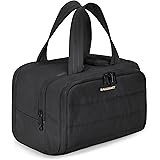
BAGSMART Travel Toiletry Bag, Lightweight Large Wide-open Travel Bag for Women, Puffy Cosmetic Makeup Bag Organizer with Handle for Accessories,Essentials, Toiletries, Black
$20.99 (as of March 6, 2026 15:28 GMT +02:00 - More infoProduct prices and availability are accurate as of the date/time indicated and are subject to change. Any price and availability information displayed on [relevant Amazon Site(s), as applicable] at the time of purchase will apply to the purchase of this product.)
Uygafly Gifts for Teen Girls Kids,Birthday Gifts for 4 5 6 7 8 9 10 11 12 13 Year Old Girls,Gift for Daughter Sister Her,Fanny Pack Crossbody Bag Belt Bag Cute Trendy Stuff | Cream,A
$9.99 (as of March 6, 2026 15:28 GMT +02:00 - More infoProduct prices and availability are accurate as of the date/time indicated and are subject to change. Any price and availability information displayed on [relevant Amazon Site(s), as applicable] at the time of purchase will apply to the purchase of this product.)As an Amazon Associate, we earn from qualifying purchases.
14. FAQs for First-Timers
Here are some frequently asked questions to help first-time visitors plan their trip to Paris:
Do I need a visa to visit Paris?
Paris is in France, part of the Schengen Area. For many nationalities (e.g., US, UK, Canadian, Australian), a visa is not required for tourist stays of up to 90 days. Check your specific country’s requirements. The ETIAS travel authorization is expected to be required for visa-exempt travelers starting in mid-2025.
What is the best way to get from Charles de Gaulle (CDG) airport to the city?
The RER B train is the most common and efficient option, taking you directly to central Paris stations like Gare du Nord and Châtelet-Les Halles. Taxis and buses (like the Roissybus) are also available.
Is the Paris Museum Pass worth it?
If you plan to visit several major museums and monuments, the pass can save you money and, more importantly, time by letting you skip the ticket lines at many attractions. Calculate the entry fees of the places you want to visit to see if it’s cost-effective for you.
Can I drink the tap water in Paris?
Yes, the tap water in Paris is perfectly safe and of high quality. Asking for a “carafe d’eau” (a jug of tap water) in a restaurant is free and very common.
Is Paris safe for solo female travelers?
Yes, Paris is generally safe for solo female travelers. Take the same precautions you would in any large city: be aware of your surroundings, avoid walking alone in unlit or deserted areas late at night, and be mindful of your belongings.
What is the tipping etiquette in Paris?
Service is included in the bill by law (“service compris”). Tipping is not obligatory, but it’s common to leave a few extra Euros in cash (“un pourboire”) on the table for good service.
15. What’s Next? More Guides to Explore
Your Parisian adventure is just the beginning! We hope this comprehensive guide has equipped you with all the essential information to plan an unforgettable trip to the City of Lights. From the iconic Eiffel Tower to the charming streets of Montmartre, Paris promises a journey filled with romance, art, and lasting memories.
At Tripstou.com, we are dedicated to helping you plan extraordinary journeys. Be sure to check out our other detailed travel guides for destinations across France, Europe, and beyond. Happy travels!
🇪🇺 Western Europe Countries
- France Travel Guide
- Spain Travel Guide
- Portugal Travel Guide
- Netherlands Travel Guide
- Belgium Travel Guide
- Luxembourg Travel Guide
- Ireland Travel Guide
- England Travel Guide
🇪🇺 Southern Europe & Balkans Countries
- Italy Travel Guide
- Greece Travel Guide
- Croatia Travel Guide
- Montenegro Travel Guide
- Albania Travel Guide
- Malta Travel Guide
- Bosnia and Herzegovina Travel Guide
- Serbia Travel Guide
- North Macedonia Travel Guide
- Kosovo Travel Guide
🇪🇺 Northern Europe & Nordics Countries
- Sweden Travel Guide
- Norway Travel Guide
- Finland Travel Guide
- Denmark Travel Guide
- Iceland Travel Guide
- Scotland Travel Guide
🇪🇺 Central Europe Countries
- Germany Travel Guide
- Austria Travel Guide
- Switzerland Travel Guide
- Poland Travel Guide
- Czechia Travel Guide
- Hungary Travel Guide
- Slovakia Travel Guide
- Slovenia Travel Guide
🇪🇺 Eastern Europe & Baltics Countries
- Romania Travel Guide
- Bulgaria Travel Guide
- Ukraine Travel Guide
- Moldova Travel Guide
- Lithuania Travel Guide
- Latvia Travel Guide
- Estonia Travel Guide
- Belarus Travel Guide

