

Planning your first adventure to Oslo? You’ve chosen a city that is a stunning blend of modern architecture, deep Viking history, and a profound connection to nature. This ultimate guide is packed with everything you need to know to make your trip unforgettable. From navigating the high cost of living to embracing the Norwegian concept of friluftsliv, we’ve got you covered.
Oslo, the capital of Norway, is a vibrant, modern city nestled between the Oslofjord and vast, green forests. It is a city that seamlessly blends urban life with the great outdoors, offering world-class museums, cutting-edge design, and immediate access to nature. It’s a city that captivates every traveler with its focus on sustainability, quality of life, and its unique cultural identity.
Get ready to discover why this city is an essential travel destination. Let’s dive into the essential tips that will help you plan, budget, and experience the very best of this amazing city.
TABLE OF CONTENTS
- 1. Why Visit Oslo?
- 2. Best Time to Visit Oslo
- 3. Top Destinations in Oslo for First-Timers
- 4. Planning Your Oslo Trip: A Step-by-Step Guide
- 5. Accommodation in Oslo: Where to Stay
- 6. Getting Around Oslo: Transportation Guide
- 7. How Much Does a Trip to Oslo Cost?
- 8. Must-Try Foods and Cultural Delights
- 9. Staying Safe in Oslo
- 10. Solo Travel in Oslo
- 11. Traveling Oslo with Family or as a Senior
- 12. Digital Nomads in Oslo
- 13. Essential Packing List in our Oslo Travel Guide
- 14. FAQs for First-Timers
- 15. What’s Next? More Guides to Explore
1. Why Visit Oslo?
Oslo is often overshadowed by the fjords, but the capital is a destination in its own right. It is a city that has undergone a massive transformation, with a focus on sustainable urban development, world-class museums, and stunning modern architecture. It’s a city that offers a unique combination of culture and nature that few other capitals can match.
The Green Capital of Europe
Oslo is committed to sustainability, with excellent public transport and vast green spaces. It is the perfect place to experience the Norwegian concept of friluftsliv (free air life), where the outdoors is an integral part of daily life. You can easily hike, ski, or swim within the city limits. This contrast between old and new is what makes it so captivating.
Beyond the nature, Oslo is home to incredible cultural institutions, including the new Munch Museum, the Vigeland Sculpture Park, and the stunning Opera House. It’s the perfect destination for travelers seeking a modern, clean, and culturally rich European experience. Competitive Edge: We immediately position Oslo as a sustainable, nature-integrated city, focusing on the friluftsliv concept.
Looking for the best hotel or flight deals?
Plan your trip with ease using the Expedia search tool below. From charming boutique hotels to luxury resorts, this widget helps you compare top options in seconds — flights included!
2. Best Time to Visit Oslo
Choosing the right time to visit Oslo depends entirely on your travel goals. Do you want to enjoy the long, bright days of summer or the cozy, snowy atmosphere of winter?
Summer (June-August): Long Days & Fjord Swimming
- Weather: The warmest and most popular time, with temperatures typically ranging from 18-22°C (64-72°F). The days are long, offering maximum sightseeing time and the chance to swim in the Oslofjord.
- Crowds: Peak tourist season. Expect the highest prices for everything and necessary to book tours and accommodation well in advance.
- Pros: Perfect weather for exploring the city on foot, enjoying outdoor cafes, and taking a ferry to the islands in the fjord.
- Cons: Highest prices and the most crowds.
Winter (November-March): Snow & Skiing
- Weather: Cold and often snowy, with temperatures hovering around freezing (0°C to -5°C or 32°F to 23°F). Snow is common, creating a magical, postcard-perfect scene.
- Crowds: Fewer tourists outside of the Christmas season.
- Pros: The best time for winter sports. You can easily go cross-country skiing or even downhill skiing right outside the city center. Lower prices for flights and hotels.
- Cons: Very short daylight hours. It can be very cold, so heavy winter gear is essential.
Shoulder Seasons (April-May and September-October): Best Balance
- Weather: Mild and pleasant, with temperatures from 10-15°C (50-59°F). The city is beautiful as it transitions, with fewer crowds than summer.
- Crowds: Fewer crowds than summer, and prices are more manageable.
- Pros: A great balance of good weather and fewer tourists. The city’s parks and forests are beautiful in the spring and autumn colors.
- Cons: Weather is highly unpredictable.
Recommendation for First-Timers: For the best experience, aim for early June or September. You get the benefit of long days and pleasant weather without the peak summer prices and crowds.
Worried about landing with no signal? Get an Airalo eSIM for your trip — trusted by 20M+ travelers with coverage in 200+ destinations, often cheaper than roaming.
3. Top Destinations in Oslo for First-Timers
Oslo’s city center is highly walkable, but the best sights are spread out, requiring a mix of walking and public transport. Here are the must-visit spots for your first incredible trip.
Oslo Opera House (Operahuset)
A stunning piece of modern architecture that looks like an iceberg rising from the water. You can walk right up the roof for free, offering incredible views of the city and the fjord. It’s a must-see for its design and accessibility.
Vigeland Sculpture Park (Vigelandsparken)
The world’s largest sculpture park made by a single artist, Gustav Vigeland. It features over 200 sculptures in bronze, granite, and wrought iron. It is free to enter and is one of Norway’s most popular tourist attractions.
The New Munch Museum (MUNCH)
A massive, modern museum dedicated to the works of Edvard Munch, including multiple versions of “The Scream.” The new building is a striking addition to the waterfront and offers a deep dive into the artist’s life and work. Competitive Edge: Highlight the new, state-of-the-art building and the multiple versions of “The Scream.”
Aker Brygge and Tjuvholmen
A former shipyard turned into a chic, modern waterfront district with restaurants, shops, and apartments. It’s the perfect place for a stroll, a meal, or to catch a ferry to the nearby islands.
**Competitive Edge: The Free Museums on Bygdøy Peninsula**
Take a short ferry ride to the Bygdøy Peninsula. While some museums charge, the Vigeland Museum (not the park) and the Norsk Folkemuseum (Norwegian Museum of Cultural History) offer incredible value. The Fram Museum and Kon-Tiki Museum are also essential for history buffs.
4. Planning Your Oslo Trip: A Step-by-Step Guide
Planning a trip to Oslo requires careful consideration of the high cost of living. A few key steps will ensure you maximize your time and budget effectively.
Step 1: Define Your Focus (Culture or Nature)
Decide if you want to focus on the city’s museums and architecture or on outdoor activities like hiking and skiing. Your choice will dictate your budget and packing list.
Step 2: Book Accommodation and Flights Early
Due to the high demand and limited supply, book your accommodation 3-6 months in advance, especially for summer travel. Consider staying slightly outside the city center for better value.
Step 3: Get the Oslo Pass
This pass is essential for first-timers. It offers free entry to over 30 museums and attractions, free public transport (including the ferry to Bygdøy), and discounts on sightseeing. It is a significant money-saver and time-saver. Competitive Edge: Emphasize that the pass is the single best way to combat the high cost of entry fees and transport.
Step 4: Prepare for the Cost
Norway is expensive. Prepare a budget that accounts for high prices for food, alcohol, and dining out. Embrace the money-saving tips in this guide to make your trip feasible.
5. Accommodation in Oslo: Where to Stay
Oslo is a relatively compact city, but your choice of neighborhood can significantly impact your budget and travel time. The best areas offer a balance of accessibility and value.

Sentrum (City Center): Best for First-Timers
This is the heart of the city, encompassing the main street (Karl Johans gate) and major attractions. It’s the most convenient but also the most expensive area. Staying here means you are steps away from everything.
Grünerløkka: Trendy & Bohemian
A former working-class neighborhood turned trendy, Grünerløkka is known for its independent boutiques, vintage shops, and lively cafes. It offers a more local, youthful vibe and slightly better value than Sentrum.
Frogner: Upscale & Quiet
Home to the Vigeland Sculpture Park, Frogner is an upscale, residential area with beautiful architecture and quiet streets. It’s a great choice for travelers seeking a peaceful retreat, though it requires a short tram ride to the center.
**Competitive Edge: Hostels with Kitchens**
Due to the extremely high cost of dining out, prioritize hostels or Airbnbs that offer a full kitchen. This single decision can save you hundreds of dollars over a week-long trip, making Oslo affordable.
6. Getting Around Oslo: Transportation Guide
Oslo’s public transport system is excellent, modern, and highly efficient. It consists of trams, buses, metros (T-bane), and ferries, all integrated into a single system.

Walking: The Best Way to Explore Sentrum
The city center is compact and easy to navigate on foot. You will miss the best street art and hidden cafes if you don’t walk. The main sights are all within a 15-minute walk of each other.
Public Transport (Ruter): The Essential System
The Ruter system covers the entire city and surrounding areas. Trams are the most convenient way to travel within the center. The T-bane (metro) is best for reaching areas further out, like Holmenkollen.
Tickets and Passes
The easiest way to pay is by purchasing a single ticket via the Ruter app or by getting the Oslo Pass. The Oslo Pass includes all public transport within Zone 1 and 2, which covers all major tourist sites. Competitive Edge: Advise travelers to use the Ruter app for single tickets, as buying them on the tram is more expensive.
Taxis and Ride-Sharing
Taxis are available but very expensive. Ride-sharing apps like Bolt are available and slightly cheaper than traditional taxis, but still costly compared to public transport.
Want to save on train tickets? Search routes and compare prices on Omio — and check for available discounts or referral credit when you book (offers can vary by location/account).
7. How Much Does a Trip to Oslo Cost?
Norway is one of the most expensive countries in the world. However, with smart planning and a focus on free activities, you can manage your budget effectively. The biggest costs are accommodation, food, and alcohol.
Daily Budget Estimate (Excluding Accommodation)
- Budget Traveler: 80-130 EUR / $85-140 USD per day
- Food: Cooking your own meals, cheap lunch deals, and grocery store shopping.
- Transport: Oslo Pass or walking.
- Activities: Free attractions (Vigeland Park, Opera House roof) and free museum days.
- Mid-Range Traveler: 150-250 EUR / $160-270 USD per day
- Food: Eating out at casual restaurants once a day, cooking the rest.
- Transport: Oslo Pass.
- Activities: Entry to 2-3 major museums (MUNCH, Fram Museum).
- Luxury Traveler: 350+ EUR / $375+ USD per day
- Food: Fine dining, high-end restaurants, and frequent café stops.
- Transport: Taxis or private transfers.
- Activities: Private tours, fjord cruises, and premium experiences.
Money-Saving Tips:
- Competitive Edge: The Oslo Pass is Your Best Friend: If you plan to visit more than two paid attractions, the pass pays for itself immediately.
- Grocery Stores: Shop at Kiwi or Rema 1000 for the best prices. Avoid the smaller convenience stores.
- Tap Water: The tap water is some of the purest in the world. Carry a reusable bottle and refill it often.
- Alcohol: Alcohol is heavily taxed. Buy duty-free at the airport upon arrival or limit your consumption.
8. Must-Try Foods and Cultural Delights
Norwegian cuisine is heavily influenced by its coastal location and cold climate, focusing on fresh seafood, game, and hearty, comforting dishes. Don’t be afraid to try the local specialties—they are part of the adventure!

Iconic Norwegian Dishes
- Fårikål (Mutton and Cabbage Stew): Considered the national dish. It’s a simple, hearty stew of mutton, cabbage, and whole black peppercorns. A perfect comfort food for a cold day.
- Laks (Salmon): Norway is famous for its salmon. Try it smoked, cured (gravlaks), or fresh. It’s a must-try for its quality.
- Brunost (Brown Cheese): A unique Norwegian cheese made from whey, giving it a distinctive caramel color and sweet, tangy flavor. Try it on waffles or rye bread.
- Pølse (Hot Dog): A popular and affordable street food, often wrapped in a lompe (potato flatbread).
Cultural Etiquette & Friluftsliv
- Friluftsliv (Free Air Life): This is the core of Norwegian culture. It means spending time outdoors, regardless of the weather. Embrace it by hiking, cycling, or simply taking a long walk in the forest.
- Tipping: Tipping is not mandatory. Rounding up the bill or leaving 5-10% for good service is appreciated, but not expected.
- The Language: Norwegian is the official language, but English proficiency is exceptionally high. Almost everyone speaks fluent English.
9. Staying Safe in Oslo
Norway is consistently ranked as one of the safest countries in the world. Oslo is extremely safe, but like any major city, you should be aware of your surroundings.
General Safety Tips
- Petty Crime: Very rare, but always be mindful of your belongings in crowded areas like the train station and on crowded trams.
- The Weather: The biggest danger comes from the cold in winter. Never underestimate the cold. Dress in layers and wear appropriate footwear.
- Nature Safety: When embracing friluftsliv, stick to marked trails and be aware of changing weather conditions, especially when hiking in the surrounding forests.
- Emergency Numbers: The universal emergency number in Norway is 112 for police, 110 for fire, and 113 for ambulance.
10. Solo Travel in Oslo
Oslo is an excellent destination for solo travelers. It’s exceptionally safe, easy to navigate, and the locals are generally welcoming. The city’s focus on public spaces and outdoor activities makes it easy to enjoy time alone or meet others.
The city’s strong café culture and numerous museums make it easy to enjoy time alone. Stay in a hostel in the Grünerløkka area to easily meet other travelers. Competitive Edge: Suggest joining a free walking tour on your first day. It’s a great way to get oriented, learn the history, and meet fellow travelers without spending a fortune.
11. Traveling Oslo with Family or as a Senior
Oslo is a very family-friendly city, and its accessibility makes it excellent for senior travelers, though the high cost requires careful planning.
Traveling with Family
- Attractions: The Vigeland Sculpture Park (free) and the Norsk Folkemuseum (Norwegian Museum of Cultural History) are huge hits. The Fram Museum (polar exploration) is also a must-see.
- Pacing: The city is compact, and the numerous parks and playgrounds offer great spaces for children. The Oslo Pass is a great investment for families.
- Safety: The city’s low crime rate and focus on public spaces make it a stress-free environment for families.
Traveling as a Senior
- Accessibility: The city is modern and highly accessible. Public transport is excellent, and most major attractions are wheelchair-friendly.
- Pace: The Norwegian culture encourages a relaxed pace. The Oslo Pass is excellent for easily hopping on and off public transport.
12. Digital Nomads in Oslo
Oslo is a high-quality, though very expensive, base for digital nomads. It’s ideal for those prioritizing safety, a strong connection to nature, and a high standard of living, especially those who value a unique, creative community.
- Connectivity: Internet is fast and reliable. Free Wi-Fi is widespread in cafes and libraries.
- Co-working Spaces: Several modern co-working spaces are available in the city center, such as Mesh and Evolve.
- Cost of Living: Extremely high. Accommodation is the biggest expense. Nomads must be diligent about cooking their own meals and avoiding alcohol to manage costs.
- Lifestyle: The city offers an unparalleled work-life balance, with immediate access to nature and a strong focus on the arts and music scene.
Looking for a smarter way to manage your travel money? Wise offers real exchange rates with no hidden fees, making it the perfect companion for international trips.
13. Essential Packing List in our Oslo Travel Guide
Packing for Oslo means preparing for all types of weather, often in the same day. Layers and waterproof gear are non-negotiable.
Clothing
- Waterproof/Windproof Outer Layer: Essential for any season. This will be your most important piece of clothing.
- Thermal Layers: Wool or synthetic base layers are crucial, even in summer, due to the wind chill.
- Comfortable Walking Shoes/Hiking Boots: Essential for navigating the city and the natural sights. They must be waterproof.
- Warm Hat, Gloves, and Scarf: Essential year-round, especially for winter travel.
Essentials & Accessories
- Universal Travel Adapter: Norway uses the standard European Type C and F plugs.
- Reusable Water Bottle: Tap water is safe and delicious. Carry a reusable bottle and refill it often.
- Oslo Pass: Pre-purchase the pass to save money and time.
- Competitive Edge: Ruter App: Download the Ruter app before you arrive for easy and safe public transportation.

4 in 1 Travel Bottle Set, Leak Proof 30ML Portable Refillable Containers for Shampoo, Conditioner, Lotion & Cream | No Spill, Space Saving Design for Vacation & Business Trips( White)
$26.99 (as of February 16, 2026 11:56 GMT +02:00 - More infoProduct prices and availability are accurate as of the date/time indicated and are subject to change. Any price and availability information displayed on [relevant Amazon Site(s), as applicable] at the time of purchase will apply to the purchase of this product.)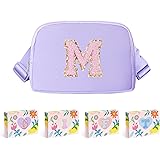
COSHAYSOO Initial Belt Bag Crossbody Letter Fanny Waist Pack Preppy Trendy Stuff Birthday Easter Gifts for Teen Flower Girls 5 6 7 8 9 10 Year Old Personalized Wedding Party Bridesmaid Gift Purple M
$4.99 (as of February 16, 2026 11:56 GMT +02:00 - More infoProduct prices and availability are accurate as of the date/time indicated and are subject to change. Any price and availability information displayed on [relevant Amazon Site(s), as applicable] at the time of purchase will apply to the purchase of this product.)
THE NORTH FACE Women's Jester Luxe Everyday Laptop Backpack, TNF Black/Burnt Coral Metallic, One Size
$75.24 (as of February 16, 2026 11:56 GMT +02:00 - More infoProduct prices and availability are accurate as of the date/time indicated and are subject to change. Any price and availability information displayed on [relevant Amazon Site(s), as applicable] at the time of purchase will apply to the purchase of this product.)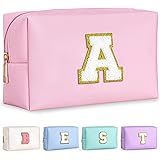
TOPEAST Initial Makeup Bag, Birthday Gifts for 4 5 6 7 8 9 10 11 12 Year Old Teen Girls, Personalized Preppy Cosmetic Bags Toiletry Bag (Pink A)
$9.99 (as of February 16, 2026 11:56 GMT +02:00 - More infoProduct prices and availability are accurate as of the date/time indicated and are subject to change. Any price and availability information displayed on [relevant Amazon Site(s), as applicable] at the time of purchase will apply to the purchase of this product.)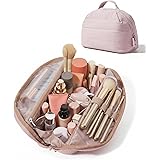
BAGSMART Travel Makeup Bag for Women, Portable Fold-down Cosmetic Case, Puffy Padded Make Up Organizer Pouch, Water-resistant Toiletry Bag for Toiletries, Brushes (Baby Pink)
$14.99 (as of February 16, 2026 11:56 GMT +02:00 - More infoProduct prices and availability are accurate as of the date/time indicated and are subject to change. Any price and availability information displayed on [relevant Amazon Site(s), as applicable] at the time of purchase will apply to the purchase of this product.)As an Amazon Associate, we earn from qualifying purchases.
14. FAQs for First-Timers
Here are some frequently asked questions to help you plan your first trip to Oslo.
What currency does Oslo use?
Norway uses the Norwegian Krone (NOK). Card payments are widely accepted everywhere, and cash is rarely needed.
Is English widely spoken?
Yes, English proficiency is exceptionally high. Almost everyone speaks fluent English, so communication will not be an issue.
Is Oslo expensive?
Yes, it is one of the most expensive cities in the world. Budgeting for food and alcohol is crucial.
Do I need to tip in Oslo?
No, tipping is not mandatory. Rounding up the bill or leaving 5-10% for good service is appreciated, but not expected.
What is the best way to save money in Oslo?
Buy the Oslo Pass and cook your own meals using groceries from Kiwi or Rema 1000.
What is Friluftsliv?
It is the Norwegian concept of “free air life,” which emphasizes spending time outdoors, regardless of the weather. It is a core part of the culture.
15. What’s Next? More Guides to Explore
Your Oslo adventure awaits! We hope this comprehensive guide has equipped you with all the essential information to plan an unforgettable trip to the Norwegian capital. From the stunning Opera House to the peaceful forests, Oslo promises a journey filled with modern design, deep culture, and lasting memories.
Happy travels, and enjoy your incredible journey through the Green Capital of Europe!
🇪🇺 Western Europe Countries
- France Travel Guide
- Spain Travel Guide
- Portugal Travel Guide
- Netherlands Travel Guide
- Belgium Travel Guide
- Luxembourg Travel Guide
- Ireland Travel Guide
- England Travel Guide
🇪🇺 Southern Europe & Balkans Countries
- Italy Travel Guide
- Greece Travel Guide
- Croatia Travel Guide
- Montenegro Travel Guide
- Albania Travel Guide
- Malta Travel Guide
- Bosnia and Herzegovina Travel Guide
- Serbia Travel Guide
- North Macedonia Travel Guide
- Kosovo Travel Guide
🇪🇺 Northern Europe & Nordics Countries
- Sweden Travel Guide
- Norway Travel Guide
- Finland Travel Guide
- Denmark Travel Guide
- Iceland Travel Guide
- Scotland Travel Guide
🇪🇺 Central Europe Countries
- Germany Travel Guide
- Austria Travel Guide
- Switzerland Travel Guide
- Poland Travel Guide
- Czechia Travel Guide
- Hungary Travel Guide
- Slovakia Travel Guide
- Slovenia Travel Guide
🇪🇺 Eastern Europe & Baltics Countries
- Romania Travel Guide
- Bulgaria Travel Guide
- Ukraine Travel Guide
- Moldova Travel Guide
- Lithuania Travel Guide
- Latvia Travel Guide
- Estonia Travel Guide
- Belarus Travel Guide

