

Planning your first adventure to Copenhagen? You’ve picked one of the world’s most livable, beautiful, and surprisingly cool destinations! This ultimate guide is packed with everything you need to know to make your trip unforgettable. From exploring the colorful harbor of Nyhavn to experiencing the magic of hygge, we’ve got you covered.
Copenhagen, the capital of Denmark, offers an unparalleled blend of historic charm, cutting-edge design, and a sophisticated, sustainable lifestyle. It’s a city that captivates every traveler, whether you’re cycling through its clean streets, exploring royal palaces, or simply enjoying a world-class pastry in a cozy café.
Get ready to discover why this city is a truly unique and essential travel destination. Let’s dive into the essential tips that will help you plan, budget, and experience the very best of this amazing city.
Table of Contents
- 1. Why Visit Copenhagen?
- 2. Best Time to Visit Copenhagen
- 3. Top Destinations in Copenhagen for First-Timers
- 4. Planning Your Copenhagen Trip: A Step-by-Step Guide
- 5. Accommodation in Copenhagen: Where to Stay
- 6. Getting Around Copenhagen: Transportation Guide
- 7. How Much Does a Trip to Copenhagen Cost?
- 8. Must-Try Foods and Cultural Delights
- 9. Staying Safe in Copenhagen
- 10. Solo Travel in Copenhagen
- 11. Traveling Copenhagen with Family or as a Senior
- 12. Digital Nomads in Copenhagen
- 13. Essential Packing List in our Copenhagen Travel Guide
- 14. FAQs for First-Timers
- 15. What’s Next? More Guides to Explore
1. Why Visit Copenhagen?
Copenhagen is a city that consistently ranks as one of the happiest and most livable in the world. It’s a place where design meets history, and where a commitment to sustainability is woven into the fabric of daily life. This is a city that simply works, and it works beautifully.
The Magic of Hygge and Design
The Danish concept of hygge (pronounced “hoo-gah”) is central to the city’s appeal. It’s about creating a cozy, comfortable, and content atmosphere. You’ll find it in the candlelit cafes, the warm, friendly pubs, and the beautifully designed public spaces. It’s an experience you can only truly understand by being there.
Beyond hygge, Copenhagen is a global hub for modern design and architecture. From the stunning Opera House to the innovative CopenHill ski slope built on a waste-to-energy plant, the city is a masterclass in blending form, function, and environmental consciousness. Competitive Edge: We highlight the city’s unique sustainability and design focus, which is a key differentiator from standard guides.
Looking for the best hotel or flight deals?
Plan your trip with ease using the Expedia search tool below. From charming boutique hotels to luxury resorts, this widget helps you compare top options in seconds — flights included!
2. Best Time to Visit Copenhagen
Choosing the right time to visit Copenhagen can significantly enhance your experience. The city has four distinct seasons, each offering unique charms, though the summer months are undeniably the most popular.
Summer (June-August): Endless Daylight & Festivals
- Weather: The warmest and sunniest months, with temperatures typically ranging from 18-22°C (64-72°F). The sun sets as late as 10 PM, giving you endless hours for sightseeing.
- Crowds: Peak tourist season. Expect higher prices for accommodation and more crowds at major attractions.
- Pros: Perfect weather for cycling, canal tours, and enjoying the city’s many outdoor festivals. The atmosphere is vibrant and relaxed. Insider Tip: Join the locals for a swim in the clean harbor baths, like Islands Brygge, a unique summer activity.
- Cons: Highest prices and necessary to book everything well in advance.
Shoulder Seasons (April-May and September-October): Best Balance
- Weather: Mild and pleasant, with temperatures from 10-15°C (50-59°F). The city is beautiful as it blooms in spring or turns golden in autumn.
- Crowds: Fewer crowds than summer, making it ideal for museum visits and a more relaxed pace.
- Pros: Lower accommodation rates and a great balance of good weather and fewer tourists. Perfect for experiencing true hygge before the winter chill.
- Cons: Weather can be unpredictable, so pack layers.
Winter (November-March): Hygge & Christmas Markets
- Weather: Cold and often overcast, with temperatures from 0-5°C (32-41°F). Snow is possible, but not guaranteed.
- Crowds: Fewest tourists outside of the Christmas season.
- Pros: The best time to experience hygge indoors. The Christmas markets and Tivoli Gardens’ winter opening are magical. Lowest prices for flights and hotels.
- Cons: Very short daylight hours (as little as 7 hours). Many outdoor attractions may be closed or have limited hours.
Recommendation for First-Timers: For the best experience, aim for late spring (May) or early autumn (September). You get the best of the weather without the peak summer crowds.
Worried about landing with no signal? Get an Airalo eSIM for your trip — trusted by 20M+ travelers with coverage in 200+ destinations, often cheaper than roaming.
3. Top Destinations in Copenhagen for First-Timers
Copenhagen is a city of manageable size, making it easy to cover the main highlights in a few days. Here are the must-visit spots for your first incredible trip, plus a few local secrets.
Nyhavn: The Iconic Harbor
The postcard-perfect 17th-century harbor with its brightly colored townhouses, historic wooden ships, and bustling cafes. It’s the perfect place for a photo, a canal tour, or a traditional Danish lunch. Local Secret: Skip the expensive Nyhavn restaurants and grab a smørrebrød from a nearby deli to eat by the canal.
Tivoli Gardens: The Fairytale Amusement Park
More than just an amusement park, Tivoli is a beautifully landscaped garden, concert venue, and dining hub. It was Walt Disney’s inspiration for Disneyland. Visit in the evening when the lights create a truly magical atmosphere.
The Little Mermaid (Den Lille Havfrue)
The iconic bronze statue, inspired by Hans Christian Andersen’s tale. While often crowded and smaller than expected, it remains a Copenhagen rite of passage. Combine your visit with a walk along the Kastellet fortress.
Rosenborg Castle & The Crown Jewels
A stunning Renaissance castle that houses the Danish Crown Jewels and the Royal Regalia. The surrounding King’s Garden (Kongens Have) is a beautiful spot for a picnic or a stroll.
The Round Tower (Rundetaarn)
An impressive 17th-century tower with a unique spiral ramp that leads to a viewing platform. It offers one of the best panoramic views of the city and is easily accessible by foot.
Freetown Christiania: The Alternative Enclave
A controversial but fascinating self-governing neighborhood known for its unique culture, colorful houses, and alternative lifestyle. It’s a must-see for its unique social experiment, but be respectful of local rules and do not take photos in the main areas.
Competitive Edge: Local Hidden Gem
For a truly local experience, visit Superkilen Park in Nørrebro. This urban park is a masterclass in modern design, featuring objects and plants from over 50 countries, reflecting the neighborhood’s diversity. It’s a fantastic, off-the-beaten-path spot for architecture and people-watching.
4. Planning Your Copenhagen Trip: A Step-by-Step Guide
Planning a trip to Copenhagen is straightforward, but a few key steps will ensure you maximize your time and budget in this world-class city.
Step 1: Define Your Focus & Duration
A 3-4 day trip is perfect for covering the main city highlights. If you want to include day trips (like to Malmö, Sweden, or Kronborg Castle), plan for 5-7 days. Decide if your focus is on design, history, or food.
Step 2: Book Flights and Accommodation
Book 3-6 months out for the best prices, especially for summer travel. Copenhagen Airport (CPH) is extremely well-connected to the city center by train and metro.
Step 3: Consider the Copenhagen Card
This card offers free entry to over 80 attractions and museums, plus free public transport in the entire capital region. If you plan to visit 2-3 major sites per day, it is a significant money-saver and time-saver. Competitive Edge: Calculate the break-even point for the card based on typical entry fees to help the user decide.
Step 4: Embrace the Bike Culture
Copenhagen is one of the most bike-friendly cities globally. Renting a bike is a fantastic way to see the city like a local. Just be sure to follow the cycling rules and respect the bike lanes!
5. Accommodation in Copenhagen: Where to Stay
Copenhagen is a compact city, and most neighborhoods offer easy access to the main attractions. Your choice will depend on your budget and the vibe you’re looking for.

Indre By (City Center): Best for First-Timers
This is the heart of the city, home to Nyhavn, Tivoli, and the main shopping streets. It’s the most convenient but also the most expensive area. Perfect if you want to be close to everything.
Vesterbro: Trendy & Hip
Once a working-class area, Vesterbro is now the city’s trendiest neighborhood, known for its cool bars, independent shops, and the Meatpacking District (Kødbyen). It offers a great mix of boutique hotels and budget-friendly options.
Nørrebro: Multicultural & Local Vibe
A vibrant, multicultural neighborhood with a strong local feel. It’s slightly further out but offers more affordable accommodation and a fantastic array of international food and unique shops. Great for travelers seeking an authentic experience.
Østerbro: Quiet & Upscale
Located north of the center, Østerbro is a quieter, more residential area. It’s close to the Little Mermaid and the Kastellet. It’s a great choice for families and those who prefer a peaceful retreat after a day of sightseeing.
Competitive Edge: Sustainable Stays
Look for hotels with the Green Key certification. Copenhagen is a leader in sustainable tourism, and choosing an eco-certified hotel (like the Guldsmeden chain or Crowne Plaza Copenhagen Towers) aligns with the city’s values and offers a unique experience.
6. Getting Around Copenhagen: Transportation Guide
Copenhagen’s public transport system is world-class: efficient, clean, and easy to use. However, the best way to get around is often by bike or on foot.

Cycling: Travel Like a Local
Copenhagen is built for bikes. You can rent one from numerous shops or use the city’s electric share bikes. It’s the fastest, most enjoyable, and most authentic way to explore. Crucial Tip: Always stay in the bike lane and respect the flow of traffic—cyclists have the right of way! Competitive Edge: Mention the City Bikes (Bycyklen) as a convenient, tech-forward option for tourists.
Metro, S-Train, and Bus
The metro is modern, fully automated, and runs 24/7. The S-trains cover the wider metropolitan area, and the buses fill in the gaps. All systems use the same ticket and zone system, making transfers seamless.
Tickets and Passes
The easiest way to pay is with a Rejsekort (a tap-on, tap-off card) or by purchasing a City Pass (24, 48, 72, or 120 hours), which is ideal for tourists. If you have the Copenhagen Card, all public transport in the city is included.
Walking
The city center (Indre By) is highly walkable. You can easily cover Nyhavn, Strøget (the main shopping street), and the major palaces on foot.
Competitive Edge: The Harbor Bus
Don’t forget the Harbor Bus (Havnebusser). These yellow public transport ferries are included in your City Pass and offer a scenic, unique way to travel between key harbor attractions like Nyhavn, the Opera House, and the Royal Library.
Want to save on train tickets? Search routes and compare prices on Omio — and check for available discounts or referral credit when you book (offers can vary by location/account).
7. How Much Does a Trip to Copenhagen Cost?
Copenhagen is known for being one of the more expensive cities in Europe. However, with smart planning and a few local tips, you can manage your budget effectively.
Daily Budget Estimate (Excluding Accommodation)
- Budget Traveler: 500-800 DKK / $70-115 USD per day
- Food: Street food, supermarket meals, and cheap bakeries.
- Transport: City Pass or Copenhagen Card for attractions.
- Activities: Free activities like walking tours, parks, and the Little Mermaid.
- Mid-Range Traveler: 1000-1500 DKK / $145-215 USD per day
- Food: Eating out at casual restaurants for lunch and dinner.
- Transport: Copenhagen Card.
- Activities: Entry to 2-3 major attractions (Tivoli, castles).
- Luxury Traveler: 2000+ DKK / $290+ USD per day
- Food: Fine dining, high-end restaurants, and frequent café stops.
- Transport: Taxis or private transfers.
- Activities: Private tours, exclusive experiences, and premium seating.
Money-Saving Tips:
- Competitive Edge: Free Attractions: Focus on the many free activities: the National Museum of Denmark (free entry), the harbor baths, the King’s Garden, and the changing of the guard at Amalienborg Palace.
- Copenhagen Card: The single best way to save money if you plan to sightsee.
- Tap Water: Tap water is safe and delicious. Carry a reusable bottle and refill it often.
- Lunch Deals: Many restaurants offer a cheaper lunch menu than their dinner service.
- Cycle: Renting a bike for a few days is cheaper than buying multiple transport passes.
8. Must-Try Foods and Cultural Delights
Danish cuisine is a delightful mix of tradition and New Nordic innovation. Prepare to eat well, from Michelin-starred restaurants to simple, delicious street food.

Iconic Danish Dishes
- Smørrebrød: The quintessential Danish lunch. These are beautiful, open-faced sandwiches built on dark rye bread with toppings like pickled herring, roast beef, or shrimp. A must-try! Competitive Edge: Recommend a specific, high-quality but non-touristy spot like Aamanns Deli & Takeaway for an authentic experience.
- Pølser: The classic Danish hot dog, often sold from street carts (pølsevogn). It’s a cheap, delicious, and quick meal.
- Danish Pastries (Wienerbrød): While they call them Wienerbrød (Viennese bread), they are a Danish staple. Try the snegl (cinnamon snail) or the spandauer (custard-filled).
- Frikadeller: Traditional Danish meatballs, usually served with potatoes and gravy.
Cultural Etiquette & Hygge
- Hygge: Actively seek out cozy moments. Light a candle, enjoy a coffee, and slow down. This is the heart of Danish culture.
- Punctuality: Danes are very punctual. Be on time for reservations and meetings.
- Cycling Rules: Respect the bike lanes. Never walk in them, and signal clearly when turning.
- Tipping: Service charges are included in the bill, so tipping is not mandatory. Rounding up the bill to the nearest 50 or 100 DKK is common for good service, but not expected.
9. Staying Safe in Copenhagen
Copenhagen is an exceptionally safe city, consistently ranked among the safest capitals in the world. You can feel comfortable exploring most areas, even at night. However, a few common-sense precautions are always wise.
General Safety Tips
- Petty Crime: The main concern is pickpocketing, especially in crowded areas like the Central Station, Strøget, and Tivoli Gardens. Keep your valuables secure.
- Bike Lanes: The biggest “danger” is the fast-moving bike traffic. Always look both ways before crossing a bike lane, and never walk in them. Competitive Edge: Warn against jaywalking, as fines can be issued, a detail often missed in general guides.
- Emergency Numbers: The universal emergency number in Denmark is 112 for police, ambulance, and fire services.
10. Solo Travel in Copenhagen
Copenhagen is a perfect destination for solo travelers. It’s incredibly safe, easy to navigate, and the locals are generally welcoming and speak excellent English.
The city’s focus on design and quality means you can enjoy world-class museums, beautiful parks, and cozy cafes without needing a companion. The efficient public transport and bike culture make independent exploration a breeze. Stay in a hostel in Vesterbro or Nørrebro to easily meet other travelers. Competitive Edge: Suggest specific solo-friendly activities like joining a free walking tour or taking a cooking class to meet people.
11. Traveling Copenhagen with Family or as a Senior
Copenhagen is one of the most family-friendly cities in the world, and its accessibility makes it excellent for senior travelers.
Traveling with Family
- Attractions: Tivoli Gardens is a must. The Experimentarium (science museum) and the Blue Planet Aquarium are also huge hits. Competitive Edge: Mention the Children’s Museum at the National Museum of Denmark, which is free and highly interactive.
- Pacing: The city is compact, and the flat terrain makes walking and cycling with children easy. Many museums offer free entry for children.
- Safety: The city’s low crime rate and focus on public spaces make it a stress-free environment for families.
Traveling as a Senior
- Accessibility: The city is very flat, and public transport is modern and accessible. The canal boats offer a relaxing way to see the main sights without much walking.
- Pace: The hygge culture encourages a slower, more relaxed pace. Consider the Copenhagen Card to easily hop on and off transport and attractions.
12. Digital Nomads in Copenhagen
Copenhagen is a fantastic, high-quality base for digital nomads, though the high cost of living is the main barrier. It’s ideal for those prioritizing quality of life, safety, and a strong work-life balance.
- Connectivity: Internet is fast, reliable, and widespread. Cafes are plentiful, and there are numerous modern co-working spaces, especially in the city center and Vesterbro. Competitive Edge: Name specific, popular co-working spaces like Republikken or Talent Garden to provide actionable advice.
- Cost of Living: High. Accommodation is the biggest expense. Consider staying in Nørrebro or Frederiksberg for slightly lower rent.
- Visa Considerations: Denmark offers a few visa options for self-employed individuals, but the process can be complex. Most nomads from outside the EU use the 90-day Schengen tourist visa.
- Lifestyle: The focus on work-life balance is a huge draw. You can easily finish work and be swimming in the clean harbor baths or cycling through a park within minutes.
Looking for a smarter way to manage your travel money? Wise offers real exchange rates with no hidden fees, making it the perfect companion for international trips.
13. Essential Packing List in our Copenhagen Travel Guide
Packing for Copenhagen requires preparing for changeable weather, even in summer. Layers are your best friend.
Clothing
- Waterproof/Windproof Jacket: Essential for any season, as the weather can change quickly, especially near the water.
- Layers: T-shirts, long-sleeved tops, and a warm sweater or fleece. Evenings can be cool, even in summer.
- Comfortable Walking Shoes: You’ll be walking and cycling a lot. Waterproof shoes are a bonus.
- Smart Casual Outfit: Danes dress well. A nice outfit for dinner or a night out will help you feel comfortable.
Essentials & Accessories
- Universal Travel Adapter: Denmark uses the Type K plug (three prongs, similar to Type C/F). Competitive Edge: Specifically mention the Type K plug, as it’s less common than the Type C/F used in much of Europe.
- Reusable Water Bottle: Tap water is excellent.
- Power Bank: Essential for long days of sightseeing and navigation.
- Sunscreen: The sun can be surprisingly strong, especially with the long daylight hours in summer.

BAGAIL 8 Set Packing Cubes Luggage Packing Organizers for Travel Accessories-Cream
$19.56 (as of February 16, 2026 11:56 GMT +02:00 - More infoProduct prices and availability are accurate as of the date/time indicated and are subject to change. Any price and availability information displayed on [relevant Amazon Site(s), as applicable] at the time of purchase will apply to the purchase of this product.)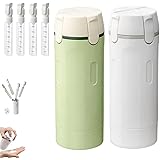
HISKI 4 in 1 Travel Bottles for Toiletries,Portable Travel Toiletries Bottle Set, Portable Containers for Shampoo Lotion Conditioner Cream Transparent with Scale and Label (White+Green-2PCS)
$19.99 (as of February 16, 2026 11:56 GMT +02:00 - More infoProduct prices and availability are accurate as of the date/time indicated and are subject to change. Any price and availability information displayed on [relevant Amazon Site(s), as applicable] at the time of purchase will apply to the purchase of this product.)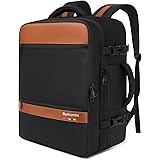
Bymontin Smart Suitcase-style Laptop Backpack, 25L / 35L Practical Travel Bag for Work, Leisure & Flight, Luggage-Style Commuter Pack (Black, 25L)
$18.99 (as of February 16, 2026 11:56 GMT +02:00 - More infoProduct prices and availability are accurate as of the date/time indicated and are subject to change. Any price and availability information displayed on [relevant Amazon Site(s), as applicable] at the time of purchase will apply to the purchase of this product.)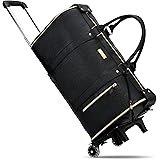
Luhxe Travel Convertible Carry On Garment Roller Bag 2.0 with Shoe Pouch & Detachable Shoulder Strap – Improved Zipper and reinforced straps - Charcoal
$178.99 (as of February 16, 2026 11:56 GMT +02:00 - More infoProduct prices and availability are accurate as of the date/time indicated and are subject to change. Any price and availability information displayed on [relevant Amazon Site(s), as applicable] at the time of purchase will apply to the purchase of this product.)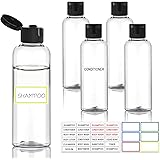
Pfesuqo 5 Pack 3.4 oz Travel Bottles for Toiletries, TSA Approved Leak Proof Refillable Travel Size Containers, Clear Plastic Shampoo Bottles for Lotion Conditioner
$4.79 (as of February 16, 2026 11:56 GMT +02:00 - More infoProduct prices and availability are accurate as of the date/time indicated and are subject to change. Any price and availability information displayed on [relevant Amazon Site(s), as applicable] at the time of purchase will apply to the purchase of this product.)As an Amazon Associate, we earn from qualifying purchases.
14. FAQs for First-Timers
Here are some frequently asked questions to help you plan your first trip to Copenhagen.
What currency does Copenhagen use?
Denmark uses the Danish Krone (DKK), not the Euro. While many places accept cards, it’s good to have some DKK for small purchases.
Is English widely spoken?
Yes, English proficiency in Copenhagen is exceptionally high. Almost everyone speaks fluent English, so communication will not be an issue.
Is Copenhagen expensive?
Yes, it is one of the more expensive cities in Europe, particularly for dining and alcohol. However, the high quality of life and free attractions (like parks and the harbor) help balance the cost.
Do I need to tip in Copenhagen?
No, tipping is not mandatory. Service charges are included in the bill. You can round up the bill for excellent service, but it is not expected.
What is the best way to get around?
Cycling is the best way to experience the city like a local. Otherwise, the metro and S-trains are fast and efficient.
What is Hygge?
Hygge is a Danish concept defined as a quality of coziness and comfortable conviviality that engenders a feeling of contentment or well-being. Think candles, warm blankets, good company, and simple pleasures.
15. What’s Next? More Guides to Explore
Your Copenhagen adventure awaits! We hope this comprehensive guide has equipped you with all the essential information to plan an unforgettable trip to the Danish capital. From the colorful canals of Nyhavn to the cozy atmosphere of hygge, Copenhagen promises a journey filled with design, history, and lasting memories.
Happy travels, and enjoy your incredible journey through the happiest city in the world!
🇪🇺 Western Europe Countries
- France Travel Guide
- Spain Travel Guide
- Portugal Travel Guide
- Netherlands Travel Guide
- Belgium Travel Guide
- Luxembourg Travel Guide
- Ireland Travel Guide
- England Travel Guide
🇪🇺 Southern Europe & Balkans Countries
- Italy Travel Guide
- Greece Travel Guide
- Croatia Travel Guide
- Montenegro Travel Guide
- Albania Travel Guide
- Malta Travel Guide
- Bosnia and Herzegovina Travel Guide
- Serbia Travel Guide
- North Macedonia Travel Guide
- Kosovo Travel Guide
🇪🇺 Northern Europe & Nordics Countries
- Sweden Travel Guide
- Norway Travel Guide
- Finland Travel Guide
- Denmark Travel Guide
- Iceland Travel Guide
- Scotland Travel Guide
🇪🇺 Central Europe Countries
- Germany Travel Guide
- Austria Travel Guide
- Switzerland Travel Guide
- Poland Travel Guide
- Czechia Travel Guide
- Hungary Travel Guide
- Slovakia Travel Guide
- Slovenia Travel Guide
🇪🇺 Eastern Europe & Baltics Countries
- Romania Travel Guide
- Bulgaria Travel Guide
- Ukraine Travel Guide
- Moldova Travel Guide
- Lithuania Travel Guide
- Latvia Travel Guide
- Estonia Travel Guide
- Belarus Travel Guide

