

Planning your first adventure to Vienna? You’ve picked an absolutely enchanting destination! This ultimate guide is packed with everything you need to know to make your trip unforgettable. From exploring imperial palaces that whisper tales of emperors and empresses to indulging in the city’s world-famous coffee house culture, we’ve got you covered.
Vienna, the heart of Austria, offers an unparalleled blend of rich history, vibrant cultural traditions, and stunning imperial architecture. It’s a city that captivates every traveler, whether you’re listening to a Mozart concert, marveling at Klimt’s “The Kiss,” or simply savoring a slice of Sachertorte in a grand café.
Get ready to discover why Vienna is consistently one of Europe’s most beloved travel destinations. Let’s dive into the essential tips that will help you plan, budget, and experience the very best of this amazing city.
Table of Contents
- 1. Why Visit Vienna?
- 2. Best Time to Visit Vienna
- 3. Top Destinations in Vienna for First-Timers
- 4. Planning Your Vienna Trip: A Step-by-Step Guide
- 5. Accommodation in Vienna: Where to Stay
- 6. Getting Around Vienna: Transportation Guide
- 7. How Much Does a Trip to Vienna Cost?
- 8. Must-Try Foods and Cultural Delights
- 9. Staying Safe in Vienna
- 10. Solo Travel in Vienna
- 11. Traveling Vienna with Family or as a Senior
- 12. Digital Nomads in Vienna
- 13. Essential Packing List in our Vienna Travel Guide
- 14. FAQs for First-Timers
- 15. What’s Next? More Guides to Explore
1. Why Visit Vienna?
Vienna is a city of captivating beauty and endless charm. It stands as a top choice for travelers seeking authentic cultural experiences, a deep dive into history, and an atmosphere of timeless elegance. Its unique blend of imperial heritage, world-class music, and vibrant modern life makes it truly special.
The Allure of the Imperial City
Imagine exploring grand palaces that once housed the Habsburg dynasty, strolling through charming cobblestone streets, or attending a breathtaking opera performance. Vienna offers all this and more. The city boasts a welcoming atmosphere, delicious traditional cuisine, and a rich cultural heritage that will leave you enchanted.
From the classical elegance of the Innere Stadt to the trendy vibes of Neubau, Vienna promises a journey filled with unforgettable moments. It’s a place where every building tells a story, and every coffee house is a sanctuary of tranquility and taste.
Looking for the best hotel or flight deals?
Plan your trip with ease using the Expedia search tool below. From charming boutique hotels to luxury resorts, this widget helps you compare top options in seconds — flights included!
2. Best Time to Visit Vienna
Choosing the right time to visit Vienna can significantly enhance your experience. The city has four distinct seasons, each offering unique charms for different types of activities.
Spring (April-May): Blooming Parks & Mild Weather
- Weather: Mild and pleasant, with temperatures ranging from 10-20°C (50-68°F). Expect sunshine and occasional rain showers.
- Crowds: Fewer crowds than summer, especially in April.
- Pros: The city’s many parks are in full bloom, and sidewalk cafes (Schanigärten) begin to open. Perfect for sightseeing on foot.
- Cons: The weather can be unpredictable, so pack layers.
Summer (June-August): Long Days & Outdoor Festivals
- Weather: The warmest months, with temperatures averaging 20-30°C (68-86°F). Long daylight hours.
- Crowds: Peak tourist season, meaning larger crowds at popular sites and higher prices for accommodation.
- Pros: Best weather for enjoying outdoor events like the Film Festival at Rathausplatz and relaxing by the Danube. All attractions have longer opening hours.
- Cons: Can be very hot and humid, which can make extensive sightseeing uncomfortable. Booking well in advance is essential.
Autumn (September-October): Golden Hues & Wine Season
- Weather: Mild and pleasant, with temperatures from 10-20°C (50-68°F) in early autumn, cooling down by October.
- Crowds: Crowds begin to thin out, especially after mid-September. Prices become more reasonable.
- Pros: Ideal for comfortable city exploration. It’s also wine harvest season, perfect for visiting the local vineyards (Heurigen) on the city’s outskirts.
- Cons: Days get shorter, and it can be cool and rainy, especially in October.
Winter (November-March): Festive Markets & Cozy Culture
- Weather: Cold, with temperatures often around or below freezing (0°C / 32°F). Snow is possible, creating a magical atmosphere.
- Crowds: Fewer tourists outside of the Christmas market season in December.
- Pros: The Christmas markets are world-famous and incredibly charming. It’s also ball season, a unique Viennese tradition. Perfect for enjoying cozy coffee houses and indoor museums.
- Cons: Very short daylight hours and can be very cold.
Recommendation for First-Timers: For a balanced experience with great weather and manageable crowds, consider late spring (May) or early autumn (September). These shoulder seasons offer the best of Vienna without the intense summer heat or winter cold.
Worried about landing with no signal? Get an Airalo eSIM for your trip — trusted by 20M+ travelers with coverage in 200+ destinations, often cheaper than roaming.
3. Top Destinations in Vienna for First-Timers
Vienna is brimming with world-class destinations. For your first trip, focus on these iconic sites that offer a true taste of the city’s imperial grandeur and rich culture.
Schönbrunn Palace & Gardens
The former summer residence of the Habsburg emperors, this magnificent Baroque palace is a UNESCO World Heritage site and Vienna’s most popular attraction. Tour the opulent staterooms, wander through the vast, beautiful gardens, and visit the Gloriette for stunning city views.
The Hofburg Palace
The heart of the former Habsburg Empire, the Hofburg is a vast palace complex in the city center. It houses the Imperial Apartments, the Sisi Museum, the Imperial Treasury (Schatzkammer), and the famous Spanish Riding School with its Lipizzaner stallions.
St. Stephen’s Cathedral (Stephansdom)
The symbol of Vienna, this massive Gothic cathedral dominates the city skyline. Admire its stunning architecture, climb the South Tower for panoramic views, and explore the catacombs beneath. It’s the vibrant heart of the city’s central square, Stephansplatz.
Belvedere Palace
This stunning Baroque palace complex consists of two palaces (Upper and Lower Belvedere) and houses an incredible art collection. The Upper Belvedere is home to the world’s largest collection of Gustav Klimt’s paintings, including his masterpiece, “The Kiss.”
The Vienna State Opera (Wiener Staatsoper)
One of the world’s leading opera houses, the Staatsoper is a magnificent building on the Ringstrasse. Take a guided tour to see its opulent interior or, for a truly unforgettable experience, attend a performance. Affordable standing-room tickets are often available.
The Museumsquartier (MQ)
One of the world’s largest art and culture complexes, the MQ is a vibrant hub of museums, cafes, and public spaces. It’s home to major institutions like the Leopold Museum (with its vast Schiele collection) and the MUMOK (Museum of Modern Art).
4. Planning Your Vienna Trip: A Step-by-Step Guide
Planning your first trip to Vienna is an exciting process. Its excellent organization and compact center make it very easy to plan. Breaking it down into steps makes it even smoother.
Setting Your Budget & Travel Style
First, decide on your budget. Vienna can be a luxurious city break or managed on a reasonable budget. Decide if you want a culture-packed trip focused on museums and concerts, a leisurely exploration of coffee houses, or a mix of both.
Crafting Your Itinerary
Don’t try to rush. For a first trip, allow at least 3-4 full days to see the main highlights without feeling overwhelmed. Group attractions by neighborhood (e.g., Hofburg Palace and St. Stephen’s are close, while Schönbrunn is further out) to save travel time.
Booking Flights & Accommodation
Book flights 3-6 months in advance for the best prices, especially for summer or the Christmas season. Vienna International Airport (VIE) is the main gateway. Book accommodation well in advance, as the best-located and best-value places fill up quickly.
Understanding Visa & Entry Requirements
Austria is part of the Schengen Area. For most non-EU nationalities (e.g., US, UK, Canadian, Australian citizens), a visa is not required for tourist stays of up to 90 days. Always ensure your passport is valid for at least six months beyond your intended departure date.
Securing Travel Insurance
This is non-negotiable for any international trip. Get comprehensive travel insurance that covers medical emergencies, trip cancellations, and lost luggage. It’s a small investment for total peace of mind.
5. Accommodation in Vienna: Where to Stay
Vienna offers a wide range of high-quality accommodation, from imperial-era grand hotels to stylish modern hostels. Choosing the right neighborhood is key to your experience.

Innere Stadt (1st District ): The Historic Heart
- Pros: You’re in the middle of it all, within walking distance of major sights like the Hofburg and St. Stephen’s Cathedral. The atmosphere is grand and historic.
- Cons: This is the most expensive area to stay in.
Neubau (7th District): Trendy & Creative
- Pros: Known for its bohemian vibe, independent boutiques, cool cafes, and proximity to the Museumsquartier. It’s a vibrant, youthful area with great transport links.
- Cons: Can be lively at night.
Wieden (4th District) & Margareten (5th District): Hip & Affordable
- Pros: These up-and-coming districts south of the center offer a more local feel, with cool design shops, diverse restaurants, and more affordable accommodation. The Naschmarkt is nearby.
- Cons: Requires a short tram or U-Bahn ride to the absolute center.
Leopoldstadt (2nd District): Green & Family-Friendly
- Pros: Located across the Danube Canal, this area is home to the huge Prater park and amusement park. It offers a slightly quieter, more residential feel while still being very close to the center.
- Cons: Lacks the imperial grandeur of the 1st district.
6. Getting Around Vienna: Transportation Guide
Getting around Vienna is incredibly easy thanks to its world-class public transport system, known as the Wiener Linien. It’s efficient, clean, safe, and the highly recommended way to explore the city.

Public Transport (U-Bahn, Trams, Buses ): The Best Way to Travel
- Pros: The network of subways (U-Bahn), trams (Straßenbahn), and buses is comprehensive and runs frequently from early morning until after midnight. Night buses cover the city after hours. A single ticket is valid across all modes of transport.
- Cons: None, really. It’s one of the best public transport systems in the world.
- Tickets: Don’t buy single tickets. Opt for a 24, 48, or 72-hour pass, or a weekly pass (Wochenkarte), which offer unlimited travel and excellent value. Remember to validate your ticket before your first journey!
Walking: Perfect for the City Center
- Pros: The Innere Stadt (1st district) is a large pedestrian zone and is best explored on foot. Walking allows you to discover hidden courtyards and charming side streets.
- Cons: Vienna is a large city; relying solely on walking will be exhausting and time-consuming.
CityBikes: A Free & Fun Option
- Pros: Vienna has a public bike-sharing system. The first hour of every ride is completely free. It’s a great way to cover short distances, especially around the Ringstrasse or along the Danube Canal.
- Cons: Requires registration with a credit card. Finding an available bike or an empty dock can sometimes be a challenge.
Taxis & Ride-Sharing: For Convenience
- Pros: Readily available and convenient, especially for late nights or getting to/from the airport with luggage.
- Cons: The most expensive option. Unnecessary for most sightseeing due to the excellent public transport.
Want to save on train tickets? Search routes and compare prices on Omio — and check for available discounts or referral credit when you book (offers can vary by location/account).
7. How Much Does a Trip to Vienna Cost?
Vienna has a reputation for being grand, but it can be enjoyed on various budgets. Understanding the potential costs will help you plan effectively. Here’s a breakdown of what to expect.
Daily Cost Estimates (Per Person, excluding accommodation)
- Budget Traveler: €40-€70 per day
- Food: Supermarket meals, grabbing a sausage from a Würstelstand, or eating at the Naschmarkt.
- Transport: Using a multi-day public transport pass.
- Activities: Free walking tours, enjoying parks, visiting free-entry sites.
- Mid-Range Traveler: €80-€150 per day
- Food: Eating at casual restaurants (Beisln), enjoying coffee and cake.
- Transport: Public transport pass.
- Activities: Paid entry to 1-2 major palaces or museums per day.
- Luxury Traveler: €200+ per day
- Food: Fine dining, multi-course meals.
- Transport: Taxis, private transfers.
- Activities: Private tours, top-tier concert tickets, Vienna Pass.
Money-Saving Tips:
- Get a Transport Pass: A 24/48/72-hour or weekly pass is much cheaper than buying single tickets.
- Consider the Vienna City Card or Vienna Pass: If you plan to visit many attractions, these passes can offer great value by bundling entry fees and sometimes public transport.
- Eat at a Würstelstand: These iconic sausage stands offer a delicious, quick, and very affordable meal.
- Enjoy Free Sights: Strolling through the gardens of Schönbrunn or the Volksgarten, and admiring architecture from the outside is completely free.
- Look for Standing Room Tickets: For a cheap way to see a world-class opera, queue for standing room (Stehplatz) tickets at the State Opera just before a performance.
8. Must-Try Foods and Cultural Delights
Viennese cuisine is hearty, comforting, and delicious. Beyond the food, the city’s cultural offerings are what make a trip here truly unforgettable. Get ready to indulge your senses!

Iconic Viennese Dishes
- Wiener Schnitzel: The quintessential Viennese dish. A thin, breaded, and pan-fried veal (or pork ) cutlet, served with a slice of lemon and often potato salad.
- Sachertorte: The world-famous chocolate cake with a thin layer of apricot jam, covered in dark chocolate icing. Traditionally enjoyed with unsweetened whipped cream.
- Apfelstrudel: A warm, flaky pastry filled with spiced apples, cinnamon, and raisins. Often served with vanilla sauce.
- Tafelspitz: A favorite of Emperor Franz Joseph I. It’s lean beef boiled in a savory broth with root vegetables, served with horseradish and apple sauce.
- Käsekrainer: A lightly smoked pork sausage filled with small chunks of cheese, best enjoyed from a Würstelstand (sausage stand).
- Kaiserschmarrn: A fluffy shredded pancake, pan-fried with raisins, torn into bite-sized pieces, and served with a fruit compote.
Coffee House Culture (Kaffeehauskultur)
Vienna’s coffee house culture is a UNESCO Intangible Cultural Heritage. These are not places for a quick caffeine fix, but “public living rooms” where you can linger for hours over a single coffee (served on a silver tray with a glass of water). Try a “Wiener Melange” and soak in the timeless atmosphere.
Classical Music & Opera
Vienna is the world’s capital of classical music. Attending a concert at the Musikverein (home of the Vienna Philharmonic) or an opera at the magnificent Staatsoper is a quintessential Viennese experience. For a more accessible option, look for concerts in one of the city’s many beautiful churches.
Heurigen (Wine Taverns)
On the outskirts of the city, in areas like Grinzing or Neustift am Walde, you’ll find “Heurigen.” These are traditional wine taverns where local vintners serve their new wine. It’s a wonderful, rustic experience, especially on a warm evening.
9. Staying Safe in Vienna
Vienna is consistently ranked as one of the safest cities in the world. Crime rates are very low, making it an exceptionally comfortable destination for travelers. Standard common sense is all you need.
General Safety Tips
- Petty Crime: The main concern is pickpocketing in very crowded tourist areas (like Stephansplatz, Kärntner Strasse, or on a packed U-Bahn). Keep your wallet, phone, and passport in a secure front pocket or a zipped bag.
- Be Aware of Scams: Be cautious of people trying to sell you concert tickets on the street; they are often overpriced. Buy from official ticket offices or reputable online sources.
- Public Transport: The public transport system is very safe, even late at night.
Emergency Numbers
- The universal emergency number in Austria is 112 for police, ambulance, and fire services.
Health & Medical Care
- Tap Water: The tap water in Vienna is of outstanding quality, coming directly from Alpine springs. It’s safe, delicious, and free. Bring a reusable bottle.
- Pharmacies (Apotheke): Pharmacies are widely available for basic medical advice and over-the-counter medications.
10. Solo Travel in Vienna
Vienna is a dream destination for solo travelers. Its safety, ease of navigation, and wealth of activities that can be enjoyed alone make it perfect for an independent adventure.
Why Vienna is Great for Solo Travelers
- Incredibly Safe: You can walk around most parts of the city, day or night, without concern.
- Easy to Navigate: The grid-like layout of the inner districts and the flawless public transport system make getting around a breeze.
- A Culture of Solitude: The coffee house culture was practically made for solo travelers. It’s perfectly normal to sit alone for hours with a book, a newspaper, and a coffee.
- Endless Activities: With countless museums, concerts, and parks, you’ll never be short of things to do by yourself.
Tips for Solo Travelers in Vienna
- Join a Free Walking Tour: A great way to get oriented on your first day and potentially meet other travelers.
- Get Standing Room Opera Tickets: This is a classic solo traveler experience. It’s cheap, cultural, and you’ll be surrounded by a mix of locals and tourists.
- Dine at the Naschmarkt: This bustling market has many small eateries and stalls where dining alone feels completely natural.
11. Traveling Vienna with Family or as a Senior
Vienna is a fantastic destination for all ages, offering a wonderful mix of activities and excellent infrastructure that caters to both families with children and senior travelers.
Traveling with Family
- Kid-Friendly Attractions: Vienna is packed with fun for kids. Don’t miss the Prater amusement park with its famous Giant Ferris Wheel, the Schönbrunn Zoo (the world’s oldest zoo), and the Haus der Musik (House of Music).
- Spacious Parks: The city has numerous large parks like the Prater and the Donauinsel (Danube Island) that are perfect for letting kids run around and play.
- Family-Friendly Museums: The Natural History Museum with its dinosaur hall and the Zoom Kindermuseum in the Museumsquartier are huge hits with children.
Traveling as a Senior
- Excellent Accessibility: The city is largely flat, and the public transport system is very accessible with elevators and escalators in most U-Bahn stations. Trams are also easy to board.
- A Relaxed Pace: Vienna is perfect for a leisurely travel style. Enjoy long, comfortable breaks in coffee houses, gentle strolls through palace gardens, and scenic rides on the Ringstrasse tram.
- Senior Discounts: Many museums and attractions offer reduced admission for seniors (usually 65+). It’s always worth asking!
- Comfort and Culture: The city’s emphasis on high culture, comfort, and safety makes it an ideal and stress-free destination for senior travelers.
12. Digital Nomads in Vienna
With its unbeatable quality of life, central European location, and vibrant culture, Vienna is a top-tier choice for digital nomads looking for a stable and inspiring base.
- Visa Considerations: As part of the EU, non-EU citizens can typically stay for 90 days under Schengen rules. For longer stays, Austria has a “Self-Employed” visa, though it has strict requirements. Many nomads use the 90-day tourist period.
- Best Neighborhoods for Nomads: Neubau (7th), Josefstadt (8th), and Mariahilf (6th) are popular for their creative vibe, countless laptop-friendly cafes, and central location.
- Connectivity: Internet is fast, reliable, and widely available. The city also has a growing public Wi-Fi network.
- Co-working & Café Culture: Vienna has a burgeoning co-working scene and, more importantly, a historic coffee house culture that is perfectly suited for remote work. You can work for hours undisturbed.
- Cost of Living: Vienna offers a high quality of life for a more reasonable cost than cities like London or Paris. Rent is the biggest expense, but groceries and transport are affordable.
- Lifestyle: The work-life balance is excellent. After work, you can be at a museum, an opera, or swimming in the Danube in minutes.
Looking for a smarter way to manage your travel money? Wise offers real exchange rates with no hidden fees, making it the perfect companion for international trips.
13. Essential Packing List in our Vienna Travel Guide
Packing for Vienna is all about preparing for changing weather and lots of walking. Smart layers and comfortable shoes are non-negotiable.
Clothing
- Comfortable Walking Shoes: This is the most important item. You will be walking a lot on cobblestones.
- Layers: T-shirts, long-sleeved tops, and a fleece or sweater are crucial for adapting to temperature changes, even in summer.
- Waterproof/Windproof Jacket: Essential for any season, as rain showers can be sudden.
- Slightly Dressier Outfit: For a nice dinner or a concert. Vienna is an elegant city, and you won’t feel out of place dressing up a bit. A simple dress or a blazer is perfect.
- Warm Gear (for winter): A proper winter coat, thermal underwear, a warm hat, gloves, and a scarf are essential for a winter trip.
Essentials & Accessories
- Universal Travel Adapter: Austria uses Type F plugs (two round pins).
- Reusable Water Bottle: To stay hydrated with the city’s excellent Alpine tap water.
- Daypack: Essential for carrying daily essentials like your jacket, water bottle, and camera.
- Sunscreen & Sunglasses: The summer sun can be strong.
- Copies of Documents: Keep digital and physical copies of your passport and travel insurance.
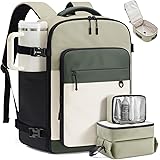
LOVEVOOK Travel Backpack for Women & Men, 40L Large Airline Approved Carry on Backpack for Travel, TSA Personal Item Travel Bag with 3 Packing Cubes, Waterproof Travel Essentials Bag fits 17" Laptop
$59.99 (as of March 5, 2026 14:57 GMT +02:00 - More infoProduct prices and availability are accurate as of the date/time indicated and are subject to change. Any price and availability information displayed on [relevant Amazon Site(s), as applicable] at the time of purchase will apply to the purchase of this product.)
Uygafly Gifts for Teen Girls Kids,Birthday Gifts for 4 5 6 7 8 9 10 11 12 13 Year Old Girls,Gift for Daughter Sister Her,Fanny Pack Crossbody Bag Belt Bag Cute Trendy Stuff | Cream,A
$9.99 (as of March 5, 2026 14:57 GMT +02:00 - More infoProduct prices and availability are accurate as of the date/time indicated and are subject to change. Any price and availability information displayed on [relevant Amazon Site(s), as applicable] at the time of purchase will apply to the purchase of this product.)
BAGSMART Large Beach Bag for Women with Cooler, Rubber Tote Bag with Charms, Waterproof Vacation Essentials for Swim Pool
$55.99 (as of March 5, 2026 14:57 GMT +02:00 - More infoProduct prices and availability are accurate as of the date/time indicated and are subject to change. Any price and availability information displayed on [relevant Amazon Site(s), as applicable] at the time of purchase will apply to the purchase of this product.)
QLOVEA Easter Gifts for Kids Girls Toddlers, Initial Pink Sling Bag for Kid Girls | Small Initial Monogram Crossbody Bag Purse for Girl Kid Year Old Birthday Gifts, Easter Basket Stuffers (Pink A)
$17.99 (as of March 5, 2026 14:57 GMT +02:00 - More infoProduct prices and availability are accurate as of the date/time indicated and are subject to change. Any price and availability information displayed on [relevant Amazon Site(s), as applicable] at the time of purchase will apply to the purchase of this product.)
Small Gym Bag for Women, Travel Duffle Bag Carry On Weekender Bag with Shoe Compartment
$19.99 (as of March 5, 2026 14:57 GMT +02:00 - More infoProduct prices and availability are accurate as of the date/time indicated and are subject to change. Any price and availability information displayed on [relevant Amazon Site(s), as applicable] at the time of purchase will apply to the purchase of this product.)As an Amazon Associate, we earn from qualifying purchases.
14. FAQs for First-Timers
Here are some frequently asked questions to help you plan your first trip to the magnificent city of Vienna.
What is the currency in Vienna?
Vienna, as part of Austria, uses the Euro (€). Credit cards are widely accepted, but it’s always good to have some cash for small cafes, markets, or sausage stands.
Is English widely spoken?
Yes, English proficiency in Vienna is excellent, especially in the tourism industry and among younger people. You will have no problem communicating.
Is Vienna expensive?
Vienna can be expensive, but it’s manageable. It is generally considered more affordable than cities like London, Paris, or Zurich. Costs can be controlled by using public transport, eating at local markets, and looking for accommodation outside the 1st district.
How do I get from Vienna Airport (VIE) to the city center?
You have several options. The fastest is the City Airport Train (CAT) to Wien Mitte (16 mins). A more affordable option is the regular S-Bahn train (S7) or Railjet (ÖBB) trains, which take about 25 minutes and are covered by standard public transport passes if you buy a supplemental ticket from the airport border.
Can I drink the tap water?
Yes, absolutely! Vienna’s tap water is famous for its high quality, piped directly from the Alpine springs. It’s safe, clean, and delicious.
Are shops open on Sundays?
No, the vast majority of shops, including supermarkets and clothing stores, are closed on Sundays by law. Plan your shopping accordingly. Some small shops at major train stations (like Praterstern or Westbahnhof) and the airport will be open.
What is the Vienna City Card?
It’s a tourist card that offers unlimited travel on public transport for 24, 48, or 72 hours, plus discounts at many museums, attractions, and restaurants. It can be a good value if you plan to do a lot of sightseeing.
15. What’s Next? More Guides to Explore
Your Viennese adventure awaits! We hope this comprehensive guide has equipped you with all the essential information to plan an unforgettable trip to Austria’s imperial capital. From the grandeur of the Hofburg Palace to the cozy corners of a traditional coffee house, Vienna promises a journey filled with culture, history, and lasting memories.
Consider extending your trip with a short train ride to other Austrian gems like Salzburg or exploring nearby European capitals like Budapest or Prague. Happy travels!
🇪🇺 Western Europe Countries
- France Travel Guide
- Spain Travel Guide
- Portugal Travel Guide
- Netherlands Travel Guide
- Belgium Travel Guide
- Luxembourg Travel Guide
- Ireland Travel Guide
- England Travel Guide
🇪🇺 Southern Europe & Balkans Countries
- Italy Travel Guide
- Greece Travel Guide
- Croatia Travel Guide
- Montenegro Travel Guide
- Albania Travel Guide
- Malta Travel Guide
- Bosnia and Herzegovina Travel Guide
- Serbia Travel Guide
- North Macedonia Travel Guide
- Kosovo Travel Guide
🇪🇺 Northern Europe & Nordics Countries
- Sweden Travel Guide
- Norway Travel Guide
- Finland Travel Guide
- Denmark Travel Guide
- Iceland Travel Guide
- Scotland Travel Guide
🇪🇺 Central Europe Countries
- Germany Travel Guide
- Austria Travel Guide
- Switzerland Travel Guide
- Poland Travel Guide
- Czechia Travel Guide
- Hungary Travel Guide
- Slovakia Travel Guide
- Slovenia Travel Guide
🇪🇺 Eastern Europe & Baltics Countries
- Romania Travel Guide
- Bulgaria Travel Guide
- Ukraine Travel Guide
- Moldova Travel Guide
- Lithuania Travel Guide
- Latvia Travel Guide
- Estonia Travel Guide
- Belarus Travel Guide

