

Planning a Spain itinerary sounds easy until you realize how many different trips Spain can be. Madrid, Barcelona, Andalusia, the coast, and the north all offer completely different experiences, and trying to fit too much into one route is the fastest way to ruin the trip. The best Spain itinerary is not the one with the most stops. It is the one that fits your time, pace, budget, and travel style without turning every other day into a transfer day.
Tripstou Quick Answer
For most first-time visitors, the best Spain itinerary starts with Madrid, includes Barcelona, and adds one extra region only if there is enough time to enjoy it without rushing. If you want the easiest route, stick to major cities and use trains. If you want smaller towns, more flexibility, and a slower regional feel, add a car only when it actually improves the trip. Start with the Spain Travel Guide if you want a broader overview before choosing your route.
Key Takeaways
- The strongest Spain itinerary is usually built around two main bases and one optional third stop.
- Madrid is often the easiest starting point because of its central location and transport connections.
- Barcelona is one of the best additions for first-time visitors because it gives the trip a very different feel.
- Spain is one of the easiest countries in Europe to explore by train if your route focuses on major cities.
- A car is more useful for regional loops and smaller towns than for classic first-time city routes.
- Spring and fall are usually the easiest seasons for a balanced Spain itinerary.
- Summer heat can make southern and inland routes much more tiring than travelers expect.
- Fewer hotel changes almost always lead to a better trip.
At a Glance
| Trip Style | Best For | Typical Route Logic | Best Transport | Main Risk |
|---|---|---|---|---|
| Classic first trip | First-time visitors | Madrid + Barcelona + one extra stop | Train | Trying to add too many hotel changes |
| Slow travel | Travelers who want depth over coverage | One region with fewer bases | Train or car | Feeling like you need to “see all of Spain” |
| Summer route | Travelers visiting in hotter months | Lighter pace and fewer intense inland days | Train | Underestimating the heat |
| Regional road trip | Travelers who want flexibility | Fewer major cities and more local stops | Car | Adding city-driving stress for no reason |
Table of Contents
- How to Choose the Right Spain Itinerary
- Best Spain Route Ideas
- What Is the Best Spain Itinerary for First-Time Visitors?
- Train or Car? How to Get Around Spain
- Where to Stay During a Spain Itinerary
- How Much Does a Spain Itinerary Cost?
- Best Time of Year for a Spain Itinerary
- How Your Spain Itinerary Should Change by Season
- Common Mistakes to Avoid When Planning a Spain Itinerary
- Is Spain Easy and Safe to Travel Around?
- Spain Itinerary Planning Tips
- FAQ
- Related Guides
How to Choose the Right Spain Itinerary
The best Spain itinerary starts with one simple question: do you want more places, or a better pace? Many travelers plan Spain like a checklist, then realize too late that every extra stop costs time, energy, and flexibility. A stronger route usually comes from cutting one stop, not adding one.
Choose your itinerary based on your trip length
If your trip is short, keep the route focused. Two strong bases are usually better than a fast-moving chain of one-night stops. If your trip is longer, you can add depth, but that does not mean every extra day should become another relocation.
A Spain itinerary feels best when each stop has enough time to breathe. If the route looks efficient on paper but leaves no room for slow mornings, delayed trains, or longer evenings, it is probably too tight.
Choose your itinerary based on your travel style
Some travelers want museums, architecture, and classic urban highlights. Others want long lunches, neighborhood wandering, scenic train rides, and a calmer rhythm. Families usually benefit from fewer transfers. Couples may prefer a slower, more atmospheric route. Travelers who do not want to drive should stay close to Spain’s strongest train-connected cities, while road-trip travelers should only choose a car if the route truly depends on it.
Choose your itinerary based on the season
Season matters more in Spain than many first-time visitors expect. A route that works beautifully in April can feel exhausting in July. A city-heavy itinerary may be ideal in winter, while summer often calls for a lighter pace and more realistic expectations. For a deeper seasonal breakdown, see Best Time to Visit Spain.
Best Spain Route Ideas
You do not need a strict day-by-day plan to choose a smart route. In most cases, the right Spain itinerary comes from choosing the route style that fits your trip best.
Classic first-time route
This is the strongest choice for most first-time visitors. Start with Madrid for practicality, add Barcelona for contrast, and only include another region if you have enough time to enjoy it properly. It gives you a strong overview of Spain without making the trip too fragmented.
Train-first route
This is the easiest version of a Spain itinerary. Stay focused on major cities, reduce hotel changes, and let the rail network handle the long movements. For travelers who want the lowest-friction trip, this is usually the smartest option.
Slow regional route
If you prefer depth over coverage, choose one part of Spain and stay there longer. This kind of itinerary usually feels more relaxed, more personal, and less exhausting than trying to combine too many regions in one trip.
Flexible regional road trip
A car works best when the route depends on smaller towns, countryside stops, or a looser daily structure. It is usually less helpful for a classic major-city itinerary, but it becomes valuable when flexibility matters more than efficiency.
What Is the Best Spain Itinerary for First-Time Visitors?
For most first-time visitors, the smartest Spain itinerary is built around two main bases and one optional third stop. That formula gives you variety without turning the trip into a sequence of tiring travel days. It is broad enough to feel exciting, but focused enough to stay enjoyable.
Why Madrid is often the easiest starting point
Madrid is usually the simplest place to begin because it gives you strong onward options. It works well for travelers who want flexibility, easier transport planning, and a practical entry point before deciding whether to continue toward Barcelona, add another region, or keep the trip centered around major cultural stops.
Why Barcelona is commonly included
Barcelona gives the trip a very different identity from Madrid, which is why it appears in so many Spain itineraries. It adds a stronger visual contrast, a different urban atmosphere, and one of the country’s most recognizable city experiences.
If Barcelona is part of your route, use the Barcelona Travel Guide to refine that stop.
When to add another region
Only add another region if it improves the trip rather than making it more complicated. If the extra stop forces rushed transfers, shorter stays, and less enjoyable days, it is not strengthening the itinerary. It is weakening it.
When a simpler route is better
If you dislike constant packing, want slower evenings, or prefer more time in each destination, keep the route simpler. Spain rewards depth. A lighter itinerary usually feels more memorable than an overbuilt one.
Train or Car? How to Get Around Spain
This is one of the most important decisions in any Spain itinerary. The right answer depends on where you want to go and what kind of trip you want to have.
When train travel makes the most sense
Train is usually the best choice for classic city-based itineraries. It reduces stress, avoids parking issues, and makes major intercity travel much easier to manage. If your route focuses on larger urban destinations, train is usually the cleanest option.
When renting a car is worth it
A car becomes more useful when your route includes smaller towns, regional loops, or places that are harder to reach efficiently by rail. It adds flexibility, but it also adds friction. On a first trip focused on major cities, that extra complexity is often unnecessary.
The easiest way to combine both
A hybrid approach often works best. Use trains for the main intercity structure, then add a car only if a specific region becomes much better with that extra freedom.
For a fuller breakdown, read Getting Around Spain.
Want to save on train tickets? Search routes and compare prices on Omio — and check for available discounts or referral credit when you book (offers can vary by location/account).
Where to Stay During a Spain Itinerary
Where you stay affects the success of the trip more than many travelers realize. The right bases save time, reduce friction, and make the whole route feel smoother.
Best city bases for first-time visitors
The best bases are usually the places with strong transport links, enough to justify several nights, and neighborhoods that make daily sightseeing easy. A strong base does more than simplify sleep arrangements. It improves the flow of the entire trip.
How many hotel bases to choose
Most travelers enjoy Spain more when they keep the number of hotel bases low. Even when distances seem manageable, every change eats into the trip.
Why changing hotels too often hurts the trip
Each hotel change adds hidden costs: packing, checkout, transfer time, check-in, and the time it takes to settle in again. That is why a stronger itinerary is often created by removing one stop rather than squeezing in one more.
For a broader accommodation strategy, see Where to Stay in Spain.
How Much Does a Spain Itinerary Cost?
Spain works across different budget levels, but the final cost depends on how complex the route is, where you stay, when you travel, and how often you move. More hotel changes and more popular cities usually mean higher costs.
| Travel Style | What It Usually Includes | What Raises Costs Fast |
|---|---|---|
| Budget | Hostels or simple hotels, advance-booked transport, casual meals, selective paid attractions | Late bookings, prime central locations, peak-season travel |
| Mid-range | Comfortable hotels, intercity transport, restaurant meals, a balanced sightseeing plan | Frequent hotel changes, premium neighborhoods, busy travel dates |
| Luxury | High-end hotels, premium locations, private transfers, more booking flexibility | Top-season dates, last-minute planning, premium services in major cities |
What increases costs the most
- Traveling in peak season
- Changing hotels too often
- Booking trains and key attractions late
- Staying in premium central neighborhoods
- Building a route with too many paid highlights in too little time
For a deeper breakdown, visit Spain Travel Budget.
Looking for a smarter way to manage your travel money? Wise offers real exchange rates with no hidden fees, making it the perfect companion for international trips.
Best Time of Year for a Spain Itinerary
The best time for a Spain itinerary depends on the route you want to build. There is no single perfect month for the entire country, which is why season should shape the trip from the beginning rather than becoming an afterthought.
Spring
Spring is usually one of the easiest times for a balanced Spain itinerary. Conditions are often more comfortable, and many route styles remain practical without extreme heat.
Summer
Summer can still work well, but it requires better pacing. Some inland and southern areas can make an ambitious route feel much harder than expected.
Fall
Fall is another strong season for many travelers. It often offers a good balance between atmosphere, manageable sightseeing conditions, and fewer weather-related compromises.
Winter
Winter is often underrated. It can be a very good choice for travelers who want lower prices, fewer crowds, and a more city-focused trip with a calmer rhythm.
How Your Spain Itinerary Should Change by Season
This is where many generic guides fail. The best Spain itinerary in spring is not automatically the best one in summer or winter.
Spring and fall
These are usually the easiest seasons for a classic first-time route. You can combine major cities more comfortably and keep a stronger sightseeing pace.
Summer
In summer, simplify the trip. Reduce midday expectations, avoid overloading the schedule, and be realistic about how much energy you will have in hotter areas.
Winter
In winter, a city-focused itinerary often works better than a fragmented one. The season favors simpler logistics, fewer transfers, and a slower rhythm.
Season also affects what you should bring, especially if your trip includes changing temperatures or multiple regions. The Spain Packing List can help you pack more realistically for your route.
For more detail, visit Best Time to Visit Spain.
Common Mistakes to Avoid When Planning a Spain Itinerary
Most itinerary problems come from trying to optimize too much instead of planning realistically.
Trying to see too much
The most common mistake is treating Spain like a checklist. More stops do not automatically create a better trip. They usually create more wasted time and less enjoyment.
Ignoring travel-day friction
Travel days are not just the time on a train or in a car. They also include packing, check-out, station or airport transfers, check-in, and the time it takes to settle in again.
Underestimating summer heat
A route that feels normal in spring may become much harder in summer. Heat changes pace, energy, and how much sightseeing you can comfortably do.
Booking major attractions too late
If a major attraction is central to your route, do not leave it to the last minute. Late booking can distort the logic of the itinerary and force awkward compromises.
Choosing too many one-night stops
One-night stops often look efficient on paper, but they usually make the trip feel rushed and less enjoyable.
Is Spain Easy and Safe to Travel Around?
For most travelers, Spain is an easy and approachable destination. Major cities are well set up for tourism, transport is manageable, and the country works well for travelers who want both structure and flexibility.
Safety basics for first-time visitors
The main rule is simple: stay alert in crowded tourist areas, major transport hubs, and busy public spaces. Good basic travel habits matter more than overthinking the risk.
Solo travel and common concerns
Spain is often a comfortable destination for solo travelers, especially when the itinerary is realistic and the accommodation choices are practical.
Tourist scams and busy-city awareness
Most common travel issues are practical rather than dramatic. The biggest risks usually involve distraction, crowded sightseeing zones, and carelessness with belongings.
For a dedicated guide, read Is Spain Safe.
Spain Itinerary Planning Tips
A great Spain itinerary is built on clear geography, fewer unnecessary moves, and enough breathing room to enjoy the trip instead of constantly managing it.
- Choose a route with a clear geographic logic.
- Keep the number of hotel changes lower than your first draft suggests.
- Match your transport choice to the places you actually want to visit.
- Book key attractions early if they matter to the route.
- Leave space for slower meals, local wandering, and travel delays.
- Refine the trip in layers: route first, logistics second, details last.
It also helps to pack for the route you are actually doing, especially if your trip mixes big cities, changing temperatures, or train travel. Use the Spain Packing List to avoid overpacking and prepare more efficiently.
The best Spain itinerary is not the one with the most stops. It is the one that gives you enough time to enjoy each place without constant transit, hotel changes, and rushed sightseeing. Build your route around comfort, geography, and season, and Spain becomes much easier to plan well.
If you want to compare your route with a broader country overview, return to the Spain Travel Guide.
FAQ
How many days do you need in Spain?
That depends on your route and travel style, but most travelers enjoy Spain more when they focus on fewer stops and give each base enough time to feel distinct.
What is the best first-time itinerary for Spain?
For most first-time travelers, the best route is built around major well-connected cities with only one additional region if there is enough time to include it without rushing.
Is Spain better by train or car?
Train is usually better for classic city-based itineraries, while a car is more useful for smaller towns, rural areas, and flexible regional routes.
Is Madrid or Barcelona better to start with?
Madrid is often the easier practical starting point because of its central location and transport connections, while Barcelona is one of the strongest cities to include in the route.
What is the best month to visit Spain?
There is no single best month for every part of the country, but spring and fall are often the easiest seasons for a balanced itinerary.
What should you pack for a Spain itinerary?
That depends on the season, regions, and transport style of your trip. A multi-city itinerary usually works best with lighter and more versatile packing. Use the Spain Packing List to prepare more efficiently.
Is Spain expensive for tourists?
Spain can work across different budget levels, but costs rise with peak-season travel, premium neighborhoods, late bookings, and overly complex routes.
Related Guides
- Spain Travel Guide
- Best Time to Visit Spain
- Getting Around Spain
- Where to Stay in Spain
- Spain Travel Budget
- Is Spain Safe
- Spain Packing List
- Barcelona Travel Guide

BOGG BAG Original Large Tote – 19” x 14” x 9” – Durable, Washable, Tip-proof – Beach, Pool, Boat, Work, Sports
$90.00 (as of March 9, 2026 15:53 GMT +02:00 - More infoProduct prices and availability are accurate as of the date/time indicated and are subject to change. Any price and availability information displayed on [relevant Amazon Site(s), as applicable] at the time of purchase will apply to the purchase of this product.)
QLOVEA Easter Gifts for Kids Girls Toddlers, Initial Pink Sling Bag for Kid Girls | Small Initial Monogram Crossbody Bag Purse for Girl Kid Year Old Birthday Gifts, Easter Basket Stuffers (Pink A)
$17.99 (as of March 9, 2026 15:53 GMT +02:00 - More infoProduct prices and availability are accurate as of the date/time indicated and are subject to change. Any price and availability information displayed on [relevant Amazon Site(s), as applicable] at the time of purchase will apply to the purchase of this product.)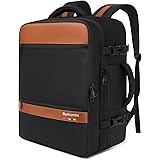
Bymontin Smart Suitcase-style Laptop Backpack, 25L / 35L Practical Travel Bag for Work, Leisure & Flight, Luggage-Style Commuter Pack (Black, 25L)
$20.99 (as of March 9, 2026 15:53 GMT +02:00 - More infoProduct prices and availability are accurate as of the date/time indicated and are subject to change. Any price and availability information displayed on [relevant Amazon Site(s), as applicable] at the time of purchase will apply to the purchase of this product.)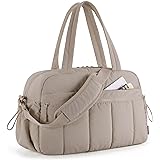
BAGSMART Gym Bag for Women, Duffle Bag for Travel with Wet Pocket, Lightweight Carry on Weekender Duffel, Water Resistant
$24.19 (as of March 9, 2026 15:53 GMT +02:00 - More infoProduct prices and availability are accurate as of the date/time indicated and are subject to change. Any price and availability information displayed on [relevant Amazon Site(s), as applicable] at the time of purchase will apply to the purchase of this product.)
YOOLIFE Easter Basket Stuffers for Kids Initial Clear Makeup Bag Make Up Bags Travel Toiletry Bags Preppy Cosmetic Bag Organizer Travel Essentials Girlfriend Teacher Mom Birthday Gifts Pink A
$15.99 (as of March 9, 2026 15:53 GMT +02:00 - More infoProduct prices and availability are accurate as of the date/time indicated and are subject to change. Any price and availability information displayed on [relevant Amazon Site(s), as applicable] at the time of purchase will apply to the purchase of this product.)As an Amazon Associate, we earn from qualifying purchases.

