

Planning your first adventure to Serbia? You’ve picked one of Europe’s most authentic and captivating destinations! This ultimate guide is packed with everything you need to know to make your trip unforgettable. From exploring the vibrant streets of Belgrade to discovering serene monasteries and breathtaking river canyons, we’ve got you covered.
Serbia, the passionate heart of the Balkans, offers an unparalleled blend of rich history, lively culture, stunning nature, and a warmth of welcome that’s truly remarkable. It’s a country that captivates every traveler, whether you’re wandering through the ancient Kalemegdan Fortress, sipping rakija in a traditional kafana, or simply soaking in the energetic, soulful atmosphere.
Get ready to discover why this resilient nation is one of Europe’s best-kept secrets. Let’s dive into the essential tips that will help you plan, budget, and experience the very best of this amazing country.
Table of Contents
- 1. Why Visit Serbia?
- 2. Best Time to Visit Serbia
- 3. Top Destinations in Serbia for First-Timers
- 4. Planning Your Serbia Trip: A Step-by-Step Guide
- 5. Accommodation in Serbia: Where to Stay
- 6. Getting Around Serbia: Transportation Guide
- 7. How Much Does a Trip to Serbia Cost?
- 8. Must-Try Foods and Cultural Delights
- 9. Staying Safe in Serbia
- 10. Solo Travel in Serbia
- 11. Traveling Serbia with Family or as a Senior
- 12. Digital Nomads in Serbia
- 13. Essential Packing List in our Serbia Travel Guide
- 14. FAQs for First-Timers
- 15. What’s Next? More Guides to Explore
1. Why Visit Serbia?
Serbia is a land of captivating energy and deep-rooted charm. It stands out as a top choice for travelers seeking authentic experiences, a rich tapestry of history, and incredible value for money. Its unique blend of Slavic soul, Ottoman echoes, and Austro-Hungarian elegance makes it truly special.
The Allure of the Balkan Heartland
Imagine exploring a fortress at the confluence of two great rivers, wandering through Art Nouveau streets, or discovering medieval monasteries hidden in lush valleys. Serbia offers all this and more. The country boasts a famously hospitable atmosphere, hearty and delicious cuisine, and a complex cultural heritage that will leave you enchanted.
From the energetic, 24-hour buzz of Belgrade to the relaxed charm of Novi Sad and the dramatic beauty of the Uvac Canyon, Serbia promises a journey filled with unforgettable moments. It’s a place where every conversation feels genuine, and every meal is a celebration of flavor and tradition.
ETIAS Update
Good news for travelers! The European Travel Information and Authorization System (ETIAS) is still not required for U.S. and other visa-exempt travelers visiting the Schengen Area. Its implementation has been postponed to mid-2026. This means your entry to Serbia will be as straightforward as it has been in previous years.
Looking for the best hotel or flight deals?
Plan your trip with ease using the Expedia search tool below. From charming boutique hotels to luxury resorts, this widget helps you compare top options in seconds — flights included!
2. Best Time to Visit Serbia
Choosing the right time to visit Serbia can significantly enhance your experience. The country has a continental climate with four distinct seasons, each offering unique charms.
Spring (April-May): Blooming Parks & Pleasant Weather
- Weather: Mild and pleasant, with temperatures ranging from 15-22°C (59-72°F). Perfect for sightseeing as cities and nature come alive.
- Crowds: Fewer crowds than summer, making it ideal for exploring Belgrade and Novi Sad.
- Pros: Landscapes are lush and green. The weather is comfortable for city exploration and hiking in national parks like Fruška Gora.
- Cons: Weather can be unpredictable with spring showers.
Summer (June-August): Sun, Festivals & Outdoor Life
- Weather: Warmest and sunniest months, with temperatures often reaching 25-30°C (77-86°F) or higher.
- Crowds: Peak tourist season, especially in Belgrade and during major festivals.
- Pros: Best weather for enjoying riverside cafes (splavovi) in Belgrade, music festivals like EXIT in Novi Sad, and exploring the countryside.
- Cons: Can be very hot, especially in July. Book accommodation and festival tickets well in advance.
Autumn (September-October): Golden Hues & Wine Harvest
- Weather: Mild and often beautiful, with temperatures from 15-23°C (59-73°F). The air is crisp and clear.
- Crowds: Crowds begin to thin out significantly after the first week of September.
- Pros: Stunning autumn foliage makes it a beautiful time for hiking. It’s also wine harvest season in regions like Fruška Gora.
- Cons: Days get shorter, and it can be rainy and cool, especially in late October.
Winter (November-March): Snowy Charm & Cozy Atmosphere
- Weather: Cold and often snowy, with temperatures from -5 to 5°C (23-41°F).
- Crowds: Fewer tourists, making it a great time for budget travel.
- Pros: Belgrade and Novi Sad have magical Christmas markets. Excellent for skiing and winter sports in mountain resorts like Kopaonik.
- Cons: Very short daylight hours. Air quality in Belgrade can be poor.
Recommendation for First-Timers: For the perfect balance of great weather and a vibrant atmosphere, aim for late spring (May-June) or early autumn (September). These shoulder seasons offer the best of Serbia without the intense summer heat.
Worried about landing with no signal? Get an Airalo eSIM for your trip — trusted by 20M+ travelers with coverage in 200+ destinations, often cheaper than roaming.
3. Top Destinations in Serbia for First-Timers
While Belgrade is the dynamic heart of the nation, Serbia is packed with diverse and fascinating destinations. Here are the must-visit spots for your first trip.
Belgrade: The Vibrant Capital
Belgrade is an absolute must-visit. It’s a city of raw energy, history, and incredible nightlife. Explore the ancient Kalemegdan Fortress overlooking the confluence of the Sava and Danube rivers, wander the bohemian cobblestone street of Skadarlija, and marvel at the monumental Church of Saint Sava.
The city’s spirit is found in its bustling cafes, underground clubs, and floating river bars (splavovi). It’s a city that never sleeps and offers a deep dive into modern Balkan culture.
Novi Sad: The Elegant Cultural Hub
Known as the “Serbian Athens,” Novi Sad is the country’s second-largest city and a hub of culture and elegance. Its charming city center is filled with colorful Austro-Hungarian architecture. Dominating the city is the massive Petrovaradin Fortress, home to the famous EXIT music festival.
Subotica: A Jewel of Art Nouveau
Located near the Hungarian border, Subotica is a visual masterpiece. The city is renowned for its stunning and unique Art Nouveau architecture, with buildings like the City Hall and Synagogue adorned with vibrant colors and intricate details. It feels like stepping into a different world.
Tara National Park: Pristine Wilderness
For nature lovers, Tara National Park in western Serbia is a paradise of dense forests, deep canyons, and stunning viewpoints. It’s home to the beautiful Drina River Gorge and is a fantastic destination for hiking, wildlife spotting (including brown bears), and escaping into nature.
Uvac Canyon: The Meandering Wonder
The Special Nature Reserve Uvac is famous for its breathtaking, winding river meanders and as a habitat for the griffon vulture. Taking a boat tour through the canyon and hiking to the Molitva viewpoint for the iconic panoramic view is an unforgettable experience.
Studenica Monastery: A Medieval Treasure
A UNESCO World Heritage site, the Studenica Monastery is one of Serbia’s most important and beautiful medieval monasteries. Founded in the 12th century, it’s a spiritual and historical gem, known for its stunning white marble church and priceless Byzantine-style frescoes.
4. Planning Your Serbia Trip: A Step-by-Step Guide
Planning your first trip to Serbia is exciting! Its compact size and good transport links make it easy to organize. Breaking it down into manageable steps makes the process a breeze.
Setting Your Budget & Travel Style
Before anything else, decide on your budget. Serbia is known for being very affordable compared to the rest of Europe, offering incredible value. Decide if you want a history-focused city break, a festival-hopping adventure, an escape into nature, or a mix of everything.
Crafting Your Itinerary
Don’t try to rush. For a 3-4 day trip, focus on Belgrade with a day trip to Novi Sad. With a week, you can add Subotica or explore western Serbia’s nature (like Tara or Uvac). A car is highly recommended for exploring outside the main cities.
Booking Flights & Accommodation
Book flights 3-6 months in advance for the best prices. The main airport is Belgrade’s Nikola Tesla Airport (BEG). Book accommodation well in advance for summer, especially if your trip coincides with the EXIT festival in July.
Understanding Visa & Entry Requirements
For most nationalities (e.g., US, UK, EU, Canadian, Australian citizens), a visa is not required for tourist stays of up to 90 days. Always ensure your passport is valid for at least six months beyond your intended departure date.
Securing Travel Insurance
This is non-negotiable, especially if you plan on outdoor activities like hiking. Get comprehensive travel insurance that covers medical emergencies, trip cancellations, and any adventure sports you plan to do.
5. Accommodation in Serbia: Where to Stay
Serbia offers a fantastic range of accommodation, from trendy urban hotels to cozy rural guesthouses, with options for every budget.

Hotels: From Modern Boutiques to Historic Grandeur
You’ll find a wide variety of hotels, especially in Belgrade and Novi Sad, from international chains to chic boutique hotels in renovated historic buildings. Quality is generally high, and prices are very competitive compared to other European capitals.
Apartments & Guesthouses: The Local Choice
This is a very common and often best-value type of accommodation. Privately owned apartments (available on platforms like Booking.com and Airbnb) are widespread and offer great value. Guesthouses (prenoćište) in smaller towns provide a more personal, often family-run, experience.
Ethno-Villages (Etno Selo): Nature & Authenticity
For a unique and highly recommended experience, especially in rural areas, consider staying in an “etno selo.” These are traditional-style villages or farm stays that offer a fantastic way to experience Serbian hospitality, enjoy home-cooked meals, and immerse yourself in the country’s beautiful nature.
Hostels: Social & Budget-Friendly
Hostels are extremely common and of high quality in Belgrade, Novi Sad, and Niš. They are perfect for solo travelers and those on a tight budget. Many are modern, clean, and have a great social atmosphere.
6. Getting Around Serbia: Transportation Guide
Navigating Serbia is relatively straightforward, with a mix of transport options connecting the country. Your choice will depend on your itinerary and budget.

Buses: The Most Extensive Network
- Pros: The bus network is the most comprehensive way to travel around Serbia, connecting all major cities, towns, and even smaller villages. It’s affordable and generally reliable.
- Cons: Comfort levels can vary. For popular routes, it’s wise to buy tickets in advance.
- Booking: Tickets can be bought at the main bus station (autobuska stanica) in each city.
Trains: Modern on Key Routes
- Pros: The new high-speed “Soko” train between Belgrade and Novi Sad is fantastic—fast, modern, and comfortable. It’s the best way to travel between these two cities.
- Cons: The rest of the train network (“Srbija Voz”) can be slow and outdated. For most other routes, buses are a better option.
Driving (Car Rental): The Best Way for Flexibility
- Pros: A rental car gives you the ultimate freedom to explore. It’s essential for reaching national parks like Tara and Uvac, remote monasteries, and traveling at your own pace.
- Cons: Not necessary for travel between Belgrade and Novi Sad. Driving in Belgrade can be intense for the uninitiated.
- Tips: Driving is on the right. An International Driving Permit (IDP) is recommended.
Public Transport in Belgrade
- Pros: Belgrade has an extensive network of buses and trams. It’s very cheap and covers the entire city.
- Tip: You can buy tickets at kiosks or use a contactless card to tap on board. The system can be a bit confusing at first, so using an app like Moovit is helpful.
Want to save on train tickets? Search routes and compare prices on Omio — and check for available discounts or referral credit when you book (offers can vary by location/account).
7. How Much Does a Trip to Serbia Cost?
Serbia is one of Europe’s most affordable travel destinations. Your money goes a long way here, especially for food, drink, and transport, allowing for a high-quality trip without a high price tag.
Daily Cost Estimates (Per Person)
- Budget Traveler: 3,500-5,500 RSD / $32-50 USD per day
- Accommodation: Hostel dorms.
- Food: Meals from bakeries (pekara), street food (pljeskavica), cooking your own food.
- Transport: Public transport, walking.
- Activities: Free activities like walking tours, exploring Kalemegdan Park.
- Mid-Range Traveler: 6,500-11,000 RSD / $60-100 USD per day
- Accommodation: Mid-range hotels, well-located apartments.
- Food: Eating out at casual restaurants (kafana), cafes.
- Transport: Intercity buses, high-speed train, occasional taxi.
- Activities: Paid attractions like museums, guided tours.
- Luxury Traveler: 16,500+ RSD / $150+ USD per day
- Accommodation: Luxury hotels, boutique hotels.
- Food: Fine dining, craft cocktail bars.
- Transport: Private transfers, rental car.
- Activities: Private tours, river cruises, exclusive experiences.
Money-Saving Tips:
- Eat at a Pekara: Serbian bakeries offer delicious and incredibly cheap pastries like burek and gibanica, perfect for breakfast or lunch.
- Drink Local Beer: Domestic beers like Jelen or Lav are very affordable.
- Use Public Transport: It’s efficient and cheap. Avoid taxis for short distances in Belgrade; use the bus or tram instead.
- Stay Outside the Very Center: Accommodation just a short bus ride from the main squares can be significantly cheaper.
- Shop at Markets: Visit a green market (pijaca) for fresh, cheap produce, cheese, and local products.
8. Must-Try Foods and Cultural Delights
Serbian cuisine is hearty, rich, and incredibly flavorful, with a strong focus on grilled meats, fresh produce, and dairy. It’s the ultimate comfort food, best enjoyed in a traditional tavern (kafana).

Iconic Serbian Dishes
- Pljeskavica & Ćevapi: The kings of Serbian barbecue. Pljeskavica is a spiced meat patty (like a burger), and ćevapi are small, skinless sausages. Both are grilled and often served in a flatbread (lepinja) with onions and kajmak.
- Kajmak & Ajvar: Two essential condiments. Kajmak is a rich, creamy dairy product somewhere between clotted cream and butter. Ajvar is a delicious relish made from roasted red peppers.
- Sarma: Cabbage rolls stuffed with minced meat and rice, slow-cooked to perfection. A beloved dish for special occasions.
- Gibanica: A savory pastry made with layers of phyllo dough, cheese, and eggs. A staple from local bakeries (pekara).
- Karađorđeva Šnicla: “Karađorđe’s schnitzel” is a rolled veal or pork cutlet, stuffed with kajmak, then breaded and fried. A decadent and delicious meal.
The Kafana & Rakija Experience
The kafana is the heart and soul of Serbian social life—a traditional tavern where people gather for food, drink, live music, and conversation. It’s an essential experience. Here, you must try Rakija, a potent fruit brandy that is the national drink. The most common type is Šljivovica (plum), but it comes in many flavors. Živeli! (Cheers!)
Cultural Etiquette & Local Customs
- Hospitality: Serbs are incredibly warm, hospitable, and generous hosts. If invited to someone’s home, you will be treated like royalty.
- Greetings: A firm handshake is standard. People are direct and friendly.
- Directness: Communication is often more direct than in other cultures. This is a sign of honesty, not rudeness.
- Tipping: Tipping is appreciated. Rounding up the bill or leaving around 10% for good service in a restaurant is standard.
9. Staying Safe in Serbia
Serbia is a very safe country for tourists. Crime rates are low, and violent crime against tourists is extremely rare. The main safety concerns are related to petty crime in high-traffic areas of Belgrade.
General Safety Tips
- Petty Crime: Be aware of pickpocketing in crowded tourist areas like Knez Mihailova street in Belgrade, on public transport, and around Kalemegdan Fortress.
- Taxi Scams: Avoid hailing unmarked taxis on the street. Use official, registered taxi companies (look for the company name and number) or use a ride-hailing app like Yandex Go or CarGo.
- Be Aware of Your Surroundings: Take normal precautions, especially at night. Stick to well-lit areas.
- Political Sensitivities: Avoid discussing sensitive political topics, particularly the conflicts of the 1990s and the status of Kosovo, unless you are with people you know well.
Emergency Numbers
- The universal emergency number is 112.
- Police: 192
- Ambulance: 194
10. Solo Travel in Serbia
Serbia is a fantastic and extremely safe destination for solo travelers. It’s affordable, easy to navigate, and the people are generally very friendly and helpful, making it a comfortable place to explore on your own.
The excellent hostel scene in Belgrade and Novi Sad makes it easy to meet other travelers. The country’s incredible safety record and efficient public transport between major cities allow for stress-free independent exploration. Joining a free walking tour in Belgrade is a great way to get your bearings and connect with fellow travelers.
11. Traveling Serbia with Family or as a Senior
Serbia’s diverse offerings, safety, and relaxed pace make it a great choice for both families and seniors.
Traveling with Family
- Fun for All Ages: Families will love exploring the massive Kalemegdan Fortress, visiting the Nikola Tesla Museum in Belgrade, or relaxing by Ada Ciganlija, Belgrade’s river island beach.
- Accommodation: Renting an apartment is ideal for families, providing space and kitchen facilities.
- Pacing: The country’s compact size means travel times between key cities aren’t excessively long, making it easier for children.
Traveling as a Senior
- Accessibility: Be aware that many historical sites and city centers have cobblestones. However, the main pedestrian streets in Belgrade and Novi Sad are flat and easily walkable.
- Relaxed Pace: Opt for a slower pace. Enjoy the cafe culture, visit one of Serbia’s many spa towns (banja) like Vrnjačka Banja for relaxation, or take a leisurely cruise on the Danube.
- Safety and Comfort: The country is very safe, and the high quality of services makes for a comfortable trip.
12. Digital Nomads in Serbia
Serbia, and especially Belgrade, has become a major hub for digital nomads, offering an unbeatable combination of low cost of living, fast internet, a central European location, and a vibrant social scene.
- Visa Considerations: While Serbia doesn’t have a specific digital nomad visa yet, many non-EU citizens can stay for up to 90 days visa-free. For longer stays, options for temporary residence based on self-employment are available, though the process can be bureaucratic.
- Best Cities for Nomads:
- Belgrade: The undisputed center of the action. It has a massive international community, countless co-working spaces, a legendary cafe culture, and an incredible quality of life for its cost.
- Novi Sad: A fantastic, more relaxed, and slightly more affordable alternative. It’s a major university city with a creative, youthful atmosphere.
- Connectivity: Internet is fast, reliable, and cheap.
- Cost of Living: This is the main draw. It’s significantly more affordable than almost anywhere else in Europe, allowing for a very comfortable lifestyle on a modest budget.
- Lifestyle: The work-life balance is excellent. Belgrade is a world-class city for culture, food, and nightlife, with easy connections to the rest of the Balkans.
Looking for a smarter way to manage your travel money? Wise offers real exchange rates with no hidden fees, making it the perfect companion for international trips.
13. Essential Packing List in our Serbia Travel Guide
Packing for Serbia is about preparing for four distinct seasons and lots of walking. Versatility and layers are key.
Clothing
- Layers: T-shirts, long-sleeved tops, and a fleece or sweater are crucial for adapting to temperature changes.
- Comfortable Walking Shoes: Absolutely essential. You will be walking a lot on cobblestones and varied terrain.
- Water-Resistant Jacket: A good jacket is useful for any season, as rain showers can be sudden.
- Warm Gear (for winter): A proper winter coat, thermal underwear, warm hat, gloves, and a scarf are non-negotiable for a winter trip.
- Slightly Dressier Outfit: Serbs, especially in Belgrade, dress up for a night out. Pack something smart-casual for evenings.
Essentials & Accessories
- Universal Travel Adapter: Serbia uses Type F plugs (two round pins).
- Reusable Water Bottle: To stay hydrated with the country’s excellent tap water.
- Daypack: Essential for daily excursions.
- Sunscreen & Sunglasses: The summer sun can be strong.
- Copies of Documents: Keep digital and physical copies of your passport.
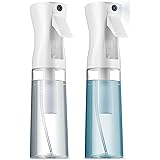
2 Pack Continuous Spray Bottles - Ultra Fine Mist Sprayer | Water Spray Bottle For Hair Mister Spray Bottle | Hair Spray Bottles For Hairstyling, Cleaning, Salons - 2pk 6.8 OZ / 200 ML
$8.99 (as of March 6, 2026 15:28 GMT +02:00 - More infoProduct prices and availability are accurate as of the date/time indicated and are subject to change. Any price and availability information displayed on [relevant Amazon Site(s), as applicable] at the time of purchase will apply to the purchase of this product.)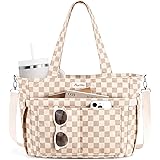
Bagstellar Corduroy Tote Bag for Women, 17 Pockets Laptop Work Tote Bag Lightweight Teacher Nurse Bible Bag for School Travel | with 40oz Cup Holder, Multi Compartment, Zipper Crossbody Bag, College Shoulder Bag, Daily Purse w/ Strap, Ideal Gift for Women
$35.99 (as of March 6, 2026 15:28 GMT +02:00 - More infoProduct prices and availability are accurate as of the date/time indicated and are subject to change. Any price and availability information displayed on [relevant Amazon Site(s), as applicable] at the time of purchase will apply to the purchase of this product.)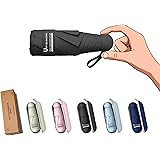
BAODINI Travel Essentials Mini Umbrella for Purse With Case Small Compact UV Sun Protection Lightweight Tiny Pocket Manual Open Close Umbrella for Women Kids and Men Fits Purse Backpack
$15.99 (as of March 6, 2026 15:28 GMT +02:00 - More infoProduct prices and availability are accurate as of the date/time indicated and are subject to change. Any price and availability information displayed on [relevant Amazon Site(s), as applicable] at the time of purchase will apply to the purchase of this product.)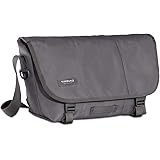
Timbuk2 Classic Messenger Bag
(as of March 6, 2026 15:28 GMT +02:00 - More infoProduct prices and availability are accurate as of the date/time indicated and are subject to change. Any price and availability information displayed on [relevant Amazon Site(s), as applicable] at the time of purchase will apply to the purchase of this product.)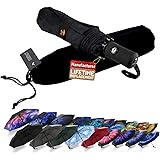
SY COMPACT Travel Umbrella Windproof Automatic Umbrellas Small Compact UV Sun Protection Factory Outlet Umbrella
$9.59 (as of March 6, 2026 15:28 GMT +02:00 - More infoProduct prices and availability are accurate as of the date/time indicated and are subject to change. Any price and availability information displayed on [relevant Amazon Site(s), as applicable] at the time of purchase will apply to the purchase of this product.)As an Amazon Associate, we earn from qualifying purchases.
14. FAQs for First-Timers
Here are some frequently asked questions to help you plan your first trip to Serbia.
What currency does Serbia use?
Serbia uses the Serbian Dinar (RSD). The Euro is NOT the official currency, although some hotels or landlords may accept it. Always plan to pay in Dinars.
Is English widely spoken?
Yes, in Belgrade and Novi Sad, English proficiency is excellent, especially among younger people and in the tourism industry. You will have no problem communicating. In more rural areas, it can be less common.
Is Serbia expensive?
No, Serbia is one of the most affordable countries in Europe. It offers excellent value, especially for food, drink, and transport. Belgrade is more expensive than the rest of the country but still very cheap compared to other European capitals.
Do I need a visa for Serbia?
For most nationalities (e.g., US, UK, EU, Canadian, Australian), a visa is not required for tourist stays up to 90 days. Always check official government websites for the latest requirements.
What is the best way to get around?
The bus network is the best way to travel between most cities. The new high-speed train is best for traveling between Belgrade and Novi Sad. Renting a car is ideal for maximum flexibility, especially for exploring nature.
Is Belgrade the only place worth visiting?
While Belgrade is magnificent, Serbia’s true charm is also found in its other cities and regions. Don’t miss places like Novi Sad for its culture, Subotica for its architecture, and Western Serbia for its stunning nature.
15. What’s Next? More Guides to Explore
Your Serbian adventure awaits! We hope this comprehensive guide has equipped you with all the essential information to plan an unforgettable trip to the heart of the Balkans. From the vibrant energy of Belgrade to the serene beauty of its monasteries and canyons, Serbia promises a journey filled with discovery, passion, and lasting memories.
Happy travels, and enjoy your unforgettable journey through Serbia!
🇪🇺 Western Europe Countries
- France Travel Guide
- Spain Travel Guide
- Portugal Travel Guide
- Netherlands Travel Guide
- Belgium Travel Guide
- Luxembourg Travel Guide
- Ireland Travel Guide
- England Travel Guide
🇪🇺 Southern Europe & Balkans Countries
- Italy Travel Guide
- Greece Travel Guide
- Croatia Travel Guide
- Montenegro Travel Guide
- Albania Travel Guide
- Malta Travel Guide
- Bosnia and Herzegovina Travel Guide
- Serbia Travel Guide
- North Macedonia Travel Guide
- Kosovo Travel Guide
🇪🇺 Northern Europe & Nordics Countries
- Sweden Travel Guide
- Norway Travel Guide
- Finland Travel Guide
- Denmark Travel Guide
- Iceland Travel Guide
- Scotland Travel Guide
🇪🇺 Central Europe Countries
- Germany Travel Guide
- Austria Travel Guide
- Switzerland Travel Guide
- Poland Travel Guide
- Czechia Travel Guide
- Hungary Travel Guide
- Slovakia Travel Guide
- Slovenia Travel Guide
🇪🇺 Eastern Europe & Baltics Countries
- Romania Travel Guide
- Bulgaria Travel Guide
- Ukraine Travel Guide
- Moldova Travel Guide
- Lithuania Travel Guide
- Latvia Travel Guide
- Estonia Travel Guide
- Belarus Travel Guide

